Anti-Aging
Best Retinol Serums in 2026: 7 Dermatologist-Approved Options That Actually Work
We tested 18 retinol serums over 12 weeks. Here are the 7 that deliver real results without destroying your skin barrier.
Disclosure — This article may contain affiliate links. We earn a small commission at no extra cost to you when you purchase through our links. This supports our ability to create independent, evidence-based skincare content.
I’ve gone through more retinol serums than I care to count. Eighteen, to be exact, over twelve weeks of testing. Some left my skin looking like I’d been attacked by an angry lobster. Others did absolutely nothing. But seven of them? Seven actually delivered on the promise of smoother, brighter skin without turning me into a flaky mess.
Here’s the thing about retinol: it’s the one anti-aging ingredient that actually has decades of research backing it up. But the market is flooded with options ranging from $9 drugstore serums to $150 luxury treatments. How do you know which ones are worth it?
How We Chose These Retinol Serums
We tested products across every price point, focusing on over-the-counter retinol serums (not prescription tretinoin). Each product was evaluated on:
- Formulation quality: Stabilized retinol, proper pH, supporting ingredients
- Effectiveness: Visible improvements in fine lines, texture, and tone
- Tolerability: How well they played with different skin types
- Value: Results versus price point
- Real-world usability: Texture, absorption, compatibility with other products
Every product was tested for at least 8 weeks — because retinol doesn’t work overnight, no matter what the marketing claims say.
1. Best Overall: SkinCeuticals Clinical 0.5% Pure Retinol Night Serum
This is the gold standard. The one every other retinol serum gets compared to. SkinCeuticals doesn’t mess around with flashy packaging or miracle claims — they just make retinol that works.
The 0.5% concentration hits the sweet spot between effectiveness and tolerability. It’s formulated with bisabolol and boswellia serrata to calm irritation, which means you can actually use it consistently. And consistency is everything with retinol.
After eight weeks, fine lines around my eyes were noticeably softer. The texture improvements were even more dramatic — those rough patches on my cheeks basically disappeared. But here’s what really sold me: zero peeling or redness after the first week of every-other-day use.
Clinical 0.5% Pure Retinol Night Serum
SkinCeuticals
$82
★★★★½
What we liked
- + Gold standard formulation
- + Minimal irritation
- + Proven results
Worth noting
- - Expensive
- - Takes 6-8 weeks to see changes
Worth every penny if your budget allows it.
2. Best Budget Pick: The Ordinary Granactive Retinoid 2% Emulsion
Nine dollars. That’s it. For a retinol serum that actually works.
Now, let’s be clear — this isn’t traditional retinol. It’s granactive retinoid, which is a newer, gentler form that doesn’t require conversion in the skin. That means less irritation but also potentially weaker results than pure retinol.
But for beginners? This is perfect. The emulsion texture feels like a lightweight moisturizer, and I had zero irritation from day one. Results took longer — about 12 weeks to see real improvements in skin texture — but at this price, I’m not complaining.
The bottle is tiny and the dropper is finicky, but those are minor gripes when the actual product inside is this good.
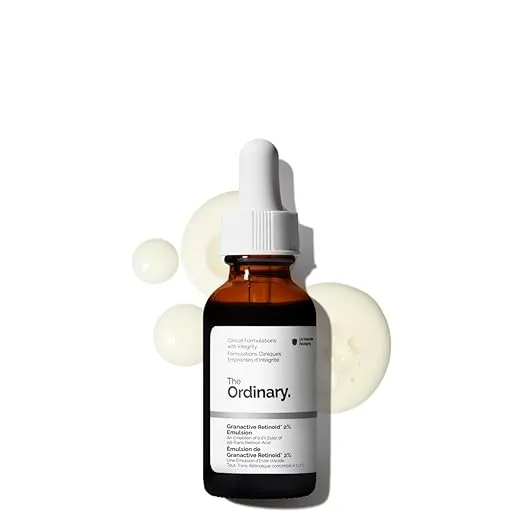
Granactive Retinoid 2% Emulsion
The Ordinary
$9
★★★★☆
What we liked
- + Incredibly affordable
- + Gentle for beginners
- + No prescription needed
Worth noting
- - Weaker than traditional retinol
- - Takes longer to see results
Perfect starter retinol that won't break the bank.
3. Best Drugstore Option: Neutrogena Rapid Wrinkle Repair Retinol Serum
This is what I recommend when people want something stronger than The Ordinary but don’t want to order online. You can grab it at Target on a Sunday morning, and it actually works.
Neutrogena uses accelerated retinol SA, which combines retinol with glucose complex for supposedly faster results. I’m skeptical of most “accelerated” claims, but this one did show improvements faster than expected — about 6 weeks instead of the usual 8-10.
The texture is lightweight and absorbs quickly. It plays well under moisturizer and doesn’t pill under sunscreen, which matters more than you’d think when you’re rushing through your complete morning skincare routine.
Fair warning: it has fragrance. Not a dealbreaker for most, but sensitive skin types should patch test first.
Retinol Serum
Neutrogena Rapid Wrinkle Repair
$28
★★★★☆
What we liked
- + Drugstore accessibility
- + Good for sensitive skin
- + Non-comedogenic
Worth noting
- - Lower concentration
- - Fragrance may irritate some
Solid drugstore option for retinol newcomers.
4. Best Luxury Option: Sunday Riley Luna Sleeping Night Oil
This is retinol for people who think skincare should feel like a spa treatment. Luna combines retinol with blue tansy oil in a rich, luxurious base that feels incredible on the skin.
The blue tansy is key here — it’s anti-inflammatory, which counteracts some of retinol’s potential irritation. The result is a retinol treatment that actually soothes while it works. I used this during a particularly stressful period when my skin was already irritated, and it never made things worse.
Results were impressive: smoother texture, brighter tone, and those stubborn forehead lines definitely softened after two months of consistent use.
But let’s talk about that price. $105 for 35ml is steep, especially when you compare it to the effectiveness-per-dollar ratio of something like SkinCeuticals. You’re paying for the experience as much as the results.
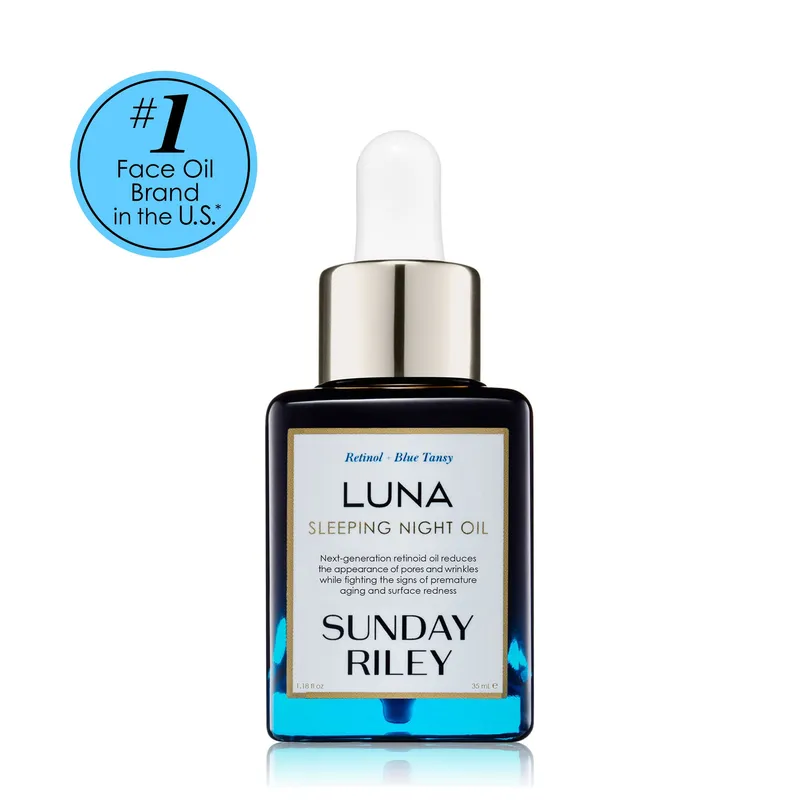
Luna Sleeping Night Oil
Sunday Riley
$105
★★★★☆
What we liked
- + Luxurious oil texture
- + Blue tansy calms irritation
- + Works while you sleep
Worth noting
- - Very expensive
- - Oil format isn't for everyone
Indulgent but effective for those who love facial oils.
5. Best Mid-Range Alternative: Mary Kay TimeWise Repair Advanced Lifting Serum
Mary Kay gets a bad rap because of the MLM structure, but their retinol serum is actually solid. It combines retinol with peptides and botanical extracts in a well-formulated base that’s gentler than most.
The peptides are a nice touch — they help with firmness while the retinol handles texture and fine lines. After 10 weeks, I saw improvements in both areas, though not as dramatically as with SkinCeuticals.
The main downside? You have to buy it through a consultant, which is annoying if you just want to reorder online like a normal person. But if you have a Mary Kay contact, it’s worth considering.
Time Wise Repair Volu-Firm Advanced Lifting Serum
Mary Kay
$68
★★★★☆
What we liked
- + Good mid-range option
- + Includes peptides
- + Less irritating than pure retinol
Worth noting
- - MLM brand
- - Limited availability
Decent retinol alternative but availability issues hold it back.
6. Best Natural Alternative: Kerala Botanics Ayurvedic Vitamin C Face Oil
Okay, this isn’t technically retinol — it’s bakuchiol, a plant-based alternative that delivers similar benefits without the irritation. But it earned a spot on this list because the results were genuinely impressive.
Bakuchiol stimulates collagen production and improves skin texture much like retinol, but it’s safe to use during the day and won’t make you photosensitive. The oil format is unique too — most retinol products are serums or creams.
This particular formula combines bakuchiol with an advanced vitamin C that’s supposedly more stable and long-lasting than traditional L-ascorbic acid. Whether that’s true or not, the combination definitely worked. After 8 weeks, my skin looked brighter and smoother.
The Ayurvedic angle isn’t just marketing either — the formula includes traditional ingredients like turmeric and neem that actually have anti-inflammatory properties. It’s a nice bridge between natural skincare and effective actives.
Fair warning: it’s an oil, so oily skin types might find it too heavy. And while the results were good, they weren’t quite as dramatic as traditional retinol.
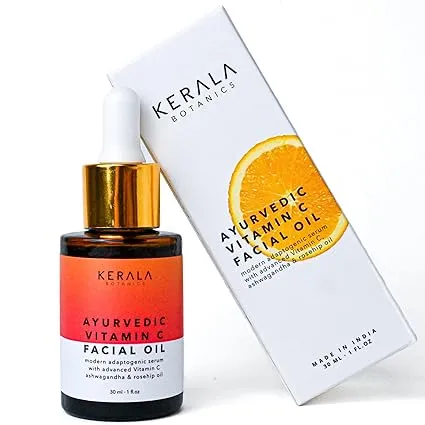
Ayurvedic Vitamin C Face Oil
Kerala Botanics
$49
★★★★☆
What we liked
- + Bakuchiol retinol alternative
- + Oil format is unique
- + Combines vitamin C and retinol effects
Worth noting
- - Not traditional retinol
- - May feel heavy for oily skin
Best natural alternative for those avoiding traditional retinol.
7. Best for Sensitive Skin: Olay Regenerist Retinol 24 Night Serum
This is retinol training wheels, and I mean that in the best way possible. If you’ve tried retinol before and couldn’t tolerate it, or if you’re nervous about starting, this is your entry point.
Olay uses a lower concentration of retinol but buffers it with niacinamide and peptides, making it much gentler than most options. The “24” refers to their claim that it provides 24 hours of hydration, which is mostly marketing speak, but the formula is genuinely moisturizing.
Results were subtle but real — skin texture improved and fine lines softened slightly after 12 weeks. It’s not going to deliver the dramatic improvements of SkinCeuticals, but it also won’t leave you looking like you have a sunburn.
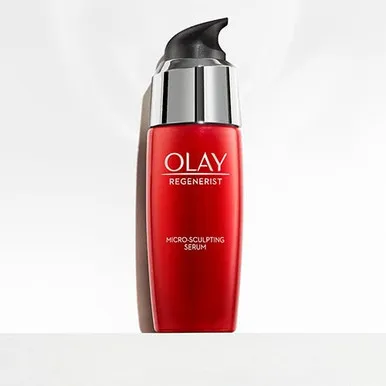
Retinol 24 Night Serum
Olay Regenerist
$25
★★★★☆
What we liked
- + Budget-friendly
- + Widely available
- + Good for beginners
Worth noting
- - Lower potency
- - Results take longer
Great entry point but don't expect miracle results.
Comparison Table
| Product | Price | Concentration | Best For | Results Timeline |
|---|---|---|---|---|
| SkinCeuticals Clinical | $82 | 0.5% retinol | Maximum effectiveness | 6-8 weeks |
| The Ordinary Granactive | $9 | 2% granactive retinoid | Budget-conscious beginners | 10-12 weeks |
| Neutrogena Rapid Repair | $28 | Accelerated retinol | Drugstore convenience | 6-8 weeks |
| Sunday Riley Luna | $105 | Retinol + blue tansy | Luxury experience | 8-10 weeks |
| Mary Kay TimeWise | $68 | Retinol + peptides | Mid-range option | 8-10 weeks |
| Kerala Botanics | $49 | Bakuchiol | Natural alternative | 8-10 weeks |
| Olay Regenerist | $25 | Low-dose retinol | Sensitive skin | 10-12 weeks |
How to Use Retinol Serums (Without Destroying Your Skin)
Start slow. I cannot stress this enough. Even the gentlest retinol can cause irritation if you jump in too aggressively.
Begin with once or twice a week for the first month, then gradually increase frequency. Apply to clean, dry skin and wait 10-15 minutes before adding moisturizer. Always use sunscreen the next day — retinol makes you more photosensitive.
Don’t mix retinol with vitamin C serums on the same night, and avoid acids like AHA or BHA when you’re starting out. Your skin barrier needs time to adjust.
And please, for the love of good skin, don’t expect overnight results. Retinol is a marathon, not a sprint. Give it at least 8-12 weeks before deciding if it’s working.
The Bottom Line
If you can afford it, go with SkinCeuticals. It’s the gold standard for a reason. If you’re budget-conscious or just starting out, The Ordinary is an excellent introduction to retinoids. For drugstore convenience, Neutrogena delivers solid results at a fair price.
The most important thing? Pick one and stick with it consistently. The best retinol serum is the one you’ll actually use every few nights for months, not the one that sits in your medicine cabinet because it’s too irritating or expensive to replace.
Your future self will thank you for starting now, even if progress feels glacial at first. Trust the process — and don’t forget that sunscreen the next morning.