
Sunscreen
How Much Sunscreen to Actually Apply (and How Often to Reapply)
The two-finger rule vs 1/4 teaspoon measure, reapplication over makeup, and why SPF math isn't what you think. Get sunscreen application right.
Disclosure — This article may contain affiliate links. We earn a small commission at no extra cost to you when you purchase through our links. This supports our ability to create independent, evidence-based skincare content.
Most people use about one-fourth the sunscreen they need. We spread a thin film and call it protection, then wonder why we burn despite using SPF 50. The math is simple: less product means less protection. But the actual measurements are more nuanced than the rules suggest.
The standard advice — 1/4 teaspoon for the face, reapply every two hours — works as a starting point. Reality is messier. Reapplication over makeup isn’t the same as a fresh morning application. SPF 30 versus SPF 60 isn’t a simple doubling. And the two-finger rule, popular on social media, often leads to over-application and pilling.
Here’s what actually works for consistent protection.
How Much Sunscreen: The Real Measurements
The 1/4 teaspoon rule comes from laboratory testing standards. Researchers apply 2 milligrams of sunscreen per square centimeter of skin to achieve the SPF rating on the bottle. For an average face, that translates to roughly 1/4 teaspoon.
The two-finger rule — squeezing sunscreen along two fingers — became popular because it’s visual and harder to underestimate. For most people, two fingers of product equals slightly more than 1/4 teaspoon. The extra isn’t wasteful; it accounts for uneven application and absorption differences.
Both measurements have problems. Faces vary in size. Sunscreen formulas have different densities. Some absorb quickly, others sit on the surface. The real goal is consistent coverage without gaps.
What works better: Start with 1/4 teaspoon as a baseline. If your sunscreen absorbs completely in 30 seconds, use more next time. If it pills or won’t blend after two minutes, use slightly less. Adjust for your face size and the specific formula.
Most people need to increase their amount gradually. If you’ve been using a thin layer for years, jumping to 1/4 teaspoon feels excessive. Start with 50% more than usual, then increase over a week until you reach proper coverage.
Face vs Neck vs Body: Different Rules Apply
The face gets the most attention, but uneven coverage happens when we treat every area the same. The neck, ears, and chest need different amounts and application techniques.
For the face: 1/4 teaspoon, applied in sections. Dot sunscreen on the forehead, both cheeks, nose, and chin, then blend outward. Don’t forget the temples, which burn easily but often get skipped.
For the neck: Another 1/4 teaspoon, minimum. The neck has more surface area than people estimate, and it’s constantly exposed. Apply from the jaw down to the chest line, including the sides and back of the neck.
For the ears: A small amount, focused on the tops and edges. Ears burn badly and heal slowly. If you wear sunglasses, pay extra attention to the area just above where they sit.
For exposed body areas: One ounce total for arms, legs, and torso — about a shot glass worth. This sounds like a lot because it is. Most people use half that amount.
The key is working in sections rather than trying to cover everything at once. Do the face completely, then move to the neck, then the body. Rushed, full-body application leads to missed spots.
SPF Math: Why Higher Numbers Don’t Double Protection
SPF measures how much longer you can stay in the sun before burning, compared to unprotected skin. If you normally burn in 10 minutes, SPF 30 theoretically gives you 300 minutes. But the relationship isn’t linear, and real-world conditions change everything.
SPF 15: Blocks about 93% of UV rays
SPF 30: Blocks about 97% of UV rays
SPF 50: Blocks about 98% of UV rays
SPF 60: Blocks about 98.3% of UV rays
The jump from SPF 15 to SPF 30 is significant. From SPF 30 to SPF 50, less so. Above SPF 50, the improvements are minimal. An SPF 60 sunscreen isn’t twice as protective as SPF 30 — it blocks an additional 1.3% of rays.
This matters for two reasons. First, don’t assume high SPF numbers compensate for thin application. SPF 60 applied lightly gives less protection than SPF 30 applied properly. Second, SPF 30 from a formula you’ll actually reapply beats SPF 60 that sits unused because it’s too thick or expensive.
Most dermatologists recommend SPF 30-50 as the sweet spot. Higher numbers often come with heavier formulas that discourage proper use.
Anthelios Melt-In Milk Sunscreen SPF 60
La Roche-Posay
$36
★★★★☆
Reapplication: The Two-Hour Rule and Its Exceptions
Every two hours sounds simple until you’re wearing makeup, at a desk job, or dealing with water and sweat. The rule assumes average sun exposure and activity levels. Real life requires adjustments.
Reapply more often if:
- Swimming or sweating heavily (every 40-80 minutes, depending on the formula)
- At the beach, snow, or high altitude where UV exposure is intense
- Using chemical sunscreens, which break down faster than mineral ones
- Touching your face frequently (phones, glasses, masks all remove product)
You can stretch longer if:
- Indoors most of the day with minimal direct sun exposure
- Using a high-SPF mineral sunscreen that doesn’t degrade as quickly
- In lower UV conditions (winter, very early morning, late evening)
The bigger issue is reapplication technique. Most people dab a tiny amount over makeup and assume they’re protected. That’s not enough product to restore coverage.
Reapplying Over Makeup: What Actually Works
This is where sunscreen advice gets impractical. Reapplying 1/4 teaspoon of cream sunscreen over makeup destroys the look you spent time creating. But skipping reapplication isn’t an option for extended sun exposure.
Powder sunscreens work for touch-ups over makeup, but they’re not equivalent to liquid formulas. Use them as supplementary protection, not primary coverage. Apply generously — more than you think looks natural.
Setting sprays with SPF can work for reapplication, but technique matters. Hold the bottle 6-8 inches away, spray in overlapping sections, and don’t rub it in. Let it set naturally. Most people spray too lightly and too far away to get meaningful protection.

Setting Spray SPF 50
Supergoop!
$28
★★★★☆
The practical compromise: Apply sunscreen generously in the morning as your base. For reapplication, use powder or spray over makeup, but be realistic about the protection level. If you’re spending extended time outdoors, removing and reapplying makeup isn’t vanity — it’s necessary.
For office workers who get sun through windows during commutes, morning application plus a midday powder touch-up usually suffices. For beach days or outdoor activities, plan for makeup removal and proper reapplication.
Water Resistance: What the Labels Mean
Water-resistant sunscreen doesn’t mean waterproof. The FDA requires sunscreens to maintain their SPF rating for either 40 or 80 minutes of swimming or sweating to earn these labels. After that time, protection drops significantly.
Water-resistant (40 minutes): Good for normal daily activity, light exercise, brief pool time
Water-resistant (80 minutes): Better for swimming, sports, heavy sweating
Even 80-minute water resistance doesn’t last all day. Toweling off, intense sweating, or long swimming sessions remove product faster than the testing conditions suggest. For water activities, reapply immediately after swimming and every hour during extended exposure.
No sunscreen is truly waterproof or sweatproof. Those claims are marketing, not science. Water-resistant formulas stay on better than regular ones, but they still need frequent reapplication during water activities.
Common Application Mistakes That Reduce Protection
Mistake 1: Blending too aggressively. Sunscreen needs to form a film on the skin. Over-blending breaks up that film and reduces coverage. Pat and press rather than rubbing in circular motions.
Mistake 2: Mixing with moisturizer or foundation. This dilutes the concentration and creates uneven coverage. Apply sunscreen as a separate step, let it set for a minute, then add other products.
Mistake 3: Skipping areas that don’t feel exposed. The hairline, around the nose, and under the chin get missed regularly. These areas burn easily because the skin is often thinner.
Mistake 4: Applying sunscreen to wet skin. Water dilutes the product and prevents proper adhesion. Dry off completely before application, especially after swimming.
Mistake 5: Using expired sunscreen. Active ingredients break down over time, especially if stored in hot cars or bathrooms. Replace sunscreens every year, or every six months if stored in high heat.
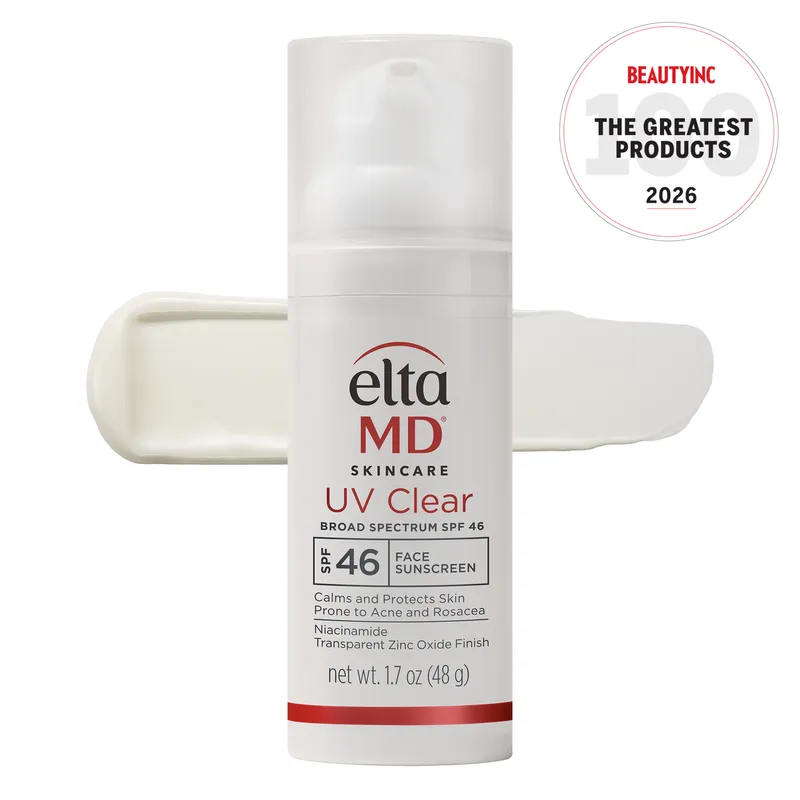
UV Clear Broad-Spectrum SPF 46
EltaMD
$41
★★★★½
Special Situations: Kids, Sensitive Skin, and Daily Wear
For children: Use the same amount guidelines, but choose mineral sunscreens when possible. Chemical filters can irritate sensitive skin. Apply 30 minutes before sun exposure to allow proper binding. Kids need help with reapplication — they can’t judge coverage or reach all areas.
For sensitive or acne-prone skin: Look for non-comedogenic formulas with zinc oxide or titanium dioxide. These mineral filters are less likely to cause reactions than chemical ones. If breakouts occur, try a different formula rather than using less product.
For daily city wear: Morning application of SPF 30-50 handles most urban exposure. Add a powder touch-up if you’re walking extensively or sitting by windows. This routine works for most office workers and commuters.
For outdoor workers: Higher SPF (50+), water-resistant formulas, plus midday reapplication are non-negotiable. Consider zinc sticks for high-wear areas like the nose and lips.
Your complete morning skincare routine should end with sunscreen as the final step, before makeup. This creates a protective barrier that won’t be diluted by other products.
The Economics of Proper Application
Using the correct amount of sunscreen feels expensive until you calculate the cost of inadequate protection. A standard 1.5-ounce tube lasts about 6-8 facial applications when used properly. For daily use, that’s one tube per week.
This math explains why people under-apply. Proper use costs $15-30 per week for face-only protection. But consider that most people currently use 1/4 of the recommended amount, getting minimal protection while still spending money on the product.
Budget-friendly strategies:
- Buy larger sizes when available — cost per ounce drops significantly
- Use a less expensive body sunscreen for neck and chest, saving facial formulas for the face
- Choose SPF 30-50 over higher numbers — better value for minimal protection difference
The cost of proper sunscreen use is high, but it’s preventive healthcare. Skin cancer treatments, sun damage repair procedures, and premature aging interventions cost substantially more than consistent sun protection.
Mineral Powder Brush-On Shield SPF 50
Peter Thomas Roth
$30
★★★★☆
Building Sustainable Sun Protection Habits
The best sunscreen routine is one you’ll actually follow. Starting with perfect application and expensive products often leads to abandoning the routine when it feels unsustainable.
Start gradually: If you currently skip sunscreen or use very little, begin with daily application of any amount. Focus on consistency over perfection. After two weeks, gradually increase the amount until you reach 1/4 teaspoon.
Find formulas you like: Sunscreen that pills, feels greasy, or breaks you out won’t get used properly. Try different textures and formulations until you find ones that work with your skin and routine. This might take several attempts.
Simplify reapplication: Keep powder sunscreen in your car, desk, and bag. Use setting sprays with SPF for over-makeup touch-ups. Accept that some protection is better than none when perfect reapplication isn’t practical.
Plan for high-exposure days: Beach trips, hiking, outdoor events need a different strategy than daily wear. Pack extra sunscreen, set phone reminders for reapplication, and choose water-resistant formulas.
The goal is consistent protection, not perfect protection. Daily use of adequate sunscreen beats sporadic use of the “perfect” amount.
Putting It All Together
Effective sun protection comes down to three factors: adequate amount, proper reapplication, and realistic expectations about SPF numbers.
Use 1/4 teaspoon for your face, adjusting slightly based on your size and the formula’s absorption. Don’t forget the neck, ears, and any exposed chest area. Apply sunscreen as a separate step, not mixed with other products.
Reapply every two hours during sun exposure, more often if swimming or sweating. Over makeup, use powder or spray touch-ups, but understand they’re supplementary protection. For extended outdoor time, plan for makeup removal and proper reapplication.
Choose SPF 30-50 for daily use — higher numbers don’t provide proportionally better protection and often come with formulas that discourage proper use. Water-resistant versions are necessary for swimming and sports, but they still need regular reapplication.
The best routine is the one you’ll maintain consistently. Start with daily application, gradually increase to proper amounts, and find formulas that work with your lifestyle. Adequate protection used daily beats perfect protection used sporadically.
Your skin will thank you for the consistency, even if the application isn’t always perfect.