Ingredients
Niacinamide: The Complete Guide to Vitamin B3 for Skin
Everything you need to know about niacinamide for skin: proper concentrations, layering rules, and science-backed benefits without the hype.
Disclosure — This article may contain affiliate links. We earn a small commission at no extra cost to you when you purchase through our links. This supports our ability to create independent, evidence-based skincare content.
Most people think niacinamide is the “safe” skincare ingredient — the one that plays nice with everything and never causes problems. That’s mostly true, but it misses the bigger picture. The real story is that niacinamide is one of the most researched ingredients in dermatology, with clinical data backing nearly every claim you hear about it.
The confusion comes from dosing and formulation. Walk into any beauty store and you’ll find niacinamide concentrations ranging from 2% to 20%. Some of those percentages make sense. Others are marketing theater designed to make you think more equals better.
We’ll break down what the studies actually show about niacinamide, which concentrations work (and which don’t), and how to layer it without turning your routine into a chemistry experiment gone wrong.
What Niacinamide Actually Does
Niacinamide is vitamin B3 in its amide form. Your skin converts it to nicotinamide adenine dinucleotide (NAD+), which is involved in over 400 enzymatic reactions. That sounds complex, but the practical effects are straightforward: it regulates oil production, strengthens the skin barrier, and reduces inflammation.
The oil regulation happens because niacinamide affects sebaceous gland activity. A 2006 study published in the Journal of Cosmetic and Laser Therapy found that 2% niacinamide reduced sebum production by 20% after 12 weeks. That’s why it shows up in so many products marketed for oily or acne-prone skin.
The barrier strengthening is about ceramide synthesis. Niacinamide increases ceramide production in the outer layers of skin, which helps retain moisture and keep irritants out. This is why it’s effective for sensitive skin types — it’s not just gentle, it actively makes skin more resilient.
The anti-inflammatory effects are dose-dependent. Lower concentrations (2-5%) provide mild anti-inflammatory benefits. Higher concentrations can be more effective but also more likely to cause irritation in sensitive individuals.
The Concentration Sweet Spot
Here’s where most guides get it wrong: they assume higher concentrations are automatically better. The research doesn’t support that assumption.
Most clinical studies showing benefits use concentrations between 2% and 5%. The 2% sebum reduction study we mentioned? That used 2% niacinamide. Studies on hyperpigmentation typically use 5%. Research on barrier function improvement shows results at concentrations as low as 2%.
The 10% concentration that’s become popular (largely thanks to The Ordinary) does have some research backing, but the benefits plateau around 5% for most people. Going higher increases the risk of irritation without proportional improvements in results.
Some brands now offer 15% or even 20% niacinamide products. There’s virtually no published research supporting these concentrations, and anecdotal reports suggest they’re more likely to cause redness, stinging, or that telltale niacinamide flush.
The practical recommendation: Start with 2-5% niacinamide. If you’ve been using that concentration consistently for three months without irritation and want to try something stronger, 10% is the reasonable upper limit for most skin types.
Common Formulation Issues
Not all niacinamide products are created equal. The ingredient is generally stable, but how it’s formulated affects both efficacy and tolerability.
pH matters more than most people realize. Niacinamide works best at a pH between 5.0 and 7.0. Below pH 4, it can convert to niacin (which causes flushing). Above pH 8, it becomes less stable. Well-formulated products keep the pH in that sweet spot.
Zinc is often paired with niacinamide in acne-focused products. The combination can be effective, but zinc also increases the likelihood of irritation and that tight, dry feeling some people experience. If you have sensitive skin, straight niacinamide without zinc might be a better starting point.
Water-based serums are the most common format, but niacinamide also works well in moisturizers and cleansers. The advantage of leave-on products is obvious — more contact time with skin. But even rinse-off products can provide benefits if the concentration is high enough and you’re not rushing through your cleansing routine.
How to Layer Niacinamide
The “niacinamide doesn’t play well with other ingredients” myth persists, but it’s mostly outdated information. Early formulations sometimes had stability issues when combined with certain acids, but modern formulations have largely solved those problems.
With vitamin C: This used to be controversial, but current research shows they work well together. In fact, studies suggest the combination may be more effective for hyperpigmentation than either ingredient alone. If you’re using both, apply the thinner consistency product first. For oil-based vitamin C (like Kerala Botanics’ Ayurvedic Vitamin C Face Oil), apply niacinamide serum first, wait a few minutes, then follow with the oil.
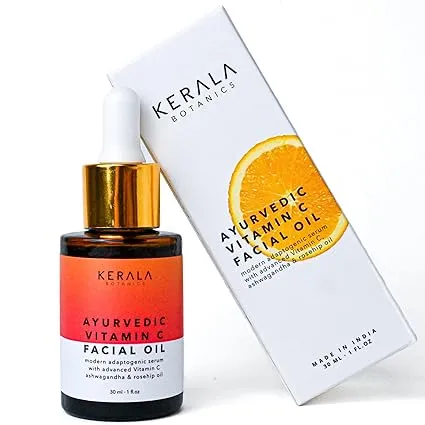
Ayurvedic Vitamin C Face Oil
Kerala Botanics
$49
★★★★☆
With retinoids: Niacinamide can actually help buffer retinoid irritation. Apply niacinamide first, wait 10-15 minutes, then apply your retinol serum. Some people prefer to use them on alternating nights initially, then work up to using both in the same routine.
With acids (AHA/BHA): No significant interactions. You can use them in the same routine or on alternating days, depending on your skin’s tolerance. If you’re using both, apply the acid first (they typically need a lower pH to work effectively), wait 15-20 minutes, then apply niacinamide.
With peptides and ceramides: These combinations are actively beneficial. Niacinamide supports barrier function, which helps other beneficial ingredients penetrate better and work more effectively.
Product Recommendations by Concentration
2-5% Niacinamide: The Gentle Approach
For beginners or sensitive skin, this concentration range provides benefits without pushing tolerance limits. CeraVe PM Facial Moisturizing Lotion contains 4% niacinamide along with ceramides and hyaluronic acid. It’s an easy way to add niacinamide to your routine without adding an extra step.
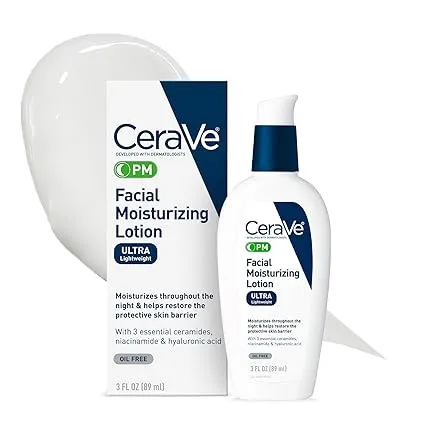
CeraVe PM Facial Moisturizing Lotion
CeraVe
$17
★★★★☆
10% Niacinamide: The Popular Choice
The Ordinary’s 10% Niacinamide + 1% Zinc made this concentration mainstream. It’s effective for oil control and works well for people who don’t experience irritation from higher percentages. The zinc adds some additional sebum-regulating benefits but can be drying.

10% Niacinamide + 1% Zinc
The Ordinary
$7
★★★★☆
Professional-Grade Options
SkinMedica’s B3 Multi-Correction Serum uses 8% niacinamide in a more sophisticated base with additional brightening and smoothing ingredients. It’s significantly more expensive but also more elegant in texture and formulation.
B3 Multi-Correction Serum
SkinMedica
$98
★★★★½
Troubleshooting Common Issues
The Niacinamide Flush
Some people experience redness or warmth after applying niacinamide. This is usually due to three factors: concentration too high for your skin, pH issues in the formulation, or conversion to niacin.
If you’re flushing, step down to a lower concentration. If that doesn’t help, the product’s pH might be off — try a different brand. The flush typically subsides within 20-30 minutes, but if it’s happening consistently, it’s a sign to adjust your approach.
Pilling and Texture Issues
Niacinamide serums can pill (form little white flakes) when layered with certain products. This is usually a formulation compatibility issue, not a skin problem. Wait longer between layers, apply thinner layers, or switch to a different format (like a niacinamide-containing moisturizer).
Not Seeing Results
Niacinamide improvements are gradual. Oil reduction typically shows up in 4-6 weeks. Hyperpigmentation improvements can take 8-12 weeks. If you’re not seeing results after three months of consistent use, consider whether your concentration is appropriate for your concerns or if you need to address other factors in your routine.
Building Niacinamide Into Your Routine
Morning Application
Niacinamide works well in morning routines because it plays nicely with sunscreen and provides some additional protection against environmental stressors. Apply after cleansing and before moisturizer and SPF. Check out our complete morning routine guide for more specific layering advice.
Evening Application
Evening use allows you to combine niacinamide with other active ingredients more easily. It also gives your skin overnight to benefit from the barrier-strengthening effects.
Frequency
Daily use is fine for most people, but start with every other day if you have sensitive skin or are using a higher concentration. You can build up to twice daily if your skin tolerates it well.
What Niacinamide Won’t Do
Despite the hype, niacinamide has limitations. It won’t dramatically change your pore size (pores don’t actually shrink, though oil reduction can make them appear smaller). It’s not a replacement for retinoids when it comes to significant anti-aging effects. And while it helps with hyperpigmentation, it’s not as potent as vitamin C, hydroquinone, or prescription options for serious discoloration.
Niacinamide is better thought of as a supportive ingredient — one that makes other ingredients work better and helps maintain healthy skin function rather than driving dramatic changes on its own.
The Bottom Line
Niacinamide deserves its reputation as a well-tolerated, research-backed ingredient. The key is using it appropriately: concentrations between 2-10%, consistent application, and realistic expectations about what it can accomplish.
For most people, a 5% niacinamide serum used daily provides the sweet spot of efficacy and tolerability. If you’re new to niacinamide, start there. If you’ve been using lower concentrations successfully and want more oil control or anti-inflammatory benefits, 10% is worth trying.
The ingredient’s real strength is its versatility and compatibility with other actives. It’s one of the few ingredients you can add to almost any routine without worrying about interactions or major side effects. That makes it a solid choice for anyone looking to improve their skin’s baseline function rather than chase dramatic transformations.