
Ingredients
Retinol vs Retinaldehyde vs Tretinoin: Which Should You Use?
Retinol, retinaldehyde, tretinoin — understand the differences, potency levels, and which retinoid fits your skin's tolerance and goals.
Disclosure — This article may contain affiliate links. We earn a small commission at no extra cost to you when you purchase through our links. This supports our ability to create independent, evidence-based skincare content.
The retinoid family is confusing on purpose. Brands throw around terms like “retinol alternative” and “gentle retinoid” without explaining what that actually means for your skin. The truth is simpler: it’s all about conversion steps and potency.
Every retinoid works the same way once it reaches your skin cells — they all convert to retinoic acid, the form your skin actually uses. The difference is how many steps that conversion takes, and how much irritation happens along the way.
How Retinoids Actually Work
Retinoic acid is what does the work — speeding up cell turnover, building collagen, clearing pores. But retinoic acid is also what causes the flaking, redness, and sensitivity we call “retinoid irritation.”
The weaker forms buffer this irritation by requiring conversion steps:
- Tretinoin = retinoic acid (no conversion needed)
- Retinaldehyde = 1 conversion step to retinoic acid
- Retinol = 2 conversion steps to retinoic acid
- Retinyl palmitate = 3+ conversion steps to retinoic acid
Each conversion step reduces both potency and irritation. The trade-off is straightforward: faster results versus gentler introduction.
Tretinoin: The Gold Standard
Tretinoin is prescription-strength retinoic acid. It’s the most studied retinoid, with decades of clinical data proving it works for acne, fine lines, and hyperpigmentation.
The upside is effectiveness — tretinoin delivers results faster and more dramatically than any over-the-counter option. The downside is the adjustment period, which can last 6-12 weeks and involves significant peeling and irritation.
Who Should Use Tretinoin
Tretinoin makes sense if we have specific concerns that need addressing quickly, or if we’ve already built tolerance to gentler retinoids and want to step up. It’s particularly effective for stubborn acne and deeper signs of aging.
The prescription requirement means seeing a dermatologist, but many providers now offer online consultations. Generic tretinoin costs about $30-50 with insurance.
Starting Tretinoin
Begin with the lowest strength (0.025%) and use it every third night for the first month. Buffer irritation by applying it over moisturizer — this slows absorption slightly but makes the adjustment much more manageable.
Expect purging in weeks 2-6, where existing breakouts surface faster. This is normal and temporary, but it’s why tretinoin isn’t ideal right before important events.
Retinaldehyde: The Middle Ground
Retinaldehyde (also called retinal) sits between tretinoin and retinol in potency. It converts to retinoic acid in one step, making it more effective than retinol but gentler than tretinoin.
The main advantage is faster results with less irritation. Studies show retinaldehyde can improve fine lines and skin texture within 12 weeks, compared to 16-24 weeks for similar-strength retinol.
Who Should Use Retinaldehyde
Retinaldehyde works well for people who want tretinoin-like results but can’t handle the prescription strength, or who’ve maxed out their retinol tolerance and want to step up without jumping to tretinoin.
It’s also a good choice for sensitive skin that still wants anti-aging benefits, since the conversion process is shorter but not completely direct.
Finding Quality Retinaldehyde
Retinaldehyde is less stable than retinol, so packaging matters. Look for products in airless pumps or tubes, and avoid clear bottles. Avène makes one of the most studied retinaldehyde serums, though it comes with a higher price point.
Intense Renewal Serum
Avène
$62
★★★★☆
Retinol: The Beginner Option
Retinol is the most common over-the-counter retinoid. It requires two conversion steps to become retinoic acid, which makes it the gentlest option but also the slowest to show results.
The benefit is accessibility — retinol is available everywhere, from drugstore brands to luxury lines. The adjustment period is usually mild, with minimal peeling if introduced gradually.
Retinol Strengths Explained
Over-the-counter retinol comes in concentrations from 0.25% to 2%. But these percentages don’t translate directly to effectiveness, since formulation and delivery systems vary widely.
A well-formulated 0.5% retinol can outperform a poorly formulated 1% version. Look for products that mention stabilization technology or encapsulation, which help the retinol survive until it reaches your skin.
Starting With Retinol
Begin with 0.25-0.5% strength and use it twice weekly for the first month. Gradually increase to every other night, then nightly if your skin tolerates it well.
Most people see improvements in skin texture within 8-12 weeks, with fine lines and tone evening out over 6 months of consistent use.
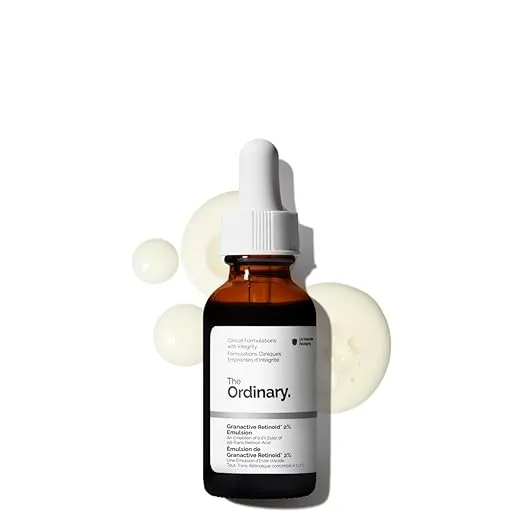
Granactive Retinoid 2% Emulsion
The Ordinary
$9
★★★★☆
Alternative Options: When Retinoids Aren’t Right
Not everyone can use retinoids. Pregnancy, breastfeeding, extremely sensitive skin, or certain medical conditions make traditional retinoids off-limits. There are effective alternatives.
Bakuchiol: The Plant-Based Option
Bakuchiol delivers retinol-like benefits through a different mechanism. It’s derived from the psoralea corylifolia plant and works by stimulating collagen production without the cell turnover acceleration that causes retinoid irritation.
Studies show bakuchiol can improve fine lines and firmness over 12 weeks, though the effects are generally milder than tretinoin. The major advantage is zero irritation and compatibility with pregnancy.
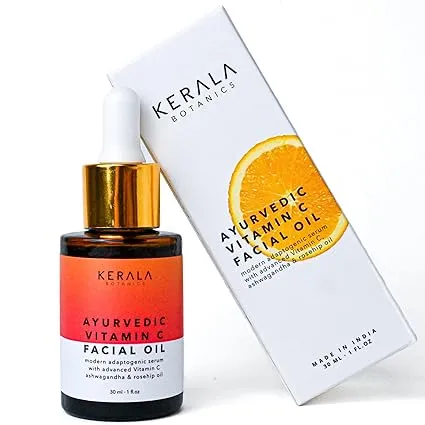
Ayurvedic Vitamin C Face Oil
Kerala Botanics
$49
★★★★☆
Alpha Hydroxy Acids
AHAs like glycolic and lactic acid provide some of retinol’s skin-smoothing benefits through chemical exfoliation. They’re particularly effective for surface-level concerns like rough texture and mild hyperpigmentation.
The limitation is that AHAs work primarily on the skin’s surface, while retinoids work deeper to stimulate collagen and normalize cell function. For comprehensive anti-aging, retinoids remain superior.
Choosing Your Retinoid: A Practical Framework
The right retinoid depends on your skin’s current state, tolerance level, and timeline for results.
Start Here If You’re New to Retinoids
Begin with retinol 0.25-0.5% or retinaldehyde if budget allows. Use it twice weekly for a month, then increase frequency based on tolerance. Give it 12 weeks before deciding effectiveness.
This approach builds tolerance gradually while letting you assess how your skin responds to the retinoid mechanism.
Step Up If You’ve Plateaued
If you’ve been using retinol consistently for 6+ months without irritation, and want better results, consider retinaldehyde or prescription tretinoin.
The plateau usually happens because your skin has adapted to the current strength. Moving up the potency ladder restarts the improvement process.
Go Straight to Tretinoin If
You have specific dermatological concerns (moderate acne, significant sun damage, deeper lines), access to a dermatologist, and can commit to the adjustment period.
Tretinoin makes sense when we need clinical-strength results and have the support to manage the initial irritation properly.
Integration With Your Existing Routine
Retinoids play well with most ingredients, but timing and layering matter. Use retinoids in your evening routine only — they break down in sunlight and increase photosensitivity.
What to Use Together
- Moisturizers: Apply retinoids over or under moisturizer based on tolerance
- Hyaluronic acid: Helps counteract retinoid dryness — use before or after
- Niacinamide: Can help reduce retinoid irritation when used together
- Peptides: Work well in morning routines to complement retinoid benefits
What to Separate
- Vitamin C: Use vitamin C serums in your morning routine and retinoids at night
- AHAs/BHAs: Alternate nights to avoid over-exfoliation
- Benzoyl peroxide: Can deactivate retinoids — use in morning if needed
Always follow retinoid use with broad-spectrum SPF during the day. Retinoids increase sun sensitivity for several weeks after starting.
Managing Side Effects
The most common retinoid side effects — dryness, peeling, redness — are usually temporary and manageable with the right approach.
The Sandwich Method
Apply retinoids between two layers of moisturizer to buffer irritation while maintaining effectiveness. This technique lets you use stronger formulations or increase frequency without overwhelming your skin.
Reducing Frequency Temporarily
If irritation becomes uncomfortable, drop back to every third night until your skin calms down, then gradually increase again. Consistent low-level use beats sporadic high-level use that causes reactions.
When to Stop
Severe burning, persistent redness that doesn’t improve after 2 weeks, or signs of allergic reaction (swelling, hives) mean stopping immediately and potentially consulting a dermatologist.
Normal retinoid adjustment involves some flaking and mild sensitivity. Severe reactions are not part of the normal process.
Long-Term Strategy: Building Tolerance Over Years
Think of retinoid use as a long-term investment, not a quick fix. Building tolerance gradually lets you eventually use stronger formulations with minimal irritation.
Many dermatologists recommend this progression over 2-3 years:
- Start with retinol 0.25-0.5% for 6-12 months
- Move to retinaldehyde or retinol 1% for another year
- Consider prescription tretinoin for long-term maintenance
This approach maximizes benefits while minimizing the adjustment periods that cause people to quit retinoids entirely.
The Bottom Line
Retinoids work, but the type you choose should match your skin’s current tolerance and your patience for results. Tretinoin delivers the fastest improvements but requires the most commitment. Retinol offers the gentlest introduction but takes longer to show effects. Retinaldehyde splits the difference.
Most people do best starting with retinol and building up, rather than jumping to the strongest option and dealing with excessive irritation. The goal is consistent long-term use, not pushing through a miserable adjustment period.
Whatever you choose, give it time. Retinoids are a marathon ingredient — the real benefits show up after months of consistent use, not weeks.