
Anti-Aging
Bakuchiol vs Retinol: Does the Plant-Based Alternative Actually Work?
What the science says about bakuchiol vs retinol for anti-aging. We break down the 2018 study that started it all plus who should actually make the switch.
Disclosure — This article may contain affiliate links. We earn a small commission at no extra cost to you when you purchase through our links. This supports our ability to create independent, evidence-based skincare content.
Your dermatologist says retinol. Your pregnancy-safe beauty guru says bakuchiol. The internet says they’re basically the same thing. So what’s actually true?
Here’s the deal: bakuchiol isn’t retinol in a plant costume. It’s a completely different molecule that happens to produce some similar results. Whether that matters for your skin depends on what you’re trying to fix and what you can tolerate. Let me break down what four years of testing (and way too much research) taught me.
What Is Bakuchiol, Really?
Bakuchiol comes from the seeds and leaves of the Psoralea corylifolia plant, which has been used in traditional Chinese medicine for centuries. But don’t let the ancient origins fool you — serious bakuchiol research only started around 2014.
The molecule looks nothing like retinol under a microscope. Retinol is a vitamin A derivative that directly activates retinoic acid receptors in your skin cells. Bakuchiol works through completely different pathways — it stimulates collagen production and reduces inflammation without touching those vitamin A pathways at all.
This matters because it means bakuchiol won’t give you the classic retinol side effects. No peeling, no redness, no photosensitivity. But it also means the results aren’t going to be identical.
The Science: What We Actually Know
The 2018 Study That Started Everything
The study everyone references was published in the British Journal of Dermatology. Researchers compared 0.5% bakuchiol cream (applied twice daily) to 0.025% retinol cream (once at night) over 12 weeks.
The results? Both groups saw similar improvements in fine lines and skin firmness. Both increased collagen production. The bakuchiol group had zero irritation; the retinol group had the usual suspects — redness, scaling, stinging.
Sounds amazing, right? Here’s what the study didn’t tell you: they used a pretty low concentration of retinol (0.025%) and applied it only once daily. Most people using retinol for anti-aging work up to higher concentrations over time.
Follow-Up Research
A 2019 study looked at bakuchiol combined with other actives (including vitamin C) and found enhanced anti-aging effects. This is actually significant because retinol notoriously doesn’t play well with vitamin C — you typically have to use them at different times of day.
A 2021 study found that bakuchiol helped with melasma and hyperpigmentation, though not as dramatically as prescription tretinoin.
What’s Still Missing
We need longer studies. Twelve weeks is a good start, but retinol’s benefits become more obvious after six months to a year of consistent use. We also need head-to-head comparisons with higher-strength retinoids.
The research base for bakuchiol is promising but thin. Retinol has decades of clinical data behind it.
How They Actually Compare
Anti-Aging Results
Retinol: Clinically proven to reduce fine lines, wrinkles, age spots, and rough texture. Increases cell turnover, builds collagen, and improves skin thickness. The gold standard for a reason.
Bakuchiol: Shows promise for fine lines and collagen production. Less dramatic results but also less irritation. Think of it as retinol’s gentler cousin who went to yoga teacher training.
Winner: Retinol, but bakuchiol is a solid runner-up.
Acne Treatment
Retinol: Unclogs pores, reduces inflammation, prevents new breakouts. Prescription-strength retinoids are dermatologists’ first-line acne treatment.
Bakuchiol: Has anti-inflammatory properties that might help with acne, but there’s minimal research here. One small study showed promise, but nothing definitive.
Winner: Retinol by a mile.
Hyperpigmentation
Retinol: Excellent for fading dark spots, melasma, and post-inflammatory hyperpigmentation. Speeds up cell turnover to reveal fresh, evenly-toned skin.
Bakuchiol: Some evidence for melasma improvement, but results are slower and less dramatic.
Winner: Retinol.
Gentleness and Compatibility
Retinol: Can cause irritation, especially when starting out. Makes skin more photosensitive. Doesn’t pair well with vitamin C, AHAs, or benzoyl peroxide.
Bakuchiol: Gentle enough for morning and evening use. No photosensitivity. Plays well with other actives, including vitamin C.
Winner: Bakuchiol.
When to Choose Bakuchiol
You’re Pregnant or Breastfeeding
This is the clearest use case. Retinoids are off-limits during pregnancy and breastfeeding, but bakuchiol appears to be safe. (Always check with your doctor, but current evidence suggests no concerns.)
Your Skin Hates Retinol
If you’ve tried multiple retinol products and consistently get irritation, bakuchiol might be your answer. Some people never build retinol tolerance, no matter how slowly they start.
You Want to Use Vitamin C in the Same Routine
Bakuchiol pairs beautifully with vitamin C — they actually enhance each other’s effects. If you don’t want the hassle of separating your vitamin A and vitamin C, bakuchiol gives you more flexibility.
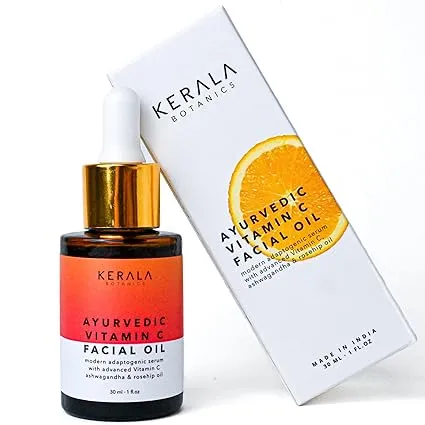
Ayurvedic Vitamin C Face Oil
Kerala Botanics
$49
★★★★☆
This is actually one of the smartest ways to get bakuchiol — combined with vitamin C in an oil format. You’re getting both actives in one step, and the oil format means you can skip a separate moisturizer if your skin doesn’t need extra hydration.
You Prefer Natural Ingredients
If clean, plant-based beauty is important to you, bakuchiol fits that philosophy better than synthetic retinol. Just remember that “natural” doesn’t automatically mean better or more effective.
When to Choose Retinol
You Want Maximum Results
For serious anti-aging concerns — deep wrinkles, significant sun damage, stubborn acne — retinol is still the most effective option. The clinical evidence is overwhelming.
You Have Acne-Prone Skin
If breakouts are your main concern, retinol addresses multiple causes: clogged pores, inflammation, and bacterial overgrowth. Bakuchiol’s anti-acne effects are theoretical at this point.
You’re Patient with Skin Adaptation
If you can tolerate the initial adjustment period and don’t mind building up slowly, retinol offers better long-term results. Most people see significant improvement after six months of consistent use.
For beginners, I recommend starting with our best drugstore retinol picks — they’re gentler and less expensive while you figure out your tolerance.
Product Recommendations
Best Bakuchiol Serum
Bakuchiol Serum
Herbivore
$54
★★★★☆
This was my gateway bakuchiol product. Clean formula, good concentration, and it actually absorbs quickly. I use it in the morning with vitamin C — something I could never do with retinol.
Best Retinol for Comparison
Retinol Reform Treatment Serum
Shani Darden
$95
★★★★☆
If you want to compare results head-to-head, this is my benchmark retinol serum. Gentle enough for beginners but effective enough that you’ll see real changes in 8-12 weeks.
For budget-conscious testing, grab Differin Gel from Amazon — it’s $15 and actually stronger than most over-the-counter retinols.

Differin Gel
Differin
$15
★★★★☆
How to Use Each One
Bakuchiol Application
Start with 2-3 times per week and work up to daily use (morning or evening). It pairs well with vitamin C, niacinamide, and hyaluronic acid. No need for a slow introduction — most people tolerate it immediately.
Check our complete morning skincare routine for layering tips if you want to use bakuchiol during the day.
Retinol Application
Always start at night, 2-3 times per week max. Use a pea-sized amount on clean, dry skin. Wait 20 minutes before applying moisturizer. Work up to nightly use over 2-3 months.
Never use retinol with vitamin C, AHAs, or benzoyl peroxide on the same night. Always use sunscreen during the day — retinol makes you more photosensitive.
Our complete evening skincare routine guide covers the full protocol for incorporating retinol safely.
Can You Use Both?
Technically yes, but it’s probably overkill. Use bakuchiol in the morning and retinol at night, or alternate nights. But honestly, if you can tolerate retinol, there’s not much benefit to adding bakuchiol on top.
The one exception: if you’re using a combination product like the Kerala Botanics oil that includes both bakuchiol and vitamin C. That’s actually smart formulating because the vitamin C enhances the bakuchiol’s effects.
The Bottom Line
Bakuchiol isn’t “natural retinol” — it’s its own thing. It works through different pathways and gives you different results. For gentle anti-aging with maximum ingredient compatibility, it’s excellent. For serious skin concerns, retinol is still king.
My take? Try bakuchiol if you’re pregnant, sensitive to retinol, or want to use vitamin C in the same routine. Stick with retinol if you want maximum anti-aging results and can handle the adjustment period.
Both have earned their place in the skincare lineup. You just need to match the ingredient to your skin goals and tolerance level. And honestly, that’s what good skincare is all about — finding what actually works for you, not what works for the internet.
For more ingredient comparisons that actually matter, check out niacinamide vs vitamin C and our breakdown of retinol vs retinaldehyde vs tretinoin.