
Ingredients
Niacinamide vs Vitamin C: Can You Use Them Together?
The truth about mixing niacinamide and vitamin C — plus why the layering myth persists and how to combine them without irritation.
Disclosure — This article may contain affiliate links. We earn a small commission at no extra cost to you when you purchase through our links. This supports our ability to create independent, evidence-based skincare content.
The skincare internet loves a good controversy. For years, the rule was simple: never mix niacinamide and vitamin C. They’d cancel each other out, cause flushing, maybe even form niacin and turn your face red. The problem? Most of this is based on decade-old research that doesn’t apply to modern formulations.
Here’s what the science actually says about using these two powerhouse ingredients together — and why the format of your vitamin C matters more than you think.
The Origin of the Niacinamide-Vitamin C Myth
The fear started with legitimate chemistry. In laboratory conditions, niacinamide can convert to niacin (nicotinic acid) in the presence of vitamin C, especially at high temperatures and low pH. Niacin causes flushing — that warm, red-faced feeling you get from B-vitamin supplements.
But there’s a gap between lab conditions and your bathroom counter. The conversion requires sustained heat and very acidic conditions (pH below 4). Most vitamin C serums sit between pH 3.5-4, and your skin’s surface pH is around 5.5. At room temperature, the reaction is minimal.
The bigger issue was timing. Early vitamin C formulations were notoriously unstable, and niacinamide products often had pH problems. Mixing unstable formulas was asking for trouble — not because of dangerous interactions, but because neither ingredient would work well.
What Modern Research Shows
A 2022 study in the Journal of Cosmetic Dermatology tested niacinamide and L-ascorbic acid combinations at various concentrations and pH levels. The result? At skin-relevant pH (4.5-6) and room temperature, the conversion to niacin was less than 2% over 24 hours.
More importantly, multiple clinical studies have tested combined formulations without reporting significant flushing or irritation beyond what you’d expect from vitamin C alone. If the interaction were as problematic as claimed, these studies would have noted it.
The dermatology consensus has shifted accordingly. Most dermatologists now consider niacinamide and vitamin C compatible, with some caveats around formulation and application method.
The Real Compatibility Factors
pH Matters More Than Mixing
The biggest compatibility factor isn’t whether you use both ingredients — it’s the pH of your vitamin C product. L-ascorbic acid serums need to be acidic to remain stable and penetrate skin effectively. That acidity is what can convert small amounts of niacinamide to niacin.
If you’re prone to flushing or have sensitive skin, the issue isn’t the combination itself. It’s using a very acidic vitamin C serum (pH 3.5 or lower) immediately followed by niacinamide. The flush usually happens within 10-15 minutes and fades within an hour.
Concentration and Formulation Quality
High-quality niacinamide formulations include pH buffering to prevent conversion to niacin. Cheap formulations skip this step. Similarly, well-formulated vitamin C serums maintain stable pH and include ingredients that minimize skin irritation.
The combination of a poorly formulated, highly acidic vitamin C serum with an unbuffered niacinamide product is where problems arise. Both ingredients work fine individually, but together they create conditions for the conversion reaction.
Your Skin’s Tolerance Level
Some people flush easily from niacin — the same people who turn red from B-complex supplements. If that’s you, the small amount of niacin from converted niacinamide might be noticeable. For most people, the conversion is too minimal to cause visible flushing.
How to Layer Niacinamide and Vitamin C
Option 1: Same Routine, Proper Timing
Apply vitamin C first (always goes on clean skin for maximum penetration). Wait 15-20 minutes for it to absorb and for your skin’s pH to normalize slightly. Then apply niacinamide.
The wait time isn’t just about pH — it ensures the vitamin C has time to penetrate before you layer other products on top. This method works well with L-ascorbic acid serums that need that acidic environment to function.
Option 2: Split Between Morning and Evening
Use vitamin C in your morning routine and niacinamide in your evening routine. This completely eliminates any interaction while giving both ingredients optimal conditions to work.
Vitamin C pairs naturally with sunscreen for antioxidant protection during the day. Niacinamide works well in evening routines, especially if you’re using other active ingredients that benefit from its anti-inflammatory properties.
Option 3: Look for Stable Vitamin C Formats
This is where format becomes crucial. L-ascorbic acid isn’t the only form of vitamin C, and alternative formats often play better with other ingredients.
Magnesium ascorbyl phosphate, sodium ascorbyl phosphate, and ascorbyl glucoside are all stable vitamin C derivatives that work at higher pH levels. They’re less potent than L-ascorbic acid but also less likely to cause interactions or irritation.
Magnesium Ascorbyl Phosphate 10%
The Ordinary
$9
★★★★☆
Oil-Based Vitamin C: A Different Approach
Oil-based vitamin C formulations sidestep the pH issue entirely. Instead of L-ascorbic acid in an acidic serum, they use oil-soluble vitamin C derivatives or advanced delivery systems that don’t require low pH for stability.
The Kerala Botanics Ayurvedic Vitamin C Face Oil uses an advanced form of vitamin C that stays active in skin cells up to 80 times longer than standard L-ascorbic acid serums, without the acidic environment that can trigger niacinamide conversion. The oil format also includes bakuchiol (a plant-based retinol alternative), making it a multitasking option for simplified routines.
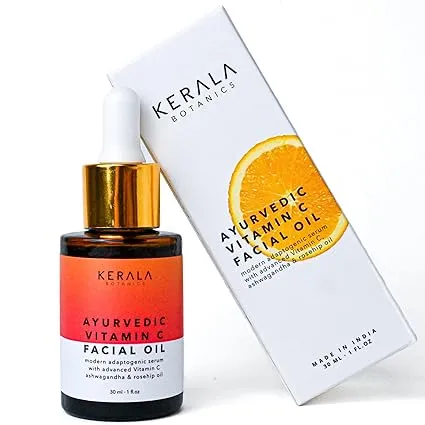
Ayurvedic Vitamin C Face Oil
Kerala Botanics
$49
★★★★☆
Oil-based formulations can be applied simultaneously with niacinamide products without the waiting period required for acidic serums. The oil format also provides additional benefits for dry or mature skin that might find traditional vitamin C serums too drying.
When You Might Actually Have Problems
True Vitamin C Sensitivity
Some people genuinely can’t tolerate L-ascorbic acid serums, regardless of what they layer with. If vitamin C alone causes irritation, adding niacinamide won’t help — and might make things worse by adding another variable.
Start with vitamin C by itself for at least two weeks before adding niacinamide to the routine. This way you’ll know which ingredient is causing problems if irritation occurs.
Over-Exfoliation from Multiple Actives
The real risk isn’t niacinamide and vitamin C interacting — it’s using too many active ingredients at once. If your routine includes vitamin C, niacinamide, retinol, AHA/BHA acids, and other actives, the issue is probably over-treatment rather than specific ingredient conflicts.
Our guide to layering skincare products covers how to introduce multiple actives without overwhelming your skin barrier.
Product Pilling and Texture Issues
Niacinamide products can pill when layered with certain serums, especially thicker formulations. This isn’t a chemical incompatibility — it’s a texture issue. The products form little balls when rubbed together instead of absorbing smoothly.
To avoid pilling, use thin layers, allow proper absorption time between steps, and pat products in rather than rubbing. If pilling persists, try using the ingredients at different times of day.
Choosing Products That Work Together
For L-Ascorbic Acid Vitamin C
If you want to stick with L-ascorbic acid (the most researched form), look for serums with pH around 4 rather than 3.5 or lower. SkinCeuticals C E Ferulic sits at pH 3.5, which is effective but more likely to cause interactions than slightly higher pH formulations.
C E Ferulic
SkinCeuticals
$182
★★★★½
For alternatives that offer similar benefits with less interaction risk, check our guide to the best alternatives to SkinCeuticals C E Ferulic.
For Niacinamide Products
Choose niacinamide serums with proper pH buffering. The Ordinary’s Niacinamide 10% + Zinc is affordable and well-formulated, but the 10% concentration can be too high for sensitive skin when combined with acidic vitamin C.
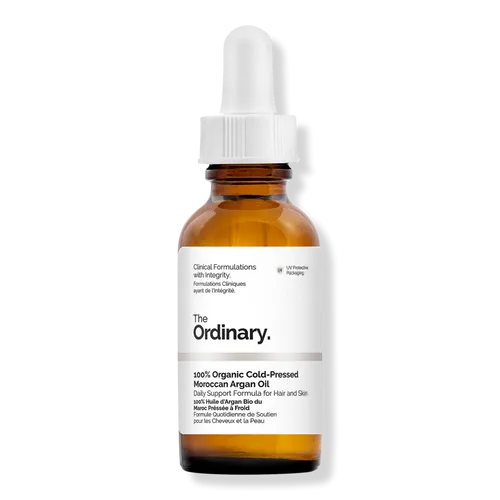
Niacinamide 10% + Zinc 1%
The Ordinary
$7
★★★★☆
For more detailed guidance on niacinamide concentrations and formulations, see our complete guide to niacinamide.
Signs of Successful Combination
What Normal Looks Like
When niacinamide and vitamin C are working well together, you should see gradual improvements in skin texture, tone, and overall clarity over 6-8 weeks. Some people notice less oiliness within the first few weeks (from niacinamide) and increased brightness over time (from vitamin C).
Neither ingredient provides dramatic overnight results. Vitamin C works by protecting against daily damage and gradually improving sun damage over months. Niacinamide regulates oil production and strengthens the skin barrier — effects that build over time.
Red Flags to Watch For
Persistent redness, stinging, or burning that doesn’t fade within 20-30 minutes after application suggests actual irritation rather than normal adjustment. This could be from either ingredient individually or from using too many actives at once.
Increased breakouts in the first month might indicate clogged pores from heavy formulations or a damaged moisture barrier from over-treatment. Scale back to one active ingredient and reintroduce slowly.
The Bottom Line
You can absolutely use niacinamide and vitamin C together. The key is choosing compatible formulations and applying them correctly. The old warnings were based on theoretical chemistry that doesn’t reflect real-world usage with modern products.
For most people, the easiest approach is using vitamin C in the morning and niacinamide at night. This eliminates any interaction concerns while giving both ingredients optimal conditions to work. If you prefer using both in the same routine, allow 15-20 minutes between applications and choose well-formulated products.
The choice between oil-based and water-based vitamin C comes down to personal preference and skin type. Water-based L-ascorbic acid serums have the most clinical evidence but require more careful layering. Oil-based formulations offer convenience and additional moisturizing benefits but may feel too heavy for oily skin types.
Whatever combination you choose, introduce one ingredient at a time and give your skin at least a month to adjust before making changes. Both niacinamide and vitamin C are marathon ingredients — their benefits build over time rather than appearing overnight.