
Routines
How to Layer Skincare: The Order That Actually Matters
Skip the 10-step confusion. Here's the actual science behind skincare layering order — thin to thick, water before oil, pH matters.
Disclosure — This article may contain affiliate links. We earn a small commission at no extra cost to you when you purchase through our links. This supports our ability to create independent, evidence-based skincare content.
Most skincare layering advice treats your face like a chemistry lab. Apply this serum for exactly 90 seconds. Wait three minutes between steps. Never mix vitamin C with retinol or your skin will melt off.
The reality is simpler. Effective layering follows three basic principles: thin products before thick ones, water-based before oil-based, and pH-sensitive actives need breathing room. That’s it. The rest is marketing trying to sell you more steps.
After testing hundreds of combinations over six years of formulating products, we’ve learned that proper layering matters — but not for the reasons most guides claim. It’s about absorption and efficacy, not some mystical ingredient synergy chart.
Why Order Actually Matters
Product layering isn’t about following ancient skincare wisdom. It’s physics and chemistry working together.
Molecular size determines penetration. Small molecules (like vitamin C or salicylic acid) need a clear path through your skin barrier. Layer a heavy cream first, and you’ve created a barrier that blocks smaller actives from reaching their target depth. It’s like trying to pour water through a layer of oil — the physics don’t work.
Solubility affects absorption. Water-based serums can’t penetrate through oil-based products effectively. This isn’t a hard rule — some oil-soluble actives can work through light oils — but it explains why your expensive vitamin C serum feels useless when applied over a thick moisturizer.
pH sensitivity is real for some actives. Vitamin C (L-ascorbic acid) works best at pH 3.5 or lower. Salicylic acid needs pH 3-4. If you layer these over a product with pH 7, you’re not creating dangerous interactions — you’re just reducing their effectiveness.
The “never mix” rules you see online are mostly overcautious. Your skin won’t fall off if you accidentally layer niacinamide with vitamin C. The worst that happens is reduced efficacy and maybe some flushing.
The Basic Framework: Thin to Thick
Start with your thinnest product and work toward the thickest. This isn’t complicated.
Morning order:
- Cleanser
- Toner (if using)
- Serums (thinnest first)
- Moisturizer
- Sunscreen
Evening order:
- Cleanser (double cleanse if wearing makeup/sunscreen)
- Toner (if using)
- Treatment products/actives
- Serums
- Moisturizer
- Face oil (if using)
The key is texture, not product category. A lightweight moisturizer goes before a thick serum. A watery essence goes before a gel moisturizer. Let your products guide you — if something feels wrong to layer, it probably is.
For a complete breakdown of morning routines, check our complete morning skincare routine guide which covers timing and product combinations in detail.
Water-Based vs Oil-Based Products
This distinction matters more than most people realize. Water and oil don’t mix — basic chemistry applies to your face too.
Water-based products feel lightweight, absorb quickly, and usually list water (aqua) as the first ingredient. Most serums, essences, and gel moisturizers fall here. These need to go on clean skin or over other water-based products.
Oil-based products feel richer, take longer to absorb, and create a protective barrier on skin. Face oils, oil cleansers, and many heavy creams fit this category. These should generally go last in your routine.
The exception: some modern formulations use emulsifiers to blend water and oil phases effectively. These can work over water-based products, but it depends on the specific formulation.
Here’s where it gets interesting — you don’t always need separate oil and water phases. Some products combine both effectively.
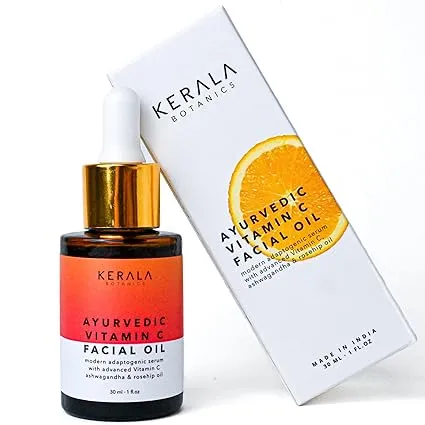
Ayurvedic Vitamin C Face Oil
Kerala Botanics
$49
★★★★☆
This oil format delivers vitamin C in a stable, oil-soluble form that doesn’t require the typical water-based serum approach. It replaces both your vitamin C step and moisturizer, simplifying the whole layering question. The inclusion of bakuchiol (a plant-based retinol alternative) makes it a genuine multitasker for evening routines.
pH-Sensitive Actives: When Order Really Matters
Most ingredients are pH-flexible. Niacinamide, peptides, and hyaluronic acid work fine across a wide pH range. But some actives are pickier.
Low pH actives (vitamin C, AHA, BHA) work best in acidic conditions:
- Vitamin C (L-ascorbic acid): pH 3.5 or lower
- Glycolic acid: pH 3-4
- Salicylic acid: pH 3-4
Higher pH actives prefer neutral to slightly alkaline conditions:
- Benzoyl peroxide: pH 5-7
- Some peptides: pH 6-7
The practical rule: if you’re using a low pH active, apply it to clean skin first. Don’t layer it over products with higher pH values — you’ll raise the pH and reduce effectiveness.
But here’s what most guides miss — this only matters for a few specific ingredients. You don’t need to pH test every product in your routine. Focus on the actives that actually require specific pH ranges.
For more details on specific acid treatments, our salicylic acid vs benzoyl peroxide guide covers pH considerations for acne actives.
Common Layering Mistakes That Actually Matter
Mixing incompatible textures. Oil-based serums over water-based moisturizers create a slippery mess that pills under makeup. Stick to the thin-to-thick rule within each product type.
Rushing between steps. You don’t need to wait 20 minutes between products, but give water-based serums 30-60 seconds to absorb before applying the next layer. Rushing creates pilling and reduces absorption.
Over-layering actives. More isn’t better. Using vitamin C, retinol, and an AHA in the same routine doesn’t triple your results — it often reduces them through interference and irritation.
Ignoring your skin’s feedback. If products consistently pill, feel sticky, or cause irritation when layered together, trust your skin over any guide. Some combinations work on paper but not in practice.
Applying sunscreen too early. Sunscreen needs to form an even film on skin to work properly. Apply it last in your morning routine and let it set before makeup.
Morning Routine: Keep It Simple
Morning routines should be streamlined. You need cleansing, protection, and maybe one active. Save the complex treatments for evening.
Basic morning order:
- Gentle cleanser
- Vitamin C serum (optional)
- Moisturizer
- Sunscreen
If using multiple serums, apply them thinnest to thickest. A hyaluronic acid serum (watery) goes before a peptide serum (gel-like) which goes before moisturizer.
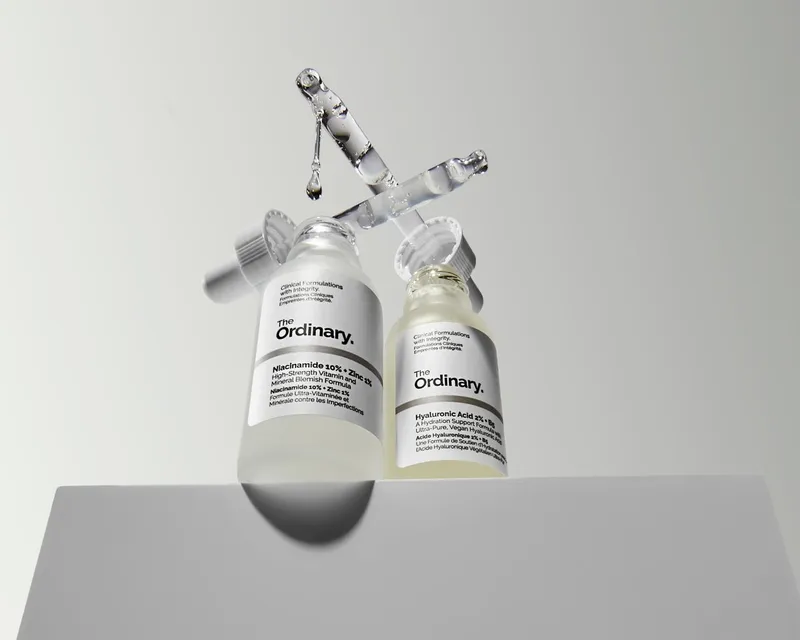
Hyaluronic Acid 2% + B5
The Ordinary
$9
★★★★☆
This lightweight, water-based serum exemplifies proper morning layering — it absorbs quickly, plays well with other products, and doesn’t interfere with sunscreen application.
For vitamin C options that work well in morning routines, see our comprehensive vitamin C serum guide which includes stability and layering considerations.
Sunscreen always goes last. This isn’t negotiable. SPF needs direct contact with skin to form a protective barrier. Applying moisturizer or makeup over sunscreen reduces coverage.
Anthelios Melt-In Milk Sunscreen SPF 60
La Roche-Posay
$36
★★★★☆
The formula absorbs cleanly without pilling over serums or moisturizers, making it reliable for layered morning routines. Our full review of this sunscreen covers its compatibility with different product combinations.
Evening Routine: When to Layer Actives
Evening is when you can be more strategic with layering. Your skin repairs itself overnight, making it the ideal time for treatment products.
Basic evening framework:
- Double cleanse (if wearing makeup/sunscreen)
- Active treatments (retinol, acids)
- Hydrating serums
- Moisturizer
- Face oil (optional)
Active placement matters. Retinoids and acids work best on clean skin. Apply them early in your routine, then layer hydrating and moisturizing products over them.
The “sandwich method” works well for sensitive skin — apply a thin layer of moisturizer, then your active, then more moisturizer. This reduces irritation while maintaining efficacy.
Our complete evening skincare routine guide provides detailed timing and combinations for different skin types.
Retinoid considerations: These are your most important evening active. Apply retinol or tretinoin to clean, dry skin, wait 10-15 minutes, then follow with moisturizer. Don’t mix retinoids with AHA/BHA acids in the same routine — alternate nights instead.
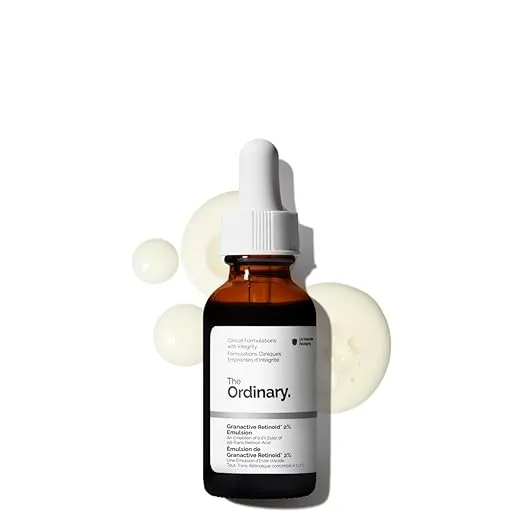
Granactive Retinoid 2% Emulsion
The Ordinary
$10
★★★★☆
This gentler retinoid alternative layers well with other products and causes less irritation than traditional retinol, making it easier to incorporate into multi-step routines.
For a detailed comparison of retinoid options, check our retinol vs retinaldehyde vs tretinoin guide.
Moisturizer Placement: Not Always Last
The “moisturizer always goes last” rule has exceptions. Sometimes you want products applied over your moisturizer for better results.
Face oils go after moisturizer. Oil creates an occlusive barrier that locks in hydration. Apply your moisturizer first, then seal it in with a few drops of face oil.
Some actives work over moisturizer. Benzoyl peroxide and tretinoin can be applied over moisturizer to reduce irritation. This “buffering” technique reduces penetration slightly but improves tolerance.
Occlusive treatments go last. Products with petrolatum, dimethicone, or heavy plant butters create a barrier layer. These should be your final step.
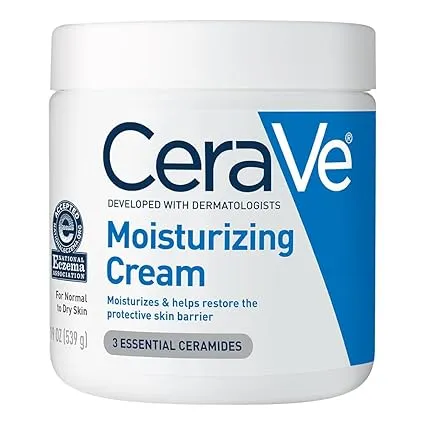
Moisturizing Cream
CeraVe
$19
★★★★½
This classic moisturizer contains ceramides and hyaluronic acid in a creamy base that layers well under face oils or occlusive treatments. Our detailed CeraVe Moisturizing Cream review covers its performance in different routine positions.
Special Cases: When Rules Don’t Apply
Some products break the standard layering rules by design.
Treatment oils often contain active ingredients that work differently than face oils. Some vitamin C oils, for example, can be applied earlier in routines because the active is already oil-soluble.
Hybrid products combine multiple steps. BB creams with SPF replace both moisturizer and sunscreen. Tinted moisturizers with acids provide both hydration and exfoliation.
Prescription treatments sometimes have specific application instructions that override general layering rules. Always follow dermatologist guidance over generic advice.
Climate considerations matter too. Humid environments let you get away with thinner layers and different orders. Dry climates might require heavier products applied earlier than usual.
Troubleshooting Common Problems
Products pilling: Usually caused by applying too much product or not waiting between steps. Reduce amounts and give each layer 30-60 seconds to absorb.
Makeup sliding off: Your moisturizer or sunscreen is too heavy or hasn’t absorbed. Switch to lighter formulas or wait longer before applying makeup.
Stinging or irritation: You’re likely over-layering actives or applying them in the wrong order. Simplify your routine and introduce products gradually.
Products feel ineffective: Check your layering order. Heavy products applied before light ones can block absorption. Also consider pH interactions — acids may be getting neutralized by higher pH products.
The 3-Step Reality Check
Despite what social media suggests, most people don’t need 10-step routines. A well-formulated three-step routine often outperforms a poorly layered complex one.
Morning minimum:
- Cleanser
- Moisturizer with SPF (or separate sunscreen)
- That’s it
Evening minimum:
- Cleanser
- Treatment (retinoid or active)
- Moisturizer
Add products only if they solve specific skin concerns. More steps aren’t automatically better — they’re just more opportunities to mess up the layering.
Putting It All Together
Effective skincare layering isn’t about memorizing complex charts or waiting precise intervals between steps. It’s about understanding three principles: molecular size (thin to thick), solubility (water before oil), and pH requirements for specific actives.
Start with the simplest routine that addresses your skin concerns. Add products gradually and pay attention to how they layer together. If something pills, stings, or feels wrong, trust your skin’s feedback over any guide.
The goal isn’t perfect layering — it’s consistent use of effective products in a sensible order. A simple routine you actually follow beats a perfect routine you abandon after two weeks.
Most importantly, remember that layering is just one piece of skincare success. Product quality, consistency, and matching products to your skin type matter more than getting every detail of application order perfect.