
Routines
Chemical vs Physical Exfoliation: A No-Nonsense Guide
The real difference between chemical and physical exfoliation, which one works better, and how to avoid wrecking your skin barrier.
Disclosure — This article may contain affiliate links. We earn a small commission at no extra cost to you when you purchase through our links. This supports our ability to create independent, evidence-based skincare content.
Here’s the thing about exfoliation: everyone’s doing it wrong. Either they’re scrubbing their face raw with apricot kernels or drowning their skin in acids every single night. Neither approach is great.
The confusion makes sense. Chemical vs physical exfoliation isn’t just about choosing between a scrub and a liquid — it’s about understanding how your skin actually works, what it needs, and when aggressive marketing is leading you astray.
After testing dozens of exfoliants and talking to way too many dermatologists, here’s what actually matters: getting dead skin cells off without destroying the healthy ones underneath. Simple goal. Surprisingly tricky execution.
What Exfoliation Actually Does
Dead skin cells pile up on your face constantly. Normal process. But when they stick around too long, your skin looks dull, makeup sits weird, and products can’t penetrate properly.
Exfoliation clears that buildup. Physical exfoliation uses friction — scrubs, brushes, cloths. Chemical exfoliation uses acids to dissolve the bonds holding dead cells together.
Both methods work. The question is which one works better for your skin without causing damage you’ll regret later.
Your skin barrier is basically a brick wall — skin cells are the bricks, lipids are the mortar. Good exfoliation removes the loose bricks on top. Bad exfoliation starts chipping away at the foundation. That’s when you get irritation, dryness, and that tight feeling that means you’ve gone too far.
Chemical Exfoliation: The Acids That Actually Work
Chemical exfoliants sound scary but they’re usually gentler than scrubs. The key is understanding what each type does.
AHAs: The Surface Workers
Alpha hydroxy acids work on the skin’s surface. They’re water-soluble, which means they can’t penetrate oil. Perfect for dry or normal skin that needs brightening.
Glycolic acid is the smallest AHA molecule. Gets deeper than the others, works faster, irritates more. Great results if your skin can handle it. Start slow.
Lactic acid is gentler than glycolic but still effective. Also has some hydrating properties. Better choice for sensitive skin or beginners.
Mandelic acid is the gentlest AHA. Large molecule, works slowly, minimal irritation. Good for very sensitive skin or darker skin tones that are prone to post-inflammatory hyperpigmentation.
BHAs: The Deep Cleaners
Beta hydroxy acids are oil-soluble. They can get into pores and dissolve oil plugs. If you have oily or acne-prone skin, this is your category.
Salicylic acid is the main BHA in skincare. Unclogs pores, reduces inflammation, prevents breakouts. The concentration matters — 0.5% for maintenance, 2% for active treatment.
2% BHA Liquid Exfoliant
Paula's Choice
$32
★★★★½
This is the gold standard BHA product. No fragrance, effective pH, doesn’t pill under other products. Works exactly like it should and doesn’t try to be fancy about it.
PHAs: The Gentle Giants
Polyhydroxy acids are the newest category. Large molecules that can’t penetrate as deeply, which makes them very gentle. They also have humectant properties, so they hydrate while they exfoliate.
Gluconolactone and lactobionic acid are the main ones you’ll see. Good for very sensitive skin, rosacea-prone skin, or if you want the benefits of chemical exfoliation without any risk of irritation.
PHAs work slowly. Don’t expect dramatic results, but they’re nearly impossible to overuse.
Physical Exfoliation: When Scrubs Make Sense
Physical exfoliation gets a bad rap because people associate it with harsh scrubs that damage skin. But done right, it can be incredibly effective.
The key is particle size and shape. Perfectly round, fine particles (like jojoba esters) glide over skin and polish gently. Jagged particles (like crushed walnut shells) create micro-tears. Always check the ingredient list.
Good Physical Exfoliants
Rice bran is gentle and naturally round. Dissolves slightly as you massage, so it gets less abrasive during use.
Jojoba esters are synthetic beads that feel like tiny pearls. They don’t break down, so you get consistent exfoliation.
Sugar dissolves as you use it, so it starts more abrasive and becomes gentler. Good for body exfoliation, can be too rough for faces.
Konjac sponges are barely exfoliating at all. More like a very gentle massage. Good for daily use on sensitive skin.
Gentle Black Sugar Facial Polish
Fresh
$42
★★★★☆
This uses fine sugar crystals that dissolve during use. Starts with gentle scrubbing action, ends as a nourishing mask. Expensive but genuinely well-formulated.
When to Choose Physical Over Chemical
Physical exfoliation makes sense when:
- You have very sensitive skin that reacts to acids
- You want immediate results (chemical takes days to weeks)
- You’re using other actives and don’t want to layer more acids
- You like the ritual and sensory experience
- You have thick, resilient skin that can handle friction
It’s also better for body exfoliation. Chemical exfoliants get expensive when you’re covering large areas, and body skin is generally thicker and can handle more aggressive treatment.
How Often Should You Actually Exfoliate?
This is where most people mess up. More is not better with exfoliation. Your skin needs time to recover and rebuild.
For chemical exfoliation:
- Beginners: Once or twice per week maximum
- Experienced users with resilient skin: Every other day, maybe daily for BHA if you’re very oily
- Sensitive skin: Once per week or less
For physical exfoliation:
- Most skin types: 1-2 times per week
- Sensitive skin: Once per week or every other week
- Very oily/thick skin: Up to 3 times per week
Never do both on the same day. Pick one method and stick with it, or alternate between them with rest days in between.
Start slower than you think you need to. It’s much easier to increase frequency than to repair an overexfoliated barrier.
The Great Exfoliation Mistakes (And How to Avoid Them)
Mistake #1: Starting Too Strong
That Ordinary AHA + BHA peel everyone raves about? It’s 30% acid. That’s not a beginner product, despite the $8 price tag.
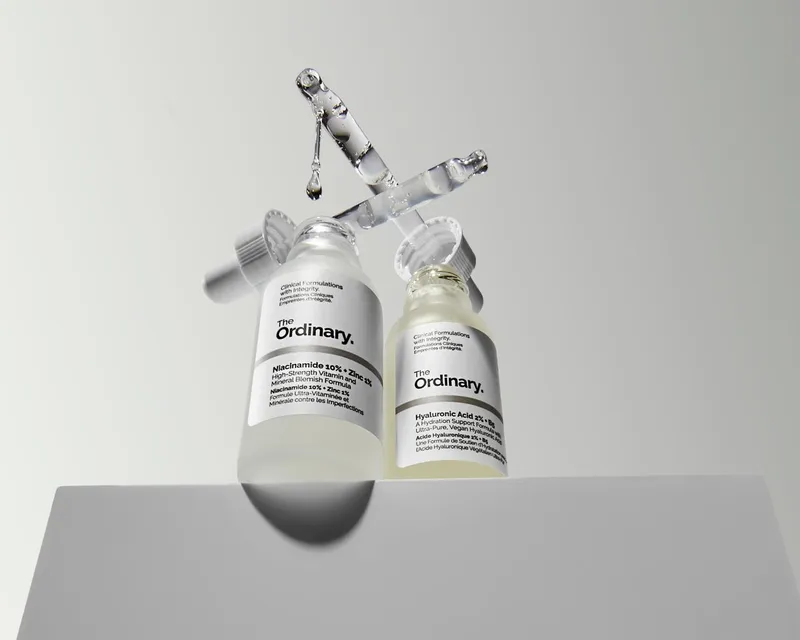
The Ordinary AHA 30% + BHA 2% Peeling Solution
The Ordinary
$8
★★★★☆
This is a monthly treatment for experienced users only. If you’re new to acids, you’ll get better results from a gentle daily acid than a harsh weekly one.
Mistake #2: Mixing Incompatible Actives
Don’t use acids with retinol or tretinoin on the same night unless your dermatologist specifically told you to. Your skin barrier can’t handle that much turnover at once.
Vitamin C and acids can work together, but timing matters. Use vitamin C in the morning, acids at night. Or find a product that combines them properly, like the Kerala Botanics oil that includes stabilized vitamin C in an oil base.
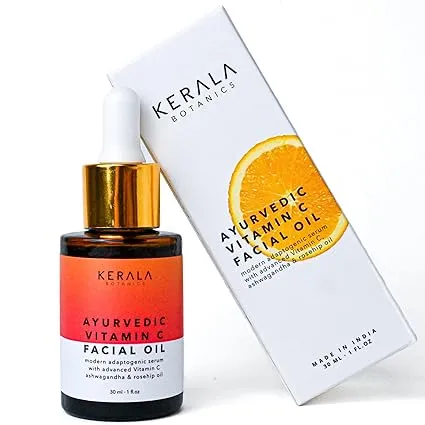
Ayurvedic Vitamin C Face Oil
Kerala Botanics
$49
★★★★☆
This combines gentle exfoliation from its advanced vitamin C with bakuchiol (a retinol alternative). The oil format is less irritating than water-based acids, and it replaces multiple steps. Good option if you want some exfoliating benefits without dedicated acid products.
Mistake #3: Ignoring Your Skin Barrier
If your skin feels tight, stings when you apply moisturizer, or looks red and flaky, stop exfoliating immediately. You’ve compromised your barrier.
Focus on repair: gentle cleanser, hydrating toner, barrier-supporting ingredients like ceramides and niacinamide. No acids, no scrubs, minimal actives until your skin feels normal again.
Mistake #4: Exfoliating Just Your Face
Your neck and chest show aging just as much as your face, but most people ignore them completely. Extend your exfoliation routine down to your décolletage. Use gentler products than you would on your face — the skin is thinner there.
Building an Exfoliation Routine That Actually Works
Start with one exfoliant. Master it. Then consider adding others.
For beginners:
- Choose either chemical OR physical, not both
- Start with once per week
- Use the gentlest option in your chosen category
- Give it 4-6 weeks to see results
Sample chemical routine:
- Monday: BHA (if oily/acne-prone) or AHA (if dry/dull)
- Wednesday: Same exfoliant
- Friday: Same exfoliant if skin is tolerating it well
- Other days: Basic routine with no actives
Sample physical routine:
- Sunday: Gentle scrub or enzyme exfoliant
- Wednesday: Same physical exfoliant
- Other days: Regular cleansing routine
Always follow exfoliation with hydration and sun protection. Exfoliated skin is more vulnerable to UV damage, so this isn’t optional.
When to Skip Exfoliation Completely
Some skin conditions don’t play well with exfoliation:
- Active eczema or dermatitis
- Broken skin or open wounds
- Severe rosacea (though gentle PHAs might be okay)
- Immediately after professional treatments like peels or laser
- When using prescription treatments like tretinoin (unless your derm says otherwise)
Also skip it if you’re getting professional facials regularly. Your esthetician is handling exfoliation — don’t double up at home.
The Bottom Line on Chemical vs Physical
Chemical exfoliation is generally more effective and gentler than physical. It penetrates deeper, works more evenly, and you can’t accidentally overdo the pressure like you can with scrubs.
But physical exfoliation isn’t obsolete. It gives instant gratification, works well for people who react to acids, and some people just prefer the sensory experience.
The best exfoliation method is the one you’ll use consistently without damaging your skin. Whether that’s a gentle BHA twice a week or a sugar scrub on Sundays doesn’t matter as much as doing it regularly and paying attention to how your skin responds.
Start gentle, increase slowly, and remember that good skincare is boring. If your exfoliation routine feels dramatic or gives you a “burn” you can boast about, you’re probably doing too much.
Your skin will thank you for the restraint.