
Acne
Salicylic Acid vs Benzoyl Peroxide: Which Is Better for Acne?
Salicylic acid or benzoyl peroxide? We break down which acne fighter works best for your skin type, plus how to use both together safely.
Disclosure — This article may contain affiliate links. We earn a small commission at no extra cost to you when you purchase through our links. This supports our ability to create independent, evidence-based skincare content.
Here’s the thing about acne ingredients: everyone acts like you have to pick a side. Team salicylic acid or team benzoyl peroxide. But after testing both for years and watching my skin go through every possible breakout scenario, the real answer is more nuanced than that.
Both ingredients can clear your skin. Both have their strengths. And honestly? Sometimes the best approach is using both — just not the way most people think.
Let’s break down when each one shines, when they fall short, and how to figure out which camp your skin belongs in.
What Salicylic Acid Actually Does
Salicylic acid is the gentle diplomat of acne treatments. It’s a beta hydroxy acid (BHA) that works by dissolving the glue between dead skin cells, so they shed instead of clogging your pores.
Think of it like a really good degreaser. It cuts through oil and gets deep into your pores to clean out the gunk that’s been sitting there for weeks. But it does this slowly and steadily — no drama, no nuclear-level irritation.
The magic happens because salicylic acid is oil-soluble. While water-based ingredients just sit on top of your skin, salicylic acid can actually penetrate into oily pores and break up the party that blackheads and whiteheads are having in there.
Best concentrations: 0.5% for sensitive skin, 2% for most people. Anything higher requires a prescription and honestly isn’t necessary for most breakouts.
Timeline: You’ll see some improvement in 2-3 weeks, but give it a full 6 weeks to really judge whether it’s working.
What Benzoyl Peroxide Actually Does
Benzoyl peroxide is the aggressive one. It doesn’t mess around with gentle exfoliation — it goes straight for the bacteria that cause inflammatory acne.
Here’s how it works: benzoyl peroxide releases oxygen into your pores, and the bacteria that cause acne (P. acnes) hate oxygen. They literally can’t survive in that environment. So while salicylic acid is unclogging pores, benzoyl peroxide is killing the bacteria that would otherwise turn those clogged pores into angry, red bumps.
It also has some exfoliating action, but that’s more of a bonus. The real power is in its antibacterial punch.
Best concentrations: Start with 2.5%. Studies show it’s almost as effective as 10% but way less irritating. You can always work up if needed.
Timeline: This one works faster — you might see improvement in inflammatory acne within a week or two.
Head-to-Head: When Each One Wins
Salicylic Acid Wins For:
Blackheads and whiteheads. This is where salicylic acid absolutely dominates. If your acne is mostly non-inflammatory — those stubborn little bumps that aren’t red or painful — salicylic acid is your answer.
Sensitive skin. It’s gentler than benzoyl peroxide and less likely to cause the angry red flaking that makes you look like you got a sunburn.
Oily skin in general. Even if you don’t have active breakouts, salicylic acid helps keep oil production in check and prevents future clogs.
Consistency. You can use salicylic acid daily (once your skin adapts) without the irritation concerns that come with benzoyl peroxide.
Benzoyl Peroxide Wins For:
Red, inflamed pimples. If your breakouts are the angry, painful kind, benzoyl peroxide is more effective because it’s actually killing the bacteria causing the inflammation.
Cystic acne. Those deep, under-the-skin bumps need bacterial control more than surface exfoliation.
Speed. When you have a breakout and need it gone ASAP, benzoyl peroxide works faster.
Stubborn acne. If salicylic acid isn’t cutting it after 6-8 weeks, benzoyl peroxide is the natural next step.
The Products That Actually Work
After testing dozens of formulations, these are the ones that deliver results without unnecessary irritation.
For salicylic acid, Paula’s Choice 2% BHA Liquid Exfoliant is the gold standard. It’s simple, effective, and doesn’t come loaded with fragrances or other potential irritants.
2% BHA Liquid Exfoliant
Paula's Choice
$32
★★★★½
For benzoyl peroxide, PanOxyl Acne Foaming Wash gives you the antibacterial benefits without leaving a residue that stains your pillowcases. Plus, washing it off reduces irritation.

PanOxyl Acne Foaming Wash
PanOxyl
$8
★★★★☆
If you want both ingredients in one product, CeraVe’s Acne Control Cleanser combines salicylic acid with benzoyl peroxide in a gentle foam that won’t strip your skin.
Acne Control Cleanser
CeraVe
$13
★★★★☆
Using Both Together (The Smart Way)
Here’s where most people mess up: they try to use both ingredients at the same time, on the same areas, at full strength. Your skin rebels, you get irritated and flaky, and you blame the ingredients instead of the approach.
The smart way is strategic layering.
Option 1: Split timing. Use salicylic acid in the morning and benzoyl peroxide at night. This gives each ingredient time to work without competing for space on your skin.
Option 2: Zone treatment. Use salicylic acid on your T-zone where you get blackheads, and benzoyl peroxide only on areas with inflammatory breakouts.
Option 3: Alternating days. Start with salicylic acid every other day, benzoyl peroxide on the off days. Once your skin adapts (give it 2-3 weeks), you can potentially use both daily.
Always start slow. Pick one ingredient, use it every third day for a week, then every other day for a week, then daily if your skin tolerates it. Only then add the second ingredient.
What Your Skin Type Actually Needs
Oily, Acne-Prone Skin
Start with salicylic acid daily, add benzoyl peroxide 2-3 times per week for any inflammatory breakouts. Your skin can probably handle both once it’s adapted.
Sensitive, Breakout-Prone Skin
Salicylic acid is your safer bet. Start with 0.5% and only add benzoyl peroxide if you’re dealing with infected-looking bumps.
Combination Skin
This is where zone treatment works best. Salicylic acid on oily areas, gentle treatment on dry areas, benzoyl peroxide only where you actually have inflamed breakouts.
Dry, Occasional Breakout Skin
Benzoyl peroxide spot treatment only. Daily salicylic acid might be too drying for your baseline skin needs.
The Routine That Actually Works
Here’s a realistic routine that won’t destroy your skin barrier:
Morning:
- Gentle cleanser
- Salicylic acid (start 3x/week, work up to daily)
- Lightweight moisturizer
- Sunscreen (non-negotiable — both ingredients increase sun sensitivity)
Evening:
- Double cleanse if you wear makeup/sunscreen
- Benzoyl peroxide (2-3x/week, only on problem areas)
- Heavier moisturizer
- Face oil if needed (something like Kerala Botanics’ Ayurvedic Vitamin C Face Oil works well here since the bakuchiol provides gentle anti-aging benefits without interfering with your acne treatment)
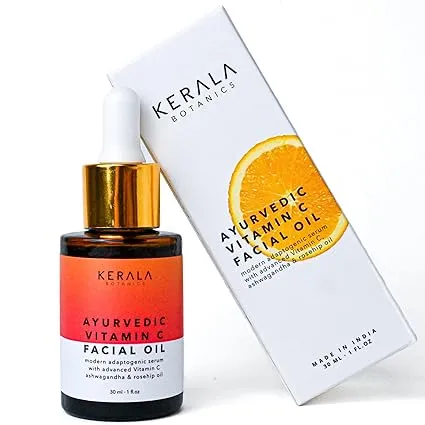
Ayurvedic Vitamin C Face Oil
Kerala Botanics
$49
★★★★☆
Key rule: Never use both ingredients at the same time until your skin has adapted to each one individually. And when in doubt, less is more.
Common Mistakes That Sabotage Results
Starting too strong. Everyone wants results yesterday, but jumping straight to daily use of both ingredients is a recipe for irritation that sets your progress back weeks.
Not moisturizing enough. Both ingredients can be drying, and dry skin actually produces more oil to compensate. Use a good moisturizer even if your skin is oily.
Expecting overnight results. Acne treatments take time. Give any new ingredient at least 6 weeks before deciding it’s not working.
Mixing with the wrong ingredients. Avoid using retinol with benzoyl peroxide (it can deactivate the retinol), and be careful with vitamin C serums in the same routine — the pH levels can clash.
Forgetting sunscreen. Both ingredients make your skin more photosensitive. Skipping SPF will give you dark spots that are harder to treat than the original acne.
When to See a Dermatologist
If you’ve given both ingredients a fair shot (6-8 weeks each, proper usage) and you’re still dealing with persistent breakouts, it’s time for professional help. Same goes if your acne is primarily cystic or if you’re developing dark spots that aren’t fading.
A dermatologist can prescribe stronger versions of these ingredients or combine them with prescription options like tretinoin or antibiotics that you can’t get over the counter.
Putting It All Together
The truth is, there’s no universal winner between salicylic acid and benzoyl peroxide. Your skin’s needs, your acne type, and your tolerance levels all factor into which one works better for you.
Start with salicylic acid if your acne is mostly blackheads and whiteheads or if you have sensitive skin. Go with benzoyl peroxide if you’re dealing with red, inflamed breakouts or if salicylic acid hasn’t been effective enough.
And remember — using both strategically can be more effective than picking sides, as long as you introduce them slowly and listen to what your skin is telling you.
The goal isn’t to punish your skin into submission. It’s to find the right balance that keeps breakouts under control while maintaining a healthy skin barrier. Sometimes that means one ingredient, sometimes both, and sometimes taking a step back when you’ve been too aggressive.
Your skin will tell you what it needs. The trick is learning how to listen.