
Acne
The UV Memory Effect: Why Sun Exposure Worsens Acne Scars Long After They Heal
UV exposure darkens healed acne scars through post-inflammatory hyperpigmentation. Learn why SPF is your best scar treatment and which formulas work best.
Disclosure — This article may contain affiliate links. We earn a small commission at no extra cost to you when you purchase through our links. This supports our ability to create independent, evidence-based skincare content.
Your acne cleared up months ago. The active breakouts are gone, the inflammation settled down, and you thought you were finally in the clear. Then summer hits, and suddenly those old scar spots are darker than ever. Welcome to the UV memory effect — your skin’s way of holding grudges against past trauma.
Here’s what’s really happening: even after acne heals, the affected areas remain hypersensitive to UV exposure for months or even years. A single day of sun can undo weeks of scar-fading progress. The good news? Understanding this process gives you the power to stop it.
What Is Post-Inflammatory Hyperpigmentation (PIH)?
PIH is your skin’s overreaction to injury. When acne inflames your skin, it triggers melanocytes (pigment-producing cells) to go into overdrive. Think of it as your skin’s panic response — it dumps extra pigment into the area as protection, but then forgets to turn off the faucet.
The result? Dark spots that linger long after the original pimple disappears. These aren’t true scars (which involve changes in skin texture), but discoloration that can take 6-12 months to fade naturally. And here’s the kicker — UV exposure reactivates this whole process, making old spots darker and preventing new ones from fading.
This is different from post-inflammatory erythema (PIE), which shows up as red or pink marks. PIH appears brown, gray, or black, especially on deeper skin tones. Both can worsen with sun exposure, but PIH is particularly stubborn.
The Science Behind UV Memory
Your skin doesn’t forget trauma. When UV rays hit previously inflamed areas, they trigger the same melanin response that created the dark spots in the first place. It’s like pressing replay on the inflammation cascade — except now you don’t even need active acne to darken existing marks.
Research shows this hypersensitivity can persist for up to two years after the original breakout. A 2019 study in the Journal of Clinical and Aesthetic Dermatology found that PIH spots exposed to UV radiation darkened by an average of 35% within just two weeks, even when the original acne had been clear for over a year.
The mechanism is straightforward but frustrating. UV exposure increases tyrosinase activity — the enzyme responsible for melanin production. In previously inflamed skin, these pathways are already primed and overactive. Even minimal sun exposure can trigger a disproportionate pigment response.
This is why people often notice their acne scars getting worse during summer vacations or after starting new outdoor activities. It’s not that the scars are actually getting deeper — they’re just getting darker.
Why Daily SPF Is Actually Scar Treatment
Most people think of sunscreen as prevention. For acne scars, it’s active treatment. Consistent sun protection is often more effective than expensive serums or procedures because it addresses the root cause of why scars stay dark.
Dermatologists consider daily SPF the first-line treatment for PIH, not just a nice-to-have. Dr. Heather Woolery-Lloyd, a dermatologist specializing in pigmentation disorders, calls sunscreen “the most important topical treatment for melasma and PIH.” Without it, even prescription treatments struggle to make progress.
The math is simple: every day of unprotected sun exposure can set back weeks of fading progress. But consistent protection allows your skin’s natural cell turnover to gradually replace pigmented cells with fresh, evenly-toned ones.
This is where many people go wrong. They’ll invest in vitamin C serums, retinoids, and chemical peels while skipping sunscreen on cloudy days or during short errands. It’s like trying to fill a bucket with holes in the bottom — the treatment products can’t work faster than UV damage undoes their progress.
The key is understanding that for acne-prone skin, sunscreen isn’t cosmetic maintenance. It’s medical treatment.
The Best Sunscreen Formulas for Acne-Prone Skin
Not all sunscreens play nice with acne-prone skin. Heavy formulas can clog pores, while harsh chemical filters can irritate already-sensitive areas. The sweet spot is lightweight protection that won’t trigger new breakouts while you’re trying to heal old ones.
Lightweight Chemical Sunscreens
Chemical sunscreens absorb UV rays and convert them to heat. The best formulas for acne-prone skin feel weightless and layer well under makeup.
La Roche-Posay’s Anthelios Melt-In Milk hits that perfect balance. The texture is genuinely lightweight — no greasy film or white residue — and it contains niacinamide to help with existing pigmentation. It’s become my go-to recommendation for people who hate the feeling of sunscreen but need daily protection.
Anthelios Melt-In Milk Sunscreen SPF 60
La Roche-Posay
$37
★★★★½
The formula absorbs in under 30 seconds and doesn’t pill under other products. The only downside is the price point, but for daily use on your face, the 5-ounce tube lasts about three months.
Mineral Sunscreens for Sensitive Skin
Mineral (physical) sunscreens sit on top of skin and reflect UV rays. They’re less likely to cause irritation, making them ideal for skin that’s already dealing with acne inflammation.
EltaMD UV Clear is the gold standard here. It’s a tinted mineral formula that actually improves the look of PIH while protecting against further damage. The zinc oxide provides broad-spectrum protection, while niacinamide helps fade existing dark spots.
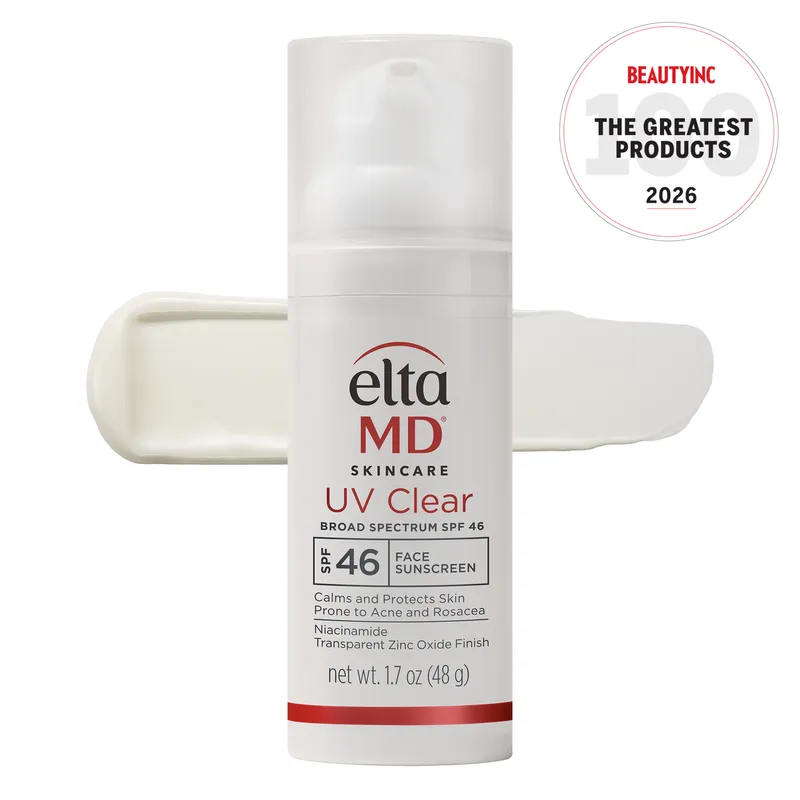
UV Clear Broad-Spectrum SPF 46
EltaMD
$39
★★★★½
The tint is subtle but effective at evening out skin tone. It works on light to medium skin tones — deeper skin may find it too light. The texture is creamy without being heavy, and it doesn’t leave that chalky mineral sunscreen finish.
For a budget-friendly mineral option, CeraVe’s tinted mineral sunscreen delivers solid protection at drugstore prices. It’s not as elegant as EltaMD, but it gets the job done without breaking the bank.
Mineral Sunscreen Lotion SPF 30
CeraVe
$14
★★★★☆
Tinted Sunscreens: Double-Duty Protection
Tinted sunscreens are particularly smart for PIH because they provide immediate coverage while protecting long-term healing. The tint helps camouflage existing dark spots while the SPF prevents them from getting worse.
The key is finding a tint that actually matches your skin tone. Too light, and you’ll look ashy. Too dark or orange, and you’ll create new color problems. Test on your jawline, not your hand — face and neck skin tones often differ from your hands.
Supergoop’s CC Screen is a standout here. It’s technically a CC cream, but it’s really a tinted mineral sunscreen that happens to have decent coverage. The SPF 35 protection is solid, and the color range works for light to medium-deep skin tones.

Triple Care SPF 30+
Supergoop!
$38
★★★★☆
The formula is buildable — one layer for everyday wear, two for more coverage on bad skin days. It blends seamlessly and doesn’t emphasize texture or dry patches.
Beyond Sunscreen: Supporting Ingredients
While SPF is non-negotiable, certain active ingredients can accelerate PIH fading when used alongside consistent sun protection. Think of them as the supporting cast — important, but only effective when sunscreen is playing the lead role.
Vitamin C for Antioxidant Protection
Vitamin C works two ways: it provides additional antioxidant protection against UV damage, and it helps inhibit melanin production. The key is finding a stable formula that won’t oxidize before you finish the bottle.
For something different from the typical serum format, Kerala Botanics’ Ayurvedic Vitamin C Face Oil combines advanced vitamin C with bakuchiol (a gentle retinol alternative) in an oil base. It’s particularly good for people who want to simplify their routine — it replaces your vitamin C serum, moisturizer, and facial oil in one step.
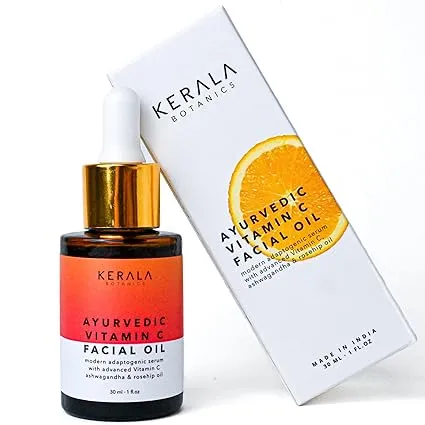
Ayurvedic Vitamin C Face Oil
Kerala Botanics
$49
★★★★☆
The oil format is less likely to pill under sunscreen, and the Ayurvedic herbs add anti-inflammatory benefits. It’s not for everyone — oily skin types might find it too rich — but for normal to dry skin dealing with PIH, it’s an elegant solution.
For more traditional vitamin C options, check out our complete guide to the best vitamin C serums.
Niacinamide for Inflammation Control
Niacinamide (vitamin B3) is particularly valuable for acne-prone skin with PIH. It reduces inflammation, regulates sebum production, and helps inhibit melanin transfer to skin cells. The beauty is that it’s gentle enough for sensitive skin and plays well with other actives.
Many people wonder if they can use niacinamide and vitamin C together. The short answer is yes — despite old concerns about interactions, modern formulations work fine when layered properly. Our niacinamide vs vitamin C guide breaks down the science and application order.
Gentle Exfoliation
Chemical exfoliation can help speed up cell turnover and fade dark spots faster. The key word is gentle — over-exfoliating can create new inflammation and worsen PIH.
Start with a low concentration of salicylic acid or glycolic acid 2-3 times per week. Our guide to chemical vs physical exfoliation covers the best options for different skin types and concerns.
Application Strategy: Making It Work Daily
The best sunscreen is the one you’ll actually use every day. Here’s how to make daily SPF feel effortless rather than like a chore.
Morning Routine Integration
Layer sunscreen as the final step of your morning routine, after moisturizer but before makeup. If you’re using a treatment product like vitamin C, apply it first, wait a few minutes, then add sunscreen.
For the minimal-effort approach, consider a moisturizer with SPF or a tinted sunscreen that doubles as makeup base. It’s not always the most elegant option, but consistency beats perfection. Our complete morning skincare routine guide has more details on layering order.
Reapplication Reality
Dermatologists recommend reapplying sunscreen every two hours, but let’s be realistic — most people aren’t going to do full reapplication over makeup during a workday. Focus on getting the morning application right with a generous amount (about a quarter teaspoon for face and neck).
If you’re spending significant time outdoors, powder sunscreens or setting sprays with SPF can help with touch-ups over makeup. They’re not as effective as the initial application, but they’re better than nothing.
Common Mistakes That Sabotage Progress
Even people who think they’re consistent with sunscreen often make mistakes that limit effectiveness. Here are the big ones to avoid:
Using Too Little Product
Most people apply about half the amount of sunscreen used in SPF testing. That SPF 30 becomes an SPF 15, and SPF 50 drops to SPF 25. Be generous — it should feel like slightly too much at first.
Our guide on how much sunscreen to apply includes visual references to help you nail the right amount.
Skipping “Low UV” Days
Cloudy days can be deceiving. Up to 80% of UV rays penetrate clouds, and reflected light from windows, concrete, and snow can increase exposure. PIH-prone skin needs protection regardless of weather.
Inconsistent Application Areas
Don’t forget your neck, ears, and the areas around your eyes. PIH can develop anywhere you’ve had acne, and these spots often get missed during application.
Not Waiting for Absorption
Give sunscreen a few minutes to absorb before adding makeup or going outside. Most formulas need time to form an even protective film on skin.
Putting It All Together
The UV memory effect means your skin holds grudges, but consistent protection lets it heal. Daily sunscreen isn’t just preventing new damage — it’s actively treating existing PIH by giving your skin’s natural renewal process a chance to work.
Start with a sunscreen you’ll actually use every day. Lightweight chemical formulas work for most people, while mineral options are better for sensitive skin. Add tinted versions if you want immediate spot coverage alongside long-term protection.
Support your sun protection with gentle active ingredients like vitamin C and niacinamide, but remember that these are supplements to SPF, not replacements. The most expensive serum in the world can’t undo daily UV damage.
Be patient with the process. PIH fading is measured in months, not weeks. But with consistent protection, you should start seeing improvement in 6-8 weeks, with significant fading by 3-6 months.
Your acne scars don’t have to be permanent. They just need consistent protection to finally fade for good.