
Acne
Fungal Acne (Malassezia): How to Identify and Treat It
Learn to identify fungal acne vs regular breakouts and discover the specific ingredients that clear malassezia folliculitis for good.
Disclosure — This article may contain affiliate links. We earn a small commission at no extra cost to you when you purchase through our links. This supports our ability to create independent, evidence-based skincare content.
Those tiny, uniform bumps covering your forehead aren’t regular acne. They’re not responding to salicylic acid or benzoyl peroxide because they’re not caused by the same bacteria that create typical breakouts. What looks like stubborn acne is often fungal acne — a completely different condition that needs completely different treatment.
Fungal acne isn’t actually acne at all. It’s an overgrowth of yeast that lives naturally on everyone’s skin, and it feeds on specific ingredients that are in most skincare products. Understanding the difference between fungal and bacterial acne changes everything about how to treat it.
What Is Fungal Acne?
Fungal acne is the common name for malassezia folliculitis — inflammation of hair follicles caused by an overgrowth of malassezia yeast. This yeast exists on everyone’s skin as part of the normal microbiome, but certain conditions make it multiply rapidly.
Unlike bacterial acne, which forms when pores get clogged with oil and dead skin cells, fungal acne develops when malassezia yeast proliferates inside hair follicles. The immune system responds to this overgrowth with inflammation, creating those characteristic small, itchy bumps.
The key difference is what triggers each condition. Bacterial acne responds to hormones, genetics, and pore-clogging ingredients. Fungal acne responds to warmth, moisture, and specific ingredients that feed the yeast — many of which are considered beneficial for regular acne.
How to Tell If It’s Fungal Acne
Fungal acne has a distinct appearance that sets it apart from regular breakouts. Here’s what to look for:
The Location Pattern
Fungal acne clusters in areas where yeast thrives — warm, moist spots with lots of hair follicles. The forehead is the most common location, followed by the chest, back, and shoulders. Arms can be affected too, especially the upper arms where fabric creates friction and traps heat.
Regular acne tends to appear where oil glands are most active: the T-zone, jawline, and chin. If breakouts are concentrated on your forehead but nowhere else on your face, fungal acne is likely.
The Appearance
Each bump looks nearly identical — small, round, and uniform in size. They’re typically flesh-colored or slightly red, rarely coming to a white head like bacterial acne. The bumps feel rough to the touch and often itch, especially when you’re warm or sweating.
Bacterial acne varies in size and appearance. You’ll see a mix of blackheads, whiteheads, and inflamed bumps of different sizes. Fungal acne looks more like a rash of identical bumps.
The Triggers
Fungal acne flares after activities that create warmth and moisture: working out, wearing occlusive clothing, or spending time in humid environments. Hot showers, sweaty sports bras, and hair conditioner running down the forehead all make it worse.
If breakouts consistently appear after these activities, or if they worsen in summer and improve in winter, fungal acne is the likely culprit.
Why Regular Acne Treatments Don’t Work
Most acne treatments target bacteria, not yeast. Salicylic acid and benzoyl peroxide work well for bacterial acne but have minimal effect on malassezia overgrowth. Even retinoids, which help with both bacterial acne and skin cell turnover, don’t directly address the yeast component.
Worse, many products formulated for acne-prone skin contain ingredients that actually feed malassezia. Oil-free moisturizers often use fatty alcohols and esters as lightweight alternatives to heavier oils — but these are exactly what the yeast feeds on.
This creates a frustrating cycle where conventional acne treatments provide little improvement, and some products make the condition worse. Understanding what feeds malassezia is crucial for effective treatment.
Ingredients That Feed Malassezia
Malassezia feeds on specific fatty acids and lipids. Products containing these ingredients can worsen fungal acne:
Fatty acids with 11-24 carbon chains: These include oleic acid, stearic acid, and palmitic acid. They’re common in plant oils and appear in ingredient lists as individual components or as part of oil blends.
Esters: Combinations of fatty acids and alcohols, like isopropyl myristate, ethyl oleate, and glyceryl stearate. These show up frequently in lightweight moisturizers and primers.
Some oils: Coconut oil, olive oil, and argan oil contain fatty acid profiles that malassezia loves. Even fractionated coconut oil (MCT oil) can be problematic for some people, despite being marketed as malassezia-safe.
Fermented ingredients: Galactomyces and some other fermented extracts can trigger fungal acne in sensitive individuals.
The tricky part is that these ingredients aren’t inherently bad — they’re excellent for dry skin and many people use them without issues. But if malassezia overgrowth is present, they become fuel for the problem.
Safe Ingredients for Fungal Acne
Building a fungal acne-safe routine means choosing products with ingredients that don’t feed malassezia:
Simple oils: Squalane, mineral oil, and sea buckthorn oil have fatty acid profiles that malassezia can’t metabolize.
Silicones: Dimethicone, cyclopentasiloxane, and other silicones provide moisture and slip without feeding yeast.
Hyaluronic acid: Excellent for hydration and completely safe for fungal acne-prone skin.
Zinc: Anti-inflammatory and has mild antifungal properties. Look for zinc oxide in sunscreens or zinc pyrithione in cleansers.
The goal isn’t to avoid all oils and emollients — it’s to choose ones that won’t exacerbate the condition. Many effective moisturizers and treatments can be built around these safer ingredients.
Treatment Options That Actually Work
Treating fungal acne requires antifungal ingredients, not antibacterial ones. Here are the most effective options:
Ketoconazole
Ketoconazole is the gold standard for malassezia treatment. It’s available over-the-counter in antidandruff shampoos like Nizoral, which contain 1% ketoconazole.
Use it as a face wash 2-3 times per week: wet your face, apply the shampoo, let it sit for 2-3 minutes, then rinse thoroughly. The contact time is important — ketoconazole needs time to work against the yeast.

Anti-Dandruff Shampoo
Nizoral
$15
★★★★☆
Start slowly to avoid irritation. Some people can use it daily once their skin adjusts, while others find 2-3 times weekly sufficient for maintenance.
Azelaic Acid
Azelaic acid has both antifungal and anti-inflammatory properties, making it particularly effective for fungal acne. It also helps with the post-inflammatory hyperpigmentation that often follows breakouts.
Unlike ketoconazole, azelaic acid can be used daily as part of your regular routine. It works well under moisturizer and sunscreen, making it easy to incorporate into both morning and evening regimens.
Azelaic Acid 10%
The INKEY List
$8
★★★★☆
For more information on choosing the right azelaic acid product, see our guide to the best azelaic acid products.
Sulfur
Sulfur has antifungal properties and helps dry out inflamed bumps. It’s particularly effective for active breakouts but can be too drying for daily use.
Traditional sulfur treatments are thick and chalky — fine for spot treatment but impractical for larger areas. Look for more elegant formulations in leave-on treatments or masks.

De La Cruz Sulfur Ointment
De La Cruz
$4
★★★★☆
Zinc Pyrithione
Found in many dandruff shampoos, zinc pyrithione is gentler than ketoconazole but still effective against malassezia. It’s a good option for sensitive skin or for those who find ketoconazole too harsh.
Like ketoconazole shampoos, zinc pyrithione products are designed for hair but work well as face washes when used 2-3 times per week.
Building a Fungal Acne-Safe Routine
Creating an effective routine means choosing products that treat the condition without feeding it. Here’s how to structure each step:
Cleansing
A gentle, fungal acne-safe cleanser removes sweat, oil, and product buildup without disrupting the skin barrier. Avoid oil cleansers and cream cleansers, which often contain problematic fatty acids.
Simple foaming cleansers work well for daily use. Reserve antifungal shampoos for 2-3 times weekly treatment, not daily cleansing.

Foaming Face Wash
Vanicream
$9
★★★★½
Treatment
This is where antifungal ingredients do their work. Choose one primary treatment — ketoconazole, azelaic acid, or sulfur — and use it consistently before moving to the next step.
Azelaic acid can be used daily, while ketoconazole and sulfur are typically used 2-3 times weekly. Don’t combine multiple antifungal treatments initially; start with one and assess how your skin responds.
Moisturizing
Fungal acne-prone skin still needs moisture, but the wrong moisturizer can undo all your treatment efforts. Look for products with simple, safe ingredient lists.

Daily Moisturizing Lotion
Vanicream
$14
★★★★½
Alternatively, a lightweight facial oil with fungal acne-safe ingredients can provide moisture while simplifying your routine:
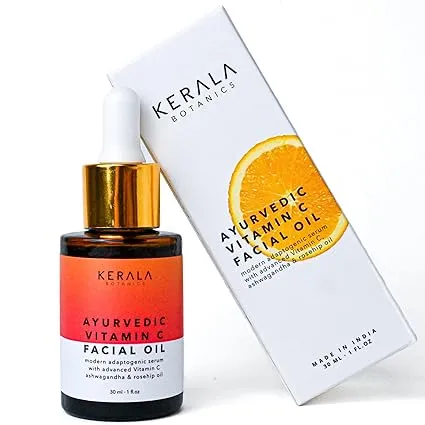
Ayurvedic Vitamin C Face Oil
Kerala Botanics
$49
★★★★☆
Sun Protection
Many chemical sunscreens contain fatty acids or esters that can trigger fungal acne. Mineral sunscreens with zinc oxide or titanium dioxide are typically safer options.
For specific recommendations, check our guides to the best mineral sunscreens without white cast and best sunscreens for dark skin tones.
Lifestyle Factors That Matter
Skincare alone won’t resolve fungal acne if lifestyle factors keep triggering flares. These changes support your topical treatments:
Manage Heat and Moisture
Shower immediately after sweating, especially after workouts. Change out of damp clothes quickly, and choose breathable fabrics when possible. If you work out regularly, keep antifungal wipes handy for quick cleanups when immediate showering isn’t possible.
Sleep in breathable pajamas and wash pillowcases frequently. Hot, humid environments encourage malassezia growth, so air conditioning and fans help during flare-ups.
Watch Your Hair Products
Conditioner running down your forehead during showers can trigger fungal acne around the hairline. Apply conditioner only to mid-lengths and ends, keeping it away from the scalp and face area.
If you must use leave-in products, check their ingredients against malassezia-feeding lists. Many hair oils and serums contain problematic fatty acids.
Diet Considerations
While diet doesn’t directly cause fungal acne, some people find that reducing sugar and refined carbohydrates helps. Yeast thrives on sugar, so extremely high-sugar diets might contribute to overgrowth.
This isn’t as straightforward as eliminating specific foods — the relationship between diet and skin yeast is complex and varies between individuals. Focus on topical treatment first, then experiment with dietary changes if needed.
When to See a Dermatologist
Most fungal acne responds to over-the-counter treatments within 4-6 weeks. See a dermatologist if:
- No improvement after 6 weeks of consistent antifungal treatment
- Severe itching or pain that interferes with daily activities
- Signs of secondary bacterial infection (increased redness, warmth, pus)
- Extensive involvement covering large areas of the body
Dermatologists can prescribe stronger antifungal medications, including oral options for severe cases. They can also perform tests to confirm the diagnosis and rule out other conditions that might look similar.
Long-Term Management
Fungal acne tends to be a chronic condition that requires ongoing management rather than a one-time cure. Once the initial outbreak is controlled, focus shifts to prevention:
Maintenance treatments: Continue using antifungal ingredients 1-2 times weekly even after breakouts clear. This prevents regrowth of malassezia populations.
Ingredient vigilance: Always check new products against malassezia-feeding ingredient lists. One problematic moisturizer can trigger a flare that takes weeks to resolve.
Seasonal adjustments: Increase antifungal treatments during hot, humid months when conditions favor yeast growth. Some people need daily ketoconazole washes in summer but can reduce to twice weekly in winter.
For more guidance on building effective routines, see our guides to complete morning skincare routines and complete evening skincare routines.
Putting It All Together
Fungal acne requires a different approach than bacterial acne — one focused on antifungal ingredients and avoiding yeast-feeding components. The condition responds well to treatment, but consistency is key.
Start with ketoconazole shampoo as a face wash 2-3 times weekly, combined with a simple, fungal acne-safe moisturizer and mineral sunscreen. Add azelaic acid for daily treatment and faster results. Most people see improvement within 2-4 weeks of starting this routine.
The goal isn’t perfect skin overnight — it’s steady progress toward clear, comfortable skin that stays that way with proper maintenance. Understanding what feeds malassezia and what fights it gives you the tools to manage this condition long-term.