
Sunscreen
How to Reapply Sunscreen Over Makeup Without Wrecking Your Face
Powder, stick, spray, or cushion? The realistic guide to sunscreen reapplication over makeup that actually works in real life.
Disclosure — This article may contain affiliate links. We earn a small commission at no extra cost to you when you purchase through our links. This supports our ability to create independent, evidence-based skincare content.
You applied sunscreen this morning. Your makeup looks perfect. It’s 2 PM and you know you should reapply SPF, but the thought of destroying four hours of careful foundation work makes you want to cry.
Here’s the thing nobody tells you about sunscreen reapplication: the textbook advice (reapply every two hours, use a full teaspoon) assumes you’re sitting poolside in a bikini. Real life is messier. You’re indoors most of the day, your foundation cost $50, and you have three more meetings before 6 PM.
Let’s talk about what actually works.
The Reapplication Reality Check
First, let’s address the elephant in the room. That “every two hours” rule? It comes from lab testing where sunscreen is applied perfectly, then subjected to intense UV light. In the real world, if you’re spending most of your day indoors with occasional outdoor exposure, you’re not burning through your morning SPF at laboratory speeds.
That doesn’t mean you should skip reapplication entirely. UV exposure is cumulative, your morning sunscreen does degrade throughout the day, and if you’re outside for more than a few minutes, you need that protection. But you can be strategic about it.
When reapplication is non-negotiable:
- You’re spending more than 20 minutes outdoors
- You’re by windows in direct sunlight for extended periods
- You’re exercising or sweating
- It’s been 4+ hours since your last application (even indoors)
When you can probably relax:
- You’re indoors all day with minimal sun exposure
- You applied a generous amount of SPF 30+ this morning
- You’re only outside for quick trips (under 10 minutes total)
The goal isn’t perfect lab-tested protection. It’s practical protection that you’ll actually maintain.
Method 1: Powder Sunscreen (The Office Favorite)
Powder sunscreen is the makeup-friendly option everyone reaches for first. It’s convenient, feels weightless, and won’t disturb your base. But here’s what you need to know about the protection you’re actually getting.
Most powder sunscreens max out around SPF 50 on paper, but the real-world protection is closer to SPF 15-20. You’d need to apply a thick, visible layer to hit the labeled SPF — and nobody’s doing that over their finished makeup.
The honest take: Powder sunscreen is better than nothing, but it’s maintenance protection, not primary protection. Use it for touch-ups when you’re mostly indoors, or as a supplement to your morning SPF when you need to go outside.
How to make it work:
- Apply in thin, even layers rather than one heavy dusting
- Focus on high points where sun hits first: nose, cheeks, forehead, chin
- Reapply every 2-3 hours if you’re getting any direct sun exposure
- Use a brush, not the included puff (better coverage, less makeup disturbance)
The Colorescience Sunforgettable is the gold standard here. It’s expensive, but the coverage is actually decent and it doesn’t make your makeup look chalky.
Powder Sunscreen SPF 45
Colorescience
$69
★★★★☆
Method 2: Sunscreen Sticks (The Targeted Approach)
Sunscreen sticks are having a moment, and for good reason. They give you more actual sunscreen than powder, they’re precise enough to avoid your eye makeup, and most formulas blend well over foundation.
The pros:
- Higher concentration of active ingredients than powder
- Easy to target specific areas (nose, under-eyes, hairline)
- Travel-friendly and mess-free
- Most blend invisibly over makeup
The cons:
- Can feel heavy if you’re heavy-handed
- Coverage isn’t as even as liquid application
- Some formulas can pill or disturb powder products
Application strategy:
- Warm the stick on the back of your hand first (better blending)
- Apply in light, overlapping strokes
- Blend gently with clean fingers or a damp beauty sponge
- Focus on areas that see the most sun: center of face, nose bridge, under-eye area
Sun Bum’s Face Stick is a solid drugstore option that plays well with most makeup. It’s not fancy, but it works and won’t break the bank.
Sun Bum Face Stick SPF 30
Sun Bum
$9
★★★★☆
Method 3: Setting Sprays with SPF (The Multitasker)
SPF setting sprays promise to refresh your makeup and boost your sun protection in one step. The reality is more complicated.
Most SPF sprays don’t provide even coverage when misted over makeup. You get protection where the droplets land, but not necessarily where you need it most. Plus, many formulas can disturb your makeup if you’re not careful with application.
When they work:
- For quick touch-ups before short outdoor exposure
- As a supplement to other reapplication methods
- When you need to refresh makeup anyway
The application trick:
- Spray into your hands first, then pat onto your face (better coverage)
- Or spray directly but hold the bottle 6-8 inches away and mist evenly
- Let it set for 30 seconds before touching your face
La Roche-Posay’s Anthelios spray is one of the better ones — it doesn’t feel sticky and the coverage is more even than most.
Anthelios Ultra Light Sunscreen Spray SPF 60
La Roche-Posay
$36
★★★★☆
Method 4: Cushion Compacts (The K-Beauty Solution)
Korean cushion compacts with SPF are designed for exactly this problem. They deliver liquid sunscreen through a sponge applicator, giving you better coverage than powder but more control than spray.
Why they work:
- Higher concentration of UV filters than powder
- Even application that doesn’t disturb base makeup
- Built-in blending tool
- Often include skincare benefits
The learning curve:
- Press, don’t rub (rubbing moves your foundation around)
- Build coverage gradually
- Clean the puff regularly or you’ll just spread bacteria
IOPE’s Air Fit cushion is a standout — good protection, natural finish, and it actually improves how your makeup looks rather than disturbing it.
Airy Fit Sunscreen SPF 50+ PA++++
IOPE
$28
★★★★☆
The Nuclear Option: Strategic Makeup Removal
Sometimes you need real protection and you’re willing to sacrifice some makeup for it. This works best if you’re strategic about where you remove and reapply.
The targeted approach:
- Remove makeup from the most sun-exposed areas (nose, cheeks, forehead center)
- Apply your regular sunscreen to these areas
- Spot-conceal and blend the edges back into your existing makeup
What you need:
- Micellar water and cotton swabs for precise removal
- Your morning sunscreen
- Concealer that matches your foundation
- A small blending brush or beauty sponge
This sounds complicated, but it takes about three minutes and gives you actual, reliable protection where you need it most. Save this method for days when you know you’ll be outside for extended periods.
EltaMD UV Clear is perfect for this technique — it’s lightweight, plays well under makeup, and won’t look greasy if you’re layering it over your morning skincare.
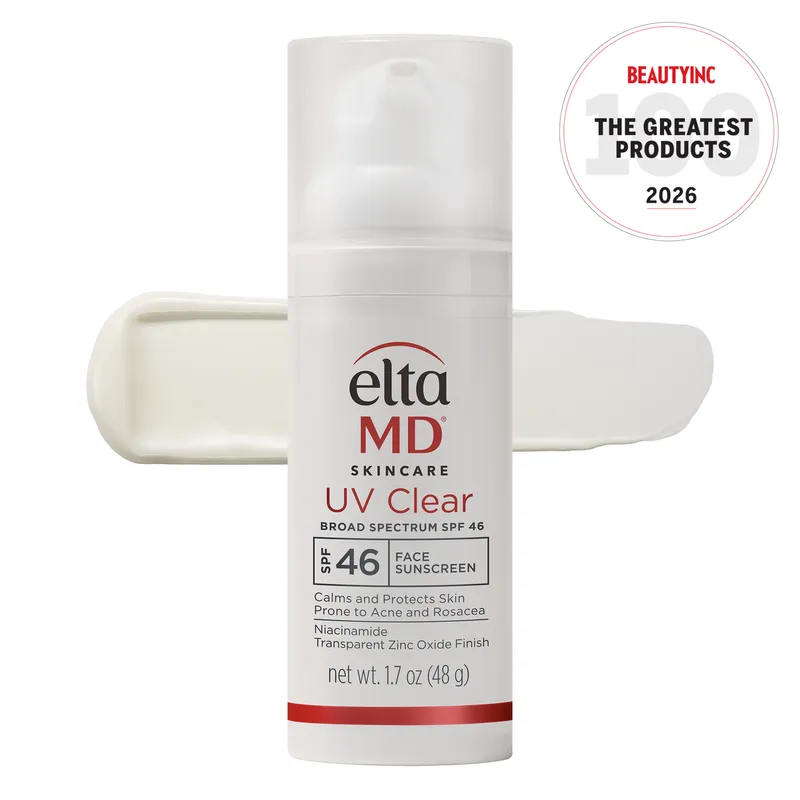
UV Clear Broad-Spectrum SPF 46
EltaMD
$39
★★★★½
Indoor Reapplication: Do You Really Need It?
Let’s be honest about indoor sun exposure. If you’re sitting under office fluorescents all day, you’re not destroying your morning SPF at the rate the textbooks suggest. But windows complicate things.
When indoor reapplication matters:
- You’re sitting directly by a window for hours
- Your office has floor-to-ceiling windows
- You’re getting visible sun on your face indoors
When you can probably skip it:
- No direct window exposure
- You applied generous SPF 30+ this morning
- You’re only outside briefly (parking lot to building)
The key is being realistic about your actual exposure. That said, if reapplying gives you peace of mind and you’ve found a method that doesn’t wreck your makeup, go for it. Just don’t stress if office life makes it impractical.
The Protection Math That Actually Matters
Here’s what dermatologists don’t always explain clearly: SPF protection isn’t just about the number on the bottle. It’s about how much you apply, how evenly you apply it, and how often you reapply.
A light dusting of SPF 50 powder gives you maybe SPF 10 of real protection. A generous application of SPF 30 stick, properly blended, might give you SPF 25. The “perfect” reapplication method is the one you’ll actually use consistently.
For mostly indoor days: Powder touch-ups every 3-4 hours are fine For mixed indoor/outdoor: Stick or cushion reapplication every 2-3 hours For significant outdoor time: Remove and reapply properly, or use the targeted removal method
The goal is cumulative protection throughout your day, not perfect lab-tested coverage every moment.
Putting It All Together: Your Reapplication Strategy
Your reapplication method should match your lifestyle, not some ideal scenario. Here’s how to build a strategy that actually works:
The Minimalist (mostly indoors):
- Morning: Generous application of SPF 30+ under makeup
- Midday: Powder sunscreen touch-up on high points
- Afternoon: Second powder touch-up if you’re getting any sun
The Commuter (mixed exposure):
- Morning: SPF 30+ under makeup
- Before lunch outdoor time: Stick application on exposed areas
- Mid-afternoon: Powder or cushion reapplication
The Outdoors-Heavy Day:
- Morning: SPF 50 under makeup
- Every 2 hours outdoors: Strategic removal and reapplication on key areas
- Evening: Full removal and reapplication if still outside
The best sunscreen reapplication method is the one that doesn’t make you dread protecting your skin. Find what works with your routine, your makeup preferences, and your actual sun exposure. Your future self will thank you for the consistency, not the perfection.
Remember, even imperfect reapplication beats perfect avoidance. Your morning sunscreen plus one midday touch-up is infinitely better than skipping reapplication entirely because you’re worried about your makeup.
For more guidance on getting your morning sun protection right, check out our guide on how much sunscreen to apply. And if you’re curious about whether powder sunscreen provides real protection, we’ve done the research in our powder sunscreen deep dive.