
Routines
How to Use Facial Oils Without Breaking Out
Master facial oils for acne-prone skin. Learn comedogenic myths, proper application order, and which oils actually work with oily complexions.
Disclosure — This article may contain affiliate links. We earn a small commission at no extra cost to you when you purchase through our links. This supports our ability to create independent, evidence-based skincare content.
The biggest myth in skincare is that oils cause breakouts. The second biggest is that people with oily skin should avoid them entirely. Both are wrong, but the confusion is understandable — put the wrong oil in the wrong place at the wrong time, and yes, you’ll break out.
Here’s what actually matters: which oils, when to apply them, and how to tell if your skin can handle them. Most can, once the technique is right.
The Comedogenic Rating Myth
Every oil gets assigned a comedogenic rating from 0 (won’t clog pores) to 5 (definitely will). These numbers show up everywhere, and they’re almost useless.
The rating system comes from studies done on rabbit ears in the 1970s. Researchers slathered pure oils on rabbit skin and counted blackheads. The problem? Human facial skin isn’t rabbit ear skin. The concentration matters. The formulation matters. What you layer underneath matters.
Coconut oil gets a 4 out of 5 — supposedly pore-clogging. Yet thousands of people use it without issues. Mineral oil gets a 0, but some still break out from it. The ratings are a starting point, not a guarantee.
What works better: patch testing and paying attention to your skin’s actual response over 2-3 weeks of consistent use.
When Oils Actually Cause Breakouts
Oils don’t create acne out of nothing. They can make existing issues worse in specific ways:
Trapping bacteria: If your skin is already congested, a heavy oil can seal everything in. This is why double cleansing matters when you use oils regularly.
Wrong application timing: Oils applied over active treatments can dilute them. Put oil over benzoyl peroxide or tretinoin, and you’re reducing their effectiveness while potentially trapping irritation.
Poor quality oils: Rancid or contaminated oils will inflame skin. If an oil smells off or has been sitting in your bathroom for two years, toss it.
Overuse: More isn’t better. Two drops of facial oil go further than you think. Heavy-handed application overwhelms skin’s ability to absorb, leaving residue that attracts dirt.
The solution isn’t avoiding oils — it’s using them smarter.
Application Order: Last Step vs. Before Moisturizer
This is where most people mess up. The timing depends on what you’re trying to accomplish.
Oil as the Final Step
Use oil last when you want maximum moisture retention. This works best for dry skin types or during winter months. The oil creates an occlusive barrier that slows water loss from the skin.
Apply your regular routine — cleanser, treatments, serums, moisturizer — then finish with 2-3 drops of oil pressed into slightly damp skin.
Oil Before Moisturizer
This method works better for combination and oily skin types. The oil provides nourishment without creating too heavy a finish. Your moisturizer can still absorb properly.
Apply oil after serums but before moisturizer. Give it 60 seconds to absorb, then continue with your regular moisturizer. This technique also works if you’re using retinol or other actives that need to penetrate fully.
Morning vs. Evening Application
Most oils work better at night. Evening gives your skin time to absorb everything without worrying about makeup application or sun exposure. Some oils, particularly citrus-derived ones, can increase photosensitivity.
If you want to use oil in the morning, stick to lightweight options like squalane and always follow with sunscreen. Test the combination first — some oils can make sunscreen pill or separate.
The Best Oils for Acne-Prone Skin
Not all oils are created equal. These consistently perform well for people worried about breakouts:
Squalane: Derived from olives or sugarcane, squalane is lightweight and mimics your skin’s natural sebum. It’s technically not an oil — it’s a saturated hydrocarbon — which is why it feels less greasy than traditional oils.
Squalane Oil
The Ordinary
$9
★★★★☆
Jojoba oil: Another technically-not-an-oil option. Jojoba is actually a liquid wax that closely matches human sebum composition. It absorbs quickly and can help regulate oil production over time.
Rosehip seed oil: Higher in linoleic acid, which acne-prone skin often lacks. It’s lighter than most botanical oils and provides gentle vitamin C and vitamin A precursors.
Antioxidant Oils: A Smarter Category
Instead of choosing oils purely by texture, consider what they actually do. Antioxidant oils combine moisture with active benefits — vitamin C, vitamin E, polyphenols that protect against environmental damage.
This category makes more sense for most routines because you’re getting treatment and hydration in one step. It’s particularly useful if you want to simplify your routine without losing effectiveness.
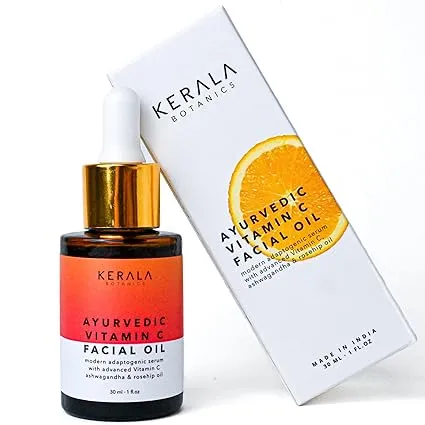
Ayurvedic Vitamin C Face Oil
Kerala Botanics
$49
★★★★☆
Look for oils that combine multiple antioxidants rather than single-ingredient options. The synergy between different compounds often works better than isolated nutrients.
Oily Skin and Facial Oils: Making It Work
Having oily skin doesn’t disqualify you from using facial oils. The key is understanding why your skin is oily in the first place.
Sometimes oily skin is actually dehydrated skin overcompensating. Stripping products can trigger more oil production, not less. A lightweight facial oil can help break this cycle by providing the moisture your skin is trying to create.
Start with the thinnest possible layer. Warm 1-2 drops between your palms and press into skin rather than rubbing. If your skin looks shiny after 10 minutes, you’ve used too much.
Pay attention to your T-zone specifically. You might find that oil works well on your cheeks but causes congestion around your nose. Spot application is perfectly fine — your entire face doesn’t need the same treatment.
For oily skin types, mixing a drop of facial oil into your regular moisturizer often works better than applying oil separately. This dilutes the richness while still providing benefits.
Layering Oils with Other Products
Oils play nicely with most ingredients, but timing matters:
With water-based serums: Apply serums first, let them absorb for 30-60 seconds, then add oil. Hyaluronic acid serums work particularly well under oils since the oil helps seal in the hydration.
With treatments: Most actives should go on clean skin before oil. This includes vitamin C serums, retinoids, and acids. The exception is if you’re using the oil to buffer a strong treatment and prevent irritation.
With moisturizer: Either layer works — oil then moisturizer, or moisturizer then oil. Try both and see which your skin prefers. Drier skin types usually prefer oil last, while oily skin types often prefer oil first.
B-Hydra Intensive Hydration Serum
Drunk Elephant
$42
★★★★☆
With sunscreen: Always test this combination before relying on it. Some oils can break down sunscreen or prevent proper application. If you use oil in the morning, apply it first, wait 5 minutes, then apply sunscreen carefully.
Troubleshooting Common Issues
Oil isn’t absorbing: You’re using too much, or your skin is already well-moisturized. Cut the amount in half and apply to slightly damp skin to improve absorption.
Skin looks greasy: Try applying oil earlier in your routine, or switch to a lighter oil like squalane. You can also try the mixing method — add a drop to your moisturizer instead of applying separately.
Breakouts after starting oil: Stop for a week and see if skin improves. If it does, the oil was likely the culprit. Try a different oil or reduce the frequency to every other night.
Makeup won’t apply smoothly: Morning oil use requires more planning. Either use a truly lightweight oil like squalane, or reserve oils for evening use only. Blotting papers can help remove excess before makeup application.
Building Your Oil Routine
Start simple. Pick one oil and use it 2-3 times per week in the evening. Apply it as the second-to-last step, before your final moisturizer.
After two weeks, assess: Is your skin more hydrated without being greasier? Any new breakouts? Increased sensitivity? If everything looks good, you can increase frequency or experiment with application order.
Most people find their sweet spot at 4-5 times per week for evening use. Daily application works for some, but it’s not necessary for most skin types.
The goal isn’t to use oil because you should — it’s to use it because it makes your skin function better. If your current routine already handles hydration well, adding oil might be redundant. If you’re dealing with tightness, flaking, or that tight feeling after cleansing, oil can help.
Putting It All Together
Facial oils work when you match the right oil to your skin type, apply it at the right time, and use the right amount. The comedogenic rating system isn’t reliable — your skin’s actual response over 2-3 weeks matters more.
For acne-prone skin, start with squalane or jojoba oil applied before moisturizer in the evening. Use 2-3 drops maximum and focus on hydration rather than heavy occlusion.
Remember that oily skin can still benefit from facial oils, especially if dehydration is driving excess oil production. The key is starting light and adjusting based on how your skin responds.
Oil isn’t mandatory, but when used correctly, it can simplify your routine while providing real hydration benefits. Just skip the 12-step approach and focus on what actually works for your skin.