
Routines
How to Repair a Damaged Skin Barrier in 2 Weeks
Science-backed protocol to restore your skin barrier with ceramides, cholesterol, and fatty acids. Real timeline, no marketing fluff.
Disclosure — This article may contain affiliate links. We earn a small commission at no extra cost to you when you purchase through our links. This supports our ability to create independent, evidence-based skincare content.
Your skin barrier doesn’t need a month to heal. Two weeks is realistic for most damage — if you know what actually works and what’s just expensive marketing.
The skin barrier is a mix of ceramides, cholesterol, and fatty acids in a specific 3:1:1 ratio. When this gets disrupted (from over-exfoliation, harsh products, or environmental stress), your skin loses water and becomes reactive. The solution isn’t complicated, but it requires precision.
Here’s the protocol that actually works, backed by research on barrier lipid ratios and what dermatologists use for compromised skin.
Week 1: The Reset Phase
Stop Everything That Could Be Causing Damage
This means no actives for 14 days. No retinol, no acids, no vitamin C serums, no exfoliation. If you’re currently using tretinoin or other prescription actives, consult your dermatologist before stopping.
The exception: if you’re dealing with active acne, you can continue with a gentle salicylic acid cleanser (2% max) every other day. But skip everything else.
The 3-Product Routine
Morning:
- Gentle cleanser (or just water if your skin is very irritated)
- Barrier repair moisturizer
- Sunscreen (mineral formulas are less irritating)
Evening:
- Gentle cleanser
- Barrier repair moisturizer
- Occlusive layer (optional but recommended for severely damaged barriers)
What Makes a Good Barrier Repair Moisturizer
Look for ceramides (specifically ceramide 1, 3, and 6-II), cholesterol, and fatty acids like palmitic or stearic acid. The research on optimal ratios comes from studies on atopic dermatitis — conditions where the barrier is severely compromised.
CeraVe Moisturizing Cream hits this target. It contains three essential ceramides, cholesterol, and hyaluronic acid in a petrolatum base that prevents water loss. The 19-ounce jar lasts months and costs less than most serums.
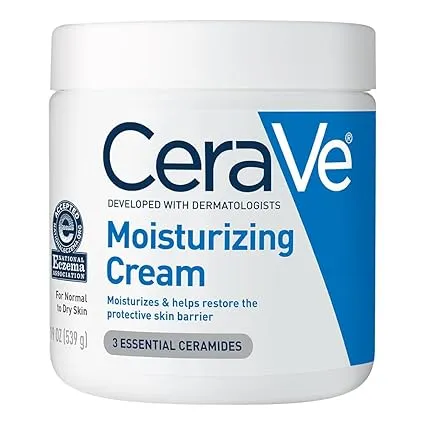
Moisturizing Cream
CeraVe
$19
★★★★☆
For extra irritation or inflammatory conditions, La Roche-Posay Cicaplast Baume B5 contains panthenol (vitamin B5) and madecassoside, both proven to reduce inflammation and speed healing.
Cicaplast Baume B5
La Roche-Posay
$15
★★★★☆
The Occlusive Step
At night, seal everything in with a thin layer of petrolatum-based ointment. Aquaphor Healing Ointment is 41% petrolatum plus glycerin and panthenol. It prevents transepidermal water loss better than any other ingredient class.

Healing Ointment
Aquaphor
$6
★★★★½
Apply it over your moisturizer, not instead of it. You want the barrier lipids from the moisturizer plus the occlusive protection from the ointment.
Week 2: Gentle Reintroduction
How to Tell If Your Barrier Is Healing
By day 7-10, you should notice less stinging when applying products, reduced redness, and skin that feels less tight. Your face shouldn’t feel like it’s shrinking after washing anymore.
If you’re still experiencing significant irritation after week 1, extend the reset phase. Some barriers need three weeks, especially if the damage was severe or ongoing for months.
Adding Back One Active (Maximum)
Choose your most essential active. For most people, that’s either a retinoid for anti-aging or vitamin C for antioxidant protection. Don’t try to add both.
If you choose vitamin C, consider an oil-based formula instead of a traditional serum. Kerala Botanics Ayurvedic Vitamin C Face Oil combines a stable vitamin C derivative with bakuchiol (a gentle retinol alternative) in a nourishing oil base. The oil format is less likely to irritate healing skin than water-based serums.
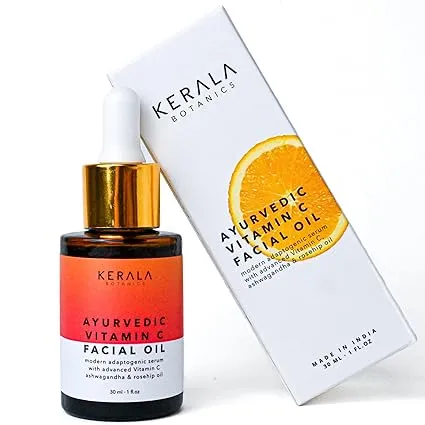
Ayurvedic Vitamin C Face Oil
Kerala Botanics
$49
★★★★☆
Start with every third night. If your skin tolerates this for a week without irritation, you can increase to every other night.
The Mistake Most People Make
They assume their barrier is healed and immediately return to their full routine. This undoes weeks of progress. Your barrier might feel better, but it takes 28 days (one full skin cycle) to fully restore the lipid matrix.
The Science Behind the 2-Week Timeline
Studies on tape-stripping (a method that removes the stratum corneum to study barrier repair) show that barrier function begins recovering within 24-48 hours. The most dramatic improvement happens in the first week.
Research on atopic dermatitis patients using barrier repair creams shows significant improvement in skin hydration and pH within 14 days. But complete normalization takes 4-6 weeks of consistent use.
The two-week mark is when most people see enough improvement to feel confident their routine is working. It’s not complete healing — it’s substantial progress.
What Not to Do During Barrier Repair
Don’t Use “Barrier Repair” Products with Actives
Many products marketed for barrier repair contain ingredients that can irritate compromised skin. Avoid anything with:
- Alcohol (especially denatured alcohol high on the ingredient list)
- Essential oils or fragrance
- Alpha or beta hydroxy acids
- High concentrations of niacinamide (over 5%)
Niacinamide can be helpful for barrier repair, but damaged skin is often more sensitive to it. If your current products contain niacinamide and aren’t irritating, continue using them. If you’re starting fresh, skip it for now.
Don’t Over-Moisturize
More layers don’t equal faster healing. Stick to your morning and evening routine. Adding midday touch-ups or multiple moisturizers can actually slow recovery by keeping the skin too occluded.
Don’t Expect Linear Progress
Your skin might look worse on day 3 than day 1. This is normal as damaged cells shed and new ones form. The improvement usually becomes obvious around day 7-10, not immediately.
Choosing the Right Cleanser
Damaged barriers can’t tolerate sulfates or strong surfactants. Look for cleansers with gentle surfactant systems or cream cleansers.
La Roche-Posay Toleriane Caring Wash is a soap-free formula with ceramide-3 and niacinamide. It cleans without disrupting the pH or lipid structure.

Toleriane Caring Wash
La Roche-Posay
$15
★★★★☆
If your skin is severely compromised, skip cleansing in the morning. Water is sufficient unless you applied a thick occlusive layer the night before.
Environmental Factors That Slow Healing
Low Humidity
Skin barriers heal slower in dry environments. If you live in an arid climate or use heating/AC year-round, consider a humidifier in your bedroom. Optimal humidity for skin health is 40-60%.
Hot Water
Keep water temperature lukewarm. Hot water strips lipids faster than your barrier can replace them. This applies to showers too — damaged facial barriers often coincide with body skin that’s also compromised.
UV Exposure
UV radiation generates free radicals that damage barrier lipids. Don’t skip sunscreen during repair, but choose a mineral formula if chemical sunscreens sting.
When to See a Dermatologist
If your barrier doesn’t improve after three weeks of this protocol, or if you develop persistent redness, scaling, or infection, see a dermatologist. You might be dealing with seborrheic dermatitis, rosacea, or another condition that requires prescription treatment.
Some barriers are damaged by underlying conditions, not just harsh products. Eczema, psoriasis, and hormonal changes can all impair barrier function in ways that require medical management.
Maintaining Your Barrier Long-Term
Once your skin is healed, the goal is not to return to whatever damaged it in the first place. If over-exfoliation caused the problem, be more conservative with acids when you reintroduce them.
Consider a minimalist routine as your new baseline. You can add actives back gradually, but your skin has shown you it has limits. Respect them.
The barrier repair products you used during healing can become maintenance products. CeraVe and similar formulas work for healthy skin too, not just damaged barriers.
Putting It All Together
Barrier repair is straightforward but requires discipline. Most people fail because they can’t resist adding products or rushing the timeline. Two weeks of boring skincare beats months of irritation.
Start with the reset: gentle cleanser, barrier repair moisturizer, occlusive at night, and nothing else. Week 2, you can add one active if your skin is clearly improving. After 14 days, you should have a good sense of whether this approach works for your skin.
The products don’t have to be expensive, but they do need the right ingredients in effective concentrations. Focus on the ceramide-cholesterol-fatty acid ratio, avoid irritants, and give your skin the time it needs to rebuild what was damaged.
Your barrier didn’t break overnight. Don’t expect it to heal that way either.