
Routines
The 3-Step Skincare Routine That Actually Works
Skip the 10-step routines. These three products — cleanser, moisturizer, and SPF — deliver 80% of the results with 20% of the effort.
Disclosure — This article may contain affiliate links. We earn a small commission at no extra cost to you when you purchase through our links. This supports our ability to create independent, evidence-based skincare content.
Most skincare routines fail because they try to solve twelve problems at once. The average routine now includes eight steps and costs more than most people’s monthly grocery bill. No wonder 60% of people give up on their routine within three months.
The 80/20 rule applies to skincare better than almost anything else. Three products — a cleanser, moisturizer, and SPF — deliver roughly 80% of what your skin actually needs. Everything else is optimization around the edges.
This is not an argument against actives or sophisticated routines. It’s an argument for building something that works before you start adding layers. Most people need boring consistency more than they need the latest peptide.
Why the 3-Step Routine Works
Skin has three basic needs: gentle cleaning, hydration, and protection from UV damage. Everything else — whether that’s vitamin C, retinoids, or acids — is enhancement, not foundation.
The data backs this up. A 2019 study in the Journal of the American Academy of Dermatology found that consistent use of a basic cleanser-moisturizer-SPF routine improved skin barrier function more than sporadic use of complex multi-step routines. Consistency beats complexity every time.
The psychological factor matters too. Complex routines create decision fatigue. When you’re staring at seven bottles at 6 AM, it’s easier to skip everything. Three steps happen on autopilot within two weeks.
Step 1: The Right Cleanser
Your cleanser’s job is simple: remove dirt, oil, and yesterday’s skincare without stripping your skin barrier. Most people overcomplicate this step or get it entirely wrong.
What Works
Look for gentle surfactants like cocamidopropyl betaine or sodium cocoyl isethionate. Avoid sodium lauryl sulfate (SLS) — it’s too harsh for daily use on facial skin. The pH should sit between 5.0 and 6.5 to match your skin’s natural acidity.
Cream cleansers work for dry skin. Gel cleansers work for oily skin. Foaming cleansers work for combination skin, but only if they’re properly formulated. Oil cleansers work for everyone, despite what marketing teams want you to believe about “oil attracting oil.”
Our Top Picks
For most skin types, CeraVe’s Hydrating Foaming Oil Cleanser hits the sweet spot. It removes makeup and sunscreen without that tight, squeaky feeling that signals barrier damage.
Hydrating Foaming Oil Cleanser
CeraVe
$12
★★★★☆
If you have sensitive skin or rosacea, La Roche-Posay’s Toleriane Caring Wash is gentler. No fragrance, no essential oils, no potential irritants.
Toleriane Caring Wash
La Roche-Posay
$15
★★★★☆
When to Skip Double Cleansing
You don’t need to double cleanse unless you wear heavy makeup or water-resistant sunscreen. One good cleanser removes most makeup and all SPF. Double cleansing has its place, but it’s not essential for the 3-step routine.
Step 2: A Solid Moisturizer
Moisturizers do three things: deliver water to your skin, prevent water loss, and support barrier repair. The best ones do this without pilling, feeling greasy, or interfering with SPF application.
The Science of Hydration
Your skin barrier is essentially a brick wall — dead skin cells (the bricks) held together by lipids (the mortar). When this barrier is intact, skin looks plump and feels comfortable. When it’s damaged, you get irritation, sensitivity, and that tight feeling.
Effective moisturizers combine three types of ingredients: humectants (like hyaluronic acid) that pull water in, emollients (like squalane) that smooth the surface, and occlusives (like ceramides) that lock everything in place.
What to Look For
Ceramides are non-negotiable. These lipids match what your skin produces naturally and actually repair barrier damage over time. Hyaluronic acid is helpful but not essential — your moisturizer needs to work even in low-humidity environments.
Skip anything with a long fragrance list or essential oils. Lavender oil might smell nice, but it’s a known irritant for many people. Same goes for citrus oils, peppermint, and tea tree in leave-on products.
Our Recommendation
CeraVe Moisturizing Cream remains the gold standard. Three essential ceramides, hyaluronic acid, and MVE technology that releases ingredients slowly over 24 hours. It’s been tested in more clinical studies than most prescription medications.
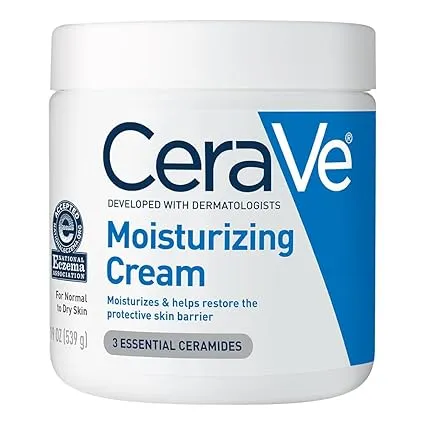
Moisturizing Cream
CeraVe
$16
★★★★½
Yes, it’s boring. Yes, it works better than most $80 alternatives. Our full review explains why this formula punches above its weight class.
Application Tips
Apply to damp skin for better absorption. This traps extra water and helps the humectants work more effectively. Use upward strokes and don’t forget your neck — the skin there is thinner and shows aging faster.
Step 3: SPF That You’ll Actually Use
Sunscreen is the closest thing to an anti-aging miracle that exists. Daily SPF use prevents roughly 80% of visible aging and reduces skin cancer risk by 40%. The catch? It only works if you use it every single day.
The Reality Check
Most people apply about 25% of the recommended amount of sunscreen. The lab standard is 2mg per square centimeter — that’s about 1/4 teaspoon for your face and neck. Our guide on application amounts breaks down the exact measurements.
This is why the formula matters more than the SPF number. SPF 30 that you actually use beats SPF 50 that sits in your medicine cabinet.
Chemical vs. Mineral
Chemical sunscreens (avobenzone, octinoxate, homosalate) absorb UV radiation. Mineral sunscreens (zinc oxide, titanium dioxide) reflect it. Both work. Chemical formulas tend to feel lighter; mineral formulas cause less irritation.
The “reef safe” debate is more complicated than most brands admit. Hawaii’s sunscreen ban targets specific chemical filters, but the research on coral damage is still evolving. If ocean impact concerns you, stick with zinc oxide and titanium dioxide.
Our Top Pick
La Roche-Posay’s Anthelios Melt-in Milk SPF 60 works under makeup, doesn’t pill with moisturizer, and actually feels pleasant to apply. The formula combines chemical and mineral filters for broad-spectrum protection without the typical white cast.
Anthelios Melt-in Milk Sunscreen SPF 60
La Roche-Posay
$36
★★★★☆
Our full review covers the texture, longevity, and how it performs under makeup. For more options, check out our roundup of the best Korean sunscreens or mineral sunscreens without white cast.
When (and Only When) to Add Actives
The 3-step routine handles the basics. Actives address specific concerns — fine lines, hyperpigmentation, acne, or texture issues. But they’re supplements, not replacements for the foundation.
The 80/20 Rule for Actives
If your basic routine isn’t working after 4-6 weeks, the problem usually isn’t that you need more products. It’s that one of your three products isn’t right for your skin type or you’re not using enough sunscreen.
Once your skin feels comfortable and looks healthy, then consider adding targeted treatments. Start with one active. Use it for at least 8 weeks before adding anything else.
The Big Four Actives
Vitamin C for brightness and antioxidant protection. L-ascorbic acid is the most researched, but magnesium ascorbyl phosphate is gentler for sensitive skin. Our vitamin C guide covers the options.
Retinoids for anti-aging and acne. Start with retinol, not tretinoin. The Ordinary’s Retinol 0.25% is a solid entry point. Here’s how retinol compares to other retinoids.
Chemical exfoliants for texture and pore appearance. Salicylic acid for oily, acne-prone skin. Glycolic acid for sun damage and fine lines. Chemical vs. physical exfoliation explains the differences.
Niacinamide for oil control and barrier support. It’s one of the most versatile actives and plays well with other ingredients. Our complete niacinamide guide covers dosing and combinations.
Smart Active Additions
If you want to optimize the 3-step routine without abandoning simplicity, look for products that multitask. Kerala Botanics’ Ayurvedic Vitamin C Face Oil combines an advanced form of vitamin C with bakuchiol (a plant-based retinol alternative) in an oil format that can replace your moisturizer at night.
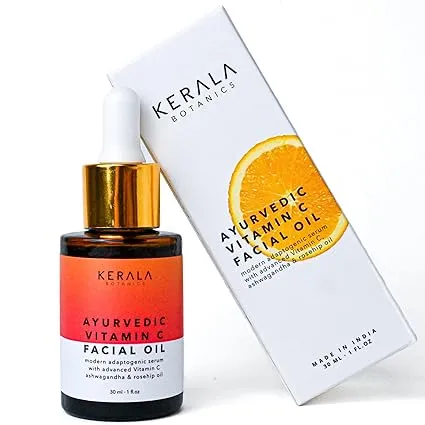
Ayurvedic Vitamin C Face Oil
Kerala Botanics
$49
★★★★☆
This type of formula keeps you in the minimalist mindset while addressing multiple concerns. The oil format won’t work for everyone — oily skin types may find it too heavy — but for normal to dry skin, it’s an efficient way to add actives without adding steps.
For a more traditional approach, The Ordinary’s Retinol 0.25% is straightforward and affordable.
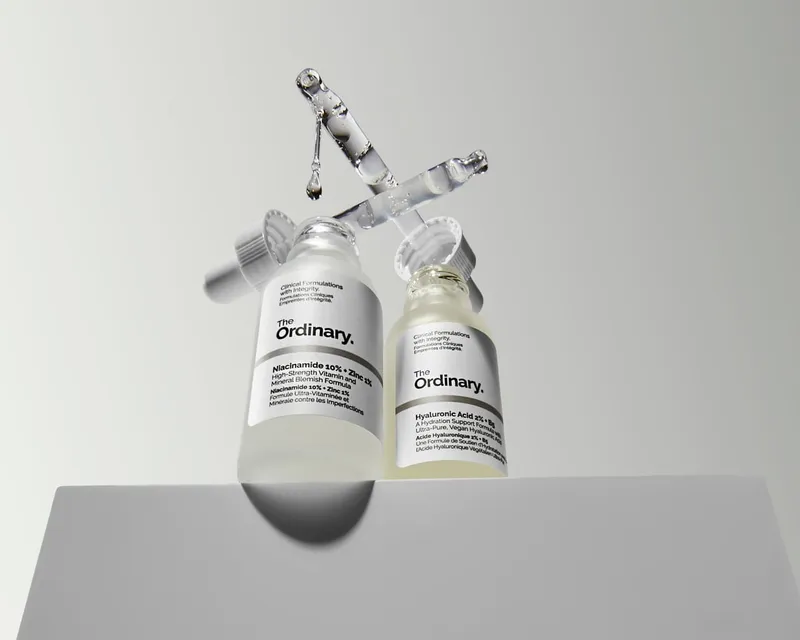
Retinol 0.25%
The Ordinary
$7
★★★★☆
Layering Rules
When you do add actives, proper layering matters. Thinnest to thickest is the basic rule, but pH and ingredient interactions complicate things. Vitamin C goes on clean skin in the morning. Retinoids go on clean skin at night. Don’t combine acids with retinoids until your skin is fully adapted to both.
The Morning vs. Evening Split
Your morning routine protects. Your evening routine repairs. This isn’t marketing — it’s based on how your skin actually functions throughout the day.
Morning: Protection Mode
Cleanse, moisturize, SPF. That’s it. If you use vitamin C, it goes between cleanser and moisturizer. The goal is to create a barrier between your skin and environmental damage.
Don’t overthink the order. As long as SPF goes on last and you’re not mixing incompatible actives, the specifics matter less than consistency. Our complete morning routine guide has more details.
Evening: Repair Mode
This is where you can add more actives if needed. Your skin repairs itself at night, so that’s when retinoids, acids, and intensive treatments work best.
Evening routine: cleanser, any actives, moisturizer. If you use a facial oil, it can replace your moisturizer or go on top as a final occlusive layer. Our evening routine breakdown covers the timing and order.
Common 3-Step Mistakes
Mistake 1: Switching Products Too Often
Skin adaptation takes 4-6 weeks minimum. Switching cleansers every two weeks because you don’t see dramatic results is counterproductive. Boring consistency beats exciting variety.
Mistake 2: Under-applying SPF
You need more than you think. The difference between SPF 30 applied correctly and SPF 50 applied thinly is huge — and not in favor of the SPF 50.
Mistake 3: Over-cleansing
Washing your face twice a day with a proper cleanser is enough. Adding a morning acid wash or evening oil cleanse when you don’t wear makeup is overkill. More is not always better.
Mistake 4: Ignoring Your Neck
Your skincare doesn’t stop at your jawline. Extend everything — cleanser, moisturizer, SPF — down to your collarbone. Neck skin is thinner and shows aging faster than facial skin.
Making It Stick: The Psychology of Simple Routines
The biggest barrier to good skin isn’t finding the right products — it’s using them consistently. Complex routines fail because they require too many decisions and too much time.
The Two-Week Rule
Any routine change feels awkward for about 14 days. After that, it becomes automatic. Plan for this adjustment period instead of abandoning ship when day three feels clunky.
Batch Your Shopping
Buy 3-month supplies of your basics. Running out of cleanser and switching to whatever’s available at the drugstore disrupts your routine and your skin. Stock up when you find products that work.
Track Results, Not Products
Take progress photos monthly. Note how your skin feels, not just how it looks. The biggest improvements from a solid basic routine are often about comfort and resilience, not dramatic visual changes.
Putting It All Together
The 3-step routine works because it’s built around what skin actually needs, not what the beauty industry wants to sell you. Clean, hydrate, protect. Everything else is optional.
Start here. Use these three steps consistently for 6-8 weeks. Then — and only then — consider what specific concerns you want to address with targeted actives.
Most people discover that clean, hydrated, protected skin looks pretty good on its own. The expensive serums and multi-step treatments are still there if you want them. But you might find you don’t need them as much as you thought.
The goal isn’t to have the most sophisticated routine. It’s to have skin that looks and feels healthy with the least amount of daily effort. For most people, three products and five minutes get you 90% of the way there.