
Ingredients
Ceramides Explained: The Barrier Lipid Hiding in Every Cult Moisturizer
Why ceramides work better with cholesterol and fatty acids than alone. The science behind barrier repair and MLE technology explained.
Disclosure — This article may contain affiliate links. We earn a small commission at no extra cost to you when you purchase through our links. This supports our ability to create independent, evidence-based skincare content.
Every dermatologist-approved moisturizer has them. Every “barrier repair” serum lists them first. But ceramides aren’t magic — they’re just one piece of a three-part puzzle that most brands get wrong.
Here’s what the research actually shows: ceramides work when they’re combined with cholesterol and fatty acids in the right ratio. Alone, they’re expensive filler. Together, they rebuild your skin’s natural defense system from the ground up.
What Ceramides Actually Do
Ceramides are lipids (fats) that make up roughly 50% of your skin’s outermost layer. Think of them as the mortar between skin cells — they fill gaps and prevent water loss. When ceramide levels drop (which happens with age, damage, or harsh products), your barrier weakens. Moisture escapes. Irritants get in.
The science is straightforward. Healthy skin contains nine different ceramide types, each with a slightly different structure and function. Ceramides 1, 3, and 6-II are the heavy hitters — they’re the ones most depleted in compromised barriers and the focus of most skincare formulas.
But here’s where it gets interesting: skin biopsies show that ceramides don’t work alone. They’re part of a lipid matrix that also includes cholesterol and free fatty acids. The ratio matters. A lot.
The 3:1:1 Ratio That Actually Works
When researchers analyzed healthy skin, they found a consistent pattern: ceramides, cholesterol, and fatty acids exist in roughly a 3:1:1 molar ratio. This isn’t random — it’s the optimal proportion for barrier function.
Studies using this ratio show significant improvements in water loss prevention and barrier recovery. Deviate from it, and the benefits drop off. Load up on ceramides alone, and you’re missing the synergy that makes them effective.
Most brands ignore this. They dump ceramides into formulas without the supporting players, then wonder why clinical results are mediocre. The smart ones (SkinCeuticals, some K-beauty brands, surprisingly few others) formulate with all three components in the right proportions.
This is why a $15 drugstore moisturizer with balanced lipids often outperforms a $80 ceramide serum that skips the cholesterol and fatty acids. Chemistry beats marketing every time.
The Nine Types (And Which Ones Matter)
Human skin produces nine ceramide subtypes, labeled Ceramides 1 through 9. Each has a different molecular structure and role:
Ceramides 1, 3, and 6-II are the workhorses. They’re most depleted in damaged barriers and have the strongest research backing. Most effective products focus on these three.
Ceramide 2 helps with flexibility and smooth texture. Less critical but nice to have.
Ceramides 4 and 5 are structural supporters — they reinforce the lipid matrix but aren’t game-changers on their own.
Ceramides 7, 8, and 9 are newer additions to the research. Limited clinical data on topical application.
The takeaway: you don’t need all nine. A formula with ceramides 1, 3, and 6-II plus cholesterol and fatty acids will outperform one with all nine ceramides but missing the other lipids. Quality over quantity.
Why Ceramide-Only Products Fall Short
Walk through Sephora and you’ll find dozens of products touting high ceramide concentrations. Most underperform because they treat ceramides like a standalone active instead of part of a system.
The problem is biochemical. When you apply pure ceramides to skin, they don’t automatically organize into the lamellar (layered) structure needed for barrier function. Without cholesterol to provide membrane fluidity and fatty acids to fill spaces, ceramides just sit on the surface. They moisturize temporarily but don’t rebuild the barrier long-term.
Research comparing ceramide-only formulas to balanced lipid blends consistently shows the same result: the combination products win on hydration, barrier recovery, and irritant protection. It’s not close.
This explains why some cult ceramide products disappoint. They’re using an incomplete approach to a complex biological process. The ingredient works — the formulation strategy doesn’t.
MLE Technology: The Smart Approach
Multi-lamellar emulsion (MLE) technology is the current gold standard for ceramide delivery. Instead of just mixing lipids together, MLE creates microscopic layers that mimic skin’s natural structure.
The process uses specific emulsifiers and cooling techniques to arrange ceramides, cholesterol, and fatty acids into ordered bilayers. When applied, these layers integrate with your existing lipid matrix instead of sitting on top.
Brands using true MLE technology include Aestura, some CeraVe products, and a handful of prescription barrier repair creams. The difference in clinical testing is substantial — better penetration, longer-lasting hydration, faster barrier recovery after damage.
Not every product claiming “lamellar technology” uses genuine MLE. Real MLE requires specific manufacturing processes and shows up in texture — these products have a distinctive, almost gel-cream consistency that absorbs differently than traditional moisturizers.

Atobarrier 365 Cream
Aestura
$24
★★★★☆
How to Spot Effective Ceramide Products
Reading labels for ceramide products requires some translation. Here’s what to look for:
Good signs: Ceramides 1, 3, and 6-II (or their chemical names: ceramide EOP, ceramide NP, ceramide AP). Cholesterol listed in the first 10 ingredients. Fatty acids like behenic acid or palmitic acid. Terms like “multi-lamellar” or “biomimetic lipids.”
Red flags: Only one ceramide type. Ceramides listed but no cholesterol or fatty acids. Marketing focused on ceramide percentage rather than the complete lipid profile. Extremely lightweight texture (true barrier repair creams have some heft).
The texture test: Effective ceramide products feel substantial but absorb well. They shouldn’t be greasy, but they also shouldn’t feel like water. There’s a distinct richness that comes from properly formulated lipid blends.
Price isn’t always an indicator. Some expensive ceramide serums are mostly water and silicones. Some affordable drugstore creams use better lipid ratios than luxury competitors.
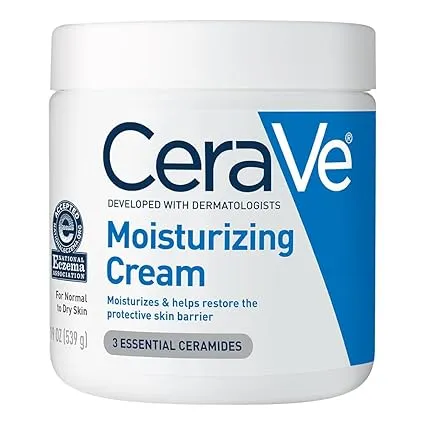
Moisturizing Cream
CeraVe
$19
★★★★☆
Beyond Traditional Ceramide Creams
While most ceramide products are moisturizers, the ingredient is appearing in other formats. Face oils with ceramide precursors are becoming popular, particularly in natural and Ayurvedic formulations.
Plant-derived ceramides from sources like konjac root or wheat are showing up in clean beauty products. The research is thinner than synthetic ceramides, but some studies suggest they can support barrier function when formulated correctly.
Oil-based ceramide products offer advantages for very dry skin or those who prefer simplified routines. The oil format can enhance penetration and provides additional barrier support through occlusive effects.
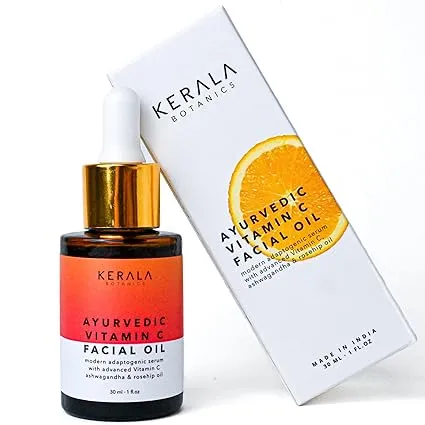
Ayurvedic Vitamin C Face Oil
Kerala Botanics
$49
★★★★☆
When You Actually Need Ceramides
Not everyone needs dedicated ceramide products. If your skin feels comfortable, holds moisture well, and doesn’t react to new products, your natural ceramide production is probably adequate.
Signs you might benefit from ceramide supplementation: persistent dryness despite regular moisturizing, skin that stings when you apply products, visible flaking or rough texture, increased sensitivity to weather or environmental factors.
Ceramides are particularly helpful after barrier damage from over-exfoliation, harsh treatments, or environmental stress. They’re also useful for mature skin, since natural ceramide production declines with age.
The timing matters. Ceramide products work best on slightly damp skin and under occlusive ingredients. Apply them after water-based serums but before heavier creams or oils. Give them time to absorb — the lamellar structure needs 10-15 minutes to properly integrate.
For more guidance on layering ceramide products with other actives, check out our guide on how to layer skincare properly.
Ceramides and Other Actives
Ceramides play well with most ingredients, but some combinations are particularly synergistic. Hyaluronic acid draws water into the spaces between ceramides, enhancing hydration. Niacinamide supports natural ceramide production, making it a smart long-term pairing.
Retinoids can initially disrupt ceramide levels, which is why many people experience dryness when starting retinol. Using a ceramide-rich moisturizer helps counteract this effect and improves retinoid tolerance.
Avoid applying ceramide products immediately after strong acids or high-concentration vitamin C serums. The pH difference can interfere with ceramide organization. Space them apart by 15-20 minutes or use acids in the morning and ceramides at night.
If you’re dealing with a damaged skin barrier, ceramide products work best as part of a simplified routine. Skip actives until the barrier recovers, then gradually reintroduce them.
The Premium Options Worth Considering
While drugstore ceramide products can be excellent, some luxury options justify their higher prices through superior formulation or additional beneficial ingredients.
SkinCeuticals Triple Lipid Restore uses a researched 2:4:2 ratio of ceramides, natural cholesterol, and fatty acids. The clinical data is strong, and the texture is distinctively rich without being heavy. At $132, it’s expensive but genuinely different from cheaper alternatives.
Triple Lipid Restore 2:4:2
SkinCeuticals
$132
★★★★½
Some Korean brands like Dr. Jart+ and Zeroid offer innovative ceramide delivery systems at mid-range prices. These often incorporate additional barrier-supporting ingredients like panthenol or centella asiatica.
The key is understanding what you’re paying for. Higher prices should reflect better lipid ratios, advanced delivery technology, or additional actives — not just marketing and packaging.
Putting It All Together
Ceramides work, but only when formulated correctly. Look for products that include cholesterol and fatty acids, preferably in researched ratios. Don’t be swayed by high ceramide percentages alone — it’s the complete lipid profile that matters.
Start with a basic ceramide moisturizer to see how your skin responds. If you notice improvements in hydration and comfort, you can explore more advanced options like MLE formulations or ceramide-containing serums.
Remember that ceramides are a long-term strategy. Unlike acids or retinoids, which show quick visible changes, ceramides work gradually to strengthen your skin’s fundamental structure. Give them at least 4-6 weeks to see meaningful results.
The best ceramide product is the one you’ll actually use consistently. Whether that’s a $19 drugstore cream or a $130 luxury treatment depends on your skin’s needs, your routine preferences, and your budget. The science supports both approaches — as long as the formulation gets the basics right.