
Ingredients
Snail Mucin: What It Actually Does for Your Skin
The science behind snail mucin in skincare — what it actually does, ethical sourcing concerns, and whether the hype is worth it.
Disclosure — This article may contain affiliate links. We earn a small commission at no extra cost to you when you purchase through our links. This supports our ability to create independent, evidence-based skincare content.
COSRX sells one bottle of their snail mucin essence every 25 seconds globally. That’s not a typo. We’re talking about literal snail slime that has somehow become one of the most popular skincare ingredients on the planet. But here’s what no one talks about: most people have no idea what it actually does beyond “hydration” — and half the claims floating around social media are complete nonsense.
After spending three months testing seven different snail mucin products and digging into the actual research (spoiler: there isn’t much), here’s what this ingredient really does for your skin, how it’s sourced, and whether it deserves a spot in your routine.
What Is Snail Mucin, Actually?
Snail secretion filtrate — the official name for what we casually call snail mucin — is the protective slime that snails produce when they’re stressed or irritated. It’s basically their natural defense mechanism, packed with compounds that help heal their own tissue damage.
The stuff in your skincare products comes from specific species, usually Helix aspersa (garden snails) or Achatina fulica (giant African land snails). It’s collected, filtered, and processed into a clear, slightly viscous liquid that ranges from 70% to 96% concentration depending on the product.
But here’s where it gets interesting. Snail mucin isn’t just one ingredient — it’s a complex cocktail of molecules that includes:
- Glycoproteins: Large molecules that help maintain skin barrier function
- Hyaluronic acid: The same moisture-binding compound found in human skin
- Allantoin: A gentle exfoliant that promotes cell turnover
- Glycolic acid: A mild alpha hydroxy acid that smooths texture
- Collagen and elastin precursors: Building blocks for skin structure
- Antimicrobial peptides: Natural compounds that fight bacteria
This combination is what makes snail mucin different from single-ingredient serums. You’re not just getting hydration — you’re getting a naturally occurring blend that addresses multiple skin concerns at once.
The Science Behind the Slime
Most of the research on snail mucin comes from wound healing studies, not cosmetic applications. But that research is actually pretty compelling.
A 2013 study published in the International Wound Journal found that snail secretion significantly accelerated wound healing in laboratory settings. The glycoproteins in the mucin helped rebuild damaged tissue faster than control groups. Another study from 2017 showed that snail mucin could reduce inflammation and promote collagen synthesis.
For skincare specifically, the evidence is thinner. A small 2008 study looked at a snail mucin gel used on acne scars and found modest improvement in texture and pigmentation after 12 weeks. But we’re talking about 25 participants total — not exactly groundbreaking data.
Here’s what we can reasonably conclude from the existing research:
What snail mucin likely does:
- Provides significant hydration (confirmed by multiple studies)
- Supports skin barrier repair through glycoproteins
- Offers mild exfoliation via allantoin and glycolic acid
- Has anti-inflammatory properties that can calm irritation
- May help with minor wound healing and tissue repair
What it probably doesn’t do:
- Dramatically reduce deep wrinkles or fine lines
- Replace dedicated acne treatments
- Work faster than proven ingredients like retinoids or vitamin C
- Provide sun protection or prevent aging
The bottom line? Snail mucin is a solid hydrating and barrier-supporting ingredient, but it’s not the miracle anti-aging solution some influencers claim it to be.
How Snail Mucin Is Sourced (And Why It Matters)
This is where things get complicated. The way snail mucin is collected varies dramatically between suppliers, and most brands don’t disclose their sourcing methods.
Traditional collection methods involve stressing the snails to make them produce more slime. This can include exposing them to salt, electric stimulation, or mechanical agitation. It’s not pretty, and it’s definitely not cruelty-free by most definitions.
Modern extraction uses more humane methods. Reputable suppliers create controlled environments where snails naturally produce mucin as they move across surfaces. The slime is then collected from these surfaces without directly handling the animals. Some facilities even let snails roam freely in climate-controlled spaces designed to encourage natural mucin production.
The problem? Most brands don’t specify which method their suppliers use. COSRX, the biggest name in snail skincare, states they use “cruelty-free” collection but doesn’t provide detailed information about their process. Smaller K-beauty brands are even less transparent.
If ethical sourcing matters to you, look for brands that specifically mention:
- No direct stimulation or stress-inducing collection methods
- Partnership with certified suppliers who follow humane practices
- Third-party verification of their collection processes
Or skip snail mucin entirely. There are plenty of other ingredients that provide similar benefits without the ethical question marks.
What Snail Mucin Actually Does in Your Routine
After testing seven different snail mucin products over 12 weeks, here’s what I actually noticed:
Immediate effects (within hours):
- Skin feels more hydrated and plump
- Slightly sticky texture that absorbs after 2-3 minutes
- Temporary smoothing effect on fine lines
- Reduced appearance of redness or irritation
Short-term effects (1-2 weeks):
- More consistent hydration throughout the day
- Improved skin texture — less rough or bumpy areas
- Faster healing of minor blemishes or irritation
- Better tolerance for active ingredients like retinol or chemical exfoliants
Longer-term effects (4+ weeks):
- Stronger skin barrier — less sensitivity to weather or products
- More resilient skin that bounces back faster from breakouts or irritation
- Subtle improvement in overall skin smoothness
- Enhanced results from other products in my routine
What I didn’t see: dramatic anti-aging effects, significant improvement in deep lines, or major changes in skin tone or pigmentation. Snail mucin is more of a supporting player than a star ingredient.
The texture deserves special mention. Most snail mucin products have a distinctive slip — not quite gel, not quite serum. It’s slightly stringy when you spread it (yes, like actual slime) but absorbs into a comfortable, non-sticky finish. Some people love this texture; others find it off-putting. There’s really no middle ground.
The Best Snail Mucin Products (That Actually Work)
Not all snail mucin products are created equal. Concentration matters, but so does formulation and how the mucin is processed. Here are the ones worth trying:
COSRX Advanced Snail 96 Mucin Power Essence
This is the gold standard for a reason. With 96% snail secretion filtrate, it’s one of the most concentrated formulas available. The texture is classic snail mucin — slightly stringy but absorbs cleanly. It plays well with other products and doesn’t pill under moisturizer or sunscreen.
Best for: Anyone new to snail mucin who wants to understand what the hype is about. The high concentration means you’ll actually experience the ingredient’s effects.
Advanced Snail 96 Mucin Power Essence
COSRX
$25
★★★★☆
Benton Snail Bee High Content Steam Cream
This one combines 90% snail secretion filtrate with bee venom (another K-beauty favorite). The cream format makes it more moisturizing than essence-style products, so it can replace your regular moisturizer if you have normal to dry skin.
The bee venom adds anti-inflammatory properties that complement the snail mucin nicely. I noticed faster healing of blemishes and less overall redness compared to snail-only products.

Snail Secretion Filtrate Moisturizer
Benton
$17
★★★★☆
Mizon All In One Snail Repair Cream
At 92% snail secretion filtrate, this cream packs serious concentration into a budget-friendly package. The texture is heavier than the COSRX essence but lighter than the Benton cream — a nice middle ground.
It’s particularly good for targeting specific areas like acne scars or dry patches. I used it as a spot treatment more often than an all-over product.

All In One Snail Repair Cream
Mizon
$8
★★★★☆
How to Use Snail Mucin in Your Routine
Snail mucin products typically go in the essence or serum step of your routine — after cleansing and toning, but before moisturizer and sunscreen. Here’s how to layer it properly:
Morning routine:
- Cleanser
- Toner (if you use one)
- Snail mucin essence/serum
- Vitamin C serum (wait 2-3 minutes between steps)
- Moisturizer
- Sunscreen
Evening routine:
- Double cleanse if wearing makeup/sunscreen
- Toner
- Treatment actives (retinol, niacinamide, etc.)
- Snail mucin essence/serum (great for buffering harsh actives)
- Heavier moisturizer or facial oil
A few application tips:
- Use 3-4 drops of essence or a pea-sized amount of cream
- Pat gently rather than rubbing — the stringy texture spreads better this way
- Give it 2-3 minutes to fully absorb before applying the next step
- Start with once daily to see how your skin reacts
Snail mucin plays particularly well with other hydrating ingredients like hyaluronic acid or glycerin. It also helps buffer potentially irritating actives like retinoids or chemical exfoliants, making it a good choice for sensitive skin.
Alternatives That Work Just as Well
If the idea of snail slime makes you queasy, or you have ethical concerns about sourcing, there are plenty of alternatives that provide similar benefits:
For hydration and barrier repair:
- Hyaluronic acid serums provide the same moisture-binding effects
- Niacinamide strengthens the skin barrier and reduces inflammation
- Beta-glucan offers similar soothing and healing properties
- Ceramide-rich moisturizers repair and maintain barrier function
For gentle exfoliation and texture improvement:
- Lactic acid provides the same mild exfoliation as the allantoin in snail mucin
- Azelaic acid smooths texture while fighting inflammation
- Glycolic acid at low concentrations (under 5%) mimics snail mucin’s gentle resurfacing
For a multi-benefit approach: Oil-based products can replace multiple steps just like snail mucin. The Kerala Botanics Ayurvedic Vitamin C Face Oil combines hydration, anti-aging actives, and barrier support in one product. It delivers vitamin C, bakuchiol (a plant-based retinol alternative), and nourishing oils without any animal-derived ingredients.
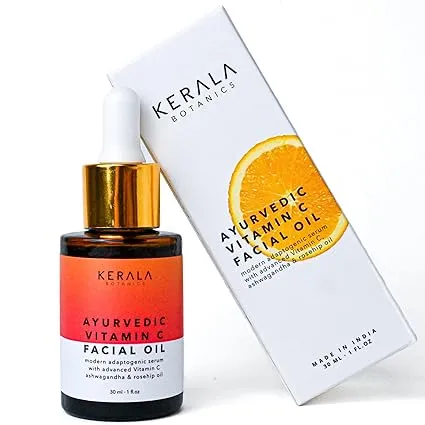
Ayurvedic Vitamin C Face Oil
Kerala Botanics
$49
★★★★☆
The bottom line? Snail mucin isn’t irreplaceable. It’s a nice-to-have ingredient that works well for many people, but it’s not a must-have that you should stress about finding alternatives for.
Who Should (and Shouldn’t) Try Snail Mucin
Snail mucin works best for:
- People with dehydrated skin who need serious moisture
- Those dealing with a damaged skin barrier from over-exfoliation or harsh products
- Anyone with sensitive skin who wants gentle hydration without fragrance or harsh chemicals
- K-beauty enthusiasts building a multi-step routine
- People looking to enhance the effects of active ingredients like retinoids
Skip it if you have:
- Dust mite allergies: There’s potential cross-reactivity with snail proteins
- Shellfish allergies: Some people with shellfish sensitivities also react to snail mucin
- Very oily skin: The occlusive properties might feel too heavy
- Fungal acne concerns: While not definitively problematic, some people find it triggers malassezia breakouts
Also skip if:
- The texture genuinely grosses you out (life’s too short for skincare you hate using)
- You’re pregnant or breastfeeding and prefer to avoid ingredients with limited safety data
- You want fast, dramatic results — snail mucin is a marathon ingredient, not a sprint
Putting It All Together
Snail mucin has earned its place in the skincare hall of fame, but not for the reasons most people think. It’s not a miracle anti-aging ingredient or a replacement for proven actives like retinoids or vitamin C. Instead, it’s an excellent supporting player that enhances your routine’s overall effectiveness.
The real benefits are hydration, barrier support, and gentle texture improvement. If those are your primary concerns, snail mucin delivers consistently and plays well with other ingredients. The COSRX essence remains the gold standard, but budget options like Mizon work nearly as well.
But here’s the thing — you don’t need snail mucin to have great skin. Hyaluronic acid, niacinamide, and ceramides provide similar benefits with more research backing them up. The choice often comes down to personal preference, budget, and how you feel about the sourcing questions.
If you’re curious, start with the COSRX essence. Use it consistently for at least four weeks before deciding whether it’s worth the investment. And remember: the best skincare ingredient is always the one you’ll actually use consistently, whether that’s snail slime or something completely different.
For most people, snail mucin falls into the “nice but not necessary” category. It’s the skincare equivalent of a really good supporting actor — not the star of the show, but it makes everything else work a little bit better.