
Ingredients
Heartleaf (Houttuynia Cordata): The K-Beauty Ingredient Calming Stressed Skin
Heartleaf (Houttuynia Cordata) is K-beauty's go-to for inflamed, acne-prone skin. Here's what it actually does and who should use it.
Disclosure — This article may contain affiliate links. We earn a small commission at no extra cost to you when you purchase through our links. This supports our ability to create independent, evidence-based skincare content.
Heartleaf sounds like something from a romance novel, but this unassuming plant has become K-beauty’s answer to stressed, inflamed skin. The real name is Houttuynia cordata, and if we’re being honest, heartleaf is much easier to remember.
What makes this ingredient different from the parade of other plant extracts promising calm skin? It actually has research backing up those claims. While many botanical ingredients rely on traditional use stories, heartleaf has been studied for its specific anti-inflammatory compounds. That matters when your skin is red, irritated, or breaking out.
What Heartleaf Actually Does
Heartleaf works through quercetin and other flavonoids that dial down inflammatory pathways in skin. Think of inflammation like a house alarm that won’t turn off — heartleaf helps reset the system back to baseline.
The research shows it specifically reduces the inflammatory markers that drive acne. Not by stripping oil or nuking bacteria, but by calming the immune response that turns a clogged pore into an angry bump. That’s why it pairs so well with other acne treatments instead of replacing them.
But here’s what heartleaf doesn’t do: it won’t unclog pores on its own, won’t fade dark spots, and definitely won’t replace your salicylic acid or benzoyl peroxide. It’s a supporting player, not the lead.
Who Should Use Heartleaf
This ingredient shines for specific skin situations:
Oily, acne-prone skin that gets irritated by treatments. If salicylic acid or retinol leaves you red and flaky, heartleaf products can help buffer that reaction while still letting the actives work.
Sensitized skin that’s not normally sensitive. Maybe you overdid it with chemical exfoliation or your skin barrier is compromised. Heartleaf helps dial down that reactive state.
Combination skin with inflammatory acne. The kind where breakouts come with redness and take weeks to fully heal. Heartleaf won’t prevent every pimple, but it can make the ones you get less angry.
If your skin is clear and happy, heartleaf won’t do much for you. It’s a problem-solver, not a general wellness ingredient.
Heartleaf vs Other Calming Ingredients
The calming ingredient space is crowded. Here’s where heartleaf fits:
Heartleaf vs Centella Asiatica: Centella is the broader-spectrum soother — good for general irritation and wound healing. Heartleaf is more targeted to oil-related inflammation and acne. Many products combine both.
Heartleaf vs Niacinamide: Niacinamide controls oil production and has some anti-inflammatory effects, but it’s more about prevention. Heartleaf is about active calming when skin is already upset.
Heartleaf vs Green Tea: Both are antioxidant and anti-inflammatory, but green tea is gentler and better for sensitive skin. Heartleaf is more potent for active breakouts.
The smart move? Don’t choose. These ingredients layer well together, and most good formulas combine multiple calming agents.
How to Use Heartleaf Products
Heartleaf shows up in every step of K-beauty routines, but some formats work better than others.
Cleansers
Oil cleansers with heartleaf make the most sense. The ingredient helps calm any irritation from the cleansing process, especially if you’re double cleansing or using the oil to massage out stubborn sunscreen.

Heartleaf Pore Control Cleansing Oil
Anua
$25
★★★★☆
This is the product that put heartleaf on the map for many people. It’s a solid first cleanser that removes makeup and sunscreen without stripping, and the heartleaf keeps things calm if you tend to get irritated by oil cleansing.
Toners
Heartleaf toners let you layer the ingredient without adding heaviness. They work well in the spot between cleansing and treatment products.

Heartleaf 77% Soothing Toner
Anua
$16
★★★★☆
The name tells you exactly what you’re getting — 77% heartleaf extract in a lightweight, non-sticky formula. It’s particularly good for acne-prone skin that needs hydration without weight.
Serums and Treatments
This is where heartleaf can be most effective, but also where you need to be most careful about layering. The goal is usually to calm skin before or after using stronger actives.
For a different approach to calming treatments, consider oil-based options. The Kerala Botanics Ayurvedic Vitamin C Face Oil combines anti-inflammatory botanicals with vitamin C and bakuchiol, offering both treatment and soothing benefits in one step.
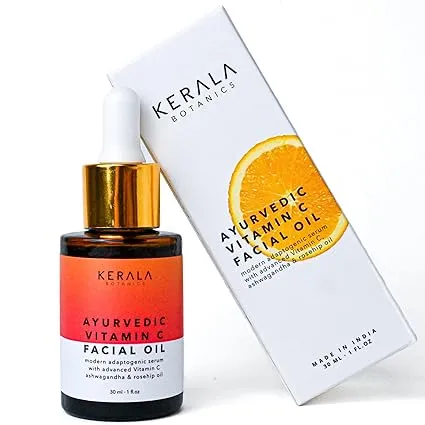
Ayurvedic Vitamin C Face Oil
Kerala Botanics
$49
★★★★☆
While not specifically a heartleaf product, this oil takes a similar approach — using traditional plant ingredients to calm inflammation while delivering active benefits. The bakuchiol provides retinol-alternative effects without irritation.
Sunscreens
Heartleaf in sunscreen makes sense for acne-prone skin, since many sunscreens can trigger breakouts or irritation.

Heartleaf Silky Moisture Sun Cream
Anua
$18
★★★★☆
Building a Routine Around Heartleaf
Heartleaf works best as part of a targeted routine, not as a standalone solution. Here’s how to think about it:
Morning: If you’re using heartleaf sunscreen, you probably don’t need it in other steps. One heartleaf product per routine is usually enough.
Evening: This is where heartleaf shines. Use it in your toner or treatment step, then follow with stronger actives if your skin can handle it. The heartleaf helps buffer irritation from retinol or acids.
Frequency: Unlike actives that need cycling, heartleaf is gentle enough for daily use. Start with once daily and increase if needed.
The key is not building your entire routine around heartleaf, but using it strategically where you need extra calming power.
What to Expect
Heartleaf isn’t dramatic. Don’t expect overnight transformation or Instagram-worthy before-and-after photos. What you should notice over 2-3 weeks:
- Breakouts that heal faster and with less lingering redness
- Better tolerance for other acne treatments
- Less general irritation and reactivity
- Skin that feels calmer, even if it doesn’t look dramatically different
If you don’t see any change after a month, heartleaf might not be what your skin needs. Consider whether you’re dealing with sensitivity (where heartleaf helps) or something else entirely.
Common Mistakes
Using it as your only acne treatment. Heartleaf calms inflammation, but it won’t clear acne on its own. You still need ingredients that address oil production, bacteria, or cell turnover.
Expecting immediate results. Anti-inflammatory effects take time to build up. Give it at least two weeks before deciding if it’s working.
Layering too many calming ingredients. Using heartleaf plus centella plus green tea plus chamomile isn’t necessarily better. Sometimes simpler is more effective.
Choosing products based on percentage alone. That 77% heartleaf toner isn’t automatically better than a 30% formula if the rest of the ingredients don’t support your skin’s needs.
The Bottom Line
Heartleaf has earned its place in K-beauty routines, but it’s not magic. It’s a solid anti-inflammatory ingredient that works particularly well for oily, acne-prone skin that gets irritated by treatments.
Think of it as a supporting ingredient rather than a star. It makes other products work better by keeping inflammation in check, but it won’t single-handedly fix complex skin issues.
If your routine is already working, you probably don’t need heartleaf. But if you’re dealing with irritation from acne treatments or reactive, stressed-out skin, it’s worth trying. Just don’t expect it to do everything — the best ingredients rarely do.
For a complete approach to calming stressed skin, consider reading about other anti-inflammatory ingredients and how to repair your skin barrier if irritation is a persistent problem.