
Ingredients
Ectoin: The Extremophile Molecule Strengthening Your Skin Barrier
Discover how ectoin, derived from salt-loving bacteria, protects your skin barrier from pollution and environmental stress. The complete guide to this rising ingredient.
Disclosure — This article may contain affiliate links. We earn a small commission at no extra cost to you when you purchase through our links. This supports our ability to create independent, evidence-based skincare content.
Most “protective” skincare ingredients are borrowed from plants that survive harsh climates. Ectoin takes this concept to an extreme — it comes from bacteria that thrive in salt lakes where nothing else can live.
The molecule acts like a microscopic bodyguard for your skin cells, creating a protective water shell around proteins to prevent damage from pollution, UV exposure, and environmental stress. Clinical studies show it strengthens the skin barrier and reduces inflammation, making it particularly valuable for sensitive or compromised skin.
Here’s what the research actually says about ectoin and whether it deserves a spot in your routine.
What Is Ectoin and How Does It Work?
Ectoin is a small amino acid derivative produced by halophilic (salt-loving) bacteria called Halomonas elongata. These microorganisms live in extremely harsh environments — think salt flats, desert salt lakes, and other places where water scarcity and high salinity would kill most living things.
The bacteria produce ectoin as a survival mechanism. It works by forming a protective hydration shell around cellular proteins, preventing them from denaturing under extreme stress. When applied topically, ectoin does something similar for your skin cells.
The mechanism is called “preferential exclusion” — ectoin creates a structured water layer around proteins that stabilizes their shape and function. This protection extends to cell membranes, enzymes, and other vital cellular components that take a beating from environmental damage.
Unlike many protective ingredients that work by scavenging free radicals after damage occurs, ectoin prevents the damage from happening in the first place. It’s proactive rather than reactive.
The Science Behind Ectoin’s Skin Benefits
Barrier Strengthening
A 2017 study in the International Journal of Cosmetic Science found that ectoin significantly improved barrier function in volunteers with sensitive skin. After four weeks of use, transepidermal water loss decreased by an average of 15%, indicating stronger barrier integrity.
The researchers noted that ectoin didn’t just hydrate the surface — it actually improved the skin’s ability to retain moisture over time. This suggests structural improvements to the barrier, not just temporary plumping.
Anti-Pollution Properties
European research has focused heavily on ectoin’s protective effects against urban pollution. A clinical study exposed skin treated with ectoin to diesel exhaust particles and measured inflammatory markers.
The results were notable. Ectoin-treated skin showed 40% less inflammation compared to untreated areas when exposed to the same pollution load. The protective effect lasted up to 24 hours after application.
This matters because pollution particles can penetrate the skin barrier and trigger inflammatory cascades that break down collagen and accelerate aging. If ectoin can block this process, it’s addressing a major cause of premature skin aging in urban environments.
UV Protection Support
While ectoin isn’t a sunscreen ingredient, studies suggest it can support your skin’s natural UV defense mechanisms. Research published in Skin Research and Technology found that ectoin helped maintain cellular DNA repair processes that normally decline after sun exposure.
The caveat: this doesn’t replace proper sun protection. Think of ectoin as backup support for your sunscreen, not a substitute for it.
How Ectoin Compares to Other Barrier-Supporting Ingredients
Ectoin vs. Ceramides
Ceramides rebuild the barrier by replacing lipids that hold skin cells together. Ectoin works differently — it protects the proteins and structures you already have from getting damaged in the first place.
In practice, they’re complementary. Ceramides handle the “construction” side of barrier repair while ectoin handles the “security” side. You’ll often see them formulated together for this reason.
Ectoin vs. Niacinamide
Niacinamide strengthens the barrier primarily by increasing ceramide production and reducing inflammation. Ectoin’s protective mechanism is more direct — it physically shields cellular components from environmental stress.
Niacinamide has more extensive research backing its barrier benefits, but ectoin’s unique mechanism makes it particularly valuable for people dealing with pollution exposure or highly sensitive skin.
Ectoin vs. Beta-Glucan
Beta-glucan is primarily an immune-modulating ingredient that calms inflammation and supports healing. Ectoin’s benefits lean more toward prevention of damage rather than repair after the fact.
For reactive or sensitive skin, beta-glucan might be the better choice for calming existing irritation. For preventive protection in harsh environments, ectoin takes the lead.
Who Should Use Ectoin Products
Sensitive Skin Types
People with compromised barriers often struggle with traditional “protective” ingredients that can be irritating. Ectoin is notably gentle — its mechanism doesn’t involve chemical reactions that might trigger sensitivity.
The clinical data specifically focuses on sensitive skin populations, which gives more confidence in its tolerability compared to newer ingredients with limited safety testing.
Urban Dwellers
If you live in a city with significant air pollution, ectoin’s anti-pollution research is directly relevant to your situation. The studies used realistic pollution exposures, not laboratory extremes.
That said, pollution protection should be part of a comprehensive approach that includes thorough cleansing and antioxidant support, not just one ingredient.
People with Barrier Damage
Whether from over-exfoliation, harsh weather, or medical treatments, compromised barriers benefit from ectoin’s stabilizing effects. It won’t fix severe barrier damage on its own, but it can prevent further deterioration while other ingredients handle the repair work.
For guidance on comprehensive barrier repair, see our guide on damaged skin barrier repair.
How to Use Ectoin in Your Routine
Morning Application
Ectoin works best when applied before environmental exposure, making it ideal for morning routines. Layer it after cleansing but before sunscreen.
The protective effects build up over time, so consistency matters more than timing. But given its pollution-fighting properties, morning application makes the most sense.
Layering with Other Ingredients
Ectoin plays well with most other ingredients. It’s particularly compatible with hyaluronic acid (both are hydration-focused) and vitamin C (both offer environmental protection, though through different mechanisms).
Avoid layering with high-concentration acids initially. While ectoin itself is gentle, combining multiple active ingredients when your barrier is compromised can be counterproductive.
Product Format Considerations
Ectoin appears in serums, moisturizers, and cleansers. Serums typically contain higher concentrations and allow for better penetration. Moisturizers provide longer contact time. Cleansers offer the gentlest introduction to the ingredient.
For most people, a serum format provides the best balance of efficacy and practicality.
Ectoin Products Worth Considering
Medik8 Hydr8 B5 Intense
Medik8 combines ectoin with hyaluronic acid and vitamin B5 in a lightweight serum that layers well under other products. The texture is more sophisticated than typical drugstore hydrating serums — it absorbs quickly without leaving residue.
Hydr8 B5 Intense
Medik8
$69
★★★★☆
The ectoin concentration isn’t disclosed, but the clinical results suggest it’s meaningful. Users report less irritation when introducing other actives, which aligns with ectoin’s barrier-protective properties.
Allies of Skin Molecular Silk Amino Hydrating Cleanser
This cleanser uses ectoin alongside amino acids to create a gentle formula that doesn’t compromise the barrier during cleansing. The concept makes sense — if you’re trying to protect your barrier, why strip it away twice daily with harsh cleansers?
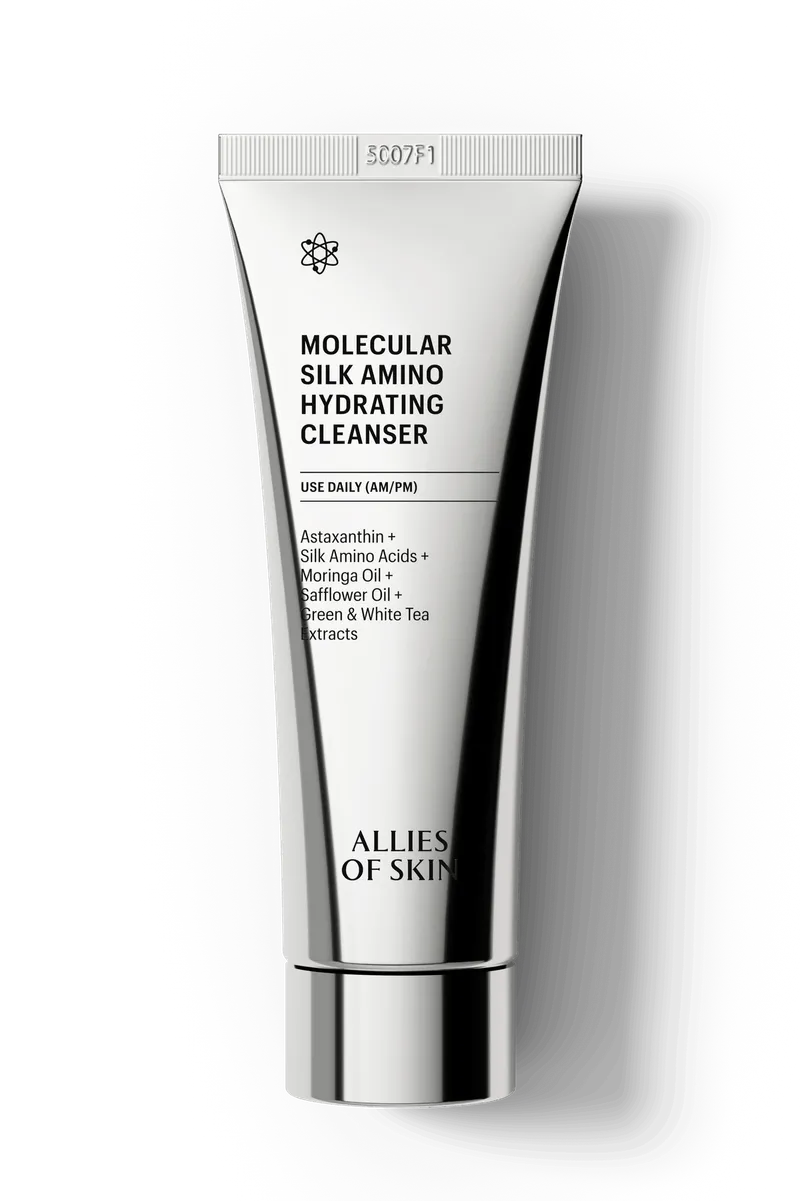
Molecular Silk Amino Hydrating Cleanser
Allies of Skin
$38
★★★★☆
The texture is more like a conditioning treatment than a traditional cleanser. It removes makeup and sunscreen effectively while leaving skin feeling softer rather than tight.
The Inkey List Hyaluronic Acid Serum
While not exclusively an ectoin product, The Inkey List includes ectoin in their hyaluronic acid serum as a supporting ingredient. For people curious about ectoin but hesitant about the price point of specialized products, this offers an accessible entry point.
Hyaluronic Acid Serum
The Inkey List
$12
★★★★☆
The ectoin is present in a lower concentration, but the formula is gentle enough for daily use and budget-friendly enough to test whether your skin responds well to the ingredient.
What to Expect When Using Ectoin
Timeline for Results
Ectoin’s protective effects are immediate, but visible improvements in barrier function typically take 2-4 weeks of consistent use. Unlike ingredients with dramatic short-term effects, ectoin’s benefits are subtle and cumulative.
You’re more likely to notice what doesn’t happen — less irritation from weather changes, reduced sensitivity when introducing new products, or skin that feels more resilient overall.
Realistic Expectations
Ectoin won’t transform your skin overnight. It’s not an anti-aging powerhouse like retinoids or a spot-treatment for specific concerns. Its value lies in prevention and barrier support.
Think of it as skincare insurance rather than skincare medicine. The payoff comes from avoiding damage rather than reversing it.
Potential Drawbacks and Considerations
Limited Long-Term Data
While ectoin has been used in skincare for over a decade, most clinical studies are relatively short-term (4-12 weeks). We don’t have extensive data on effects from years of use, though no safety concerns have emerged.
Cost vs. Benefit Analysis
Ectoin products tend to be more expensive than basic moisturizers or serums with similar textures. Whether the specific benefits justify the cost depends on your individual needs and environmental exposures.
For people with healthy barriers living in low-pollution environments, simpler and cheaper barrier-supporting ingredients might be more practical.
Formulation Challenges
Ectoin can be unstable in certain formulations, particularly those with high pH or incompatible preservatives. Stick to reputable brands with proper formulation expertise rather than hunting for the highest concentration in unknown products.
Putting It All Together
Ectoin represents a shift toward preventive skincare — protecting what you have rather than trying to fix what’s already damaged. For people dealing with sensitive skin, urban pollution, or frequent barrier disruption, this approach makes sense.
The ingredient won’t replace core skincare steps like cleansing, moisturizing, and sun protection. But as a supporting player in a well-rounded routine, it offers a unique protective mechanism that’s backed by solid research.
Start with products that combine ectoin with other proven ingredients rather than seeking out pure ectoin formulas. The synergistic approach tends to be more practical and cost-effective.
Most importantly, remember that barrier protection is about consistency over intensity. Gentle daily protection beats aggressive periodic treatments when it comes to maintaining healthy, resilient skin.
For more guidance on building a barrier-supportive routine, check out our guides on morning skincare routines and evening skincare routines.