
Ingredients
Beta-Glucan: The Hydration and Barrier Ingredient Quietly Beating Hyaluronic Acid
Beta-glucan delivers deeper hydration than hyaluronic acid while strengthening skin barrier. Here's why this oat and yeast extract is worth the switch.
Disclosure — This article may contain affiliate links. We earn a small commission at no extra cost to you when you purchase through our links. This supports our ability to create independent, evidence-based skincare content.
Most people hunting for hydration reach for hyaluronic acid. The logic seems sound — HA can hold 1,000 times its weight in water, so more water equals better skin. But clinical data tells a different story. Beta-glucan, a polysaccharide derived from oats and yeast, consistently outperforms hyaluronic acid in barrier repair and long-term hydration studies. The catch? Most people have never heard of it.
Beta-glucan isn’t new. It’s been used in wound healing for decades, and cosmetic formulators have quietly incorporated it into products for years. What’s changed is the research. Recent studies show beta-glucan doesn’t just sit on skin’s surface pulling in moisture — it actually strengthens the barrier and triggers the skin’s natural repair mechanisms. That’s a fundamentally different approach to hydration.
What Beta-Glucan Actually Does
Beta-glucan is a naturally occurring polysaccharide found in the cell walls of oats, yeast, and certain mushrooms. In skincare, you’ll see two main types: oat-derived (1,3-1,4 beta-glucan) and yeast-derived (1,3-1,6 beta-glucan). Both work, but through slightly different mechanisms.
The oat version forms a protective film on skin that slowly releases moisture over time. Think of it as a time-release hydration system. The yeast version goes deeper, actually stimulating collagen production and improving skin’s natural barrier function. Most commercial products use oat-derived beta-glucan because it’s cheaper to produce and easier to stabilize.
Unlike hyaluronic acid, which can actually pull moisture from your skin when humidity drops below 50%, beta-glucan creates a moisture reservoir that doesn’t fluctuate with environmental conditions. A 2019 study in the International Journal of Cosmetic Science found that 1% beta-glucan increased skin hydration by 27% after four weeks — and maintained that improvement for two weeks after participants stopped using it.
The molecular weight matters here. Beta-glucan molecules are larger than hyaluronic acid molecules, so they can’t penetrate as deeply. That might sound like a disadvantage, but it’s actually the point. Beta-glucan works primarily in the stratum corneum (your skin’s outermost layer), where barrier damage actually occurs.
Oat-Derived vs Yeast-Derived: The Practical Differences
Oat-derived beta-glucan is what you’ll find in most drugstore products. It’s gentler, less likely to cause reactions, and works well for sensitive or compromised skin. The texture tends to be lighter — more gel-like than creamy. Aveeno built their entire calm-and-restore line around oat beta-glucan, and for good reason. It delivers consistent results without irritation.
Aveeno Calm + Restore Oat Gel Moisturizer
Aveeno
$19
★★★★☆
Yeast-derived beta-glucan is more bioactive but also more expensive. It’s what you’ll see in higher-end serums and treatments. This version can stimulate immune responses in skin cells, potentially boosting repair mechanisms. Origins uses yeast beta-glucan in their mushroom line, combined with other fungi extracts for what they call “adaptogenic” skincare.
Origins Mega-Mushroom Relief & Resilience Soothing Treatment Lotion
Origins
$45
★★★★☆
The practical difference? Oat beta-glucan is your reliable daily hydrator. Yeast beta-glucan is your intensive repair treatment. Most people do fine with the oat version unless they’re dealing with significant barrier damage from over-exfoliation or compromised skin conditions.
Clinical Data: Where Beta-Glucan Actually Wins
The hydration studies are compelling, but the barrier repair data is where beta-glucan really separates itself from hyaluronic acid. A 2020 clinical trial compared 1% oat beta-glucan against 1% hyaluronic acid in 40 participants with dry, sensitive skin. After eight weeks, the beta-glucan group showed 34% improvement in barrier function (measured by transepidermal water loss) versus 18% for the HA group.
More interesting: the beta-glucan group maintained their improvements for four weeks after stopping treatment. The hyaluronic acid group returned to baseline within one week. That suggests beta-glucan is actually repairing something, not just temporarily plumping the skin.
The anti-inflammatory data is solid too. Beta-glucan suppresses inflammatory markers like IL-1α and TNF-α — the same pathways targeted by prescription anti-inflammatory treatments. That’s why it works so well for rosacea, eczema, and post-procedure healing. Hyaluronic acid doesn’t have meaningful anti-inflammatory effects.
Where hyaluronic acid still wins: immediate plumping. HA can make fine lines look temporarily smoother within hours. Beta-glucan’s effects build over weeks. If you want instant gratification, stick with hyaluronic acid. If you want actual barrier improvement, beta-glucan is the better choice.
Why Beta-Glucan Pairs Perfectly with Antioxidants
Beta-glucan’s film-forming properties make it an excellent partner for antioxidants. The polysaccharide barrier helps stabilize vitamin C and prevents degradation from environmental exposure. That’s particularly relevant for oil-based antioxidant treatments, which can penetrate beneath the beta-glucan layer while benefiting from its protective effects.
This is where something like the Kerala Botanics Ayurvedic Vitamin C Face Oil becomes interesting. The advanced vitamin C delivery system works synergistically with beta-glucan — the oil delivers antioxidants deeper into skin while beta-glucan maintains surface barrier function. Plus, the bakuchiol component adds gentle retinoid-like benefits without the irritation that can compromise barrier function.
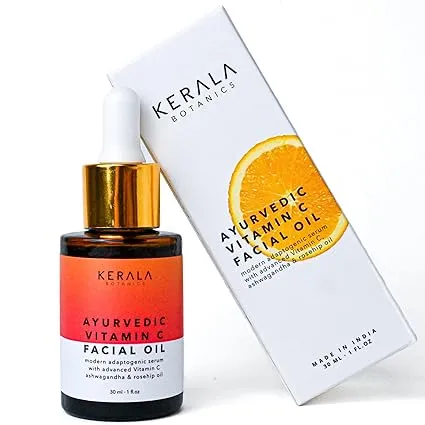
Ayurvedic Vitamin C Face Oil
Kerala Botanics
$49
★★★★☆
The layering order matters. Apply your antioxidant treatment first (whether serum or oil), then follow with your beta-glucan moisturizer. The beta-glucan will lock in the antioxidants while providing its own barrier benefits. This is particularly effective in your morning routine, where environmental protection is the priority.
Common Beta-Glucan Formulation Issues
Not all beta-glucan products are created equal. The concentration matters — studies show benefits starting at 0.5%, with optimal results around 1-2%. Higher concentrations don’t necessarily work better and can sometimes cause a sticky, film-like residue.
The biggest formulation challenge is stability. Beta-glucan can clump or separate in certain pH ranges, and it doesn’t play well with some preservatives. Cheaper products often use too little beta-glucan or pair it with incompatible ingredients, resulting in products that feel great but deliver minimal benefits.
Look for products that list beta-glucan (or oat beta-glucan or yeast beta-glucan) in the first five ingredients. Avoid formulas that combine beta-glucan with high concentrations of acids or retinoids — the pH requirements conflict, and you’ll likely degrade both ingredients.
Paula’s Choice does this well in their CALM line. The beta-glucan concentration is clinically relevant, and they’ve avoided the formulation pitfalls that plague cheaper alternatives.
Paula's Choice CALM Restoring Serum
Paula's Choice
$42
★★★★☆
Who Should Actually Use Beta-Glucan
Beta-glucan works best for people with compromised barrier function — dry skin, sensitivity, rosacea, or post-inflammatory recovery. If your skin gets tight after cleansing, flakes despite regular moisturizing, or reacts to products that used to be fine, you’re probably dealing with barrier issues that beta-glucan can address.
It’s also worth considering if you live in a dry climate or use a lot of active ingredients. Beta-glucan can help buffer the irritation from retinoids, AHAs, and benzoyl peroxide while maintaining the hydration those treatments tend to compromise.
The one group that might want to skip it: people with very oily skin who prefer lightweight, fast-absorbing products. Beta-glucan’s film-forming properties can feel heavy or sticky on oily skin, though gel formulations tend to be better tolerated.
For combination skin, use beta-glucan products only on the dry areas. Your T-zone probably doesn’t need the extra barrier support, but your cheeks might benefit significantly.
How to Layer Beta-Glucan Products
Beta-glucan works best as a moisturizing step, not a treatment step. Apply it after your serums and treatments but before heavier creams or facial oils. The goal is to let it form its protective barrier over your active ingredients.
A typical routine might look like this: cleanser, treatment serum (like vitamin C), beta-glucan moisturizer, sunscreen. The beta-glucan will help stabilize the vitamin C while providing barrier support throughout the day.
In your evening routine, beta-glucan works well after retinoids or AHAs. It can help buffer irritation and prevent the trans-epidermal water loss that makes those ingredients feel drying. Just give your treatment products a few minutes to absorb before applying the beta-glucan layer.
Don’t combine beta-glucan with multiple hydrating ingredients in the same routine. Layering it with hyaluronic acid, glycerin, and ceramides might seem like hydration overkill, but it’s usually just product waste. Pick one primary hydrator per routine and stick with it.
The Bottom Line on Beta-Glucan
Beta-glucan isn’t going to replace your entire routine, but it’s a smarter choice than hyaluronic acid for most barrier-related skin issues. The research supports long-term benefits that go beyond temporary hydration, and the anti-inflammatory properties make it valuable for sensitive or reactive skin.
The best beta-glucan products are the boring ones — simple formulations with clinically relevant concentrations and minimal unnecessary ingredients. First Aid Beauty’s Ultra Repair Cream is a perfect example: oat beta-glucan, ceramides, and shea butter in a no-frills base that actually works.
First Aid Beauty Ultra Repair Cream
First Aid Beauty
$38
★★★★☆
If you’re currently using hyaluronic acid and getting good results, there’s no urgent need to switch. But if you’re dealing with persistent dryness, sensitivity, or barrier issues that HA isn’t solving, beta-glucan is worth trying. The clinical data suggests it might actually fix the problem rather than just temporarily masking it.