
Routines
Signs You're Over-Exfoliating (and How to Repair Your Barrier)
Recognize the warning signs of over-exfoliation and learn how to restore your skin barrier with the right ingredients and recovery protocol.
Disclosure — This article may contain affiliate links. We earn a small commission at no extra cost to you when you purchase through our links. This supports our ability to create independent, evidence-based skincare content.
More acids isn’t always better. We see it constantly — people layering AHAs, BHAs, and retinoids every night, then wondering why their skin looks worse than when they started. Over-exfoliation is one of the most common skincare mistakes, and the signs are easier to miss than you’d think.
Your skin barrier exists for a reason. When exfoliation tips from helpful to harmful, everything goes wrong: more breakouts, increased sensitivity, that tight feeling that no moisturizer seems to fix. The good news? Recovery is straightforward once you know what to look for.
What Over-Exfoliation Actually Looks Like
The signs aren’t always obvious. Over-exfoliated skin doesn’t announce itself with a clear diagnosis — it shows up as a collection of issues that seem unrelated.
The Physical Signs
Persistent tightness. This is different from the temporary tightness after washing your face. Over-exfoliated skin feels tight even after moisturizer, especially around the cheeks and jawline where the skin is thinner.
Stinging from products that used to be fine. When your gentle moisturizer suddenly burns, that’s your barrier talking. Products with alcohol, fragrance, or even basic actives like niacinamide can sting when the protective layer is compromised.
Redness that won’t calm down. Not the temporary flush after using an active — this is persistent redness, especially around the nose, cheeks, and chin. It looks almost like irritation or mild rosacea.
More breakouts, not fewer. This one trips people up. Logically, more exfoliation should mean clearer skin. But a damaged barrier lets bacteria and irritants penetrate deeper, often causing breakouts in areas that were previously clear.
The Texture Changes
Skin that feels rough despite regular exfoliation. When the barrier is damaged, dead skin cells don’t shed properly. The surface becomes uneven and bumpy, even with consistent acid use.
Flaking that comes back within hours. You exfoliate, your skin looks smooth, then by afternoon there are tiny white flakes around your nose and mouth. This rapid flaking cycle is a clear sign you’ve gone too far.
Products that pill or sit on top of skin. When the barrier is compromised, it can’t absorb products properly. Serums and moisturizers that used to sink in now ball up or feel like they’re sitting on the surface.
Understanding these signs matters because over-exfoliation often masquerades as other skin issues. People add more products to fix the “new” problems, making the underlying issue worse.
Why Your Skin Barrier Matters
The skin barrier isn’t skincare marketing speak — it’s the outermost layer of your skin, made up of cells and lipids that keep moisture in and irritants out. Think of it as a brick wall where the cells are bricks and the lipids are mortar.
When this barrier is intact, skin feels comfortable, looks even, and can handle normal skincare ingredients without issue. When it’s damaged, everything becomes a potential irritant.
What Breaks Down the Barrier
Too many acids. Using glycolic acid, salicylic acid, and retinol in the same routine — or even alternating nights — can overwhelm skin’s natural repair process. Learn more about finding the right balance in our guide to chemical vs physical exfoliation.
Over-cleansing. Washing morning and night with a strong cleanser, or using cleansing tools daily, strips away the natural oils that keep the barrier intact.
Environmental stress. Wind, cold, air conditioning, and pollution all contribute to barrier breakdown, especially when skin is already compromised by over-exfoliation.
Skipping moisturizer. Some people avoid moisturizer because they’re worried about breakouts, but a compromised barrier needs that extra protection to heal properly.
The key insight: your skin barrier regenerates naturally every 28 days or so. But this only happens when you stop interfering with the process.
The Pull-Back Protocol
Recovery starts with stepping away from everything that might be causing the problem. This isn’t about adding new products — it’s about subtracting the ones that are likely making things worse.
Immediate Changes (Week 1-2)
Stop all active ingredients. No AHAs, BHAs, retinoids, or vitamin C serums. Even gentle actives like niacinamide can sting when your barrier is compromised, so pause everything except cleanser, moisturizer, and sunscreen.
Switch to the gentlest cleanser you own. If everything stings, try cleansing with just water in the morning and using only your mildest cleanser at night. Skip cleansing tools, washcloths, or anything that adds physical friction.
Toleriane Caring Wash
La Roche-Posay
$15
★★★★☆
Moisturize more than usual. Apply moisturizer to slightly damp skin, and don’t be afraid to reapply during the day if skin feels tight. Choose something simple with minimal ingredients.
Skip makeup when possible. Foundation and concealer can be irritating to compromised skin, and the removal process adds another layer of potential friction.
The Waiting Game (Week 2-4)
This phase tests patience more than anything. Skin will start to feel more comfortable around day 10, but visible improvements take longer.
Resist the urge to “help” the process. When skin starts peeling or flaking, the instinct is to exfoliate or pick at it. Don’t. Those flakes are part of the natural shedding process that’s finally working properly again.
Watch for false improvements. Around day 5-7, skin often looks temporarily better — smoother, less red. This doesn’t mean you can resume actives. The barrier is still rebuilding underneath.
Note what’s actually changing. Keep track of how products feel rather than just how skin looks. When your usual moisturizer stops stinging, that’s a better sign of recovery than visual improvements.
The timeline varies, but most people see real improvement around the 3-week mark. Skin stops feeling tight, products absorb normally, and that persistent low-level irritation finally calms down.
Barrier-Repair Ingredients That Actually Work
Not all “barrier repair” products live up to the claim. Focus on ingredients with solid research behind their ability to restore and strengthen the skin barrier.
The Heavy Hitters
Ceramides. These are the same lipids that exist naturally in your skin barrier. Products with ceramides help replace what’s been stripped away. Look for ceramide NP, AP, and EOP — the specific types matter.
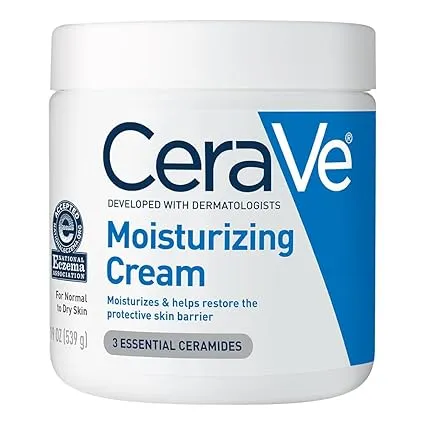
Moisturizing Cream
CeraVe
$19
★★★★☆
Panthenol (Pro-Vitamin B5). This ingredient does double duty — it’s anti-inflammatory and helps the skin retain moisture. It’s gentle enough for the most sensitive, over-exfoliated skin.
Cholesterol and fatty acids. Often found alongside ceramides, these help rebuild the “mortar” between skin cells. The combination is more effective than ceramides alone.
The Supporting Cast
Hyaluronic acid. Helps damaged skin hold onto moisture, but choose a formula that layers different molecular weights. Single-weight HA can feel sticky on compromised skin.
Allantoin. A gentle anti-inflammatory that speeds up cell turnover without irritation. It’s particularly good for skin that’s both over-exfoliated and breaking out.
Centella asiatica. Calms inflammation and has some research supporting its role in barrier repair. Look for it in products designed for sensitive or damaged skin.
The most effective barrier repair happens when these ingredients work together. Single-ingredient serums are less useful than well-formulated moisturizers that combine several barrier-supporting components.
Cicaplast Baume B5
La Roche-Posay
$15
★★★★½
When and How to Reintroduce Actives
This is where most people make their second mistake. They wait for skin to feel completely normal, then immediately return to their old routine. The result? Right back where they started.
The Restart Timeline
Week 4-6: Test the waters. Start with the gentlest active you were using before, and only use it once a week. If skin tolerates it well for two weeks, you can increase to twice a week.
Week 6-8: Add one more. If you were using multiple actives, add back only one at a time with at least two weeks between additions. This lets you identify exactly what your skin can handle.
Week 8+: Find your new normal. The routine you can maintain now might be different from what you used before. That’s fine — damaged skin often becomes more sensitive permanently.
Smart Reintroduction Strategies
Start with lower concentrations. If you were using 2% salicylic acid daily, try 0.5% twice a week. Work your way up slowly rather than jumping back to full strength.
Choose one main active. Instead of rotating between glycolic acid, retinol, and vitamin C, pick the one that gave you the best results and focus on that. You can always add others later if your skin tolerates it well.
Watch for early warning signs. If products start stinging again or you notice increased redness, pull back immediately. Don’t push through thinking it will get better.
For those interested in gentler alternatives, consider plant-based options like bakuchiol, which provides retinol-like benefits without the irritation potential. Our bakuchiol vs retinol comparison covers the differences in detail.
Building a Sustainable Routine
The goal isn’t to use as many actives as possible — it’s to find the minimum effective routine for your skin goals. For many people, that means one primary active used 2-3 times per week, with barrier-supporting products filling in the gaps.
Consider alternatives that combine multiple benefits in gentler formulations. Oil-based treatments, for example, can deliver active ingredients while supporting the barrier simultaneously.
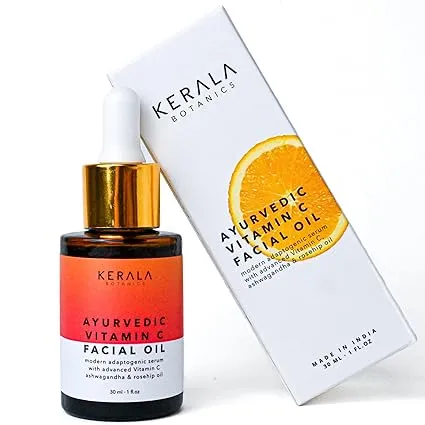
Ayurvedic Vitamin C Face Oil
Kerala Botanics
$49
★★★★☆
This approach — combining vitamin C with bakuchiol in a nourishing oil base — exemplifies the kind of multitasking product that works well for previously over-exfoliated skin. You get the benefits of actives without the harsh, drying effects of traditional serums.
Prevention: How to Never Do This Again
The best approach to over-exfoliation is avoiding it entirely. This means developing a more sustainable relationship with active ingredients from the start.
The One-Active Rule
Most people don’t need multiple exfoliating ingredients. Pick one that addresses your main concern — salicylic acid for blackheads and oil control, glycolic acid for texture and mild pigmentation, retinoids for anti-aging — and stick with it.
When that active is working well and your skin tolerates it easily, you can consider adding others. But there’s no rule that says you have to use everything.
Listen to Your Skin Daily
Good signs: Skin feels comfortable throughout the day, products absorb normally, makeup goes on smoothly.
Warning signs: Slight stinging from products that are usually fine, tightness that persists after moisturizing, increased sensitivity to weather or air conditioning.
Red flags: Any product causing immediate burning, persistent redness, sudden breakouts in new areas.
The key is catching problems early. If you notice warning signs, take a break from actives for a few days. This prevents minor irritation from becoming full barrier damage.
Seasonal Adjustments
Your skin’s tolerance for exfoliation changes throughout the year. Winter air is drier and more damaging to the barrier, so the routine that works in July might be too much in January.
Build flexibility into your routine. Use actives less frequently during stressful periods, harsh weather, or when you’re traveling. Your skin will be more resilient in the long run.
For more guidance on creating a routine that adapts to your skin’s changing needs, check out our complete evening skincare routine guide.
Putting It All Together
Over-exfoliation is common because the signs develop gradually, and the solution — doing less — goes against every skincare instinct. But recovery is straightforward: stop everything that could be causing the problem, support your barrier with the right ingredients, and reintroduce actives slowly and carefully.
The most important shift is mental. Instead of trying to fix every skin issue with a different product, focus on maintaining a healthy barrier that can handle normal skincare ingredients without reaction. This foundation approach prevents most skin problems before they start.
Your routine post-recovery might look different from what you used before, and that’s fine. Skin that’s been over-exfoliated often becomes more sensitive permanently, but it can still be healthy, clear, and comfortable with the right approach.
The goal isn’t to use the most actives possible — it’s to find the minimum effective routine that your skin can handle long-term. Sometimes the best skincare move is the one you don’t make.