
Anti-Aging
Tretinoin for Beginners: Everything to Know Before You Start
Complete beginner's guide to tretinoin: how to get it, starting strengths, application tips, and what to expect week by week during the adjustment period.
Disclosure — This article may contain affiliate links. We earn a small commission at no extra cost to you when you purchase through our links. This supports our ability to create independent, evidence-based skincare content.
I’ve watched tretinoin transform skin like nothing else can. Acne scars that looked permanent? Gone in eight months. Fine lines that made someone look older than their years? Dramatically softened. But here’s the thing — tretinoin isn’t like switching face washes. It’s a prescription retinoid that will completely change how your skin behaves, and most people go into it unprepared.
The r/tretinoin community is full of people asking the same questions: How do I actually get it? Should I start with 0.025% or 0.05%? Why does my face look like a tomato? What’s normal peeling versus “call your dermatologist” irritation?
This guide answers all of that. By the end, you’ll know exactly how to get tretinoin, which strength to start with, how to apply it without destroying your skin barrier, and what to expect during those first challenging weeks.
What Is Tretinoin and Why Does It Work So Well?
Tretinoin is the gold standard retinoid — the prescription-strength vitamin A derivative that dermatologists have been prescribing for acne and anti-aging since the 1970s. Unlike over-the-counter retinol, which has to convert into retinoic acid once it’s in your skin, tretinoin IS retinoic acid. It gets to work immediately.
Here’s what makes it so effective: tretinoin speeds up cell turnover dramatically. Your skin normally takes about 28 days to complete its renewal cycle. Tretinoin can cut that down to 14-21 days, depending on the strength you’re using. This rapid turnover pushes out clogged pores, fades dark spots, and stimulates collagen production.
The research backing tretinoin is extensive. We’re talking about thousands of studies over five decades. It’s proven to reduce acne by up to 85%, fade hyperpigmentation, smooth fine lines, and improve skin texture. No over-the-counter retinol can match those results.
But — and this is important — tretinoin comes with an adjustment period that can last anywhere from 6 to 16 weeks. During this time, your skin will likely get worse before it gets better. Most people aren’t prepared for how intense this can be.
How to Get Tretinoin: Your Prescription Options
In-Person Dermatology
The traditional route is booking an appointment with a board-certified dermatologist. This is still the gold standard, especially if you have moderate to severe acne, sensitive skin, or other skin conditions. A dermatologist can examine your skin in person, discuss your medical history, and prescribe the most appropriate strength and formulation.
Expect to pay $150-400 for the consultation if you don’t have insurance. With insurance, most visits are $30-50. The prescription itself typically costs $15-80 depending on your insurance and which generic you get.
Telehealth Platforms
Online dermatology has made tretinoin much more accessible. Platforms like Curology, Apostrophe, and Nurx let you upload photos, fill out a detailed questionnaire, and get a prescription without leaving your house.
Curology is probably the most popular option. They create custom formulations that combine tretinoin with other actives like niacinamide or azelaic acid. The service costs $30-60 per month and includes the consultation, prescription, and product delivery.
Apostrophe focuses specifically on acne and anti-aging treatments. They prescribe standard tretinoin strengths (0.025%, 0.05%, 0.1%) and the consultation fee is around $65, plus the cost of the prescription.
The downside of telehealth? You’re relying on photos and self-reported information. If you have complex skin issues or aren’t sure if tretinoin is right for you, an in-person visit is worth the extra cost.
What to Expect During Your Consultation
Whether you go in-person or online, be honest about your skincare goals and current routine. The provider will ask about:
- Your primary concerns (acne, aging, hyperpigmentation)
- Any skin sensitivities or reactions you’ve had
- Current products you’re using, especially other actives
- Your commitment level (tretinoin requires consistency)
Don’t oversell your experience with retinoids. If you’ve only used a gentle retinol serum twice a week, that doesn’t mean you’re ready for 0.1% tretinoin every night.
Choosing Your Starting Strength: 0.025% vs 0.05% vs 0.1%
Most dermatologists start patients at 0.025% or 0.05%. The 0.1% strength is usually reserved for people who’ve been using tretinoin for months and need a boost, or for treating severe acne.
0.025% Tretinoin: The Gentle Introduction
This is the best starting point if you:
- Have sensitive skin or a history of reactions
- Have never used prescription retinoids before
- Are primarily focused on anti-aging rather than active acne
- Want to minimize the adjustment period
The 0.025% strength will still give you results — it’s not “baby tretinoin.” Studies show that 0.025% is effective for improving fine lines, texture, and hyperpigmentation. It just works more gradually than higher strengths.
0.05% Tretinoin: The Middle Ground
This strength works well for most people. Choose 0.05% if you:
- Have moderate acne or significant sun damage
- Have used over-the-counter retinol consistently for months
- Want faster results and can tolerate some irritation
- Have normal to oily skin
The majority of tretinoin users end up at this strength long-term. It’s strong enough to deliver dramatic results but not so intense that it’s unmanageable for most people.
0.1% Tretinoin: The Heavy Hitter
Only consider starting here if you have severe acne and your dermatologist specifically recommends it. Most people work up to this strength after months on lower concentrations.
Cream vs Gel vs Micro Formulations
Tretinoin comes in different vehicles, and this matters more than most people realize:
Cream formulations are more moisturizing and less irritating. They’re better for dry or sensitive skin. The downside is they can feel heavy and may clog pores if you’re acne-prone.
Gel formulations are lighter and better for oily skin, but they’re typically more drying and irritating. If you choose gel, you’ll need to be extra careful with moisturizing.
Tretinoin micro (Retin-A Micro) uses microsphere technology to release the tretinoin slowly, which reduces irritation. It’s a good middle ground if you want the effectiveness of tretinoin with less drama.
The Tretinoin Application Protocol That Actually Works
Getting the application right is crucial. Mess this up and you’ll spend weeks with angry, peeling skin that could have been avoided.
Step 1: Start Slow (Seriously)
Begin with once a week for the first two weeks. Yes, once a week. Your skin needs time to adjust to the increased cell turnover. After two weeks, move to twice a week for another two weeks, then three times a week, and so on.
I know you want to use it every night from day one. Resist this urge. The people who jump in too fast are the ones posting dramatic before/after photos of their chemical burns on Reddit.
Step 2: The Exact Application Method
-
Cleanse with a gentle, non-drying cleanser. Wait 20-30 minutes for your skin to be completely dry. This is crucial — applying tretinoin to damp skin increases penetration and irritation significantly.
-
Apply a pea-sized amount to your entire face. A little goes a long way. Dot it on your forehead, cheeks, nose, and chin, then spread evenly. Avoid the eye area, corners of the nose, and mouth initially.
-
Wait 20 minutes before applying anything else. This gives the tretinoin time to absorb properly.
-
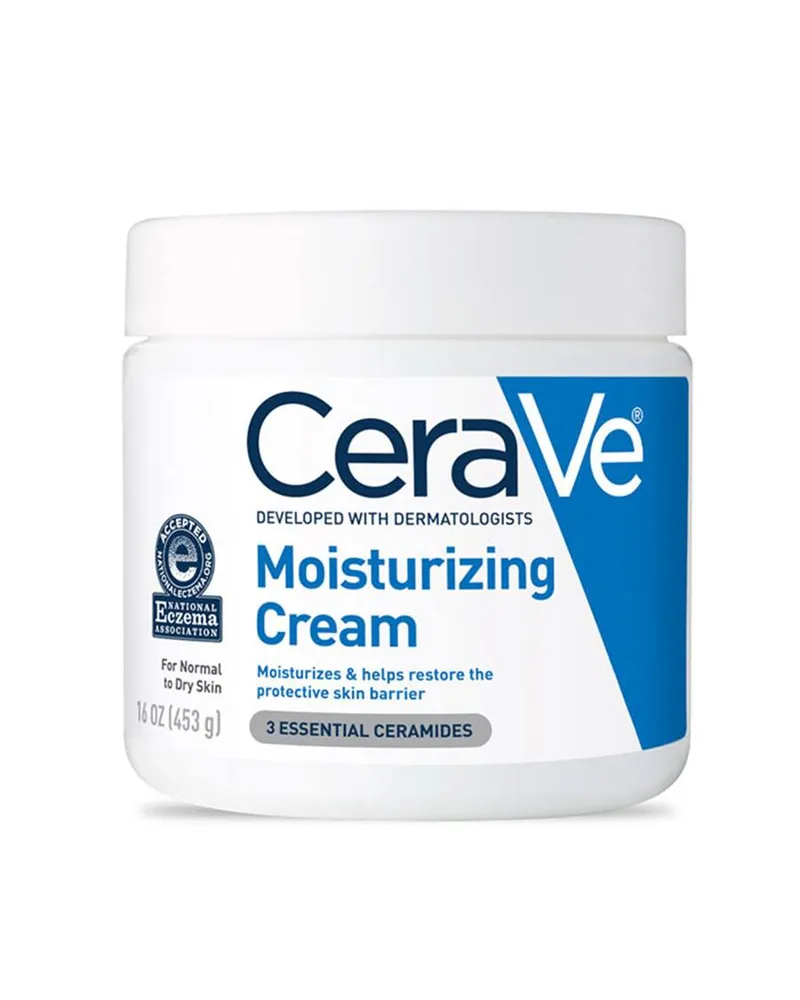
Follow with a heavy moisturizer. This isn’t the time for lightweight lotions. You want something occlusive and repair-focused.
Step 3: Timing Matters
Always use tretinoin at night. It breaks down in sunlight, and your skin will be more photosensitive. Apply it as the last step in your routine, after any other treatments but before moisturizer.
Some people prefer the “sandwich method” — moisturizer, then tretinoin, then more moisturizer. This reduces irritation but may also reduce effectiveness. Try the standard method first, then switch to sandwiching if you’re struggling with irritation.
Vanicream Gentle Facial Cleanser
Vanicream
$9
★★★★☆
CeraVe Moisturizing Cream
CeraVe
$16
★★★★½
What to Expect Week by Week: The Tretinoin Timeline
Weeks 1-2: The Honeymoon
Your skin might actually look great initially. Some people see an immediate glow from the increased cell turnover. Don’t let this fool you into using tretinoin more frequently. The real adjustment period is coming.
Weeks 3-6: The Retinoid Uglies
This is when things get rough. Your skin starts purging — all the clogs that were forming deep in your pores get pushed to the surface rapidly. You’ll likely experience:
- Increased breakouts (especially if you’re acne-prone)
- Peeling and flaking
- Redness and sensitivity
- Dryness, even in areas that are normally oily
This phase is normal and necessary. Your skin is essentially detoxing and renewing itself at warp speed. The temptation to quit is strongest during this period, but pushing through is crucial.
Weeks 7-12: The Adjustment
The dramatic peeling starts to calm down. Your skin is adapting to the increased cell turnover. You might still experience some dryness and sensitivity, but it’s more manageable. You may start seeing the first real improvements in texture and tone.
Weeks 13-16: The Payoff Begins
This is when tretinoin starts showing its true potential. Your skin texture improves noticeably. Acne breakouts become less frequent and less severe. Dark spots begin to fade. Fine lines start to soften.
6+ Months: The Long-Term Results
The full benefits of tretinoin take at least six months to appear. Some studies show continued improvement up to two years. This is when you see dramatic changes in hyperpigmentation, deeper lines, and overall skin quality.
Building a Tretinoin-Compatible Routine
When you start tretinoin, your entire routine needs to support your skin barrier. This isn’t the time to experiment with new actives or trendy ingredients.
Morning Routine: Protection Mode
- Gentle cleanser or just rinse with water
- Hydrating toner or essence (optional)
- Vitamin C serum (if your skin tolerates it)
- Moisturizer
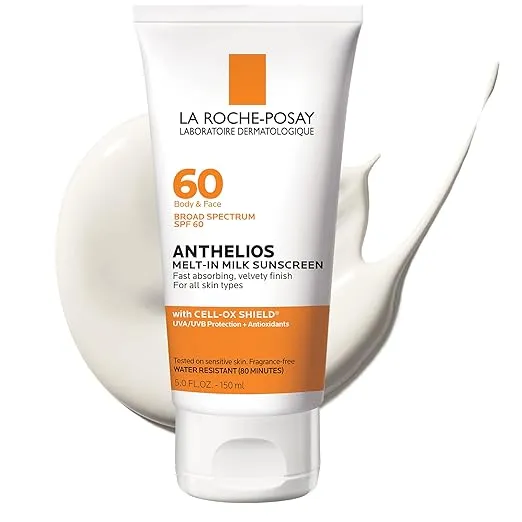
- Broad-spectrum SPF 30+ (non-negotiable)
The vitamin C step is where many people make mistakes. If you’re new to tretinoin, skip vitamin C for the first month. Your skin has enough to deal with. Once you’re tolerating tretinoin well, you can add vitamin C back in slowly.
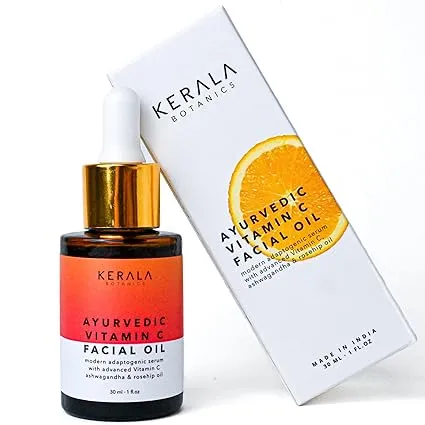
If you do want to incorporate vitamin C during tretinoin use, an oil-based formula can be gentler than traditional serums. The Kerala Botanics Ayurvedic Vitamin C Face Oil combines vitamin C with bakuchiol (a plant-based retinol alternative) in a nourishing oil base that won’t compete with tretinoin’s exfoliating action.
Ayurvedic Vitamin C Face Oil
Kerala Botanics
$49
★★★★☆
Evening Routine: Repair Mode
- Gentle cleanser (double cleanse if wearing makeup/sunscreen)
- Hydrating toner to add back moisture
- Wait 20-30 minutes for skin to dry completely
- Tretinoin (on your scheduled nights)
- Heavy moisturizer
- Facial oil (optional, for extra dryness)
What to Avoid While Using Tretinoin
Other exfoliating acids: No AHAs, BHAs, or physical scrubs while your skin is adjusting. These will cause over-exfoliation and damage your skin barrier.
Harsh cleansers: Anything with sulfates, strong fragrances, or drying alcohols is off-limits.
Essential oils and fragrances: Your skin will be more reactive than usual.
Benzoyl peroxide: Can deactivate tretinoin if used at the same time. If you need both, use benzoyl peroxide in the morning and tretinoin at night.
Learn more about supporting your skin barrier during tretinoin use in our damaged skin barrier repair guide.
La Roche-Posay Anthelios Melt-In Sunscreen SPF 60
La Roche-Posay
$36
★★★★☆
Troubleshooting Common Tretinoin Problems
Problem: Excessive Peeling and Irritation
Solution: Slow down your application frequency. Go back to using tretinoin every third night instead of every other night. Increase your moisturizer application — use it morning, evening, and even midday if needed.
Consider the sandwich method: apply moisturizer, wait 10 minutes, apply tretinoin, wait 20 minutes, apply more moisturizer.
Problem: Purging vs. New Breakouts
Purging happens in areas where you normally break out. The pimples come to a head quickly and resolve faster than usual. This is normal and will improve by month 3.
New breakouts in areas where you don’t usually get acne might indicate that your moisturizer or another product is too heavy for your skin, or that you’re over-exfoliating.
Problem: No Results After 3 Months
First, make sure you’re using tretinoin consistently at least every other night. If you’re only managing once or twice a week, you won’t see optimal results.
Second, consider whether your strength is appropriate. If you started with 0.025% and your skin has adjusted well, you might benefit from moving up to 0.05%.
Problem: Tretinoin Not Working with Your Lifestyle
Some people struggle with the evening-only application. If you work nights or have an irregular schedule, work with your dermatologist to find a routine that fits your life. Consistency matters more than perfect timing.
How Tretinoin Compares to Other Retinoids
Tretinoin is the strongest topical retinoid available, but it’s not the only option. Understanding how it compares to alternatives helps you make an informed decision.
Tretinoin vs. Retinol: Tretinoin is significantly more effective but also more irritating. Retinol has to convert to retinoic acid in your skin, so it’s gentler but weaker. If you can get tretinoin, it’s worth the adjustment period.
Tretinoin vs. Adapalene: Adapalene (Differin) is available over-the-counter and is less irritating than tretinoin, but it’s primarily studied for acne, not anti-aging. Tretinoin has more robust anti-aging research.
Tretinoin vs. Retinaldehyde: Retinaldehyde is gentler than tretinoin but stronger than retinol. It’s a good middle ground if you can’t tolerate tretinoin but want something more effective than drugstore retinol.
For a detailed breakdown of all retinoid options, check out our retinol vs retinaldehyde vs tretinoin comparison.
Long-Term Tretinoin Use: What to Expect
Once your skin adjusts to tretinoin, most people can use it indefinitely. Long-term users report continued improvement in skin texture, reduced signs of aging, and better overall skin health.
You may find that you can eventually increase your strength or frequency. Some people move from 0.025% to 0.05% after a year, or from every other night to nightly use.
The key is listening to your skin. Some people find that their skin becomes more sensitive to tretinoin over time and need to scale back. Others can handle stronger formulations as their skin builds tolerance.
Regular check-ins with your dermatologist are smart, especially in the first year. They can assess how your skin is responding and make adjustments as needed.
Putting It All Together: Your Tretinoin Game Plan
Starting tretinoin successfully comes down to three things: realistic expectations, a solid support routine, and patience.
Get your prescription from a qualified provider who understands your skin goals. Start with a conservative strength — 0.025% for sensitive skin or 0.05% for normal skin. Use it once a week initially and increase frequency gradually.
Build your routine around supporting your skin barrier. Gentle cleansing, heavy moisturizing, and religious sunscreen use aren’t optional. Strip out any other actives for the first month and introduce them back slowly once your skin adjusts.
Expect the retinoid uglies. They’re not a sign that tretinoin isn’t working — they’re proof that it is. Most people see the worst irritation between weeks 3-8, with real results becoming apparent around month 4-6.
The people who succeed with tretinoin are the ones who treat it like a marathon, not a sprint. It’s not Instagram-friendly in the short term, but the long-term results are worth the temporary discomfort.
Remember that tretinoin is just one part of comprehensive skin health. Pair it with a complete evening skincare routine and consistent morning routine for the best results.
Your skin will thank you in six months. Trust the process.