
Ingredients
Vitamin C Serum vs Vitamin C Oil: Which Is Right for You?
Vitamin C serums vs oils: which format works better? We break down stability, absorption, and which one fits your skin type and routine.
Disclosure — This article may contain affiliate links. We earn a small commission at no extra cost to you when you purchase through our links. This supports our ability to create independent, evidence-based skincare content.
Four years ago, I bought the cult-favorite SkinCeuticals C E Ferulic. Opened it, used it for two weeks, loved it. Then I went on vacation for ten days. Came back to find my $182 serum had turned brown. Brown! Like old apple juice.
That’s when I learned the hard truth about vitamin C: the format matters just as much as the ingredient itself. Water-based serums are powerhouses when they’re fresh, but they’re also ticking time bombs. Oil-based formulas are the slow and steady option that might just win the race.
Here’s what you need to know about both formats, plus how to figure out which one belongs in your routine.
The Science Behind Vitamin C Formats
Let’s start with why this choice matters at all. Vitamin C is notoriously unstable — it breaks down when exposed to light, air, and water. That’s a problem because most skincare products are water-based.
Traditional vitamin C serums use L-ascorbic acid suspended in water. It’s the most researched form, and when it’s fresh, it works brilliantly. But water is exactly what makes L-ascorbic acid fall apart. The moment you open that bottle, you’re in a race against time.
Vitamin C oils take a different approach. They use oil-soluble derivatives like THD ascorbate (tetrahexyldecyl ascorbate) or ascorbyl tetraisopalmitate. These are modified versions that stay stable in oil and don’t oxidize as quickly. The trade-off? Less clinical data backing them up.
Think of it like fresh orange juice versus vitamin C tablets. Fresh OJ has more vitamin C per ounce, but it goes bad in your fridge. The tablets have less potency per dose, but they’ll still be good next year.
Vitamin C Serums: The Pros and Cons
The Good Stuff
Water-based vitamin C serums pack a punch. L-ascorbic acid is the form most studied for anti-aging benefits — reducing fine lines, evening skin tone, and boosting collagen production. At 10-20% concentrations, it’s clinically proven to work.
Serums also absorb quickly. They layer well under moisturizer and sunscreen without feeling heavy. For people who want a lightweight morning routine, serums are hard to beat.
The SkinCeuticals C E Ferulic is still the gold standard here. When it’s fresh, nothing touches it for visible results.
C E Ferulic
SkinCeuticals
$182
★★★★½
The Problems
Stability is the biggest issue. Most L-ascorbic acid serums start breaking down the moment you open them. Heat, light, and air all speed up the process. That beautiful clear serum slowly turns yellow, then orange, then brown — and each color change means less active vitamin C.
Storage becomes a whole thing. You’ll read advice about keeping vitamin C in the fridge (which helps but doesn’t stop oxidation entirely). Some people buy multiple small bottles instead of one large one. It’s annoying.
Then there’s the irritation factor. L-ascorbic acid is acidic — hence the name. People with sensitive skin often can’t handle the higher concentrations that actually make a difference.
Vitamin C Oils: The Slow and Steady Option
Why They Work
Oil-based vitamin C formulas solve the stability problem by avoiding water entirely. Derivatives like THD ascorbate are oil-soluble and much more stable. They won’t oxidize sitting in your bathroom cabinet for months.
The oil format also comes with built-in benefits. Your skin barrier is made of lipids, so oils can penetrate deeply and stay there longer. Some research suggests oil-soluble vitamin C derivatives actually hang around in skin cells longer than L-ascorbic acid.
Plus, you’re getting moisturizing benefits at the same time. For people with dry skin or those who want to simplify their routine, vitamin C oils can replace both your serum and your facial oil.
The Kerala Botanics Ayurvedic Vitamin C Face Oil is a solid example of this approach. It combines stable vitamin C with bakuchiol (a retinol alternative) and works as both treatment and moisturizer.
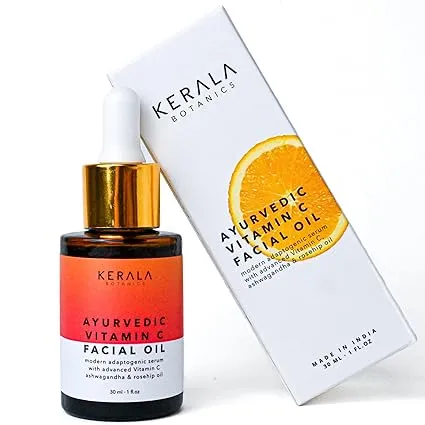
Ayurvedic Vitamin C Face Oil
Kerala Botanics
$49
★★★★☆
The Limitations
Here’s the catch: oil-soluble vitamin C derivatives don’t have the same depth of research as L-ascorbic acid. We know they work, but most clinical studies focus on the water-soluble version.
The texture isn’t for everyone either. Even lightweight facial oils feel heavier than serums. If you have oily skin or hate the feeling of anything occlusive on your face, oils might not be your format.
Layering can also get tricky. Oils don’t play well with water-based products applied on top. You’ll need to adjust your routine order or use the oil as your final step.
Which Format Is Right for Your Skin?
Choose Serums If:
You have oily or combination skin. The lightweight texture won’t clog pores or add unwanted shine. Serums absorb quickly and disappear under makeup.
You’re willing to prioritize storage. Keep them in a cool, dark place and use them up within 3-6 months of opening. If you’re the type of person who finishes products quickly, this won’t be an issue.
You want maximum potency. When they’re fresh, L-ascorbic acid serums deliver the highest concentration of active vitamin C.
You prefer layering multiple products. Serums fit easily into complex routines without texture conflicts.
Mad Hippie’s Vitamin C Serum is a good middle-ground option — more stable than pure L-ascorbic acid formulas but still in a serum format.
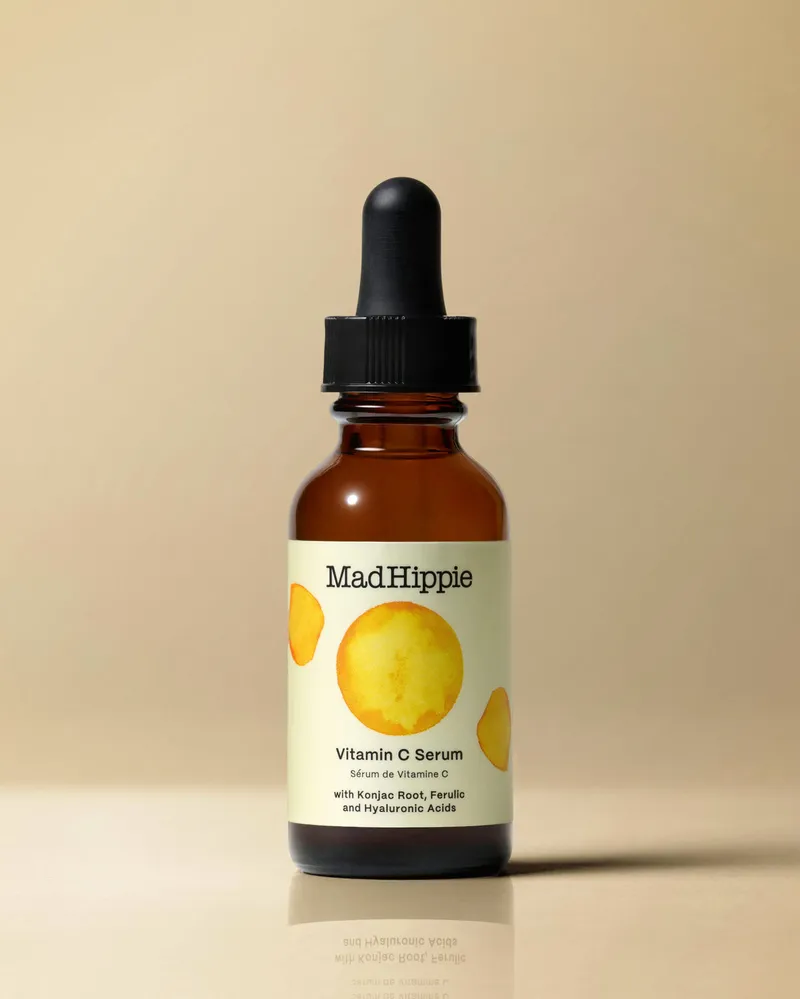
Vitamin C Serum
Mad Hippie
$34
★★★★☆
Choose Oils If:
You have dry or mature skin. The oil base provides extra hydration and helps strengthen your skin barrier. Two benefits in one step.
You want low maintenance. Oil formulas stay stable for months without special storage requirements. Perfect if you’re not great at using up products quickly.
You prefer simple routines. Many vitamin C oils can replace both your serum and moisturizer, especially if you use them at night.
You have sensitive skin. Oil-soluble derivatives tend to be gentler than L-ascorbic acid. Less irritation means you can actually use the product consistently.
You like natural or Ayurvedic formulations. Most vitamin C oils lean into botanical ingredients and traditional skincare approaches.
How to Make Either Format Work Better
For Serums:
Store them properly. Cool, dark places slow down oxidation. The fridge works, but a bathroom cabinet away from the shower is fine too.
Use them in the morning. Vitamin C pairs beautifully with sunscreen for antioxidant protection during the day.
Start slow if you’re sensitive. Use every other day for the first week, then build up to daily use.
Look for airless pump bottles. They minimize air exposure compared to dropper bottles.
For Oils:
Apply to slightly damp skin. This helps the oil spread more easily and absorb better.
Use them as your last skincare step, or mix a few drops into your moisturizer.
Give them time to absorb before applying sunscreen. Oil and SPF can pill if you rush the layering.
Consider using them at night if you find them too heavy for morning wear.
Can You Use Both?
Absolutely. Some people use a vitamin C serum in the morning for quick absorption and sunscreen compatibility, then switch to a vitamin C oil at night for deeper penetration and extra hydration.
You could also alternate — serum on weekdays when you’re wearing makeup, oil on weekends when you want a more relaxed routine.
Just don’t use them at the same time. Layering different vitamin C products doesn’t double the benefits, it just increases your risk of irritation.
For more on how to layer vitamin C with other actives, check out our guide on niacinamide vs vitamin C compatibility.
The Bottom Line
Both formats work, but they solve different problems. Serums give you maximum potency and lightweight texture, but they come with storage headaches and stability issues. Oils offer convenience and gentleness, but with less clinical backing and a heavier feel.
Most people should try a serum first — it’s the more researched option and works for the widest range of skin types. If you find yourself annoyed by oxidation or irritated by the formula, switch to an oil.
Your skin doesn’t care about the format as much as you think it does. It cares about consistency. Pick the format you’ll actually use every day, and stick with it.
For specific product recommendations, our guide to the best vitamin C serums of 2026 covers top picks across all price points and skin types.