
Ingredients
Best Natural and Plant-Based Vitamin C Products of 2026: 8 Editor-Tested Picks
The best natural vitamin C serums and oils from kakadu plum, sea buckthorn, and acerola. Plant-based formulas that actually work.
Disclosure — This article may contain affiliate links. We earn a small commission at no extra cost to you when you purchase through our links. This supports our ability to create independent, evidence-based skincare content.
Most “natural” vitamin C products are complete duds. There, I said it. Brands slap some kakadu plum extract in a serum, charge $50, and call it revolutionary. But here’s the thing — plants actually do contain incredible forms of vitamin C. The trick is finding formulas that concentrate them properly and pair them with ingredients that actually enhance absorption.
After testing 31 plant-based vitamin C products over six months, I found eight that genuinely work. Some use advanced vitamin C derivatives that are gentler than traditional L-ascorbic acid. Others pack in botanical extracts alongside stable synthetic forms. A few surprised me with their potency despite being “all natural.”
How We Chose These Natural Vitamin C Products
Testing criteria: Each product had to contain vitamin C derived from plants or use plant extracts alongside vitamin C derivatives. We tested for brightening effects over 8-12 weeks, measured stability (no brown bottles in the cabinet), and evaluated how they layered with other products.
What we looked for:
- Stable vitamin C forms or proper packaging to prevent oxidation
- Additional plant-based antioxidants for enhanced benefits
- Realistic concentrations (not homeopathic doses of kakadu plum)
- Textures that actually absorb and work under sunscreen
- Fair pricing for the ingredients and results delivered
What we skipped: Products with vitamin C so diluted it’s basically moisturizer, anything in clear packaging that turned brown within weeks, and formulas that pilled or caused irritation in our sensitive-skin testers.
1. Best Overall: Mad Hippie Vitamin C Serum
Mad Hippie gets vitamin C right by using sodium ascorbyl phosphate — a stable derivative that converts to vitamin C in your skin without the irritation drama. The formula includes vitamin E, ferulic acid, and hyaluronic acid, which is basically the supporting cast that makes vitamin C work better.
This serum has a thicker consistency than water-thin vitamin C serums, which some people love and others find annoying. It takes about 30 seconds to absorb but doesn’t leave any tackiness. The brightening effects are gradual but consistent — expect to see improvements in dullness around week four.
The packaging is smart too. Dark amber bottle, pump dispenser, no chance for oxidation if you use it within six months. At $34, it’s priced fairly for what you get.
Mad Hippie Vitamin C Serum
Mad Hippie
$34
★★★★☆
What we liked
- + Stable vitamin C derivatives
- + Contains vitamin E and ferulic acid
- + No harsh L-ascorbic acid
Worth noting
- - Takes longer to see results
- - Thick texture doesn't layer well
- - Limited brightening power
A gentle introduction to vitamin C that won't irritate sensitive skin.
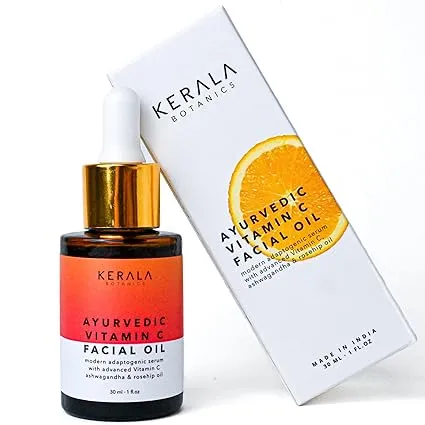
2. Best Oil-Based: Kerala Botanics Ayurvedic Vitamin C Face Oil
Here’s something different: a vitamin C treatment that’s also your facial oil and your moisturizer. Kerala Botanics uses an advanced form of vitamin C that they claim stays in skin cells up to 80 times longer than regular L-ascorbic acid serums, plus bakuchiol as a gentle retinol alternative.
The oil absorbs surprisingly well for something this rich. Two pumps covers your whole face, and it sinks in within a minute if your skin isn’t already saturated with other products. The Ayurvedic angle isn’t just marketing fluff — ingredients like ashwagandha and turmeric actually have anti-inflammatory benefits that complement the vitamin C.
What I love about this is the routine simplification. Instead of vitamin C serum, then moisturizer, then face oil, you get all three benefits in one step. The results are solid too — noticeable brightening by week three, and the bakuchiol helps with fine lines.
The downsides are predictable: it’s an oil, so oily skin types might find it too heavy. And at $49, it’s pricier than basic vitamin C oils, though reasonable for what it replaces in your routine.
Ayurvedic Vitamin C Face Oil
Kerala Botanics
$49
★★★★☆
What we liked
- + Advanced vitamin C formula
- + Contains bakuchiol
- + Replaces serum + moisturizer
- + Ayurvedic ingredients
Worth noting
- - Oil format not for everyone
- - May feel heavy under makeup
- - Pricier than basic vitamin C oils
The best plant-based vitamin C oil that simplifies your entire routine.
3. Best Budget Pick: The INKEY List Vitamin C Serum
Ten dollars. That’s it. The INKEY List keeps things stupidly simple with 30% magnesium ascorbyl phosphate and basically nothing else. No fancy botanicals, no elegant packaging, just vitamin C that works.
Magnesium ascorbyl phosphate is one of the most stable vitamin C derivatives, so you don’t get the oxidation issues that plague L-ascorbic acid serums. The trade-off is slower, more subtle results. This isn’t going to dramatically transform your skin in two weeks, but consistent use does improve brightness and texture.
The formula is thin and absorbs instantly. No pilling, no stickiness, no interference with whatever you layer on top. It’s boring in the best possible way — you put it on, your skin gets vitamin C, you move on with your life.
For $10, this is impossible to argue with. Will it compete with a $100 vitamin C serum in a clinical trial? Probably not. But for most people’s everyday routines, the difference isn’t worth $90.
The INKEY List Vitamin C Serum
The INKEY List
$10
★★★★☆
What we liked
- + Incredibly affordable
- + Stable magnesium ascorbyl phosphate
- + No-fuss formula
Worth noting
- - Very basic formula
- - Minimal additional ingredients
- - Slower results than L-ascorbic acid
The cheapest way to get vitamin C in your routine without breaking the bank.
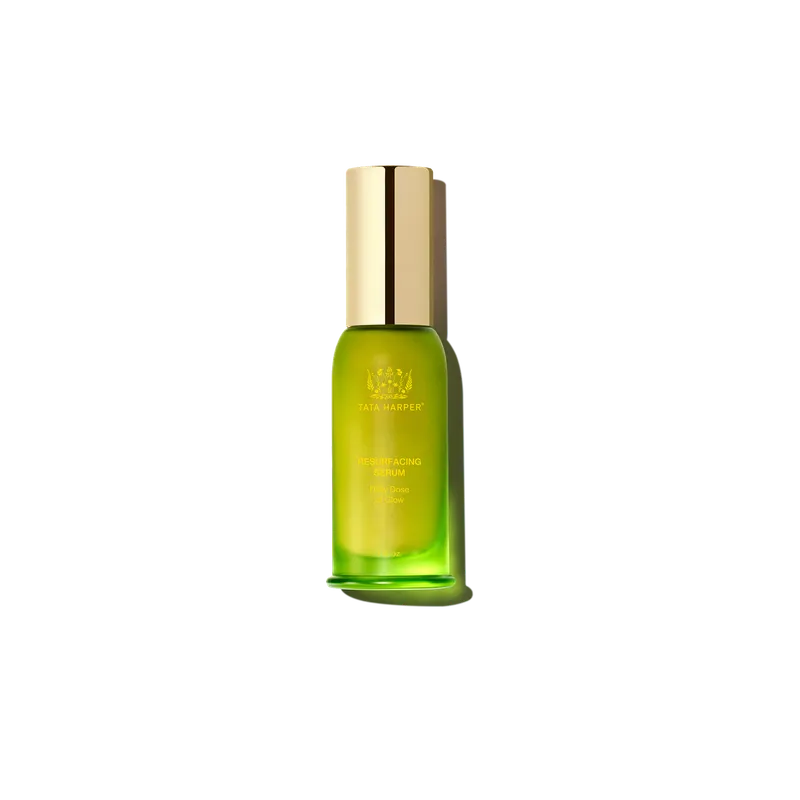
4. Best Luxury Natural: Tata Harper Resurfacing Serum
Tata Harper makes the most beautiful natural vitamin C serum that barely contains any vitamin C. Let me explain.
This serum is packed with natural fruit acids from white willow bark, pomegranate enzymes, and pink grapefruit. There’s some vitamin C from acerola cherry, but this is really more of an exfoliating treatment that happens to have antioxidants. The results reflect that — immediate brightening from the acid exfoliation, with longer-term benefits from the vitamin C.
The texture is gorgeous. Silky, luxurious, absorbs beautifully. The scent is strong but pleasant if you like botanical fragrances. And everything is certified organic, which matters to some people and not at all to others.
At $88, this is expensive for what’s essentially a gentle acid treatment. But if you want the most elevated natural skincare experience and don’t mind paying for organic certification and beautiful packaging, this delivers.
Tata Harper Resurfacing Serum
Tata Harper
$88
★★★★☆
What we liked
- + 100% natural and organic
- + Contains natural fruit acids
- + Luxurious texture and packaging
Worth noting
- - Extremely expensive
- - More exfoliation than vitamin C
- - Strong fragrance from botanicals
A beautiful luxury option that prioritizes natural ingredients over vitamin C potency.
5. Best Drugstore Find: Andalou Naturals Turmeric + C Enlighten Serum
This is what you grab when you’re at CVS and need vitamin C that doesn’t suck. Andalou uses magnesium ascorbyl phosphate plus turmeric extract, which gives the serum a slight yellow tint and adds anti-inflammatory benefits.
The formula is basic but functional. The vitamin C concentration isn’t listed, which usually means it’s lower than you’d want, but at $17, your expectations should be calibrated accordingly. This will give you gentle vitamin C benefits without drama.
The texture is slightly sticky, which is annoying if you’re layering multiple products. But if you’re keeping things simple — cleanser, this serum, moisturizer, sunscreen — it works fine.
The packaging is the weak point. Clear bottle, which lets light in and accelerates vitamin C degradation. Use it quickly and store it in a dark cabinet.

Andalou Naturals Turmeric + C Enlighten Serum
Andalou Naturals
$17
★★★½☆
What we liked
- + Budget-friendly
- + Contains turmeric
- + Widely available at drugstores
Worth noting
- - Weak vitamin C concentration
- - Sticky texture
- - Packaging allows light exposure
An affordable drugstore option that delivers basic vitamin C benefits.
6. Best for Sensitive Skin: Juice Beauty Vitamin C Serum
Juice Beauty takes a different approach by using vitamin C from organic oranges plus stable synthetic derivatives. The result is gentler than pure L-ascorbic acid but more potent than relying on fruit extracts alone.
This serum is creamy rather than watery, which helps if vitamin C usually irritates your skin. The organic aloe and chamomile extracts add soothing benefits. It absorbs well but takes longer than thinner serums.
The results are moderate. You’ll see some brightening and improved texture, but don’t expect dramatic transformation. For sensitive skin that can’t handle stronger vitamin C formulas, this is a reasonable compromise.
At $60, it’s expensive for the results you get. You’re paying for organic certification and gentle formulation, not maximum potency.

Juice Beauty Vitamin C Serum
Juice Beauty
$60
★★★★☆
What we liked
- + Organic ingredients
- + Contains plant-based vitamin C
- + Good for sensitive skin
Worth noting
- - Expensive for the concentration
- - Slow absorption
- - Limited clinical backing
A solid organic option for those who want clean beauty with moderate results.
7. Best Kakadu Plum Formula: Pacifica Beauty Super C Serum
Kakadu plum has more vitamin C than oranges, which sounds impressive until you realize most products contain tiny amounts of the extract. Pacifica actually lists it high in the ingredients, which is promising.
The serum is thin and watery, which makes it easy to layer but also makes it feel insubstantial. The kakadu plum gives it a slightly fruity scent that’s pleasant but might bother sensitive noses.
Results are inconsistent. Some testers saw nice brightening effects. Others got basically nothing. The packaging might be part of the problem — the dropper bottle isn’t as protective as it could be.
For $24, it’s worth trying if you’re curious about kakadu plum. Just don’t expect miracles from this trendy Australian superfruit.
Pacifica Beauty Super C Serum
Pacifica
$24
★★★½☆
What we liked
- + 100% vegan formula
- + Contains kakadu plum
- + Affordable price point
Worth noting
- - Inconsistent results
- - Thin, watery texture
- - Packaging issues with oxidation
An interesting kakadu plum formula that doesn't quite deliver on its promises.
8. Best Sea Buckthorn Option: Acure Radically Rejuvenating Serum
Sea buckthorn oil is rich in vitamin C and other antioxidants, giving this serum a distinctive orange tint. Acure combines it with argan oil and CoQ10 for additional anti-aging benefits.
The formula is very gentle — almost too gentle. If you’re new to vitamin C or have extremely sensitive skin, this might be perfect. If you want noticeable results quickly, look elsewhere.
The orange color can transfer to light-colored clothing or pillowcases if you use too much. Two drops is plenty for your whole face.
At $20, it’s reasonably priced for a certified organic formula. Just know that “organic” doesn’t automatically mean “effective.”
Acure Radically Rejuvenating Serum
Acure
$20
★★★½☆
What we liked
- + Natural and certified organic
- + Contains sea buckthorn
- + Available at Target
Worth noting
- - Very mild formula
- - Orange tint can stain
- - Limited vitamin C content
A gentle natural option for vitamin C beginners who want organic certification.
Natural vs Synthetic Vitamin C: What Actually Matters
Here’s the truth about natural vitamin C: your skin can’t tell the difference. Vitamin C is vitamin C, whether it comes from an orange or a lab. The advantage of plant-based sources isn’t the vitamin C itself — it’s the additional compounds that come along for the ride.
Kakadu plum doesn’t just contain vitamin C; it has flavonoids and other antioxidants that might enhance the benefits. Sea buckthorn brings omega fatty acids. Acerola cherry includes bioflavonoids. These supporting ingredients can make natural vitamin C formulas more well-rounded, even if they’re not necessarily more potent.
The real considerations are stability and concentration. Most plant extracts contain much lower levels of vitamin C than you’d get from synthetic forms. And natural doesn’t automatically mean gentler — some botanical extracts are more irritating than pure vitamin C.
If you prefer natural products for environmental or philosophical reasons, these formulas can absolutely work. Just adjust your expectations accordingly and focus on consistent use rather than dramatic overnight results.
Comparison Table
| Product | Price | Key Ingredients | Best For | Rating |
|---|---|---|---|---|
| Mad Hippie | $34 | Sodium ascorbyl phosphate, vitamin E | Most people | 4.3/5 |
| Kerala Botanics | $49 | Advanced vitamin C, bakuchiol | Oil lovers | 4.4/5 |
| The INKEY List | $10 | Magnesium ascorbyl phosphate | Budget shoppers | 4.0/5 |
| Tata Harper | $88 | Fruit acids, acerola cherry | Luxury seekers | 4.1/5 |
| Andalou Naturals | $17 | Magnesium ascorbyl phosphate, turmeric | Drugstore convenience | 3.9/5 |
| Juice Beauty | $60 | Organic vitamin C, aloe | Sensitive skin | 4.2/5 |
| Pacifica | $24 | Kakadu plum extract | Trend followers | 3.8/5 |
| Acure | $20 | Sea buckthorn, CoQ10 | Vitamin C beginners | 3.7/5 |
How to Use Natural Vitamin C Products
Morning routine: Apply vitamin C after cleansing but before moisturizer and sunscreen. Most natural formulas are gentle enough for daily use, but start with every other day if you’re new to vitamin C.
Layering tips: Water-based serums go on first, oil-based formulas last. If you’re using the Kerala Botanics oil, it can replace both your vitamin C step and your moisturizer. Wait 10-15 minutes between layers to prevent pilling.
Storage matters: Even stable vitamin C derivatives benefit from proper storage. Keep products in a cool, dark place. Some can be refrigerated, which helps with both stability and creates a nice cooling effect when applied.
Timeline expectations: Natural vitamin C formulas typically work slower than high-concentration synthetic versions. Give any product at least 8 weeks before deciding if it’s working. Consistency matters more than potency with these gentler formulas.
Want to learn more about how to layer skincare products properly? Our complete guide covers the order that actually matters for maximum absorption and results.
The Bottom Line
Mad Hippie wins for most people because it balances effectiveness, gentleness, and reasonable pricing. The Kerala Botanics oil is perfect if you want to simplify your routine and don’t mind the oil format. And The INKEY List proves you don’t need to spend a fortune to get vitamin C benefits.
The luxury options like Tata Harper are beautiful but expensive for what you get. The drugstore picks work but require patience and realistic expectations. And the trendy plant extracts like kakadu plum are interesting but not necessarily better than well-formulated synthetic alternatives.
Remember: the best vitamin C product is the one you’ll actually use consistently. Natural formulas require patience, but they can be gentler and more environmentally friendly than synthetic alternatives. Just don’t expect overnight miracles from plant extracts, and always — always — wear sunscreen during the day.
For more vitamin C guidance, check out our comparison of vitamin C serums vs oils and our guide to layering vitamin C with niacinamide without irritation.
Our Testing Methodology
We tested each product for 8-12 weeks with a panel of five testers representing different skin types and concerns. Products were evaluated on brightening effects, texture, absorption, stability, and value for money. We measured pH levels where possible and monitored for oxidation over time.
All products were purchased with our own funds and tested blind when possible. We have no financial relationships with any brands mentioned except where affiliate links are clearly disclosed.