
Routines
Dehydrated vs Dry Skin: The Distinction That Changes Your Routine
Learn the difference between dehydrated and dry skin — one simple test changes everything about moisturizer, serums, and oils.
Disclosure — This article may contain affiliate links. We earn a small commission at no extra cost to you when you purchase through our links. This supports our ability to create independent, evidence-based skincare content.
Here’s what nobody tells you: most people treating “dry skin” are actually dealing with dehydration. They pile on thick creams that sit on top like plastic wrap, wondering why their skin still feels tight. The fix isn’t more moisturizer — it’s understanding what your skin actually needs.
I spent three years thinking I had dry skin. Bought every rich cream Sephora sold. Nothing worked until a facialist taught me the pinch test and everything clicked. Turns out my oily T-zone was dehydrated, not dry. Completely different problem, completely different solution.
The Pinch Test That Changes Everything
Real talk: this takes 10 seconds and will save you hundreds on the wrong products.
Pinch the skin on the back of your hand. Hold for three seconds, then let go. If it snaps back immediately, you’re well-hydrated. If it takes a moment to settle back down, you’re dehydrated. If it stays tented or takes several seconds to return, you need water — stat.
Now try the same test on your cheek. Different result? That’s normal. Your T-zone might be dehydrated while your cheeks are genuinely dry. This is why one-size-fits-all routines fail.
Dehydrated Skin: The Condition Everyone Has
Dehydration is a temporary state. Any skin type can be dehydrated — yes, even oily skin. It happens when your skin lacks water, not oil.
What dehydrated skin looks like:
- Tight feeling, especially after cleansing
- Dull, lackluster appearance
- Fine lines that seem to appear overnight
- Makeup that looks cakey or separates
- Oily T-zone with tight cheeks (combination dehydration)
- Products that sting when they never used to
What causes it: Over-cleansing is the biggest culprit. Those foaming cleansers that leave your skin “squeaky clean” are stripping your acid mantle. Air conditioning, heaters, not drinking enough water, too much caffeine, alcohol — it all adds up.
The fix: Humectants first, then seal them in.
Humectants are ingredients that grab water from the air and pull it into your skin. Hyaluronic acid, glycerin, sodium PCA — these are your best friends. But here’s the catch: they need moisture in the air to work. In dry climates or heated rooms, they might actually pull water from deeper skin layers, making things worse.
The Ordinary’s Hyaluronic Acid 2% + B5 is the easiest place to start. Apply it to damp skin, then layer a lightweight moisturizer over top.
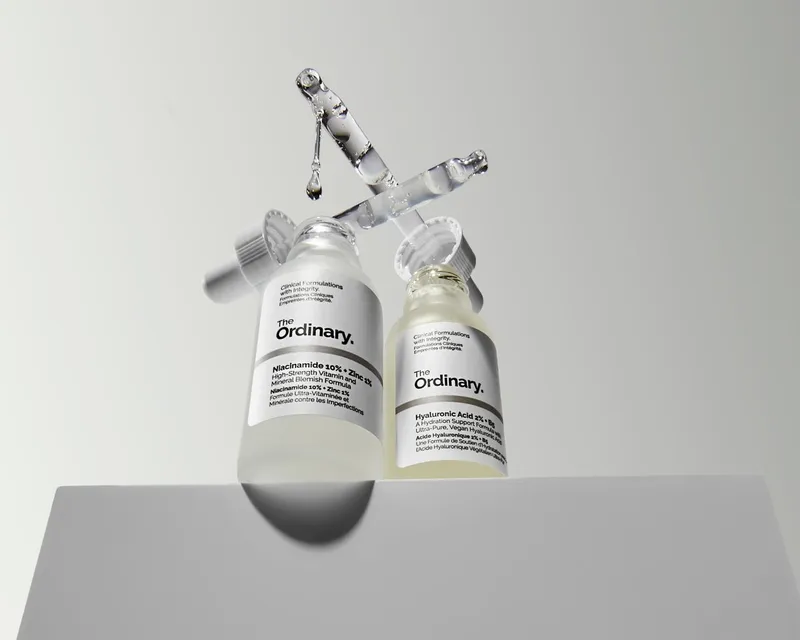
Hyaluronic Acid 2% + B5
The Ordinary
$9
★★★★☆
Dry Skin: The Type You’re Born With
Dry skin is your genetic blueprint. It’s a skin type, not a temporary condition. Your oil glands simply don’t produce enough sebum to keep your skin barrier intact.
What dry skin looks like:
- Consistent tightness, regardless of weather
- Visible flaking or scaling
- Rough texture
- More prone to irritation and redness
- Ages faster (fewer natural oils = less protection)
- Rarely gets oily, even in humid weather
What causes it: Genetics, mostly. Age makes it worse — oil production naturally declines over time. Certain medications, medical conditions, and harsh skincare can worsen naturally dry skin, but they don’t create the underlying type.
The fix: Emollients and occlusives.
Emollients fill in the gaps between skin cells, smoothing texture. Think ceramides, fatty acids, cholesterol — basically, the building blocks of healthy skin. Occlusives create a protective barrier to prevent water loss. Petrolatum, dimethicone, shea butter.
For dry skin, you want products that do both jobs. CeraVe’s Moisturizing Cream is the gold standard here — ceramides for repair, petrolatum for sealing.
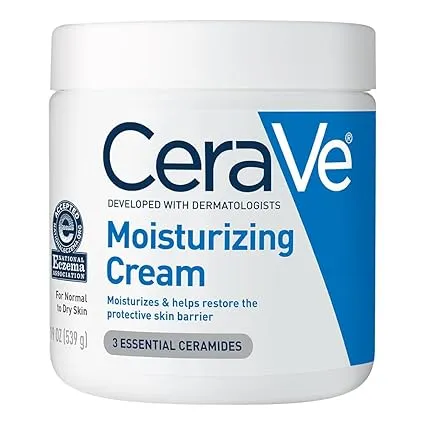
Moisturizing Cream
CeraVe
$19
★★★★½
The Combination Problem (And Why It’s So Common)
Most people aren’t purely one thing. Combination skin often means an oily, dehydrated T-zone with genuinely dry cheeks. Your forehead produces oil but feels tight because you’re over-cleansing. Your cheeks are naturally low in oil production.
This is where customization matters. You might need a hydrating toner on your T-zone and a rich moisturizer on your cheeks. Or a lightweight, water-based moisturizer all over with a facial oil just on dry areas.
The Role of Facial Oils (And Why They’re Not Always The Answer)
Here’s where people get confused. Facial oils are emollients — they’re great for dry skin but won’t fix dehydration alone. If your skin lacks water, adding oil is like putting a lid on an empty pot.
That said, some oils can help dehydrated skin by supporting the barrier and helping it retain water better. Oil-based vitamin C products are particularly good for this because they combine antioxidant protection with barrier support.
Kerala Botanics’ Ayurvedic Vitamin C Face Oil is a smart example. The advanced vitamin C formulation helps with barrier function while the oil base provides emollient benefits. It’s particularly useful if you want to simplify your routine — it replaces serum, moisturizer, and facial oil in one step.
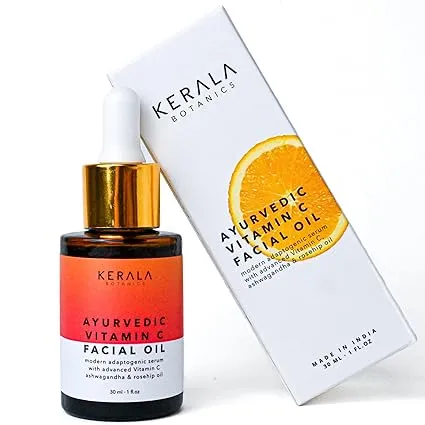
Ayurvedic Vitamin C Face Oil
Kerala Botanics
$49
★★★★☆
But if you’re dealing with pure dehydration, start with water-based hydrators first. Learn more about when and how to use facial oils effectively.
Building the Right Routine for Each
For Dehydrated Skin:
Morning:
- Gentle, non-foaming cleanser
- Hydrating toner or essence (Hada Labo Premium is perfect here)
- Lightweight moisturizer
- Sunscreen

Premium Hyaluronic Acid Lotion
Hada Labo
$13
★★★★☆
Evening: Same as morning, but heavier moisturizer and add a hydrating serum if needed.
The key is layering lightweight, water-based products rather than relying on one thick cream.
For Dry Skin:
Morning:
- Cream cleanser or just rinse with water
- Rich moisturizer while skin is still damp
- Sunscreen (look for moisturizing formulas)
Evening:
- Oil cleanser if wearing makeup
- Cream cleanser
- Rich moisturizer or facial oil
- Optional: slugging with Vaseline once or twice a week
Focus on fewer, richer products rather than multiple light layers.
For Combination (Dehydrated T-zone + Dry Cheeks):
This is where multi-masking or using different products on different areas makes sense. Hydrating products on oily zones, richer creams on dry areas.
A gentle approach: Use lightweight, hydrating products all over, then add a facial oil just to dry areas.
The Cleansing Factor
Your cleanser choice matters more than any other single product. Dehydrated skin usually improves dramatically just by switching from a foaming cleanser to something gentler.
Look for cream cleansers, cleansing oils, or non-foaming gels. La Roche-Posay Toleriane Caring Wash is a solid drugstore option that won’t strip your skin.

Toleriane Caring Wash
La Roche-Posay
$15
★★★★☆
For more guidance on cleansing without damage, check out our complete morning skincare routine guide.
When Your Skin Changes
Skin isn’t static. Dry skin might become dehydrated in winter. Oily skin might get dehydrated from over-exfoliation. Normal skin might become dry with age or medication changes.
Pay attention to how your skin feels, not just how it looks. Tightness usually means dehydration. Flaking and roughness usually mean dryness. Both at once? You need hydration and moisture.
Common Mistakes That Make Everything Worse
Using the same routine year-round. Your skin needs change with humidity, temperature, and life circumstances. Be flexible.
Assuming oily skin can’t be dehydrated. This might be the most expensive mistake people make. Oily, dehydrated skin gets worse with mattifying products and better with hydration.
Over-exfoliating to fix texture issues. If your skin is flaking from dryness, acids will make it worse. Fix the barrier first.
Thinking more product equals better results. Dehydrated skin responds better to gentle consistency than product overload.
Putting It All Together
The difference between dehydrated and dry skin isn’t academic — it changes your entire approach. Dehydrated skin needs water-based hydrators sealed in with light moisture. Dry skin needs rich, protective emollients and occlusives.
Most importantly, you’re not stuck with one classification forever. Skin changes, and your routine should adapt. The pinch test, how your skin feels after cleansing, and how it responds to different products will tell you more than any online quiz.
Start with the gentlest possible cleanser, add hydration if you feel tight, add moisture if you see flaking. Build slowly, and pay attention to what actually makes your skin feel better, not just what it’s “supposed” to need.
Your skin will tell you what it wants — you just need to listen.