
Routines
Slugging: The K-Beauty Occlusion Method (and When It Backfires)
Everything you need to know about slugging — when the K-beauty occlusion method works, when it backfires, and which products actually deliver results.
Disclosure — This article may contain affiliate links. We earn a small commission at no extra cost to you when you purchase through our links. This supports our ability to create independent, evidence-based skincare content.
Slugging sounds gross but works beautifully — for the right people. This K-beauty method of sealing everything under petroleum jelly can heal compromised barriers in days. It can also trigger breakouts that last weeks.
The difference comes down to understanding what slugging actually does and whether your skin needs that level of occlusion. Most people try it because TikTok made it look universal. It’s not.
What Slugging Actually Is
Slugging means applying an occlusive layer — typically petroleum jelly or a similar balm — as the final step in your nighttime routine. The goal is to create a barrier that prevents water loss while you sleep.
It’s called slugging because you wake up looking shiny and, well, slug-like. The K-beauty community has been doing this for decades, though they don’t always use that particular name for it.
The science is simple: occlusives form a physical barrier on skin that can reduce transepidermal water loss by up to 98%. For severely dehydrated or damaged skin, that level of water retention can accelerate healing significantly.
But here’s what most tutorials skip: slugging works by trapping everything underneath that barrier. If your skin is producing excess oil or harboring bacteria, you’ve just created an ideal breeding ground.
The Big Three: Vaseline vs Aquaphor vs CeraVe
Most people reach for one of three products when they try slugging. Each works differently.
Vaseline (100% petroleum jelly) is pure occlusion. Nothing gets in, nothing gets out. It’s the most effective at preventing water loss but also the most likely to cause problems for acne-prone skin.

100% Pure Petroleum Jelly
Vaseline
$4
★★★★½
Aquaphor Healing Ointment adds panthenol and glycerin to petroleum jelly base. The additions make it slightly less occlusive but more soothing. It’s often the best choice for sensitive or irritated skin.
Healing Ointment
Aquaphor
$7
★★★★½
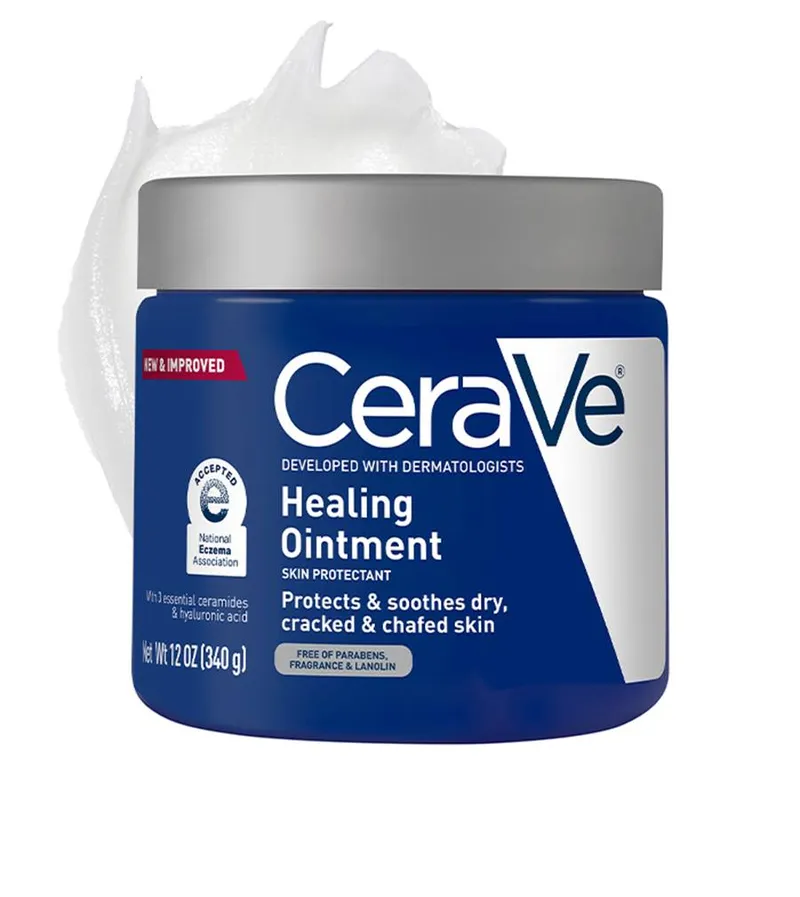
CeraVe Healing Ointment includes ceramides and hyaluronic acid. It’s the least occlusive of the three but offers the most additional benefits. Good for people who want to try slugging without committing to full petroleum jelly.
Healing Ointment
CeraVe
$8
★★★★☆
When Slugging Works
Slugging excels at repairing damaged skin barriers. If your skin is flaky, tight, or stinging from over-exfoliation or harsh weather, a few nights of slugging can reset things remarkably fast.
We see the best results with:
- Winter-damaged skin that’s lost its protective barrier
- Post-treatment skin recovering from professional peels or laser work
- Chronically dry skin that doesn’t respond to regular moisturizers
- Eczema flares (though always check with a dermatologist first)
The key is using it strategically, not nightly. Most people need slugging for 3-5 nights to see improvement, then can maintain with regular moisturizing.
It also works well when you’re introducing strong actives. If you’re starting tretinoin or adjusting to a new retinoid, slugging 2-3 nights per week can minimize irritation while your skin adapts.
For people with naturally dry skin, occasional slugging — maybe once a week — can be preventive maintenance. Think of it as a weekly reset rather than a daily routine.
When It Backfires
Slugging fails spectacularly for certain skin types and conditions. The problems usually show up within 3-5 days.
Acne-prone skin often gets worse with slugging. The occlusion can trap oil and bacteria, leading to more breakouts. If you’re dealing with active acne, skip slugging and focus on proper cleansing instead.
Fungal acne (malassezia) gets significantly worse under occlusive barriers. The yeast thrives in warm, moist environments — exactly what slugging creates. If you suspect fungal acne, petroleum-based slugging is off-limits.
Naturally oily skin usually doesn’t benefit from slugging. If your skin produces adequate oil on its own, adding more occlusion often leads to clogged pores and a greasy feeling that lasts into the next day.
Sensitive skin that reacts to petroleum derivatives should obviously avoid traditional slugging. But this is rarer than people think — pure petroleum jelly is actually one of the least reactive skincare ingredients.
How to Slug Properly
Start with clean, slightly damp skin. The water gives the occlusive something to trap — slugging over completely dry skin is less effective.
Apply your regular nighttime routine first. Slugging works best as the final layer over your complete evening routine. If you’re using actives like retinol or acids, let them absorb completely before slugging.
Use less than you think. A thin layer is sufficient — you’re not frosting a cake. Too much product will transfer to your pillowcase and won’t provide additional benefits.
Sleep on a towel the first few nights. Even a thin layer can transfer, and petroleum jelly can stain fabric.
Cleanse thoroughly the next morning. Double cleansing works well here — oil cleanser first to break down the occlusive, then water-based cleanser to remove everything else.
Alternatives to Traditional Slugging
Not everyone needs full petroleum jelly occlusion. Lighter alternatives can provide some benefits with less risk.
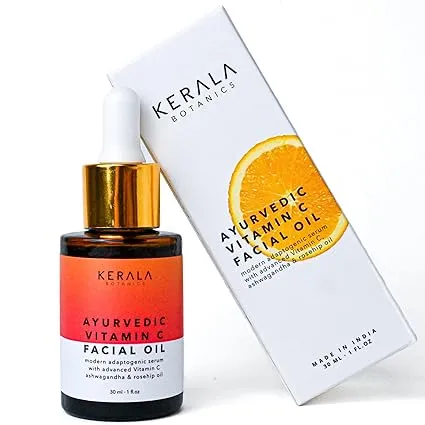
Facial oils offer moderate occlusion with additional nourishing ingredients. Something like the Kerala Botanics Ayurvedic Vitamin C Face Oil provides gentle barrier support while delivering vitamin C and bakuchiol overnight.
Ayurvedic Vitamin C Face Oil
Kerala Botanics
$49
★★★★☆
Heavy night creams with occlusive ingredients like shea butter or squalane can provide barrier support without full petroleum jelly intensity. Better for combination skin that needs some occlusion but not everywhere.
Strategic slugging means applying the occlusive only to the driest areas — often around the nose, corners of the mouth, or under-eye area. This gives targeted repair without covering the entire face.
Reading the Signs
Your skin will tell you whether slugging is working within a few days.
Good signs: tightness disappears, flaking stops, skin feels bouncy and hydrated in the morning. These indicate that slugging is doing its job.
Warning signs: new breakouts, especially small bumps around the hairline or jaw. Increased oiliness that doesn’t settle throughout the day. A feeling that your skin can’t “breathe” even after cleansing.
If you see warning signs, stop immediately. It can take 1-2 weeks for slugging-related breakouts to fully clear.
Building It Into Your Routine
Slugging isn’t meant to be permanent. Think of it as intensive treatment, not maintenance.
For barrier repair, slug for 3-5 consecutive nights, then reassess. Most people see improvement by night three. If your skin feels normal again, you can stop and return to regular moisturizing.
For maintenance, once weekly slugging can help very dry skin types maintain hydration. Pick a consistent night — Sunday works for many people — and make it part of your weekly routine.
During active treatment with retinoids or acids, you might slug 1-2 nights per week to offset irritation. This is called “slugging breaks” in some communities.
What Not to Slug Over
Never slug over unwashed skin or active breakouts. The occlusion will trap bacteria and make things worse.
Don’t slug immediately after applying strong acids or fresh retinoid applications unless your skin is already adapted. The increased penetration can cause irritation.
Skip slugging if you’ve used any exfoliating tools or devices that day. Let your skin settle for 24 hours first.
Avoid slugging over heavy serums or treatments that haven’t fully absorbed. You want the beneficial ingredients to penetrate before sealing everything in.
The Bottom Line
Slugging works brilliantly for specific situations: damaged barriers, chronic dryness, post-treatment recovery. It fails when applied universally without considering skin type and current condition.
The method itself is straightforward, but success depends on honest assessment of whether your skin actually needs this level of intervention. When in doubt, start with less occlusive alternatives and work up only if necessary.
Most importantly, slugging should feel like relief, not suffocation. If your skin feels worse after a few nights, trust that signal and try a gentler approach to barrier repair instead.