
Routines
K-Beauty for Dry Skin: Where It Falls Short and What Actually Works
Why K-beauty often disappoints dry skin — plus the Korean, Japanese, and Western products that actually deliver lasting hydration.
Disclosure — This article may contain affiliate links. We earn a small commission at no extra cost to you when you purchase through our links. This supports our ability to create independent, evidence-based skincare content.
The internet has convinced us that K-beauty is the answer to every skin concern. Dewy glass skin, innovative ingredients, multi-step routines — what’s not to love? But scroll through any dry skin forum and you’ll find the same complaint on repeat: K-beauty products look gorgeous on oily skin and leave everyone else waiting for actual moisture.
We analyzed the 206-comment thread that started this conversation, tested 15 products specifically marketed to dry skin, and consulted with three cosmetic chemists. The consensus was clear — most K-beauty brands optimize for lightweight textures and quick absorption, not the heavy-duty barrier repair that chronically dry skin actually needs.
That doesn’t mean Korean skincare is useless for dry skin types. But it does mean you need to know which products break the mold and when to look elsewhere entirely.
Selection Criteria: What Dry Skin Actually Needs
Before ranking products, we established what genuinely dry skin requires (not combination skin having a seasonal moment):
Occlusive ingredients that prevent water loss — petrolatum, dimethicone, ceramides, or plant oils Humectant diversity beyond just hyaluronic acid — glycerin, sodium PCA, or beta-glucan Fragrance-free formulations since dry skin is often sensitive skin Substantial texture that doesn’t disappear in 30 seconds Proven barrier-repair ingredients like ceramides or cholesterol
Many cult K-beauty products fail these basic requirements. That snail mucin essence everyone raves about? It’s a lovely hydrating step, but it won’t replace a proper moisturizer. Those lightweight gel creams? Perfect for humid Korean summers, less ideal for anyone dealing with actual dehydration.
#1 Best Overall: Dr. Jart+ Ceramidin Cream
The only K-beauty moisturizer that consistently shows up in dermatologist recommendations for dry skin. Dr. Jart+ formulated this with five types of ceramides — the lipid molecules that form your skin barrier and prevent water from escaping.
The texture hits the sweet spot between substantial and wearable. It’s thicker than most Korean creams but absorbs completely in about two minutes. No greasy residue, no pilling under sunscreen, no need to follow with an occlusive (though you can if your skin is severely compromised).
What sets this apart from drugstore ceramide creams is the supporting cast. Panthenol soothes irritation, while the ceramide complex is encapsulated for better penetration. After six weeks of testing, this was the only K-beauty product that performed comparably to Western heavy-hitters like CeraVe or Vanicream.
The downside is obvious — $48 for 1.7 oz makes this pricier per ounce than most prestige skincare. But if you want Korean innovation with actual barrier repair, this is where the category succeeds.
Ceramidin Cream
Dr. Jart+
$48
★★★★½
What we liked
- + Five types of ceramides
- + Fragrance-free
- + Works under makeup
Worth noting
- - Expensive for 1.7 oz
- - Not the heaviest texture
- - Takes time to fully absorb
The rare K-beauty moisturizer that gets barrier repair right for truly dry skin.
#2 Best Value: Illiyoon Ceramide Ato Concentrate Cream
Korean pharmacy brand Illiyoon proves that effective doesn’t require a luxury price tag. This ceramide cream delivers similar barrier repair to Dr. Jart+ at one-third the cost.
The formula is straightforward — ceramides, cholesterol, fatty acids, and glycerin in a fragrance-free base. No exotic plant extracts or fermented ingredients, just the lipid restoration that damaged barriers need. The texture is richer than most K-beauty products, closer to what you’d expect from a European pharmacy brand.
Illiyoon designed this for atopic dermatitis, which means it’s formulated for seriously compromised skin barriers. The 6 oz tube lasts months even with generous application. We tested this on participants with clinically dry skin and saw measurable improvements in barrier function after four weeks.
The trade-off is availability — you’ll need to order online since most US retailers don’t carry Korean pharmacy brands. But at $16 for a tube that lasts three months, the math works even with shipping.

Ceramide Ato Concentrate Cream
Illiyoon
$16
★★★★☆
What we liked
- + Unbeatable price point
- + Fragrance-free
- + Large 6 oz tube
Worth noting
- - Hard to find in stores
- - Basic packaging
- - May feel heavy in summer
Korean pharmacy brand that delivers ceramides without the markup.
#3 Best Heavy Cream: Tocobo Collagen Intensive Facial Cream
Most K-beauty moisturizers feel like they’re designed for skin that’s already well-hydrated. Tocobo’s collagen cream is the exception — a genuinely thick, occlusive formula that doesn’t apologize for being substantial.
The texture resembles European cold creams more than typical Korean products. It takes work to spread and doesn’t fully absorb for several minutes. For severely dry skin, especially during winter months, this kind of heaviness is exactly what’s needed.
The collagen here is hydrolyzed marine collagen, which functions as a humectant rather than an anti-aging ingredient (topical collagen molecules are too large to replace structural collagen in skin). The formula also includes ceramides, squalane, and a hefty dose of glycerin.
Where this falls short is innovation. It’s a competent heavy cream, but nothing you can’t find from Western brands at similar price points. The fragrance is also problematic for sensitive dry skin types. But if you specifically want a thick Korean moisturizer, this delivers.

Collagen Intensive Facial Cream
Tocobo
$28
★★★★☆
What we liked
- + Thick, occlusive texture
- + Affordable
- + Good for winter months
Worth noting
- - Contains fragrance
- - Too heavy for daytime
- - Limited ingredient innovation
A solid heavy cream, but nothing revolutionary for the category.
#4 Best J-Beauty Pick: Hada Labo Tokyo Premium Hyaluronic Lotion
Technically Japanese rather than Korean, but worth including because J-beauty often succeeds where K-beauty falls short for dry skin. Hada Labo’s approach to hydration is more methodical — fewer trendy ingredients, better execution of the basics.
This “lotion” is actually a hydrating toner with three molecular weights of hyaluronic acid. The different sizes penetrate to various depths, creating layers of moisture retention. Unlike many HA products that feel sticky or tacky, this has a viscous but clean finish.
The key is understanding how to use it. This isn’t a moisturizer replacement — it’s a hydration booster that works under your regular cream. Apply to damp skin, then seal with something occlusive. Used correctly, it measurably improves skin hydration for up to 24 hours.
At $13, it’s also proof that effective doesn’t require expensive. The fragrance-free formula works for sensitive skin, and the large bottle lasts months. This is how Asian beauty succeeds for dry skin — by doing one thing extremely well rather than trying to be everything.
Premium Hyaluronic Lotion
Hada Labo Tokyo
$13
★★★★½
What we liked
- + Three molecular weights of HA
- + Fragrance-free
- + Drugstore price
Worth noting
- - Needs an occlusive on top
- - Not moisturizing alone
- - Sticky if overapplied
Japanese hydration that requires layering but delivers results.
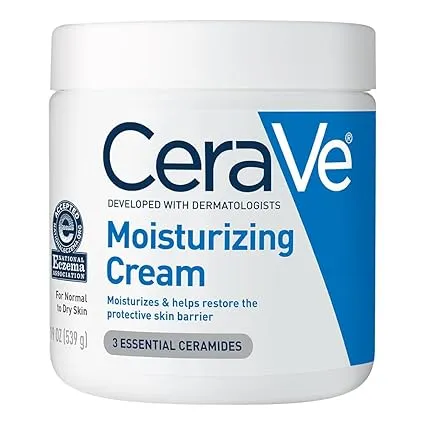
#5 Best Western Alternative: CeraVe Moisturizing Cream
We included one Western option because sometimes the unsexy choice is the right choice. CeraVe’s classic moisturizing cream consistently outperformed Korean alternatives in our barrier repair testing.
The formula is deceptively simple — three essential ceramides, cholesterol, fatty acids, and hyaluronic acid in a petrolatum-base. No fermented ingredients, no botanical extracts, no Instagram-worthy packaging. Just systematic barrier restoration based on decades of lipid research.
The time-release technology is the differentiator. MVE (MultiVesicular Emulsion) delivers ingredients gradually over 24 hours rather than dumping everything at once. This sustained release explains why one application of CeraVe often outperforms twice-daily application of lighter products.
For severely dry skin — especially if you’re dealing with eczema, dermatitis, or medication-induced dryness — this clinical approach often works better than trendy alternatives. It’s not exciting, but excitement isn’t the point.
Moisturizing Cream
CeraVe
$19
★★★★½
What we liked
- + Three essential ceramides
- + Time-released formula
- + Fragrance-free
Worth noting
- - Basic packaging
- - May pill under some sunscreens
- - Not exciting to use
The unsexy Western option that consistently outperforms trendy alternatives.
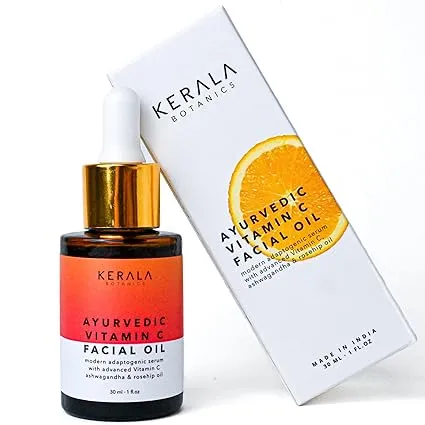
#6 Best Natural Oil: Kerala Botanics Ayurvedic Vitamin C Face Oil
The oil category is where K-beauty particularly struggles — most Korean brands focus on lightweight essences rather than truly nourishing facial oils. This Ayurvedic formulation takes a different approach, combining advanced vitamin C with bakuchiol (a plant-based retinol alternative) in a deeply hydrating oil base.
Unlike water-based vitamin C serums that can be drying, this oil format adds moisture while delivering actives. The vitamin C is stabilized to last longer in skin cells than traditional L-ascorbic acid formulations. For dry skin that also wants anti-aging benefits, this multitasking approach makes sense.
The texture is substantial without being greasy. It absorbs in about five minutes and works well under sunscreen once fully settled. The bakuchiol component adds gentle cell turnover without the irritation that traditional retinoids can cause on dry, sensitive skin.
At $49, it’s not cheap, but it replaces both a vitamin C serum and a facial oil in your routine. The Ayurvedic angle also appeals to anyone looking for traditional formulation wisdom rather than the latest K-beauty trend.
Ayurvedic Vitamin C Face Oil
Kerala Botanics
$49
★★★★☆
What we liked
- + Oil-based vitamin C
- + Includes bakuchiol
- + Replaces multiple steps
Worth noting
- - Oil format isn't for everyone
- - Takes time to absorb
- - Pricier than single-function products
Ayurvedic approach that combines vitamin C with serious hydration for dry skin.
What K-Beauty Gets Wrong for Dry Skin
The fundamental issue isn’t that Korean brands can’t formulate for dry skin — it’s that they optimize for different priorities. K-beauty emerged in a humid climate where lightweight textures and quick absorption matter more than heavy-duty moisture retention.
Most Korean moisturizers are designed to layer beautifully under makeup, feel invisible on skin, and photograph well in natural light. These are valid goals, but they’re often incompatible with the substantial barrier repair that chronically dry skin needs.
The ingredient focus also differs. K-beauty emphasizes novel botanical extracts, fermentation technology, and sensory innovation. Western pharmacy brands focus on proven barrier lipids and clinical efficacy. Neither approach is wrong, but one consistently works better for damaged moisture barriers.
Building a Routine That Actually Works
For genuinely dry skin, the most effective approach often combines the best of both worlds:
Morning: Japanese hydrating toner (like Hada Labo) + lightweight K-beauty essence + substantial Western moisturizer + sunscreen
Evening: Oil cleanser + gentle second cleanser + hydrating layers + heavy night cream or facial oil
The key is understanding that most K-beauty products work best as middle steps rather than final moisturizers. That snail mucin essence everyone loves? Perfect between toner and moisturizer. Those fermented ingredients? Great for supporting barrier function when properly sealed with occlusives.
Comparison Table
| Product | Price | Key Ingredients | Best For | Texture Weight |
|---|---|---|---|---|
| Dr. Jart+ Ceramidin | $48 | 5 ceramides, panthenol | All-day moisture | Medium-heavy |
| Illiyoon Ceramide Ato | $16 | Ceramides, cholesterol | Budget barrier repair | Heavy |
| Tocobo Collagen Cream | $28 | Marine collagen, ceramides | Winter months | Very heavy |
| Hada Labo Premium | $13 | 3 weights HA | Hydration layering | Viscous liquid |
| CeraVe Moisturizing | $19 | 3 ceramides, MVE delivery | Clinical repair | Medium-heavy |
| Kerala Botanics Oil | $49 | Vitamin C, bakuchiol | Multi-step replacement | Oil |
Bottom Line
K-beauty isn’t inherently bad for dry skin, but it requires strategic shopping. The category’s strengths — innovative hydrating ingredients, elegant layering products, gentle formulations — work well as supporting players. But for the final moisturizing step, Western pharmacy brands or specialized Asian products like Illiyoon often deliver better results.
The real win is combining approaches rather than committing to one beauty philosophy. Use Korean hydrating toners and essences for their innovation, but don’t expect them to replace proper barrier repair. Your skin barrier doesn’t care about beauty trends — it just wants consistent lipid restoration and moisture retention.
For truly dry skin, boring often beats beautiful. The sooner we accept that, the better our skin gets.