
Routines
The Japanese Skincare Routine: How It Differs From K-Beauty
Japanese skincare emphasizes simplicity and long-term skin health over K-beauty's multi-step approach. Here's what sets J-beauty philosophy apart.
Disclosure — This article may contain affiliate links. We earn a small commission at no extra cost to you when you purchase through our links. This supports our ability to create independent, evidence-based skincare content.
Walk into any Japanese drugstore and you’ll notice something immediately: the skincare sections are smaller, quieter, and filled with products that look almost boring compared to their Korean counterparts. No rainbow packaging, no 12-step routines plastered on the walls, no promises to transform your skin overnight. This isn’t an oversight — it’s philosophy.
Japanese skincare (J-beauty) and Korean skincare (K-beauty) represent fundamentally different approaches to skin health. Where K-beauty embraces innovation, experimentation, and the “more is more” mentality, J-beauty is built on restraint, tradition, and the belief that good skin comes from consistency over complexity. Neither approach is wrong, but understanding the differences can help you figure out which philosophy actually fits your lifestyle.
The Core Philosophy: Prevention vs. Innovation
The biggest difference between J-beauty and K-beauty isn’t about products — it’s about mindset. Japanese skincare is rooted in prevention. The goal is maintaining healthy skin over decades, not fixing problems that have already appeared. This shows up in everything from ingredient choices (gentle, proven actives over cutting-edge discoveries) to routine structure (fewer steps, more consistency).
Korean skincare, by contrast, thrives on innovation and customization. K-beauty pioneered the concept of targeted treatments — different essences for different concerns, multiple serums layered for maximum effect, routine adjustments based on season, skin condition, or even mood. The 10-step routine isn’t just a meme; it’s a genuine reflection of the belief that more targeted products yield better results.
Neither philosophy is superior, but they attract different personalities. J-beauty appeals to people who want simplicity and long-term thinking. K-beauty works for those who enjoy experimentation and don’t mind complexity if it means potentially faster or more dramatic results.
The practical difference? A typical Japanese routine might use the same four products for years. A Korean routine might involve swapping out products monthly based on skin needs, weather, or new launches that promise better results.
The Japanese Lotion-Emulsion-Cream Structure
Japanese skincare follows a specific structural logic that’s remained consistent for decades: lotion, emulsion, cream. This isn’t arbitrary — each step serves a distinct function and builds on the previous one.
Lotion in Japanese skincare doesn’t mean what it means in Western beauty. These are lightweight, water-based treatments (often called “toners” elsewhere) designed to prep skin and deliver hydrating ingredients. They’re usually applied with cotton pads or patted in with hands, and they’re meant to be the first treatment layer after cleansing.
The most famous example is Hada Labo’s Premium Hyaluronic Acid Lotion, which contains five types of hyaluronic acid in a simple, fragrance-free formula. It’s been largely unchanged since launch because it works.
Premium Hyaluronic Acid Lotion
Hada Labo
$18
★★★★☆
Emulsion is the middle step — a lightweight moisturizer that provides more hydration than the lotion but isn’t as occlusive as the final cream. Emulsions are often skipped in Western routines, but they’re essential in Japanese skincare because they bridge the gap between treatment and protection.
Cream is the final seal — heavier, more occlusive, designed to lock everything in and provide overnight or day-long protection. Japanese creams tend to be richer and more protective than their Korean counterparts, which often prioritize fast absorption over barrier function.
This three-step structure is designed around the Japanese concept of layered hydration. Each step adds moisture while allowing the previous layer to penetrate fully. It’s methodical, predictable, and effective — but it requires patience and consistency to work properly.
Ingredient Philosophy: Proven Over Trendy
Japanese skincare brands are notoriously conservative with ingredients. While K-beauty launches new actives constantly (snail mucin, bee venom, fermented extracts, peptide complexes), J-beauty sticks to ingredients with decades of research backing their safety and efficacy.
This shows up most clearly in anti-aging ingredients. Japanese brands were using retinol derivatives, vitamin C, and niacinamide long before they became trendy, and they’re still using them now — just in gentler, more stable formulations designed for long-term use rather than dramatic short-term results.
Take ceramides, for example. Japanese brands like Curel built entire product lines around ceramide technology in the 1990s, focusing on barrier repair for sensitive skin. The approach was unsexy but effective: gentle ceramide formulations that strengthened skin over months of use.
Moisture Milk
Curel
$22
★★★★☆
Korean brands, meanwhile, tend to embrace newer or more unusual ingredients faster. Snail secretion filtrate, galactomyces ferment, and plant stem cells all gained mainstream acceptance in K-beauty before appearing in Western or Japanese products. This isn’t necessarily better or worse — it just reflects different priorities around innovation versus proven safety.
The practical result is that Japanese skincare tends to be more predictable. You’re less likely to have a dramatic reaction (positive or negative) to a Japanese product, and you’re more likely to see gradual, sustained improvements over long-term use. Korean products, on the other hand, might deliver faster results but require more trial and error to find what works for your specific skin.
Fermentation and Traditional Ingredients
One area where Japanese skincare does embrace innovation is fermentation — but even here, the approach differs from K-beauty. Japanese fermentation technology is typically based on traditional brewing and food fermentation methods (sake, rice, soy), while Korean fermentation often involves newer processes designed specifically for skincare.
SK-II’s Facial Treatment Essence is the most famous example. The Pitera (galactomyces ferment filtrate) comes from a sake brewing process that’s been refined over decades. It’s a single-ingredient approach — 90% Pitera, minimal supporting cast — that’s remained essentially unchanged since the 1980s.
Facial Treatment Essence
SK-II
$99
★★★★☆
Korean essences, by comparison, often combine multiple fermented extracts with other actives, creating more complex formulations that target multiple concerns simultaneously. Neither approach is wrong, but they reflect different philosophies about how skincare should work.
For more on how fermented skincare actually functions at a molecular level, our deep dive covers the science behind these traditional processes.
Japanese brands also incorporate traditional botanicals, but in a more restrained way than you might expect. Kose’s Sekkisei line uses traditional Japanese and Chinese herbs (angelica, coix seed, melothria), but the concentrations are conservative and the formulations are designed for daily use over years, not dramatic short-term effects.
Sekkisei Lotion
Kose
$65
★★★★☆
Texture and Sensory Experience
The tactile experience of Japanese versus Korean skincare reflects their different priorities. Japanese products tend to prioritize function over immediate sensory pleasure. Textures are often richer, thicker, and require more time to absorb fully. The philosophy is that good skincare should feel substantial — you should know it’s working.
Korean products, especially newer launches, often prioritize fast absorption, lightweight feel, and immediate skin appearance. The goal is skincare that feels invisible and provides instant gratification — smooth application, no residue, immediate glow or plumping effect.
This difference shows up most clearly in moisturizers and oils. Japanese creams often feel rich and protective, sometimes leaving a slight film that gradually absorbs. Korean moisturizers typically absorb faster but may require reapplication or layering to provide equivalent protection.
For those interested in oil-based approaches that bridge both philosophies, products like Kerala Botanics’ Ayurvedic Vitamin C Face Oil combine the J-beauty principle of multifunctional simplicity with proven actives. The oil format aligns with Japanese preferences for substantial, nourishing textures while delivering vitamin C and bakuchiol in a single step.
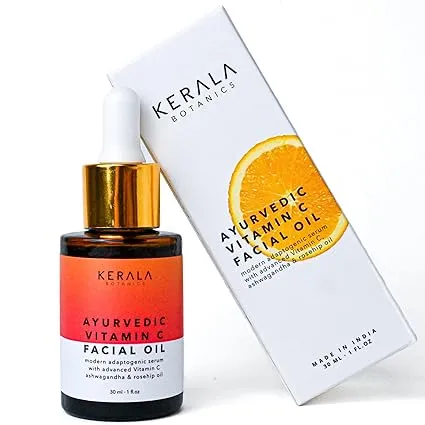
Ayurvedic Vitamin C Face Oil
Kerala Botanics
$49
★★★★☆
The sensory difference extends to packaging and application methods. Japanese products often come with specific application instructions — how many drops, how long to pat, whether to use cotton pads or hands. Korean products tend to be more flexible in application, designed to work with various layering approaches and personal preferences.
The Role of Cleansing
Both J-beauty and K-beauty take cleansing seriously, but their approaches differ significantly. Japanese cleansing focuses on thoroughness without stripping. The typical approach involves a single cleanser used for longer massage time, often oil-based or cream-based, designed to remove makeup and daily buildup while maintaining skin barrier function.
Double cleansing exists in Japanese skincare but isn’t as ritualized as in Korean routines. When Japanese brands recommend double cleansing, it’s usually oil followed by a gentle cream or milk cleanser — both steps focused on nourishment rather than deep cleaning.
Korean cleansing, particularly the famous 10-step routine, treats cleansing as the foundation for everything that follows. The approach is often more aggressive — oil cleanser, water-based cleanser, sometimes followed by exfoliating steps or pH-adjusting toners. The goal is creating a completely clean slate for treatment products.
This philosophical difference affects product formulation. Japanese cleansers tend to be richer, gentler, and more focused on maintaining skin comfort during and after cleansing. Korean cleansers often prioritize deep cleaning and fast rinse-off, assuming that subsequent treatment steps will address any dryness or irritation.
Brand Philosophy and Marketing
The marketing language around J-beauty versus K-beauty reveals their different core values. Japanese brands tend to emphasize heritage, consistency, and long-term results. Marketing copy focuses on decades of research, unchanged formulations that still work, and the idea that good skincare should be boring but reliable.
Korean brands lean into innovation, customization, and visible results. Marketing emphasizes new discoveries, cutting-edge technology, before-and-after photos, and the excitement of finding your perfect routine through experimentation.
This difference affects how products are positioned and priced. Japanese products often stay at consistent price points for years, with value derived from reliability and proven results. Korean products frequently launch at attention-getting price points (very high or very low) and may adjust pricing based on market response and competitive pressure.
The brand loyalty patterns differ too. Japanese consumers often use the same products for decades, switching only when their skin needs genuinely change with age or environment. Korean beauty culture encourages more frequent product rotation, seasonal adjustments, and experimentation with new launches.
Routine Timing and Lifestyle Integration
Japanese skincare routines are designed for sustainability over decades. The typical routine takes 10-15 minutes twice daily and remains consistent regardless of season, skin condition, or new product launches. The philosophy is that skincare should become automatic — muscle memory that doesn’t require daily decision-making.
Korean routines, especially the full 10-step approach, require more active engagement. Steps may change based on skin condition, weather, or specific concerns. The routine itself becomes a form of self-care ritual, requiring 20-30 minutes and conscious attention to what skin needs on any given day.
Neither approach is inherently better, but they suit different lifestyles. The Japanese approach works well for people who want effective results without daily complexity. The Korean approach appeals to those who enjoy the ritual aspect of skincare and don’t mind spending time customizing their routine.
For building sustainable habits, our guide to complete morning skincare routines covers how to structure any routine for long-term consistency.
Anti-Aging Philosophy
The approaches to anti-aging reveal perhaps the starkest difference between J-beauty and K-beauty philosophies. Japanese anti-aging focuses on prevention and maintenance — starting gentle practices early and maintaining them consistently. The goal is avoiding dramatic skin changes rather than reversing them once they appear.
This shows up in ingredient concentrations and product positioning. Japanese retinol products tend to use lower concentrations designed for nightly use without irritation. Vitamin C formulations prioritize stability and gentleness over maximum potency. Exfoliation is typically gentle and infrequent.
Korean anti-aging embraces more aggressive approaches when needed. Higher-concentration actives, multiple treatment steps, and willingness to use stronger ingredients for faster results. The philosophy is that dramatic problems require dramatic solutions, and short-term irritation is acceptable if it leads to better long-term results.
The practical difference affects how you should approach product selection. If you’re in your 20s or 30s with good skin, Japanese-style prevention might be more appropriate. If you’re dealing with existing damage or want faster results, Korean-style intervention could be more effective.
Seasonal Adaptation
Japanese skincare routines change minimally with seasons. Products might get slightly richer in winter or lighter in summer, but the core routine structure remains consistent. The philosophy is that healthy skin should be resilient enough to handle seasonal changes without major routine overhauls.
Korean skincare encourages more dramatic seasonal adjustments. Different essences for humid versus dry months, lighter or heavier moisturizers, additional hydrating or oil-control steps based on weather. Some Korean beauty enthusiasts maintain completely different routines for different seasons.
The seasonal difference extends to sun protection approaches. Japanese sunscreen culture emphasizes daily, year-round protection with minimal variation. Products are designed for consistent daily use regardless of weather or season. Korean sun protection often involves more product variety — different SPF levels for different activities, seasonal formulation changes, additional protective steps during peak UV months.
Price Philosophy and Value
Japanese skincare pricing tends to be stable and reflect long-term value. Products often maintain consistent pricing for years, and the value proposition is based on cost-per-use over extended periods. The most expensive Japanese products (like SK-II) command premium prices based on decades of proven results rather than novelty or limited availability.
Korean skincare pricing is more dynamic and often serves marketing purposes. New launches may debut at very low prices to encourage trial, or at premium prices to signal innovation. Limited editions, collaborations, and seasonal packaging create urgency and justify price variations.
The difference affects how you should evaluate product value. Japanese products often represent better long-term value if you find formulations that work for your skin. Korean products may offer better short-term value for experimentation or addressing specific concerns that change frequently.
When to Choose Each Approach
The choice between J-beauty and K-beauty philosophies depends more on personality and lifestyle than skin type. J-beauty works best for people who value routine consistency, prefer minimal decision-making about skincare, and are focused on long-term skin health over short-term results.
K-beauty appeals to those who enjoy experimenting with products, don’t mind complexity if it means better customization, and want the flexibility to adjust routines based on changing needs or new product discoveries.
You can also combine approaches strategically. Many people find success using Japanese-style consistency for core routine steps (cleanser, basic hydration, sun protection) while incorporating Korean-style experimentation for treatment products or seasonal adjustments.
For those interested in simplifying existing routines without sacrificing effectiveness, our minimalist 3-step skincare routine guide covers how to identify which products actually matter for your skin.
Putting It All Together
The fundamental difference between Japanese and Korean skincare isn’t about products — it’s about philosophy. J-beauty prioritizes prevention, consistency, and long-term thinking. K-beauty emphasizes innovation, customization, and targeted treatment. Neither approach is objectively better, but understanding these differences can help you choose products and routines that actually fit your lifestyle.
If you’re drawn to simplicity and long-term thinking, start with the Japanese lotion-emulsion-cream structure using proven ingredients like hyaluronic acid, ceramides, and gentle vitamin C formulations. Focus on finding products that work and sticking with them.
If you prefer experimentation and customization, explore the Korean approach to layered treatments, seasonal routine adjustments, and new ingredient discoveries. Embrace the process of finding your perfect combination through trial and refinement.
The most successful approach might be borrowing from both philosophies: Japanese-style consistency for your core routine, with Korean-style innovation for targeted treatments and seasonal adjustments. Good skin comes from finding what works for you and doing it consistently — regardless of which beauty philosophy inspired it.