
Ingredients
Fermented Skincare: Why Mixsoon, SK-II, and Sake Kasu Actually Work
The science behind fermented skincare ingredients like galactomyces and saccharomyces. What works, what's hype, and which products deliver results.
Disclosure — This article may contain affiliate links. We earn a small commission at no extra cost to you when you purchase through our links. This supports our ability to create independent, evidence-based skincare content.
The fermented skincare trend isn’t new — it’s been a cornerstone of Japanese and Korean beauty for decades. What’s different now is that Western consumers are finally catching on to ingredients like galactomyces and saccharomyces. The question is whether the science lives up to the hype, or if we’re just paying premium prices for glorified yeast water.
Most fermented skincare claims center on smaller molecular size and better absorption. The theory: fermentation breaks down larger molecules into smaller fragments that penetrate deeper into skin. It sounds compelling, but the reality is more nuanced.
What Actually Happens During Fermentation
Fermentation in skincare isn’t the same process that makes bread rise or wine alcoholic. These are controlled laboratory conditions using specific strains of yeast or bacteria to break down plant extracts, amino acids, or other compounds.
The most studied example is galactomyces ferment filtrate — the star ingredient in SK-II’s Pitera. This is created when the yeast Galactomyces candidum ferments in a nutrient-rich environment, producing a mixture of amino acids, vitamins, minerals, and organic acids.
During fermentation, larger molecular structures do get broken down. Proteins become peptides and amino acids. Complex carbohydrates become simple sugars. This process can theoretically make ingredients more bioavailable, but the evidence for dramatically improved skin penetration is thin.
A 2018 study in the International Journal of Cosmetic Science found that some fermented plant extracts showed better antioxidant activity compared to their non-fermented counterparts. The researchers attributed this to increased phenolic content post-fermentation. However, the study was conducted in test tubes, not on actual skin.
The Galactomyces Research: What We Actually Know
Galactomyces ferment filtrate has the most robust research backing of any fermented skincare ingredient. Studies show it can improve skin hydration, reduce hyperpigmentation, and strengthen the skin barrier.
A 12-week clinical trial published in Clinical, Cosmetic and Investigational Dermatology found that participants using galactomyces ferment filtrate showed significant improvement in skin brightness and texture compared to a placebo group. The mechanism appears to involve increased cell turnover and enhanced ceramide production.
The catch? Most of these studies were funded by companies that manufacture galactomyces-containing products. Independent research is limited.
What we can say with confidence is that galactomyces ferment filtrate functions as a humectant (drawing moisture to the skin) and contains natural alpha hydroxy acids that provide gentle exfoliation. Whether this justifies SK-II’s $185 price tag is debatable.
Facial Treatment Essence
SK-II
$185
★★★★☆
Saccharomyces: The Other Yeast Worth Knowing
Saccharomyces cerevisiae — common baker’s yeast — is another fermentation star. When used to ferment plant extracts, it produces beta-glucan, a polysaccharide with anti-inflammatory properties.
Unlike galactomyces, saccharomyces ferment tends to be gentler and less likely to trigger fungal acne (malassezia folliculitis). This makes it a better choice for sensitive or acne-prone skin.
The research on saccharomyces in skincare is newer and less extensive. A 2020 study found that saccharomyces ferment lysate improved skin barrier function in participants with compromised skin, but the study size was small (32 people) and lasted only four weeks.
For more context on how compromised skin barriers function, check out our guide on damaged skin barrier repair.
The Mixsoon Phenomenon: K-Beauty’s Minimalist Approach
Korean brand Mixsoon has built its entire identity around fermented ingredients. Their products contain fermented versions of popular K-beauty ingredients like centella asiatica, rice bran, and soybean.
The appeal is obvious: take ingredients that already work and potentially make them work better through fermentation. The execution is less clear-cut.

Centella Toning Toner
mixsoon
$16
★★★★☆
Mixsoon’s Centella Toning Toner contains fermented centella asiatica, which theoretically provides enhanced anti-inflammatory benefits. However, there’s minimal research specifically on fermented centella versus regular centella extract. The product works — users report reduced redness and irritation — but whether the fermentation adds meaningful benefit is unclear.
Their Bean Essence combines fermented soybean and barley. Soybean naturally contains isoflavones and peptides that can support skin barrier function. Fermentation may increase the concentration of these compounds, but again, direct comparative studies are lacking.
Bean Essence
mixsoon
$18
★★★★☆
For more on centella’s proven benefits, see our complete guide to centella asiatica.
Sake Kasu: Japan’s Fermented Secret
Sake kasu — the rice lees left over from sake brewing — has been used in Japanese skincare for centuries. It contains amino acids, vitamins, and kojic acid, a natural skin brightener.
The fermentation process concentrates these compounds while creating new ones. Kojic acid, for instance, forms during the fermentation of rice by Aspergillus oryzae. This compound has documented tyrosinase-inhibiting properties, meaning it can help reduce melanin production and lighten dark spots.
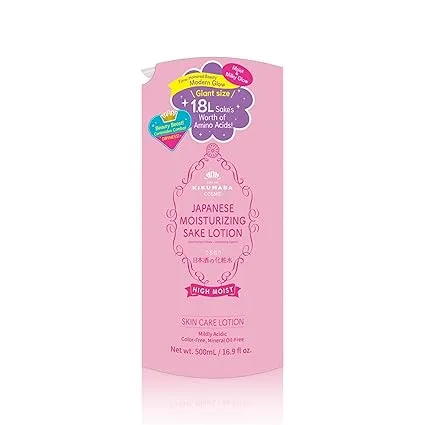
Kiku-Masamune Sake Brewing Skin Care Lotion
Kiku-Masamune
$12
★★★★☆
Kiku-Masamune’s Sake Brewing Skin Care Lotion is the most accessible sake kasu product. It contains sake, water, and arbutin — a stable kojic acid derivative. Users report improved skin texture and reduced hyperpigmentation after consistent use.
The downsides are significant: it contains alcohol and fragrance, making it unsuitable for sensitive skin. It also has a distinctive sake smell that some find off-putting.
Traditional vs Modern Fermentation: The Kerala Botanics Approach
While most fermented skincare products use controlled laboratory fermentation, some brands are exploring traditional methods. Kerala Botanics incorporates Ayurvedic fermentation techniques in their Vitamin C face oil, combining ancient practices with modern actives.
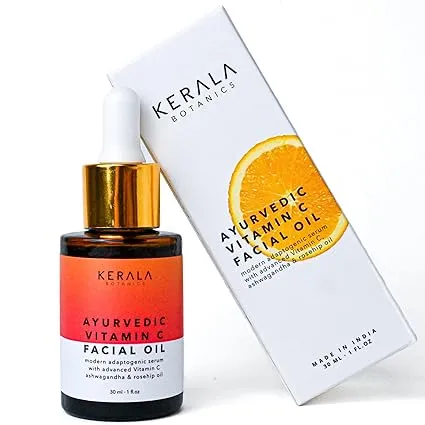
Ayurvedic Vitamin C Face Oil
Kerala Botanics
$49
★★★★☆
This approach uses time-tested fermentation methods to enhance botanical extracts before combining them with stabilized vitamin C and bakuchiol. While it lacks the clinical backing of galactomyces research, it represents an interesting bridge between traditional and modern skincare.
For more on vitamin C in oil versus serum formats, read our comparison of vitamin C serum vs oil.
The Molecular Size Myth
The biggest claim in fermented skincare marketing is that fermentation creates smaller molecules that penetrate deeper into skin. This needs serious scrutiny.
Human skin is designed to keep things out. The stratum corneum — the outermost layer — allows very few molecules through. The “500 Dalton rule” suggests that only molecules smaller than 500 Daltons can penetrate intact skin barrier.
Fermentation can break down larger molecules, but many fermented skincare ingredients still exceed this threshold. Galactomyces ferment filtrate contains peptides and proteins that range from 1,000 to 10,000 Daltons. These aren’t penetrating deep into your skin — they’re working on the surface.
This doesn’t make them useless. Surface hydration and barrier support are valuable. But the idea that fermented ingredients are dramatically more bioavailable than their non-fermented counterparts is largely marketing fiction.
Who Should Use Fermented Skincare
Fermented skincare works best for people with dry, dull, or aging skin who want gentle hydration and mild exfoliation without harsh acids. The natural AHAs in galactomyces ferment provide surface renewal without the irritation of glycolic or lactic acid.
People with fungal acne should be cautious. Fermented ingredients can feed malassezia yeast, potentially worsening the condition. Galactomyces ferment filtrate is particularly problematic for fungal acne-prone skin.
For more on fungal acne identification and treatment, check our comprehensive fungal acne guide.
Sensitive skin types often respond well to fermented ingredients because they tend to be less irritating than synthetic alternatives. The fermentation process can neutralize potentially irritating compounds while concentrating beneficial ones.
How to Incorporate Fermented Skincare
Fermented essences and toners typically go on after cleansing but before serums. Think of them as a hydrating prep step rather than a treatment.
Start with one fermented product to assess tolerance. Despite being “natural,” these ingredients can still cause reactions, especially in people with yeast sensitivities.
Layer with other actives carefully. Fermented products containing natural AHAs can increase photosensitivity, so consistent sunscreen use is non-negotiable.
For guidance on proper layering, see our guide on how to layer skincare in the correct order.
The Verdict: Science vs Marketing
Fermented skincare isn’t snake oil, but it’s not revolutionary either. The research on galactomyces is solid but limited. Studies on other fermented ingredients are sparse.
The benefits are real but modest: improved hydration, gentle exfoliation, and some barrier support. Whether these justify premium pricing depends on your budget and skin concerns.
If you’re curious about fermented skincare, start with an affordable option like Mixsoon or Kiku-Masamune. Save the SK-II splurge until you know fermented ingredients work for your skin.
The fermentation process does create some unique compounds not found in non-fermented versions. Whether these translate to visibly better skin results remains an open question. For most people, well-formulated products with proven actives like niacinamide or retinol will deliver more dramatic results.
Fermented skincare occupies an interesting middle ground between traditional beauty wisdom and modern cosmetic chemistry. It works, but it’s not magic. Set realistic expectations and you’ll likely be satisfied with the gentle, gradual improvements these products provide.