
Ingredients
Rosehip Oil: The 'Natural Retinol' Base Oil, Evidence-Checked
Rosehip oil is called a natural retinol — but does the science hold up? We break down trans-retinoic acid, linoleic acid, and the real regeneration evidence.
Disclosure — This article may contain affiliate links. We earn a small commission at no extra cost to you when you purchase through our links. This supports our ability to create independent, evidence-based skincare content.
Rosehip oil gets called “natural retinol” so often that it’s basically marketing shorthand at this point. The claim sounds good on a product page. It’s also, depending on how you read it, either slightly true or significantly misleading.
The short version: rosehip oil does contain trace amounts of trans-retinoic acid — the active form of vitamin A that tretinoin is made from. But “trace amounts” is doing a lot of work in that sentence. The concentrations are nowhere near what a prescription retinoid delivers, and the research behind rosehip’s regenerative reputation is a mix of genuinely promising data and wishful extrapolation.
That doesn’t make rosehip oil useless. It makes it an interesting ingredient worth understanding on its own terms rather than as a knockoff retinoid. Here’s what the evidence actually says.
What Rosehip Oil Actually Contains
Rosehip oil is pressed from the seeds of Rosa canina (and related species). The composition varies by plant, harvest region, and extraction method, but the core profile is fairly consistent.
The Fatty Acid Story
About 77–80% of rosehip seed oil is polyunsaturated fatty acids. Linoleic acid (omega-6) makes up roughly 44–50% of that. Alpha-linolenic acid (omega-3) accounts for another 30–35%. Oleic acid fills in the rest.
This matters because linoleic acid deficiency has a real, documented connection to skin barrier dysfunction. Research published in the Journal of Lipid Research demonstrated that linoleic acid is a structural component of ceramides — specifically acylceramides — that hold the outer layers of the stratum corneum together. Skin low in linoleic acid tends to be rougher, more permeable, and more prone to inflammation.
Topical linoleic acid can help correct this. A 1998 study by Pappas et al. showed that applying linoleic acid to acne-prone skin reduced microcomedone size — which makes sense, because sebum in acne-prone individuals tends to be linoleic-acid-depleted. Rosehip oil, being high in linoleic acid, is reasonably well-suited for barrier support and potentially for oily, congestion-prone skin. (If the idea of putting oil on oily skin still sounds counterintuitive, we covered that question in our guide to face oil for oily and acne-prone skin.)
The Retinol Angle
Here’s where it gets more complicated. Several studies have detected trans-retinoic acid in rosehip seed oil — most notably a 1994 paper by Winther and colleagues, and subsequent analyses confirming its presence. The concentrations reported range from roughly 0.01 to 0.4 mg per 100g of oil.
For context: a standard 0.05% tretinoin cream contains 500mg of retinoic acid per 100g. Even at the high end, rosehip oil contains roughly 1,000 times less retinoic acid than a low-strength tretinoin formulation.
So technically, yes — rosehip oil is a source of trans-retinoic acid. Technically. Calling it “natural retinol” collapses that distinction into nothing. If you’re relying on rosehip oil to do what tretinoin does, you’ll be waiting a long time.
Vitamin C and Antioxidants
The seeds contain vitamin C, but cold-pressed seed oil retains very little of it — vitamin C is water-soluble and doesn’t transfer well into an oil fraction. The vitamin C reputation mostly belongs to rosehip fruit pulp, not the seed oil sold for skin use. Something to know before assuming your rosehip oil is delivering meaningful ascorbic acid.
The oil does contain tocopherols (vitamin E) and beta-carotene, which function as antioxidants and help the oil resist oxidation during storage. These contribute to its shelf stability relative to some other polyunsaturated-heavy oils.
What the Research Says About Rosehip’s Skin Benefits
Setting the retinol comparison aside, rosehip oil has been studied in its own right. The evidence is thin but not absent.
A 2015 randomized controlled trial published in Skin Pharmacology and Physiology followed 34 participants using rosehip powder supplementation and topical rosehip over eight weeks. The topical group showed improvements in skin moisture, elasticity, and a reduction in crow’s feet depth. The study was small and funded by a rosehip supplier, which warrants some skepticism, but the methodology was reasonably sound.
A separate study examined rosehip oil on surgical scars and found measurable improvements in redness and discoloration over 12 weeks compared to controls. The proposed mechanisms included linoleic acid-driven ceramide synthesis, antioxidant protection from tocopherols, and — yes — the trace retinoic acid content. Whether any single one of those is doing the heavy lifting, the study couldn’t say.
The honest assessment: rosehip is a genuinely functional skin oil. The barrier-supporting case is the most mechanistically solid. The anti-aging and brightening claims are plausible but undersupported. It’s not going to replace a retinoid. Compared to a plain squalane or a basic jojoba, it’s bringing more to the table — but the marketing typically outruns what the data can confirm.
For a broader look at what facial oils can and can’t do, our how to use facial oils guide is a good companion read.
How Rosehip Oil Sits in a Routine
Rosehip oil is a dry-feeling oil despite being high in polyunsaturated fats — it absorbs faster than oleic-heavy oils like argan or marula. That makes it easier to layer and less likely to feel greasy under makeup.
Layering Order
Apply it after water-based serums and before any occlusive moisturizer, or use it as your final step in place of a moisturizer if your skin doesn’t need much occlusion. In a complete evening skincare routine, it fits naturally as a sealing layer after actives have absorbed.
One thing to know: rosehip is high in polyunsaturated fatty acids, which means it oxidizes faster than more saturated oils. Once open, use it within six months. Keep it away from direct sunlight and heat. The difference between fresh rosehip oil and six-month-old rosehip oil is real, and oxidized oil is not doing your skin any favors.
Who It Works Well For
Dry skin looking for barrier repair without heavy occlusion. Skin with post-inflammatory hyperpigmentation — the linoleic acid and trace retinoids may collectively help with fading, though vitamin C or niacinamide are more reliably effective for that goal. Skin that reacts to retinoids and wants a gentler alternative, with realistic expectations about the difference in potency.
People with very oily or acne-prone skin should proceed with some caution. Rosehip is noncomedogenic by most measures, but its high linoleic acid content can theoretically feed Malassezia on susceptible skin. If you know you react to certain oils, patch test first.
Can You Use It With Retinoids?
Yes, and it may actually help. Applying rosehip oil alongside or after a retinoid (like tretinoin or adapalene) can support the barrier and reduce peeling without meaningfully buffering the retinoid’s efficacy — as long as you’re not mixing them in the palm of your hand and diluting the concentration significantly. For context on navigating retinoid-adjacent routines, see our tretinoin for beginners guide.
Choosing a Rosehip Oil
Cold-pressed, unrefined oil is the standard recommendation, and it’s reasonable advice. Heat processing degrades some of the more volatile fatty acids and antioxidants. That said, the marketing around “cold-pressed” is largely unregulated, so it’s not a guarantee of quality — look for oils that are genuinely amber or golden in color (not water-clear), with a light, earthy scent.
Organic certification doesn’t meaningfully change the fatty acid profile, but it does reduce pesticide residue in the final product — worth considering if that matters to you.
Trilogy Certified Organic Rosehip Oil is the most-studied rosehip product and one of the few used in peer-reviewed clinical trials. It’s pressed from Rosa canina seeds grown in Chile and has a solid track record for consistency.
Trilogy Certified Organic Rosehip Oil
Trilogy
$30
★★★★½
The Ordinary 100% Organic Cold-Pressed Rose Hip Seed Oil is essentially the same ingredient category at a fraction of the price. It’s a solid option if you’re using rosehip oil as a routine staple and don’t want to spend $30 on something you’ll go through in two months.
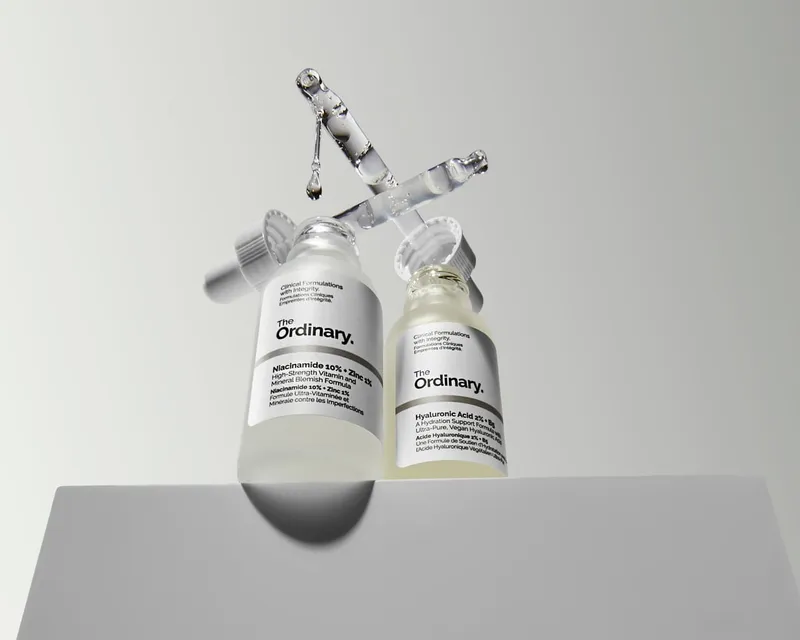
The Ordinary 100% Organic Cold-Pressed Rose Hip Seed Oil
The Ordinary
$11
★★★★☆
If you’re drawn to rosehip as a base for a more complex oil formula, the Kerala Botanics Ayurvedic Vitamin C Face Oil is worth looking at. It uses rosehip as part of an Ayurvedic-formulated blend that also delivers an advanced, stabilized form of vitamin C — one that stays in skin cells significantly longer than standard L-ascorbic acid serums — alongside bakuchiol, a plant-derived compound with documented retinol-like activity. (Bakuchiol and how it compares to actual retinol is covered in depth here.) The oil format makes it a practical all-in-one for people who want to consolidate their routine. It’s not a substitute for clinical-strength vitamin C or a retinoid, but as a multipurpose evening oil, it covers more ground than a plain rosehip formula.
The honest cons: the oil texture won’t work for everyone — if you run oily or dislike the feel of face oils under makeup, this format will frustrate you. And the clinical evidence for the Kerala Botanics formulation specifically is thinner than what exists for standalone L-ascorbic acid serums. You’re trading some evidence certainty for format convenience and multi-ingredient coverage.
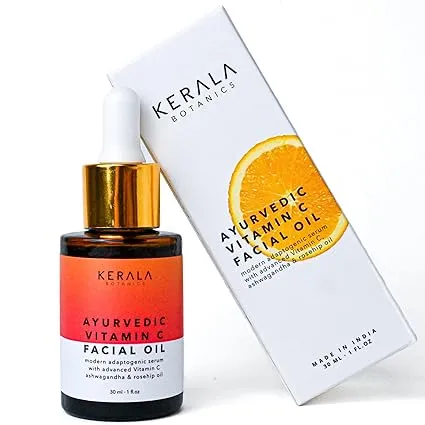
Ayurvedic Vitamin C Face Oil
Kerala Botanics
$49
★★★★☆
Putting It All Together
Rosehip oil is a useful ingredient with a reputation problem — not because it’s bad, but because the “natural retinol” label sets expectations it can’t meet.
What it actually does well: delivers linoleic acid to support the skin barrier, provides antioxidant protection, and absorbs cleanly without leaving a heavy residue. The trace retinoic acid is real but functionally negligible compared to a prescription retinoid. The brightening and scar-fading claims have some supporting data, though the evidence base is small.
Use it if you want a barrier-supportive oil with a light texture, especially if your skin is dry, sensitive to heavier actives, or you’re working through post-inflammatory marks. Don’t use it expecting tretinoin results. And whatever bottle you buy, use it up within six months — oxidized polyunsaturated oils are not doing you any favors.
For a broader look at how oils fit into an anti-aging routine, and where rosehip sits relative to more clinically studied actives, our antioxidant skincare guide is a reasonable next stop.