
Ingredients
Oil-Soluble vs Water-Soluble Vitamin C: ATIP vs L-Ascorbic Acid
ATIP vs L-ascorbic acid: which vitamin C form is better? We break down oil-soluble vs water-soluble formulas for stability and skin penetration.
Disclosure — This article may contain affiliate links. We earn a small commission at no extra cost to you when you purchase through our links. This supports our ability to create independent, evidence-based skincare content.
Most vitamin C products fail at the most basic level: they go bad before we finish using them. That orange tint creeping into your serum? It’s not working anymore. The sticky texture that wasn’t there when you opened it? Same problem.
The issue isn’t with vitamin C itself — it’s with L-ascorbic acid, the water-soluble form that dominates the market. There’s another option that sidesteps these stability issues entirely: oil-soluble vitamin C derivatives like Ascorbyl Tetraisopalmitate (ATIP). Understanding the difference changes how you shop for vitamin C products.
What Makes L-Ascorbic Acid So Unstable
L-ascorbic acid is vitamin C in its pure form. It’s also the most researched version, with decades of studies proving it works. The problem is chemistry.
When L-ascorbic acid meets water, light, or air, it oxidizes. That’s the scientific term for “breaks down into something useless.” Most vitamin C serums are water-based, which means they’re fighting a losing battle from the moment they’re manufactured.
The telltale signs are easy to spot. Fresh L-ascorbic acid serums are clear or very pale yellow. As they degrade, they turn darker — amber, orange, eventually brown. The texture often changes too, becoming stickier or grittier.
This happens faster than most people realize. A properly formulated L-ascorbic acid serum might stay stable for 6-12 months unopened, stored in cool, dark conditions. Once you open it and start exposing it to air daily, that timeline shrinks to 2-3 months.
Even the best formulations can’t completely solve this. Skinceuticals CE Ferulic, the gold standard L-ascorbic acid serum, uses a specific pH and combines vitamin C with vitamin E and ferulic acid for stability. It’s still going to oxidize eventually.
C E Ferulic
Skinceuticals
$182
★★★★½
The pH Problem
L-ascorbic acid needs to be formulated at a low pH — usually around 3.5 — to remain stable and penetrate skin effectively. That acidity is why some people experience stinging, redness, or irritation when they first start using vitamin C serums.
The low pH also limits what you can layer with it. If you follow your vitamin C serum with something alkaline, you’re potentially neutralizing the vitamin C and making it less effective. This is why vitamin C serums typically go on clean skin first thing in the morning.
For people with sensitive skin, the pH issue can be a dealbreaker. The irritation isn’t necessarily something you “get used to” — it’s a chemical reaction to the acidity.
Oil-Soluble Vitamin C: A Different Approach
Oil-soluble vitamin C derivatives like Ascorbyl Tetraisopalmitate (ATIP) work differently. Instead of dissolving in water, they dissolve in oil. This single change solves several problems at once.
First, stability. ATIP doesn’t oxidize the way L-ascorbic acid does. Products containing ATIP can maintain their potency for years, not months. You won’t see that telltale color change because the chemical structure is inherently more stable.
Second, pH flexibility. ATIP doesn’t require the acidic environment that L-ascorbic acid needs. Products can be formulated at skin-friendly pH levels, which means less irritation and more compatibility with other ingredients.
Third, penetration. The oil-soluble structure allows ATIP to move through the skin’s lipid barriers more easily. Some research suggests it can penetrate deeper into the skin and stay active longer than water-soluble forms.
How ATIP Works in Your Skin
Once ATIP penetrates the skin, enzymes convert it into L-ascorbic acid. Think of it as a delivery system — the oil-soluble form gets vitamin C where it needs to go, then releases the active ingredient.
This conversion process means ATIP can potentially provide vitamin C benefits over a longer period. Instead of delivering all the active ingredient at once (like a traditional serum), it releases vitamin C gradually as the skin’s enzymes break it down.
The trade-off is potency. ATIP is generally considered less potent than L-ascorbic acid in terms of immediate vitamin C delivery. But the enhanced stability and penetration may compensate for the lower initial concentration.
Texture and Application Differences
L-ascorbic acid serums are typically lightweight and watery. They absorb quickly and layer well under sunscreen and makeup. The downside is that some formulations can feel sticky or leave a residue, especially as they start to oxidize.
ATIP products are usually oil-based or cream-based. They feel richer and take longer to absorb. This can be a benefit for people with dry skin who want vitamin C benefits plus moisturizing properties in one step.
The texture difference also affects when and how you use them. Traditional vitamin C serums work best on clean skin, before other products. Oil-based vitamin C products can work as a moisturizer replacement or as a treatment oil applied after lighter products but before heavier creams.
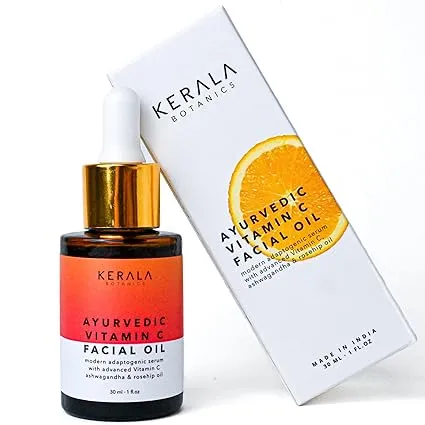
Ayurvedic Vitamin C Face Oil
Kerala Botanics
$49
★★★★☆
The Research Gap
L-ascorbic acid has decades of research backing its effectiveness for collagen production, antioxidant protection, and hyperpigmentation improvement. ATIP has promising studies, but fewer of them.
Most dermatologists still recommend L-ascorbic acid as the first-line vitamin C treatment because the evidence base is stronger. However, the research on ATIP is growing, and early results suggest it can deliver similar benefits with better tolerability.
For people who can’t tolerate L-ascorbic acid or who struggle with product stability, ATIP provides a scientifically sound alternative. It’s not necessarily better than L-ascorbic acid, but it solves different problems.
Cost and Accessibility
L-ascorbic acid serums range from very affordable to premium-priced. The Ordinary’s Vitamin C Suspension costs under $8, while Skinceuticals CE Ferulic costs over $180. The wide range reflects different formulation approaches, concentrations, and supporting ingredients.
Vitamin C Suspension 23% + HA Spheres 2%
The Ordinary
$7.90
★★★½☆
Oil-soluble vitamin C products typically fall into the mid-to-premium price range. The raw materials are more expensive, and the formulations are often more complex. However, the longer shelf life means you get more use out of each bottle.
Which Form Should You Choose?
Your skin type and routine preferences matter more than the theoretical superiority of either form.
Choose L-ascorbic acid if:
- You want the most researched form of vitamin C
- Your skin tolerates acidic products well
- You prefer lightweight, fast-absorbing textures
- You’re willing to replace products every few months
- You want the widest selection of products and price points
Choose oil-soluble vitamin C (ATIP) if:
- You have sensitive skin that reacts to acidic formulations
- You want a product that stays stable for years
- You prefer rich, nourishing textures
- You want to simplify your routine with a multi-purpose product
- You’ve had bad experiences with traditional vitamin C serums
Layering and Routine Integration
L-ascorbic acid serums typically go first in your morning routine, on clean skin. Wait a few minutes for absorption, then continue with niacinamide (despite old myths about incompatibility), hyaluronic acid, moisturizer, and sunscreen.
Oil-based vitamin C products are more flexible. They can replace your morning moisturizer, go over a lightweight serum, or even work as an evening treatment. The lack of pH restrictions means they play well with other ingredients.
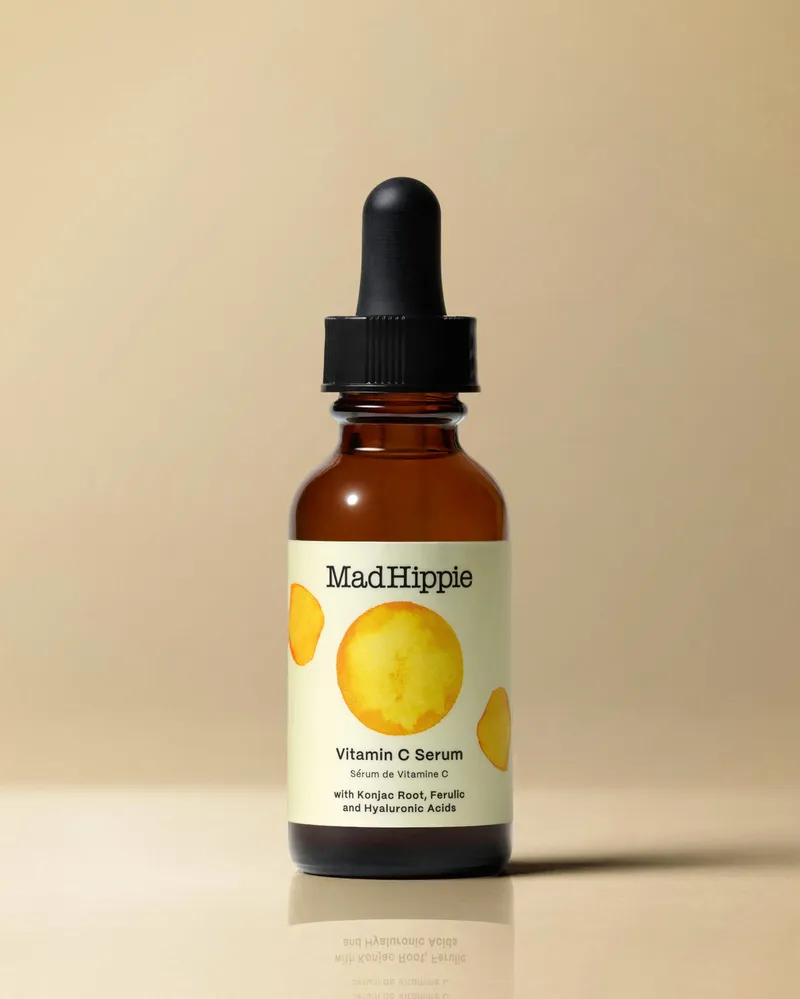
20% Vitamin C + E Ferulic Acid Serum
Mad Hippie
$33.99
★★★★☆
Storage and Shelf Life
L-ascorbic acid serums need careful storage. Keep them in a cool, dark place — some people store them in the refrigerator. Check for color changes regularly and replace when the product starts turning orange.
ATIP products are more forgiving. Room temperature storage is fine, and you don’t need to worry about light exposure as much. The longer shelf life makes them more cost-effective despite higher upfront costs.
The Future of Vitamin C
The skincare industry is moving toward more stable vitamin C derivatives. Besides ATIP, options like magnesium ascorbyl phosphate, sodium ascorbyl phosphate, and ascorbyl glucoside offer different benefits and trade-offs.
Antioxidant research continues to evolve, with new delivery systems and combination formulas appearing regularly. The goal is always the same: get vitamin C’s proven benefits to your skin in the most effective, tolerable way possible.
Putting It All Together
Neither oil-soluble nor water-soluble vitamin C is inherently superior. They solve different problems and suit different skin types and preferences.
L-ascorbic acid remains the gold standard for proven effectiveness, but it demands tolerance for acidity and attention to storage and replacement schedules. ATIP offers stability and gentleness at the cost of less extensive research.
The best vitamin C is the one you’ll actually use consistently. If traditional serums irritate your skin or keep going bad before you finish them, oil-soluble alternatives are worth trying. If you love your current L-ascorbic acid routine and your skin tolerates it well, there’s no need to switch.
What matters most is getting consistent antioxidant protection and vitamin C benefits, regardless of which chemical form delivers them. Both approaches work — choose based on your skin’s needs and your lifestyle, not on theoretical superiority.