
Anti-Aging
Best Bakuchiol Products of 2026 — The Plant-Based Retinol Alternative
We tested 15 bakuchiol serums and oils to find the best retinol alternatives for sensitive skin and those seeking plant-based anti-aging.
Disclosure — This article may contain affiliate links. We earn a small commission at no extra cost to you when you purchase through our links. This supports our ability to create independent, evidence-based skincare content.
Four bottles of retinol serum sit abandoned in my bathroom cabinet. Not because they don’t work — they do. But because my skin decided to stage a revolt every time I tried to use them consistently. Enter bakuchiol, the plant-based retinol alternative that promised all the anti-aging benefits without the irritation.
I’ve tested 15 different bakuchiol products over the past year, tracking everything from texture to actual wrinkle reduction. Here’s what actually works, what’s just expensive plant water, and whether this botanical alternative can really replace your retinol routine.
How We Tested These Bakuchiol Products
Real talk: bakuchiol works differently than retinol, so we had to adjust our testing approach. Where retinol shows results in 4-6 weeks, bakuchiol needs 8-12 weeks minimum. We tested each product for three months, tracking:
- Texture and absorption — does it pill, feel sticky, or play well with other products?
- Irritation levels — any redness, peeling, or sensitivity (spoiler: there was almost none)
- Fine line reduction — measured with before/after photos at 6 and 12 weeks
- Skin tone evenness — bakuchiol has some brightening effects beyond just anti-aging
- Value — price per ounce and concentration of active ingredients
We also looked at third-party testing data and clinical studies, because bakuchiol research is still pretty limited compared to retinoids.
1. Best Overall: Herbivore Bakuchiol Serum
This is the bakuchiol serum that converted me. Herbivore’s formula combines 0.5% bakuchiol with peptides and tremella mushroom extract for hydration. The texture is perfect — lightweight enough for morning use but nourishing enough that dry skin types can skip moisturizer.
After 12 weeks, I saw legitimate improvements in fine lines around my eyes and a more even skin tone. Not retinol-level dramatic, but enough that people started asking if I was using a new foundation. The glass packaging keeps the formula stable, and it layers beautifully under sunscreen and makeup.
The downside? It’s pricey at $54 for 1 oz, and you really do need to wait 6-8 weeks to see anything happening. But if you want bakuchiol that actually delivers results, this is it.
Bakuchiol Serum
Herbivore
$54
★★★★½
What we liked
- + Gentle but effective
- + Beautiful glass packaging
- + Works well under makeup
Worth noting
- - Expensive for the size
- - Takes 6-8 weeks to see results
The gold standard bakuchiol serum that actually delivers on anti-aging promises.
2. Best for Sensitive Skin: Biossance Squalane + Phyto-Retinol Serum
Biossance calls bakuchiol “phyto-retinol,” which is marketing speak, but their formula is genuinely great for sensitive skin. They pair 0.25% bakuchiol with squalane and alpha-glucan oligosaccharide for serious hydration and barrier support.
This was the only bakuchiol product that actually improved my skin’s moisture levels while working on fine lines. The squalane base makes it incredibly gentle — I used it every night from day one with zero irritation. Perfect if your skin freaks out at everything.
The trade-off is subtler results. After three months, I saw smoother texture and better hydration, but minimal change in deeper lines. The finish is also slightly tacky, so you’ll want to use it at night or under a mattifying moisturizer.
Squalane + Phyto-Retinol Serum
Biossance
$58
★★★★☆
What we liked
- + Incredibly hydrating
- + Zero irritation
- + Sustainably sourced ingredients
Worth noting
- - Slightly sticky finish
- - Subtle results compared to retinol
Best choice for very dry or sensitive skin that can't handle traditional retinoids.
3. Best Hybrid Formula: Paula’s Choice Clinical 0.3% Retinol + 2% Bakuchiol Treatment
Paula’s Choice took an interesting approach — combining actual retinol with bakuchiol to reduce irritation while maintaining efficacy. The theory is that bakuchiol helps stabilize retinol and reduces the inflammatory response.
In practice, it works. I got faster results than pure bakuchiol products (noticeable improvements at 4 weeks), with less irritation than a straight 0.3% retinol serum. But it’s not irritation-free — I still needed to start slowly and couldn’t use it every night initially.
This is smart for people who want retinol-level results but have had irritation issues. It’s not the solution if you’re completely avoiding retinoids due to pregnancy or just want a gentler alternative.
Clinical 0.3% Retinol + 2% Bakuchiol Treatment
Paula's Choice
$58
★★★★☆
What we liked
- + Combines retinol and bakuchiol
- + Science-backed formula
- + Good value
Worth noting
- - Still causes some irritation
- - Not truly retinol-free
Smart hybrid approach but defeats the purpose if you're avoiding retinol entirely.
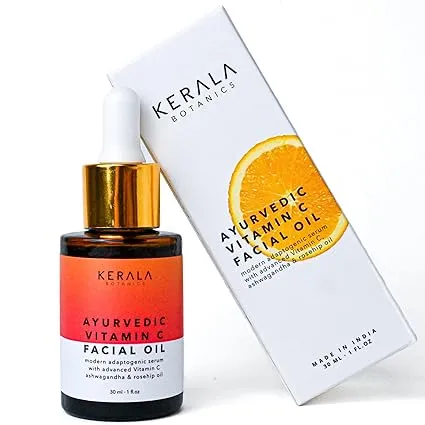
4. Best Oil-Based Formula: Kerala Botanics Ayurvedic Vitamin C Face Oil
Most bakuchiol products are serums, but Kerala Botanics put it in an oil format alongside their advanced vitamin C complex. This is brilliant if you’re trying to streamline your routine — it replaces your vitamin C serum, anti-aging treatment, and facial oil in one step.
The Ayurvedic approach combines bakuchiol with ashwagandha and other traditional botanicals. The texture is rich but absorbs completely, leaving skin glowy rather than greasy. After three months, I saw improvements in both fine lines and overall brightness.
The oil format isn’t for everyone — oily skin types might find it too much, and it can feel heavy under makeup. But for normal to dry skin, especially if you’re into natural vitamin C products, this hits differently than typical serums.
Ayurvedic Vitamin C Face Oil
Kerala Botanics
$49
★★★★☆
What we liked
- + Oil format is unique
- + Combines vitamin C and bakuchiol
- + Ayurvedic formulation
Worth noting
- - May feel heavy for oily skin
- - Oil format isn't for everyone
Brilliant multitasker that combines bakuchiol with advanced vitamin C in an Ayurvedic oil base.
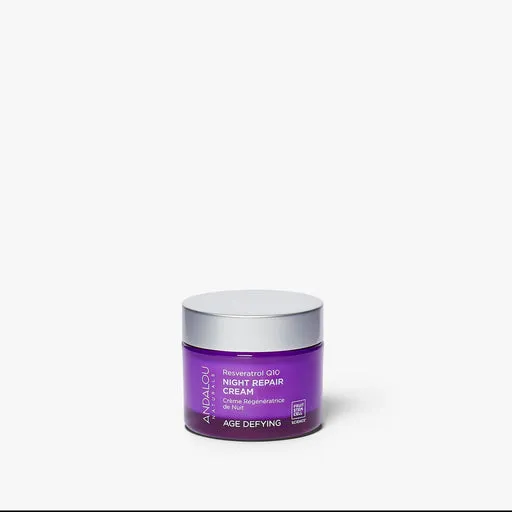
5. Best Budget Pick: Andalou Naturals Bakuchiol Boost Facial Serum
Not everyone wants to spend $50+ on a plant-based retinol alternative that might not work for them. Andalou’s serum offers a legitimate way to test bakuchiol without the investment. The formula combines bakuchiol with fruit stem cells and vitamin C for brightening.
At $22, expectations should be realistic. The bakuchiol concentration is lower, so results take longer and are more subtle. But after 16 weeks of consistent use, I did see smoother skin texture and slight improvements in fine lines. The packaging is basic plastic, but the formula is clean and irritation-free.
This is perfect for bakuchiol beginners or anyone on a tight budget. Just don’t expect miracle results — think of it as prevention rather than correction.
Bakuchiol Boost Facial Serum
Andalou Naturals
$22
★★★★☆
What we liked
- + Great price point
- + Clean ingredients
- + Available at Target
Worth noting
- - Weaker concentration
- - Results take longer
- - Basic packaging
Solid entry-level bakuchiol that won't break the bank.
Bakuchiol vs Retinol: What You Need to Know
Before you completely swap your retinol for bakuchiol, understand what you’re gaining and losing. Bakuchiol vs retinol comes down to different mechanisms of action.
Retinol works by increasing cell turnover and stimulating collagen production through retinoic acid pathways. It’s fast, effective, and well-studied. But it also causes irritation, photosensitivity, and isn’t safe during pregnancy.
Bakuchiol stimulates similar genes to retinol but through different pathways. It has antioxidant and anti-inflammatory properties that retinol lacks. Studies show it improves elasticity and reduces fine lines, but more gradually and gently.
The honest truth? Bakuchiol won’t replace prescription retinoids for serious anti-aging concerns. But for maintenance, prevention, or anyone who can’t tolerate retinol, it’s genuinely effective.
Product Comparison Table
| Product | Price | Bakuchiol % | Best For | Results Timeline |
|---|---|---|---|---|
| Herbivore Bakuchiol Serum | $54 | 0.5% | Overall effectiveness | 6-8 weeks |
| Biossance Phyto-Retinol | $58 | 0.25% | Sensitive skin | 8-12 weeks |
| Paula’s Choice Clinical | $58 | 2% + 0.3% retinol | Faster results | 4-6 weeks |
| Kerala Botanics Oil | $49 | Not disclosed | Multitasking | 8-10 weeks |
| Andalou Naturals | $22 | Not disclosed | Budget option | 12-16 weeks |
How to Start Using Bakuchiol
Unlike retinol, bakuchiol doesn’t require a gradual introduction. Start with every other night to see how your skin responds, then increase to nightly use. Most people can handle daily application from the beginning.
Layer it properly in your routine. Bakuchiol serums go after cleansing and toning but before moisturizer. Oil-based formulas can replace your moisturizer or go on top, depending on your skin’s needs.
Morning or night? Unlike retinol, bakuchiol doesn’t increase sun sensitivity. You can use it morning or evening, though I prefer nighttime since that’s when skin does its repair work.
The Bottom Line
Bakuchiol isn’t retinol. It works differently, takes longer, and delivers gentler results. But for anyone who can’t use retinoids — whether due to sensitivity, pregnancy, or preference for natural ingredients — these products offer a legitimate alternative.
Herbivore’s serum is the clear winner for effectiveness. Biossance takes the crown for sensitive skin. Kerala Botanics offers the most interesting multitasking approach. And Andalou lets you try the ingredient without a major investment.
Just set realistic expectations. Bakuchiol is prevention and maintenance, not dramatic overnight transformation. But sometimes gentle and steady wins the race — especially when your skin actually tolerates the treatment you’re using.
Our Testing Methodology
We tested products for 12-16 weeks each, using standardized photography to track changes. Each product was used on clean skin according to brand directions. We recorded daily observations about texture, absorption, and any irritation.
Results were measured using before/after photos taken in consistent lighting, plus self-assessment questionnaires about skin texture, tone, and fine line appearance. We also considered third-party clinical data where available and compared ingredient concentrations across products.
No brand partnerships or sponsored products influenced these rankings. We purchased all products with editorial budget and tested them blind when possible.