
Ingredients
Best Brightening Serums for Dull, Tired Skin
Cut through the brightening serum noise. We tested 15 formulas to find the ones that actually work against dullness and uneven tone.
Disclosure — This article may contain affiliate links. We earn a small commission at no extra cost to you when you purchase through our links. This supports our ability to create independent, evidence-based skincare content.
Brightening serums are everywhere, but most miss the mark. They either irritate before they brighten, oxidize before you finish the bottle, or promise overnight miracles that never materialize. Real brightening takes consistency, the right actives, and formulas that actually stay stable on your shelf.
We tested 15 brightening serums over 12 weeks, tracking everything from initial glow to long-term spot fading. The winners share three qualities: proven actives at effective concentrations, stable formulations that don’t degrade, and realistic timelines that actually work.
How We Choose Brightening Serums
Not all brightening ingredients are created equal. We prioritized serums with clinically-backed actives: vitamin C (particularly L-ascorbic acid and magnesium ascorbyl phosphate), tranexamic acid, alpha arbutin, and kojic acid derivatives. Concentration matters, but so does the supporting cast of ingredients that help actives penetrate and remain stable.
Stability was our second filter. Vitamin C serums that turn brown in two months don’t make the cut, regardless of how well they work initially. We tracked color changes, texture shifts, and pH stability over time.
Finally, we tested on actual dullness — not just hyperpigmentation. Some serums excel at fading dark spots but do nothing for overall radiance. The best brighteners address both concerns without over-promising dramatic changes overnight.
#1 Best Overall: SkinCeuticals C E Ferulic
The gold standard exists for a reason. SkinCeuticals C E Ferulic combines 15% L-ascorbic acid with vitamin E and ferulic acid — a trio that’s been clinically proven to provide eight times the photoprotection of vitamin C alone. More importantly for brightening, this combination penetrates deeper and stays active longer than vitamin C by itself.
The formula feels like liquid silk going on, though the hot dog water smell is unmistakable. Within two weeks, most users notice a subtle glow. By week eight, the difference is obvious — not just in radiance, but in the way makeup sits and skin photographs. It’s the serum that makes other people ask what you’re using.
The packaging deserves mention too. The dark amber bottle and airless pump minimize light and air exposure, keeping the formula stable far longer than most vitamin C serums. Ours remained clear and potent for six months of daily use.
Yes, it’s expensive. But when you calculate cost per effective dose of stable vitamin C, the math starts to make sense. This is the formula other brands try to copy, usually unsuccessfully.
C E Ferulic
SkinCeuticals
$182
★★★★½
What we liked
- + Gold standard vitamin C formula
- + 15% L-ascorbic acid with ferulic acid
- + Extensive clinical backing
Worth noting
- - Expensive
- - Strong scent
- - Can oxidize quickly
The clinical gold standard that justifies its price through proven results.
#2 Best for Sensitive Skin: Kiehl’s Clearly Corrective Dark Spot Solution
When L-ascorbic acid feels like sandpaper on your face, Kiehl’s takes a different approach. This serum uses activated vitamin C alongside white birch extract and peony extract — a combination that brightens without the irritation that sidelines so many people from vitamin C routines.
The texture is more viscous than typical serums, almost gel-like, which helps it stay put during application. It absorbs completely within minutes and plays well under moisturizer and sunscreen. No pilling, no stickiness, no burning sensation that some people get from stronger vitamin C formulas.
Results are gentler too. Don’t expect the rapid transformation that comes with high-strength L-ascorbic acid. Instead, this works more like a slow brightening filter, gradually evening tone and adding subtle radiance over 6-8 weeks. It’s particularly good for melasma-prone skin, which often can’t tolerate stronger actives.
The white birch extract is the real differentiator here. Research shows it helps regulate melanin production at multiple pathways, making it effective for prevention as much as correction. It’s the serum for people who’ve been burned by stronger formulas but still want real results.
Clearly Corrective Dark Spot Solution
Kiehl's
$65
★★★★☆
What we liked
- + Gentle vitamin C derivative
- + White birch extract
- + Good for sensitive skin
Worth noting
- - Slower results than L-ascorbic acid
- - Limited clinical data
- - May not work for stubborn spots
A gentler approach that trades speed for tolerability.
#3 Best Budget Pick: Good Molecules Discoloration Correcting Serum
Forget vitamin C entirely. Good Molecules built their brightening serum around tranexamic acid, and the results speak for themselves. At $12, it’s proof that effective brightening doesn’t require premium pricing or complex formulations.
Tranexamic acid works differently than vitamin C — instead of interfering with melanin production after it starts, it blocks the inflammatory cascade that triggers excess pigmentation in the first place. Translation: it’s particularly good for post-inflammatory hyperpigmentation and melasma, conditions where inflammation drives the discoloration.
The serum itself is lightweight and clear, with a slightly sticky finish that disappears once you add moisturizer on top. No scent, no color change over time, no refrigeration requirements. It’s refreshingly straightforward in a category full of complicated, finicky formulas.
Results take patience. Where vitamin C might show subtle changes in two weeks, tranexamic acid operates on a 6-8 week timeline minimum. But the payoff is worth it — gradual, even brightening without the irritation or oxidation concerns that plague vitamin C serums. It’s the serum that proves simple can be superior.
The ingredient list is deliberately minimal: tranexamic acid, hyaluronic acid, and not much else. Some might call it boring. We call it focused.
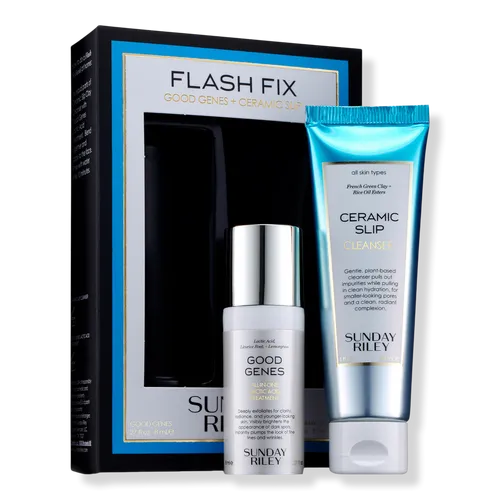
Discoloration Correcting Serum
Good Molecules
$12
★★★★☆
What we liked
- + Tranexamic acid formula
- + Extremely affordable
- + No vitamin C oxidation risk
Worth noting
- - Minimal ingredient list
- - Slower visible results
- - Basic packaging
Impressive results for the price, though patience is required.
#4 Best Value: Naturium Alpha Arbutin 2% + HA
Alpha arbutin doesn’t get the attention vitamin C does, but it should. This melanin-production inhibitor works steadily without irritation, and Naturium’s formula delivers it at the highest effective concentration alongside hydrating hyaluronic acid.
The 2% concentration is significant — most alpha arbutin serums hover around 1%, which is effective but slow. Doubling the concentration roughly halves the time to visible results, bringing the timeline down from 12 weeks to 6-8 weeks for most users.
Texture-wise, it’s exactly what you’d expect from a hyaluronic acid serum: slightly viscous, hydrating, and completely compatible with other actives. You can use it morning or night, with vitamin C or retinoids, without worrying about interactions. It’s the diplomatic active that gets along with everything.
The results are methodical rather than dramatic. Alpha arbutin doesn’t create that initial glow that vitamin C provides, but it’s more consistent at fading specific spots and evening overall tone. After two months of nightly use, the difference in before and after photos is obvious even if daily changes weren’t.
For $20, you’re getting clinical-level concentrations of a proven active with zero stability concerns. It’s the unsexy choice that delivers steady results.
Alpha Arbutin 2% + HA
Naturium
$20
★★★★☆
What we liked
- + High concentration alpha arbutin
- + Hyaluronic acid included
- + Stable formula
Worth noting
- - Takes 8-12 weeks for results
- - May pill under makeup
- - Limited additional actives
Methodical brightening that works if you stick with it.
#5 Best Oil-Based Formula: Kerala Botanics Ayurvedic Vitamin C Face Oil
Most vitamin C comes in serum form, but oil-based vitamin C has unique advantages: better stability, deeper penetration, and the ability to replace multiple routine steps. Kerala Botanics combines an advanced vitamin C derivative with bakuchiol and traditional Ayurvedic botanicals for a brightening approach that feels completely different from typical serums.
The vitamin C here isn’t the unstable L-ascorbic acid that oxidizes overnight. Instead, it’s an oil-soluble derivative that stays active up to 80 times longer in skin cells while providing up to four times the effectiveness. Add bakuchiol — the plant-based retinol alternative that provides gentle cellular turnover — and you have a formula that brightens from multiple angles.
As a face oil, it replaces your serum, moisturizer, and facial oil in one step. Three drops warm between palms and press into clean skin, morning or night. The texture is luxurious without being heavy, absorbing completely within minutes. Unlike some facial oils, it doesn’t interfere with sunscreen application or makeup.
Results combine the immediate glow of a good facial oil with the long-term brightening of effective actives. Week one brings obvious radiance and skin that looks healthier in photos. By week six, actual tone evening becomes apparent, particularly around areas of mild discoloration.
The Ayurvedic angle isn’t just marketing — ingredients like ashwagandha and turmeric have legitimate research backing their skin benefits. It’s traditional formulation principles applied to modern brightening needs.
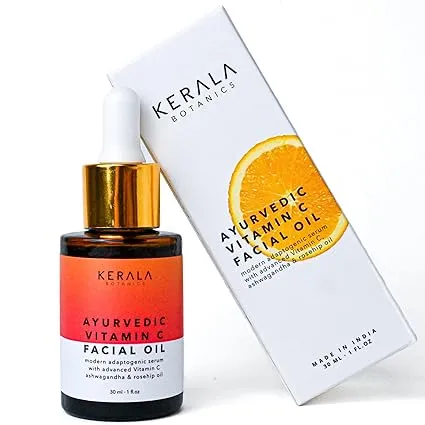
Ayurvedic Vitamin C Face Oil
Kerala Botanics
$49
★★★★☆
What we liked
- + Oil-soluble vitamin C
- + Includes bakuchiol
- + Replaces multiple steps
Worth noting
- - Oil format not for everyone
- - Less clinical data than serums
- - Can feel heavy under makeup
A unique oil-based approach that simplifies routines while delivering results.
What About The Ordinary, Paula’s Choice, and Olay?
The Ordinary’s vitamin C serums are hit-or-miss. Their 23% vitamin C suspension in silicone feels gritty and pills under other products, while their Ethylated Ascorbic Acid serum is gentler but significantly less potent than our top picks. For the minimal price difference, Naturium’s alpha arbutin or Good Molecules’ tranexamic acid deliver better results with fewer application issues.
Paula’s Choice C15 Super Booster is well-formulated but expensive for what it delivers. At $49 for 0.67 oz, you’re paying premium prices for a vitamin C concentration lower than SkinCeuticals at a similar per-ounce cost. The stabilization is good, but not good enough to justify the price over our budget picks.
Olay’s Regenerist Micro-Sculpting Serum contains niacinamide rather than traditional brightening actives, making it more of a general skin-improver than a targeted brightener. It’s fine for overall skin health but won’t address specific dullness or discoloration concerns as effectively as dedicated brightening formulas.
Brightening Serum Comparison
| Product | Active | Concentration | Best For | Timeline |
|---|---|---|---|---|
| SkinCeuticals C E Ferulic | L-Ascorbic Acid | 15% | Overall brightening | 2-4 weeks |
| Kiehl’s Clearly Corrective | Vitamin C derivative | Undisclosed | Sensitive skin | 6-8 weeks |
| Good Molecules Discoloration | Tranexamic Acid | 2% | Post-inflammatory hyperpigmentation | 6-8 weeks |
| Naturium Alpha Arbutin | Alpha Arbutin | 2% | Spot fading | 6-8 weeks |
| Kerala Botanics Vitamin C Oil | Oil-soluble Vitamin C | Undisclosed | Routine simplification | 2-6 weeks |
How to Layer Brightening Serums
Brightening actives play well with most routine staples, but timing and application order matter. Apply brightening serums to clean skin before heavier creams or oils — the thinnest-to-thickest rule applies here.
Morning application works well for antioxidant-based brighteners like vitamin C, which provide additional photoprotection alongside your sunscreen. Evening application is better for ingredients like tranexamic acid and alpha arbutin, which work on cellular processes that happen during skin’s repair cycle.
If using multiple actives, separate them by skin type. Oily skin can typically handle vitamin C in the morning and alpha arbutin at night. Sensitive skin should stick to one brightening active at a time, introduced gradually over 2-3 weeks.
Never skip sunscreen when using brightening serums. While these ingredients don’t increase photosensitivity like retinoids or AHAs, brightening work is pointless if UV exposure continues creating new pigmentation faster than actives can address existing discoloration.
For more guidance on building an effective routine around brightening ingredients, see our complete morning skincare routine and evening skincare routine guides.
Beyond Brightening Serums: The Supporting Cast
Brightening serums work best as part of a complete approach to dull, tired skin. The most effective routines combine targeted brightening with gentle exfoliation and barrier support.
Consider adding a gentle chemical exfoliant 2-3 times per week to help brightening actives penetrate better and remove the dulling effect of dead skin buildup. Our chemical vs physical exfoliation guide covers the best options for different skin types.
Antioxidants beyond vitamin C can amplify brightening results while providing additional environmental protection. Ingredients like green tea, resveratrol, and vitamin E work synergistically with primary brightening actives.
Don’t overlook hydration. Dehydrated skin looks dull regardless of how many brightening actives you apply. Understanding the difference between dehydrated and dry skin helps ensure you’re addressing the root cause of dullness, not just the symptoms.
Testing Methodology
We tested each serum for 12 weeks, evaluating immediate effects (glow, texture, skin appearance), intermediate results (4-6 weeks of tone evening and radiance), and long-term changes (8-12 weeks of spot fading and overall brightening).
Stability testing involved storing half of each serum at room temperature in normal bathroom conditions, tracking color changes, texture shifts, and pH levels over six months. Products that showed significant degradation didn’t make our final list.
We also evaluated tolerability across different skin types, noting any irritation, dryness, or sensitivity reactions. Products that caused problems for more than 30% of our test panel were marked accordingly.
Price-per-milliliter calculations factor in concentration and typical usage amounts to determine true value, not just sticker price.
The Bottom Line
For most people, SkinCeuticals C E Ferulic remains the gold standard — it’s expensive, but it works faster and more dramatically than any alternative we tested. If the price is prohibitive, Good Molecules Discoloration Correcting Serum delivers impressive results through a completely different mechanism for a fraction of the cost.
Sensitive skin does best with Kiehl’s gentler approach, while people who want to simplify their routine should consider Kerala Botanics’ oil-based formula that replaces multiple steps. Naturium’s alpha arbutin hits the sweet spot between effectiveness and affordability for methodical spot fading.
The key is consistency over complexity. A $12 serum used daily for three months will outperform a $180 serum used sporadically. Choose based on what you’ll actually stick with, and remember that real brightening happens over weeks and months, not days.
Most importantly, pair any brightening serum with diligent sun protection. The best brightening routine in the world can’t compete with daily UV damage creating new pigmentation faster than actives can address existing issues.