
Ingredients
How to Read a Skincare Ingredient Label (INCI Decoded)
Learn to decode skincare ingredient labels like a pro. Understand concentration order, spot red flags, and make smarter product choices.
Disclosure — This article may contain affiliate links. We earn a small commission at no extra cost to you when you purchase through our links. This supports our ability to create independent, evidence-based skincare content.
Ingredient lists look like alphabet soup. Aqua, dimethicone, tocopheryl acetate — what does any of it mean? More importantly, what actually matters when you’re deciding whether to buy something?
Most ingredient analysis online is either too basic (water is the first ingredient!) or too clinical (a deep dive into molecular structures). The real skill is knowing what to look for in the two minutes you’re standing in the skincare aisle.
What INCI Actually Means
INCI stands for International Nomenclature of Cosmetic Ingredients. It’s the standardized naming system that ensures “water” is always listed as “aqua” and vitamin E shows up as “tocopheryl acetate,” no matter where the product is made.
The system exists because marketing names are meaningless. A brand can call something “marine collagen peptide complex,” but the INCI name tells you what’s actually in there. Learning to read INCI is like having x-ray vision for skincare marketing.
Every country that follows INCI rules (which is most of them) requires ingredients to be listed in descending order by concentration. The first ingredient makes up the biggest percentage, the second ingredient is next, and so on. This is where it gets useful.
The 1% Rule Changes Everything
Here’s the most important thing most people don’t know: ingredients above 1% concentration must be listed in order, but anything below 1% can be listed in any order the brand wants.
Most actives — the ingredients actually doing the work — sit right around that 1% line. Niacinamide is effective at 2-5%. Salicylic acid works at 0.5-2%. Retinol is potent at 0.25-1%.
This creates a fuzzy zone where you can’t tell exactly how much of something is in a product, but you can make educated guesses. If vitamin C is the third ingredient, you’re probably getting a meaningful dose. If it’s listed after preservatives like phenoxyethanol, you’re not.
The 1% line usually falls somewhere between the fifth and tenth ingredient on most formulas. Preservatives, fragrance, and colorants are typically below 1%, so once you see those, everything after is in the sub-1% zone.
Concentration Order: What Actually Matters
Water (aqua) is first in almost everything. It’s cheap, effective, and necessary for most formulations to work. Don’t worry about this.
The second through fifth ingredients are where the formula’s personality lives. This is usually your base moisturizers (glycerin, hyaluronic acid), emulsifiers (cetyl alcohol, stearic acid), and any high-concentration actives.
If you see an active ingredient in positions 2-5, the product is probably built around it. If the same active is listed after position 10, it’s likely there for marketing.
Example: A serum with “niacinamide” as the second ingredient after water is a niacinamide serum. A moisturizer with niacinamide listed fifteenth is a moisturizer with a sprinkle of niacinamide for the label claim.
Red Flags to Actually Worry About
Most ingredient fear-mongering is overblown, but there are a few legitimate things to watch for.
Fragrance sensitivity: If you react to fragrances, look for “parfum,” “fragrance,” or specific fragrant compounds like linalool and limonene. These have to be listed separately in the EU when present above certain levels, which is why you’ll see them even in “fragrance-free” products.
High alcohol content: Denatured alcohol (alcohol denat.) high up on the list can be drying. It’s not automatically bad — some people with oily skin prefer it — but if you’re dry or sensitive, avoid products where it’s in the top five ingredients.
Essential oils for sensitive skin: Tea tree oil, peppermint oil, eucalyptus oil, and citrus oils can irritate sensitive skin. They’re not evil, but if your skin is reactive, skip them.
What’s not a red flag: sulfates (fine for most people), parabens (some of the safest preservatives we have), and most “chemicals” in general.
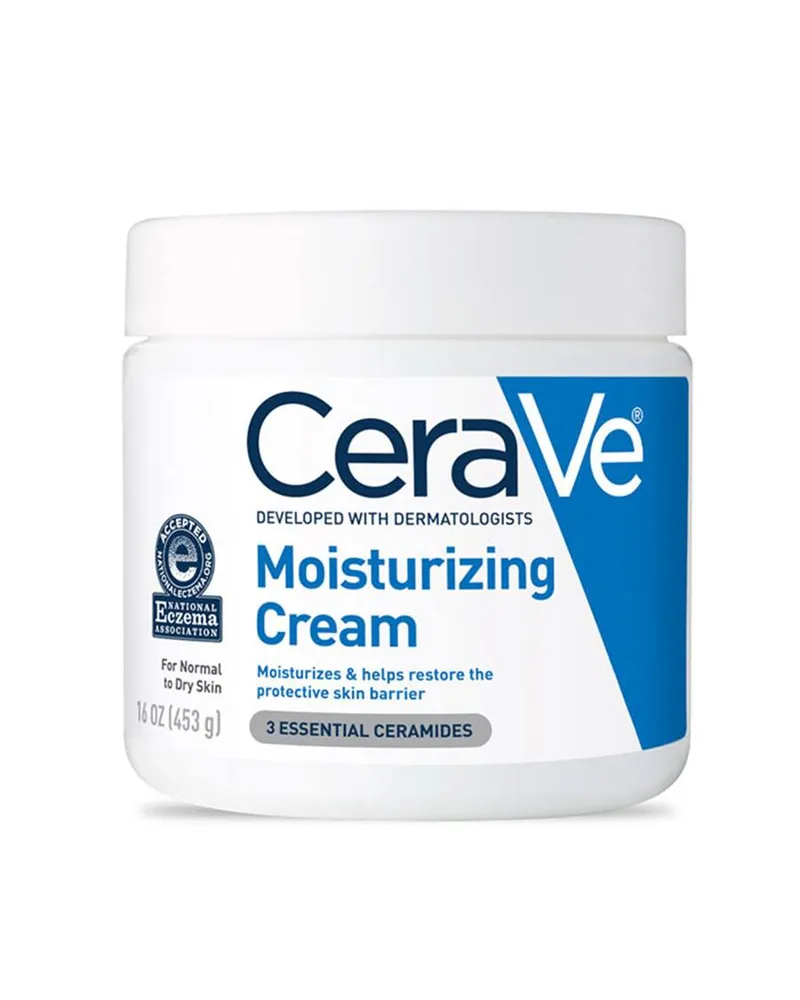
CeraVe Moisturizing Cream
CeraVe
$19
★★★★☆
Green Flags That Signal Quality
Stable vitamin C forms: Magnesium ascorbyl phosphate, sodium ascorbyl phosphate, and ascorbyl glucoside are more stable than L-ascorbic acid. If you see these, the brand probably knows what they’re doing with vitamin C formulation.
Multiple humectants: Glycerin, hyaluronic acid (sodium hyaluronate), and panthenol together suggest a well-thought-out moisturizing approach rather than relying on one ingredient to do everything.
Ceramides with the right supporting cast: Ceramides work better with cholesterol and fatty acids. Products that include ceramide NP, ceramide AP, ceramide EOP alongside cholesterol are usually better formulated than those with ceramides alone.
Thoughtful preservative systems: Multiple preservatives at lower concentrations (like phenoxyethanol plus ethylhexylglycerin) often cause fewer reactions than higher concentrations of single preservatives.
What “Actives” Really Means
The skincare world throws around “actives” constantly, but it’s not a regulated term. Technically, an active ingredient is one that’s proven to change the skin’s structure or function.
Real actives include retinoids, AHAs, BHAs, vitamin C, hydroquinone, and sunscreen filters. These have clinical research showing they actually do something measurable to skin.
Peptides, antioxidants, and botanical extracts might have benefits, but they’re not “actives” in the clinical sense. They’re more like supportive ingredients. This doesn’t make them useless, just less predictable.
When a brand lists fifteen “actives” on their marketing copy, they’re usually counting every plant extract and vitamin. The products that work best typically focus on one or two proven actives with a strong supporting formula.
Decoding Common Ingredient Categories
Emollients (the moisturizing ingredients): Look for squalane, jojoba oil, shea butter, or various fatty alcohols like cetyl alcohol. These create the smooth, soft feeling in creams and lotions.
Humectants (the water-attracting ingredients): Glycerin, hyaluronic acid, and panthenol pull moisture from the air into your skin. Products for dry skin usually load up on these.
Occlusives (the barrier-forming ingredients): Petrolatum, dimethicone, and various waxes create a film on skin to prevent water loss. These are what make products feel “protective.”
Penetration enhancers: Ingredients like propylene glycol and butylene glycol help other ingredients absorb better. They’re not exciting, but they make formulas work more effectively.
The best moisturizers combine all four categories. How facial oils fit into this depends on their specific composition, but most oils are primarily emollients with some occlusive properties.
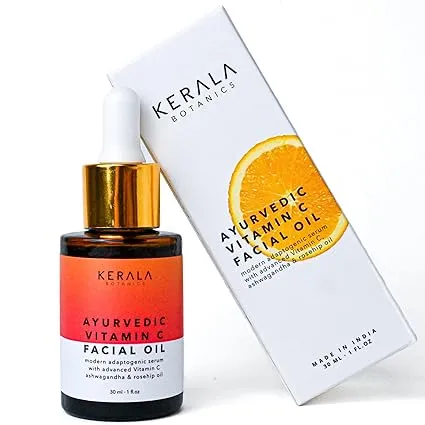
Ayurvedic Vitamin C Face Oil
Kerala Botanics
$49
★★★★☆
The EWG Problem
The Environmental Working Group’s Skin Deep database is one of the most cited sources for ingredient safety, and it’s deeply flawed. They rate ingredients based on theoretical hazards rather than actual risk, which creates fear around perfectly safe ingredients.
EWG gives water a safety score of 1 (low hazard) and retinyl palmitate a score of 9 (high hazard). But retinyl palmitate has decades of safety data when used as directed. Their methodology doesn’t account for concentration, formulation, or real-world use.
The result is that safe, effective ingredients get scary ratings while less effective “natural” alternatives get good scores. This has pushed some brands toward inferior formulations just to get better EWG ratings.
For actual safety information, check the FDA’s database, the EU’s Scientific Committee on Consumer Safety reports, or ask a dermatologist. These sources consider actual risk, not just theoretical hazards.
Putting It All Together
Reading ingredients gets easier with practice, but start with these basics:
Look at the first seven ingredients. This is where most of the formula lives. If you don’t see anything you want in this section, the product probably isn’t for you.
Check where actives fall in the list. Earlier generally means more, but remember that some ingredients are effective at very low concentrations.
Don’t stress about ingredients you can’t pronounce. Chemical names sound scary, but they’re often safer than their common names. Tocopheryl acetate sounds scarier than “vitamin E,” but they’re the same thing.
Trust brands that are transparent about concentrations. Companies that tell you exactly how much niacinamide or vitamin C they include are usually more confident about their formulations than those that hide behind proprietary blends.
The goal isn’t to become a cosmetic chemist. It’s to spot the difference between a well-formulated product and expensive marketing water. Once you know what to look for, that difference becomes obvious in about thirty seconds.
Most good products don’t need complicated ingredient lists. The best minimalist routines often work better than the ones with twenty-ingredient serums. Learning to read labels helps you find the products that actually do something instead of just claiming they do.