
Ingredients
Chemical-Free Skincare Is a Myth — What Clean Beauty Actually Means
Debunking chemical-free claims and defining what clean beauty actually means. Evidence-based guide to natural, organic, and clean skincare terms.
Disclosure — This article may contain affiliate links. We earn a small commission at no extra cost to you when you purchase through our links. This supports our ability to create independent, evidence-based skincare content.
Everything in skincare is made of chemicals. Water is a chemical. The vitamin C in an orange is chemically identical to the vitamin C in a lab-made serum. When a product claims to be “chemical-free,” it’s either lying or it’s an empty bottle.
The real question isn’t whether something contains chemicals — it’s whether those chemicals are safe, effective, and worth the price. Clean beauty has real meaning, but it’s not what most marketing suggests.
What “Chemical-Free” Actually Means (Spoiler: Nothing)
Every substance is made of chemicals. The moisturizer made from “pure” shea butter? It contains triglycerides, cinnamic acid esters, and dozens of other chemical compounds. The difference between “natural” and “synthetic” often comes down to where the molecule was made, not what it actually is.
Take squalane. Your skin produces it naturally. You can extract it from olives or make it in a lab. Chemically, they’re identical. Both are the same molecule: C30H62. The lab version is often more sustainable — no olives required — and more stable. But one gets labeled “natural” and costs three times more.
This isn’t about dismissing natural ingredients. Many work beautifully. It’s about understanding that “natural” doesn’t automatically mean better, safer, or more effective.
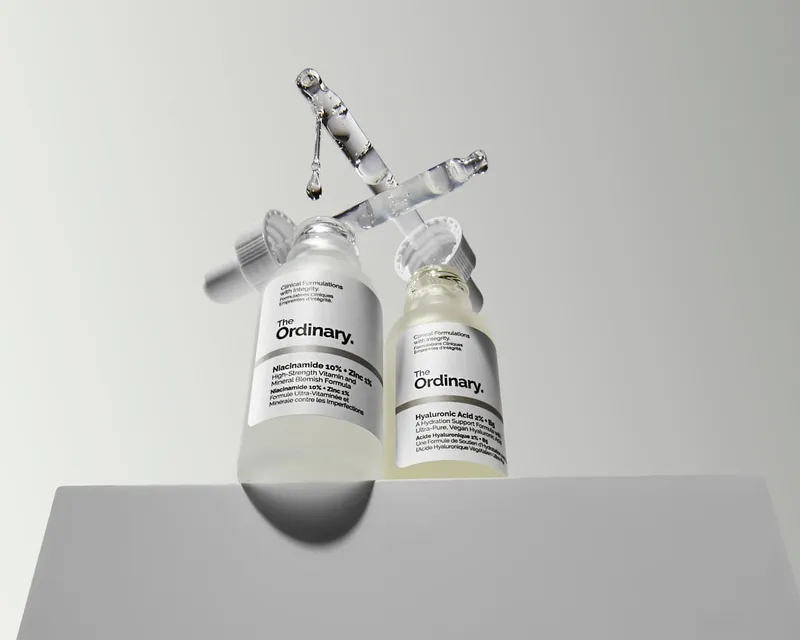
100% Plant-Derived Squalane
The Ordinary
$9
★★★★☆
Decoding Clean Beauty Terms
The beauty industry loves undefined terms. Here’s what they actually mean — and what they don’t.
Natural vs. Naturally Derived
“Natural” suggests the ingredient comes directly from nature with minimal processing. Jojoba oil pressed from jojoba seeds is natural. But most “natural” skincare contains naturally derived ingredients — molecules that started in nature but were chemically modified.
Hyaluronic acid is naturally derived. It exists in your skin, but the version in serums is usually made by fermenting bacteria or extracted from rooster combs, then purified. Still effective. Still safe. Just not “natural” in the way most people imagine.
Organic: The Only Term With Real Rules
Organic actually means something specific. In the US, organic ingredients must be grown without synthetic pesticides, fertilizers, or GMOs. Products labeled “organic” need at least 95% organic ingredients.
But organic doesn’t mean more effective. Organic rosehip oil and conventional rosehip oil contain the same beneficial compounds. The difference is farming methods, not skincare results.
Clean: Marketing’s Favorite Non-Word
“Clean” has no legal definition. Every brand decides what it means. Some avoid sulfates and parabens. Others ban 1,500 ingredients. A few refuse anything that sounds scientific.
The most reasonable definition of clean beauty: products made with safe, effective ingredients, transparent labeling, and sustainable practices. But that’s not what most brands mean when they slap “clean” on the label.
The Great Paraben and Sulfate Panic
Two ingredients get more fear-mongering than any others: parabens and sulfates. Both have been used safely for decades. Both have been largely removed from products due to consumer demand, not safety concerns.
Parabens: The Preservative That Works
Parabens prevent bacteria and mold in water-based products. They’re in blueberries, carrots, and vanilla. The safety data is extensive — decades of use with minimal issues.
The controversy started with a 2004 study that found parabens in breast tissue samples. But the study didn’t compare to healthy tissue or prove causation. Follow-up research found parabens in both cancerous and healthy tissue at similar levels.
The FDA, EU, and every major dermatological organization still consider parabens safe in cosmetic concentrations. Products without them often use less-studied alternatives like phenoxyethanol or rely on packaging that limits contamination.
Sulfates: Harsh or Just Effective?
Sulfates clean well. That’s literally their job. Sodium lauryl sulfate (SLS) and sodium laureth sulfate (SLES) are surfactants — they help water mix with oil and dirt so everything rinses away.
The issue isn’t safety. It’s irritation potential. Sulfates can be drying, especially for sensitive or already-dry skin. But plenty of people use sulfate cleansers without problems.
Sulfate-free doesn’t mean gentler by default. Some sulfate alternatives are more irritating. The key is finding what works for your skin, not avoiding entire ingredient categories.
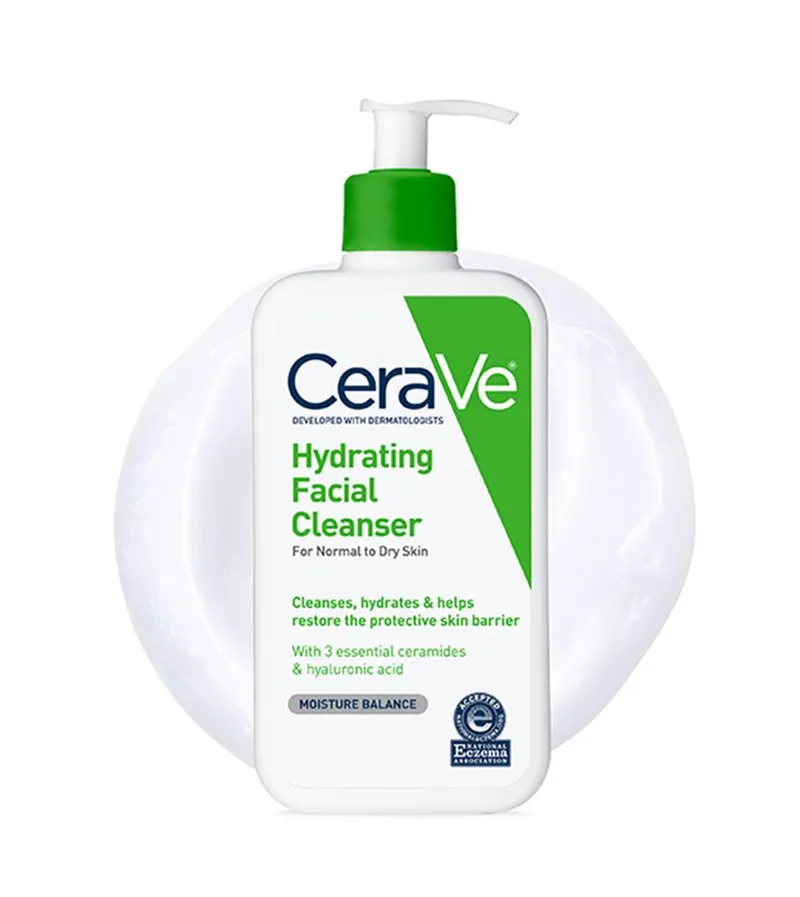
Hydrating Cleanser
CeraVe
$16
★★★★☆
EU vs US Regulations: The Real Story
The “Europe bans 1,300+ ingredients while the US only bans 11” statistic gets quoted constantly. It’s technically true but misleading.
The EU maintains a list of substances prohibited or restricted in cosmetics. Many are industrial chemicals that would never be used in skincare anyway — things like gasoline additives and pesticides. Others are restricted at certain concentrations but allowed in smaller amounts.
The US system works differently. Instead of maintaining a banned list, the FDA requires ingredients to be safe for their intended use. Companies are responsible for safety testing. When problems arise, the FDA can take action.
Both systems have flaws. The EU list includes some ingredients banned for theoretical risks rather than proven harm. The US system relies heavily on industry self-regulation. Neither approach is perfect, but both generally keep unsafe products off the market.
When Natural Actually Matters
Sometimes choosing natural ingredients makes sense. Not because they’re inherently superior, but because they offer specific benefits.
Gentleness and Compatibility
Plant oils often work well for sensitive skin. They contain multiple compounds that can soothe irritation. Single-ingredient plant oils are also less likely to cause reactions than complex formulations with many synthetic components.
Facial oils like those from Kerala Botanics combine natural ingredients with proven actives. Their Ayurvedic Vitamin C Face Oil uses an advanced form of vitamin C alongside bakuchiol, a plant-based alternative to retinol. It’s effective not because it’s natural, but because the formulation works.
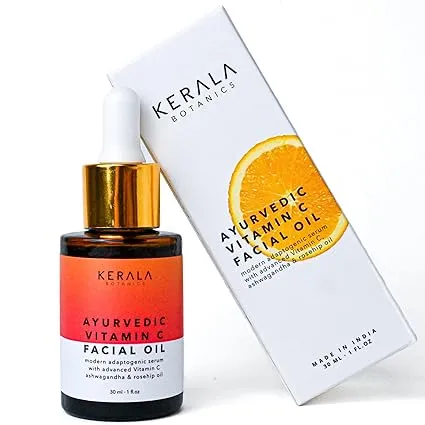
Ayurvedic Vitamin C Face Oil
Kerala Botanics
$49
★★★★☆
Sustainability Concerns
Natural doesn’t always mean sustainable, but it can. Plant-based squalane is more sustainable than shark-derived squalane (which is rarely used now anyway). Palm-free formulas avoid contributing to deforestation.
The key is looking beyond “natural” to actual sourcing practices. Some synthetic ingredients have smaller environmental footprints than their natural counterparts.
Personal Philosophy
If using naturally derived ingredients aligns with your values, that’s valid. Skincare is personal. Just don’t assume natural products work better or are automatically safer.
Building a Truly Clean Routine
Instead of avoiding arbitrary ingredient lists, focus on what actually matters: products that work for your skin without causing problems.
Start With the Basics
A solid routine needs three things: gentle cleansing, daily sun protection, and appropriate moisturizing. Everything else is optional.
Look for cleansers that remove dirt without stripping your skin. Choose between chemical and physical exfoliation based on your skin’s needs, not ingredient origin. Find a sunscreen you’ll actually use every day.
Read Labels, Not Marketing
Ingredients are listed in descending order by concentration. The first five ingredients make up most of the product. Focus on those rather than trace botanicals added for marketing appeal.
Learn to recognize effective actives: retinoids for aging, salicylic acid for acne, vitamin C for brightening. These work regardless of whether they’re naturally derived or synthetic.
Listen to Your Skin
Your skin’s response matters more than any ingredient list. If a “clean” product causes irritation, it’s not clean for you. If a conventional product works beautifully, the fact that it contains parabens doesn’t change that.
Some people genuinely do better with fewer ingredients or naturally derived formulations. Others thrive using whatever works best. Neither approach is wrong.
The Bottom Line
Clean beauty isn’t about avoiding chemicals — that’s impossible. It’s about choosing products with safe, effective ingredients from companies that are transparent about what they use and why.
Stop worrying about sulfates and parabens unless they actually irritate your skin. Don’t pay extra for “natural” versions of identical molecules. Don’t avoid proven actives because they have scientific names.
Focus on what works. A simple three-step routine with conventional ingredients beats a 10-step natural routine that doesn’t address your skin’s needs.
The cleanest skincare routine is one that keeps your skin healthy without unnecessary complexity, irritation, or expense. Everything else is just marketing.