
Acne
Melasma Treatment Guide: The Skincare, the Sun Discipline, the Procedures
From hydroquinone combos to lasers — the complete melasma treatment roadmap that actually works, plus why sun protection is non-negotiable.
Disclosure — This article may contain affiliate links. We earn a small commission at no extra cost to you when you purchase through our links. This supports our ability to create independent, evidence-based skincare content.
Melasma is skincare’s most stubborn opponent. The brown patches that bloom across your cheeks, forehead, and upper lip don’t respond to your usual brightening routine. They laugh at vitamin C. They ignore kojic acid. They fade slightly, then roar back stronger after one beach day.
Here’s what actually works: a three-pronged approach that combines prescription actives, religious sun protection, and sometimes professional procedures. This isn’t a six-week transformation story. Melasma treatment is measured in months, not TikTok cycles.
Understanding Melasma: Why It’s Different
Melasma isn’t just hyperpigmentation. It’s triggered by hormonal fluctuations (pregnancy, birth control, HRT) and lives deep in the dermis, not just on the surface. That’s why surface treatments barely make a dent.
The patches typically appear symmetrically — matching spots on both cheeks, or a mustache-like pattern above the lip. UV exposure doesn’t cause melasma, but it absolutely makes it worse. Even through windows. Even on cloudy days. Even when you’re just driving to Target.
The frustrating part? Melasma has a memory. Treat it successfully, skip sunscreen for a weekend, and it’s back like you never did anything at all.
The Gold Standard: Triple Cream Therapy
The most effective topical treatment is a combination cream containing three active ingredients:
- Hydroquinone (2-4%): Blocks tyrosinase, the enzyme that produces melanin
- Tretinoin (0.05-0.1%): Accelerates cell turnover to push pigment up and out
- A mild corticosteroid (fluocinolone acetonide 0.01%): Reduces inflammation that can worsen pigmentation
The brand name is Tri-Luma, but compounding pharmacies can make custom versions. This isn’t available over-the-counter — you need a dermatologist.

Tri-Luma Cream
Galderma
$280
★★★★½
How to use it: Start every third night for two weeks, then every other night, building up to nightly use if your skin tolerates it. Apply to affected areas only — this isn’t an all-over face treatment. Use for 8-12 weeks maximum, then take a break. The steroid component means you can’t use it indefinitely.
What to expect: Visible improvement typically starts around week 6. Full results take 3-4 months. Your skin may get worse before it gets better as deeper pigment surfaces.
The Rising Star: Tranexamic Acid
If triple cream therapy isn’t an option (pregnancy, sensitivity, or access issues), tranexamic acid is the next best thing. Originally a medication to reduce bleeding, it turns out to be remarkably effective for melasma.
Unlike hydroquinone, tranexamic acid doesn’t just block melanin production — it also reduces the inflammation and blood vessel changes that contribute to melasma. Studies show it can be as effective as hydroquinone without the controversial baggage.
You can find it in over-the-counter products or get it compounded at higher concentrations. La Roche-Posay’s Pigmentclar Serum combines tranexamic acid with kojic acid and salicylic acid for a gentler approach.
Pigmentclar Serum
La Roche-Posay
$45
★★★★☆
We also covered tranexamic acid for melasma in detail if you want to dive deeper into the research and product options.
Supporting Ingredients That Actually Help
While you’re waiting for prescription treatments to work, these ingredients can provide gentle support:
Vitamin C: Won’t cure melasma, but consistent use helps prevent further darkening. Oil-based formulas tend to be less irritating when you’re already using active treatments. The Kerala Botanics Ayurvedic Vitamin C Face Oil combines vitamin C with bakuchiol, which offers retinoid-like benefits without the irritation.
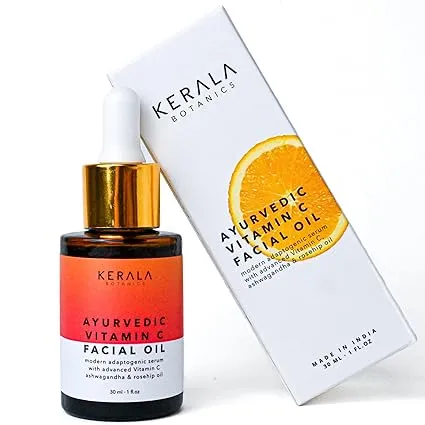
Ayurvedic Vitamin C Face Oil
Kerala Botanics
$49
★★★★☆
Azelaic acid: Anti-inflammatory and mildly exfoliating. Good for sensitive skin that can’t handle tretinoin. Check out our guide to the best azelaic acid products for specific recommendations.
Niacinamide: Reduces inflammation and helps strengthen the skin barrier. Particularly helpful if you’re using irritating treatments. Our complete niacinamide guide explains exactly how it works.
Kojic acid: A gentler alternative to hydroquinone, though less potent. Often combined with other brightening ingredients.
Sun Protection: The Non-Negotiable Part
Here’s the hard truth: you can have the perfect melasma treatment routine, but if your sun protection isn’t bulletproof, you’re wasting your time and money.
Melasma doesn’t just respond to UV rays — it responds to visible light and heat. That means:
- SPF 30 is the absolute minimum. SPF 50+ is better.
- Zinc oxide and titanium dioxide provide broader protection than chemical filters alone
- Reapplication every two hours isn’t a suggestion, it’s a requirement
- Indoor light matters too. Consider tinted sunscreens that block visible light
- Hats, sunglasses, and shade are your friends
La Roche-Posay’s Anthelios Melt-in Milk SPF 60 is my go-to recommendation for melasma-prone skin. It contains antioxidants, sits well under makeup, and provides the broad-spectrum protection you need.
Anthelios Melt-in Milk SPF 60
La Roche-Posay
$36
★★★★☆
For more options, our best sunscreens for dark skin tones guide covers formulas that won’t leave a white cast, and our mineral sunscreens with no white cast roundup focuses specifically on zinc and titanium dioxide options.
When to Consider Professional Procedures
Topical treatments work for most people, but sometimes you need bigger guns. Here’s when to consider in-office procedures:
Severe or widespread melasma: When patches cover large areas or are very dark Topical treatment failure: If you’ve tried triple cream therapy for 4-6 months without improvement Maintenance: To maintain results after successful topical treatment Time constraints: When you need faster results for an event or life change
Chemical Peels
Superficial peels (glycolic acid, lactic acid, mandelic acid) can help surface pigment and improve product penetration. Medium-depth peels (TCA) are more aggressive but carry higher risk of post-inflammatory hyperpigmentation, especially on darker skin tones.
Peels work best combined with topical treatments, not as standalone therapy.
Microneedling
Creates controlled micro-injuries that stimulate collagen production and improve product absorption. Often combined with radiofrequency (microneedling RF) for enhanced results.
Safer for darker skin tones than aggressive lasers, but still requires careful post-care and sun avoidance.
Laser Treatments
This is where it gets tricky. Lasers can be incredibly effective for melasma, but they can also make it worse if not done correctly.
IPL (Intense Pulsed Light): Gentler option that targets multiple wavelengths. Lower risk of worsening pigmentation.
Q-switched lasers: More aggressive, higher risk. Only recommended for experienced practitioners treating melasma regularly.
Picosecond lasers: Newer technology with promising results and potentially lower risk.
The key is finding a practitioner with extensive melasma experience. This isn’t the time for a discount spa treatment.
The Realistic Timeline
Week 1-4: Skin adjustment period. Possible irritation, dryness, or initial darkening.
Week 4-8: First signs of improvement. Patches may start to look less defined.
Week 8-16: Visible lightening. Progress is gradual, not dramatic.
Month 4-6: Maximum improvement from topical treatments.
Year 1-2: Maintenance phase. Continued vigilant sun protection and occasional treatment touch-ups.
Common Mistakes That Set You Back
Expecting overnight results: Melasma treatment requires patience. Switching products every few weeks ensures you never see real improvement.
Skipping sunscreen on “low UV” days: UVA penetrates clouds and windows. Your melasma doesn’t take weather into account.
Over-treating: Using too many active ingredients at once leads to irritation, which can actually darken pigmentation.
Stopping treatment too soon: Melasma will return if you stop all treatment. Consider maintenance routines with gentler ingredients.
DIY laser treatments: At-home devices aren’t strong enough to treat melasma effectively and can cause uneven results.
Building Your Melasma Treatment Routine
Morning:
- Gentle cleanser
- Vitamin C serum (optional)
- Moisturizer with niacinamide
- SPF 50+ sunscreen
- Reapply sunscreen every 2 hours
Evening:
- Double cleanse if wearing makeup/sunscreen
- Treatment product (triple cream, tranexamic acid, or azelaic acid)
- Moisturizer to buffer irritation
- Face oil if needed for extra hydration
Start with treatment products 2-3 times per week and gradually increase frequency as your skin adapts. For more guidance on product layering, check our how to layer skincare guide.
Putting It All Together
Melasma treatment isn’t sexy. It’s not the trending ingredient that promises results in two weeks. It’s consistent, methodical, and requires lifestyle changes most people don’t want to make.
But it works. The combination of targeted active ingredients, unwavering sun protection, and professional treatments when needed can significantly fade even stubborn melasma. The key is treating it as a long-term skin condition, not a temporary problem.
Start with a dermatologist consultation to determine if you’re a candidate for triple cream therapy. Build bulletproof sun protection habits before you start any treatment. And remember — improving melasma is measured in seasons, not skincare cycles.
The patches that appeared seemingly overnight will take months to fade. That’s not a failure of the treatment — it’s just how deep pigmentation works. Stay consistent, protect your skin religiously, and give the process time to work.