
Ingredients
Tranexamic Acid: The Underrated Ingredient for Melasma and Stubborn Pigmentation
Tranexamic acid tackles melasma's vascular component that other brightening ingredients miss. Here's why dermatologists are prescribing it more.
Disclosure — This article may contain affiliate links. We earn a small commission at no extra cost to you when you purchase through our links. This supports our ability to create independent, evidence-based skincare content.
When dermatologists start reaching for an ingredient that’s been sitting in medicine cabinets for decades, it’s worth paying attention. Tranexamic acid — originally developed to stop bleeding during surgery — is quietly becoming one of the most effective tools we have for melasma and stubborn pigmentation that doesn’t budge with traditional treatments.
The reason comes down to biology. While most brightening ingredients tackle pigmentation at the melanocyte level, tranexamic acid works differently. It addresses the vascular component of melasma — the increased blood flow and inflammation that keeps feeding those persistent dark patches. For the millions dealing with hormonally-triggered pigmentation, this matters more than we initially understood.
What Tranexamic Acid Actually Does
Tranexamic acid is an antifibrinolytic agent. In plain terms, it prevents the breakdown of blood clots by blocking plasmin, an enzyme that dissolves fibrin. When used in skincare, this translates to reduced inflammation and decreased vascular activity in areas of pigmentation.
Here’s what makes it different from other brightening ingredients: melasma isn’t just about excess melanin production. There’s a vascular component — increased blood vessel activity and chronic inflammation — that keeps the cycle going. UV exposure triggers inflammatory mediators, which increase blood flow, which promotes more melanin synthesis. It’s a feedback loop that ingredients like vitamin C and kojic acid only partially interrupt.
Tranexamic acid breaks this cycle by:
- Reducing plasmin activity, which decreases inflammation
- Inhibiting tyrosinase, the enzyme that produces melanin
- Reducing vascular permeability in pigmented areas
- Blocking UV-induced inflammatory pathways
The research backs this up. A 2019 study in the Journal of Cosmetic Dermatology found that topical 2% tranexamic acid reduced melasma severity by 66% after 12 weeks — comparable to hydroquinone but without the associated risks.
Topical vs Oral: Which Route Works Better?
This is where tranexamic acid gets interesting. Unlike most skincare ingredients, it’s been studied extensively in both topical and oral forms for pigmentation.
Oral Tranexamic Acid
Oral tranexamic acid has stronger clinical data. Studies using 250-500mg twice daily show significant improvement in melasma, often within 8-12 weeks. The mechanism makes sense: systemic reduction in plasmin activity affects the inflammatory cascade throughout the body.
The catch? It requires prescription monitoring. Tranexamic acid can increase clotting risk, so it’s contraindicated if there’s any history of thrombosis, stroke, or certain cardiovascular conditions. Most dermatologists will order baseline lab work and monitor patients during treatment.
Topical Tranexamic Acid
Topical formulations sidestep the systemic risks but deliver more modest results. Concentrations typically range from 2-5%, and improvement is usually visible after 8-16 weeks of consistent use. The advantage is safety — there’s minimal systemic absorption when used topically.
For most people dealing with melasma or post-inflammatory hyperpigmentation, topical is the logical starting point. It’s accessible, safe for long-term use, and can be combined with other brightening ingredients.
How It Compares to Other Brightening Ingredients
Tranexamic acid occupies a unique position in the brightening ingredient hierarchy. It’s not a replacement for vitamin C or niacinamide — it’s complementary.
Hydroquinone remains the gold standard for melanin suppression, but it comes with usage limitations and potential side effects. Tranexamic acid offers comparable efficacy without the bleaching concerns or rebound hyperpigmentation risk.
Arbutin and kojic acid work purely through tyrosinase inhibition. They’re effective for surface-level pigmentation but don’t address the inflammatory component that keeps melasma active.
Vitamin C is excellent for prevention and maintenance but struggles with established melasma. Its antioxidant properties complement tranexamic acid’s anti-inflammatory effects well.
The sweet spot is combining tranexamic acid with other ingredients. A routine might include vitamin C in the morning for protection and antioxidant activity, with tranexamic acid at night to address the inflammatory cascade. This approach targets multiple pathways without over-treating the skin.
The Products Worth Trying
The tranexamic acid market is still relatively small, but a few standout formulations are worth considering.
SkinMedica TNS Advanced+ Serum
This is the luxury option that combines 1% tranexamic acid with growth factors, antioxidants, and peptides. It’s positioned as an anti-aging serum, but the tranexamic acid inclusion makes it particularly effective for pigmentation.
The texture is lightweight but slightly tacky — typical for growth factor serums. Most users see brightening effects around the 6-8 week mark, with continued improvement through 16 weeks. The price reflects the complex formulation, but for established melasma, the multi-pathway approach often justifies the cost.
TNS Advanced+ Serum
SkinMedica
$295
★★★★☆
Naturium Tranexamic Acid Treatment
At 2% tranexamic acid, this serum offers a straightforward approach without the premium price. The formulation includes kojic acid and bearberry extract for additional tyrosinase inhibition, plus hyaluronic acid for hydration.
The texture is more serum-like than SkinMedica’s offering — it absorbs quickly and layers well under moisturizer. For hormone-related pigmentation, many users report visible improvement within 12 weeks. The value proposition is excellent for testing tranexamic acid’s effectiveness on your particular pigmentation pattern.

Tranexamic Acid Treatment
Naturium
$20
★★★★☆
The INKEY List Tranexamic Acid Night Treatment
This night treatment combines 2% tranexamic acid with kojic acid and hyaluronic acid in a slightly richer base. The evening-only format makes sense — tranexamic acid can increase photosensitivity in some users, and the thicker texture works better under night moisturizer than morning SPF.
Results typically appear around 10-14 weeks, which is slower than prescription options but respectable for an over-the-counter treatment. The price point makes it accessible for long-term maintenance once initial improvement is achieved.
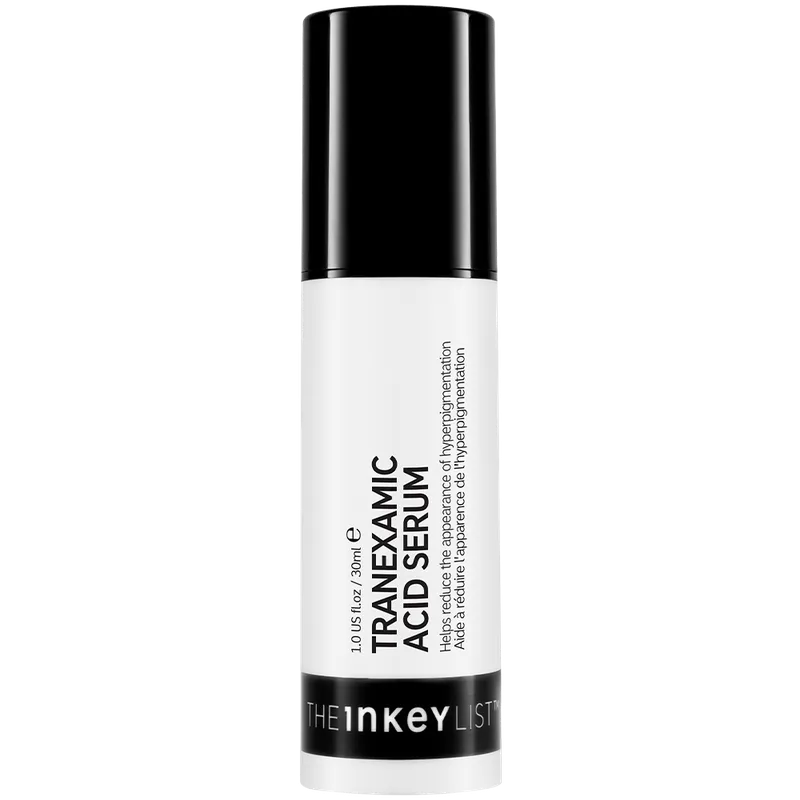
Tranexamic Acid Night Treatment
The INKEY List
$15
★★★★☆
Alternative Approach: Oil-Based Vitamin C
For those seeking a more natural approach to persistent pigmentation, the Kerala Botanics Ayurvedic Vitamin C Face Oil offers an interesting alternative. While it doesn’t contain tranexamic acid, it combines an advanced form of vitamin C with bakuchiol (a retinol alternative) in an Ayurvedic formulation.
The oil format provides sustained delivery of brightening actives, and the bakuchiol component addresses some of the cell turnover benefits typically associated with retinoids. For those who prefer a more holistic approach or have sensitive skin that doesn’t tolerate multiple actives, this provides brightening benefits without the potential irritation of combining several targeted treatments.
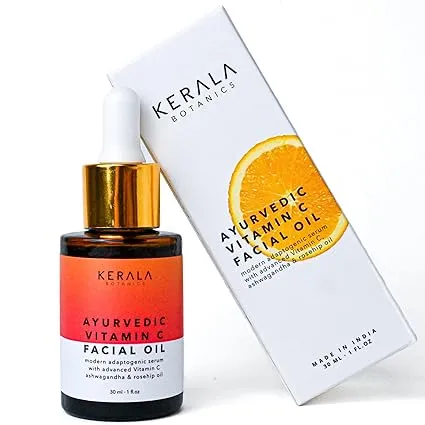
Ayurvedic Vitamin C Face Oil
Kerala Botanics
$49
★★★★☆
How to Use Tranexamic Acid Effectively
Tranexamic acid is generally well-tolerated, but smart application improves results and minimizes irritation.
Start Slowly
Even though it’s gentler than hydroquinone, tranexamic acid can cause initial irritation in sensitive skin types. Begin with 2-3 applications per week for the first two weeks, then gradually increase to daily use as tolerance builds.
Morning or Evening?
Either works, but evening application is often preferred. Some users experience mild photosensitivity, and tranexamic acid pairs well with other evening treatments like retinoids or azelaic acid. If using in the morning, sunscreen becomes even more critical.
Layer Properly
Tranexamic acid serums should be applied after cleansing and any pH-dependent actives (like vitamin C), but before heavier treatments and moisturizer. The standard skincare layering rules apply — thinnest to thickest consistency.
Combine Strategically
Tranexamic acid plays well with most other ingredients. Effective combinations include:
- Vitamin C (morning) + tranexamic acid (evening)
- Niacinamide + tranexamic acid (can be used together)
- Retinoids + tranexamic acid (alternate nights initially)
Avoid combining with high-concentration AHAs or BHAs, as this can increase irritation without improving results.
What to Expect: Realistic Timeline
Managing expectations is crucial with any pigmentation treatment. Tranexamic acid works, but it’s not overnight magic.
Weeks 1-4: Minimal visible change. Some users notice improved skin texture or reduced inflammation in pigmented areas.
Weeks 6-8: Early brightening becomes apparent. Existing spots may appear lighter, and new pigmentation from recent breakouts or sun exposure may fade more quickly.
Weeks 12-16: Peak improvement for most users. Established melasma shows significant fading, and overall skin tone appears more even.
Months 4-6: Maintenance phase. Continued use prevents new pigmentation and maintains achieved improvement.
The key insight from clinical studies is that tranexamic acid works best with consistent, long-term use. Unlike some treatments that show dramatic initial improvement followed by plateaus, tranexamic acid tends to provide steady, sustained results over months.
Who Should Skip It
While tranexamic acid is generally safe for topical use, a few situations warrant caution.
Skip if there’s a personal or family history of blood clots, stroke, or cardiovascular disease — even though topical absorption is minimal, the risk-benefit ratio doesn’t favor use in these cases.
Pregnant or breastfeeding individuals should avoid tranexamic acid. While the data on topical use during pregnancy is limited, the systemic use restrictions suggest caution is warranted.
Those taking hormonal contraceptives or hormone replacement therapy should discuss use with their healthcare provider, as these medications can increase clotting risk independently.
The Bottom Line
Tranexamic acid represents a meaningful addition to pigmentation treatment, particularly for melasma and hormonally-driven hyperpigmentation. Its dual action — inhibiting melanin production while reducing the inflammatory cascade that perpetuates pigmentation — addresses root causes that single-pathway treatments miss.
The topical formulations available offer a safe, effective alternative to hydroquinone for long-term pigmentation management. While results require patience and consistency, the clinical evidence supports its effectiveness, and the safety profile allows for sustained use without the restrictions associated with other brightening treatments.
For persistent pigmentation that hasn’t responded well to vitamin C, kojic acid, or arbutin alone, tranexamic acid deserves consideration. It’s not a miracle cure, but it’s a scientifically-backed tool that addresses pigmentation through a mechanism that complement existing treatments rather than competing with them.