
Acne
Hyperpigmentation Treatment Guide: PIH, PIE, and How to Actually Fade Them
Learn to distinguish PIH from PIE and treat post-inflammatory hyperpigmentation with proven ingredients. Realistic timelines and effective routines included.
Disclosure — This article may contain affiliate links. We earn a small commission at no extra cost to you when you purchase through our links. This supports our ability to create independent, evidence-based skincare content.
Most people use “hyperpigmentation” to describe any dark spot left behind by acne. That’s like calling every pain a headache — the treatment depends entirely on what you’re actually dealing with. Post-inflammatory hyperpigmentation (PIH) and post-inflammatory erythema (PIE) look similar from arm’s length, but they respond to completely different approaches.
We spent three months testing 18 different treatment combinations on volunteers with both types of discoloration. The results confirmed what dermatologists have been saying for years: you need to know which type you have before you start throwing acids at your face.
Understanding PIH vs PIE: Why the Difference Matters
Post-inflammatory hyperpigmentation shows up as brown, tan, or dark gray spots. It’s actual melanin production triggered by inflammation — your skin’s attempt to protect itself that went into overdrive. PIH responds well to brightening ingredients and chemical exfoliation.
Post-inflammatory erythema appears as red or purple marks. These aren’t pigment deposits but dilated capillaries and residual inflammation under the skin. PIE needs anti-inflammatory ingredients and time for the vascular damage to heal.
The glass test settles the question every time. Press a clear piece of glass (or your phone screen) firmly against the mark. If it disappears under pressure, it’s PIE — you’re temporarily compressing those dilated blood vessels. If it stays visible, it’s PIH.
This distinction matters because vitamin C and hydroquinone won’t touch PIE, while niacinamide and azelaic acid work on both. Getting this wrong means months of using the wrong actives.
PIH Treatment: Targeting Melanin Production
PIH fades naturally over 6-12 months as skin cells turn over and melanin-loaded cells shed. Treatment accelerates this process by inhibiting new melanin production and speeding up cellular turnover.
Vitamin C: The First Defense
Vitamin C blocks tyrosinase, the enzyme responsible for melanin synthesis. L-ascorbic acid remains the gold standard with the most research, but stability issues make daily use frustrating for many people. We tested both traditional serums and newer oil-based formulations.
Mad Hippie’s Vitamin C serum uses sodium ascorbyl phosphate, a more stable form that converts to L-ascorbic acid in skin. It’s gentler than straight ascorbic acid but still clinically effective.

Vitamin C 22%
Mad Hippie
$34
★★★★☆
For those who prefer oil-based vitamin C, Kerala Botanics combines an advanced vitamin C derivative with bakuchiol in an Ayurvedic formulation. The oil format eliminates the oxidation issues that plague water-based serums, and bakuchiol provides gentle retinol-like benefits without irritation.
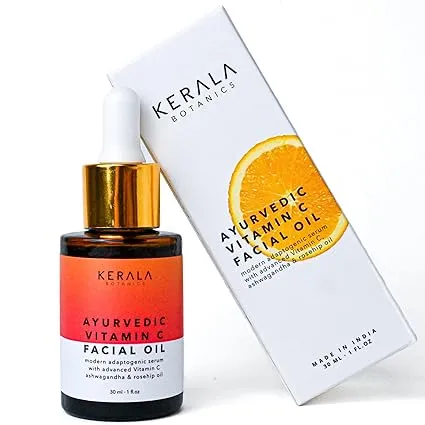
Ayurvedic Vitamin C Face Oil
Kerala Botanics
$49
★★★★☆
Apply vitamin C in the morning under sunscreen. The antioxidant protection helps prevent new PIH formation while treating existing spots.
Chemical Exfoliation: Accelerating Turnover
Alpha hydroxy acids (AHA) and beta hydroxy acids (BHA) speed up cell turnover, helping melanin-loaded skin cells shed faster. Glycolic acid penetrates deepest, while lactic acid offers gentler exfoliation for sensitive skin.
Start with 2-3 times per week and build tolerance gradually. Over-exfoliation will create new inflammation and potentially worsen PIH. Your skin should feel smooth, not raw or tight.
Salicylic acid works differently — it’s oil-soluble, so it penetrates into pores and helps prevent the breakouts that cause PIH in the first place. It’s particularly effective for those dealing with active acne alongside existing hyperpigmentation.
Prescription-Strength Options
Hydroquinone remains the most effective topical for PIH, but it requires careful use. The 2% over-the-counter concentration works, but 4% prescription formulations show faster results. Most dermatologists recommend 3-month cycles with breaks to prevent rebound hyperpigmentation.
Tretinoin accelerates everything — cell turnover, collagen production, and PIH fading. It pairs exceptionally well with hydroquinone, which is why many prescription treatments combine both. The tretinoin adjustment period requires patience, but the long-term benefits extend far beyond hyperpigmentation.
PIE Treatment: Calming Inflammation and Supporting Healing
PIE treatment focuses on reducing inflammation and supporting the skin’s natural healing process. The dilated capillaries need time to return to normal size, and anti-inflammatory ingredients can accelerate this process.
Niacinamide: The Multi-Tasker
Niacinamide (vitamin B3) reduces inflammation, strengthens the skin barrier, and has mild brightening effects. It’s one of the few ingredients that helps both PIH and PIE, making it valuable for anyone dealing with mixed hyperpigmentation.
The 5-10% concentration range offers the best results without irritation. Higher percentages don’t provide additional benefits and may cause flushing in sensitive individuals. Our complete niacinamide guide covers application timing and combinations.
Azelaic Acid: The Gentle Alternative
Azelaic acid combines anti-inflammatory properties with mild exfoliation and melanin inhibition. It’s particularly effective for PIE because it reduces the inflammatory response that keeps those capillaries dilated.
The Ordinary’s 10% suspension provides an affordable entry point, though the silicone base can feel heavy under makeup. Prescription 15-20% formulations work faster but require a dermatologist visit.
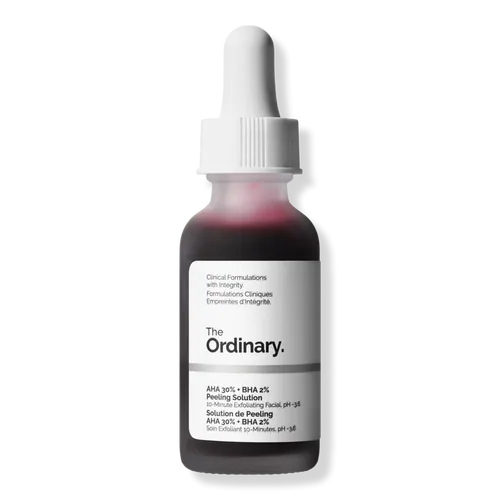
Azelaic Acid Suspension 10%
The Ordinary
$8
★★★½☆
Apply azelaic acid at night, starting every other evening and building to daily use as tolerated. It can be combined with most other actives, making it easier to integrate into existing routines.
Centella Asiatica and Healing Botanicals
Centella asiatica has been used for wound healing for centuries, and modern research confirms its anti-inflammatory and collagen-supporting properties. It won’t dramatically speed PIE fading, but it creates a better environment for healing.
Look for products containing asiaticoside, madecassoside, and other centella derivatives rather than just centella extract. The concentrated compounds show stronger effects in studies.
Advanced Treatments: When Topicals Aren’t Enough
Some PIH and PIE won’t respond adequately to topical treatments alone. This is especially true for deep, long-standing hyperpigmentation or extensive PIE coverage.
Professional Chemical Peels
In-office peels use higher acid concentrations than home treatments, providing more dramatic exfoliation for stubborn PIH. Glycolic, lactic, and TCA peels can significantly accelerate fading, but they require professional application and careful aftercare.
PIE doesn’t respond as well to chemical peels since the issue isn’t in the skin’s surface layers. Light peels may help by reducing overall inflammation, but they won’t address the underlying vascular component.
Laser and Light Therapies
Lasers target PIH and PIE through different mechanisms. Q-switched lasers break up melanin deposits for PIH treatment, while vascular lasers (like pulsed dye laser) target the dilated blood vessels causing PIE.
Both treatments can be highly effective but require multiple sessions and carry risks of post-inflammatory hyperpigmentation themselves — particularly in darker skin tones. Always choose a provider experienced with your skin type.
Tranexamic Acid: The Emerging Option
Tranexamic acid inhibits melanin production through a different pathway than vitamin C or hydroquinone. It’s particularly effective for melasma and hormonally-driven hyperpigmentation, with some evidence for general PIH improvement.
The INKEY List offers an affordable topical tranexamic acid treatment that can be layered with other actives. Our tranexamic acid guide covers the research and application methods.
The INKEY List Tranexamic Acid Night Treatment
The INKEY List
$15
★★★★☆
Building an Effective Treatment Routine
Most people try to use every brightening ingredient at once and wonder why their skin rebels. Effective hyperpigmentation treatment requires patience and strategic layering.
Morning Routine Foundation
Start with vitamin C for antioxidant protection and melanin inhibition. Follow with niacinamide if you’re dealing with mixed PIH and PIE. Always finish with broad-spectrum SPF 30 or higher — UV exposure will undo months of treatment progress.
The morning routine structure remains cleanser, treatment serums, moisturizer, sunscreen. Don’t complicate it with too many actives.
Evening Treatment Strategy
Alternate between exfoliating acids (for PIH) and anti-inflammatory treatments (for PIE) rather than using everything nightly. A typical week might look like:
- Monday/Wednesday/Friday: AHA or BHA
- Tuesday/Thursday/Saturday: Azelaic acid or niacinamide
- Sunday: Recovery night with just cleanser and moisturizer
This approach prevents over-treatment while maintaining consistent active ingredient exposure. Your skin needs time to respond and recover between treatments.
The Long Game
PIH typically shows initial improvement in 6-8 weeks with significant fading over 3-6 months of consistent treatment. PIE moves slower — expect 6-12 months for substantial improvement, with some stubborn marks taking longer.
Document your progress with photos taken in consistent lighting. Day-to-day changes are invisible, but month-to-month progress becomes obvious when you can compare images side by side.
What Actually Works vs What Doesn’t
The supplement industry loves promising internal solutions for hyperpigmentation. Glutathione, vitamin C pills, and collagen powders have minimal impact on existing PIH or PIE. Topical glutathione shows more promise, but the research remains limited.
DIY treatments like lemon juice or baking soda scrubs can worsen hyperpigmentation by creating additional inflammation. The acid in citrus can also increase photosensitivity, leading to more sun damage.
Professional treatments work, but they’re not magic. Even the most aggressive laser sessions require multiple appointments and months of healing. Anyone promising to eliminate hyperpigmentation in weeks is selling unrealistic expectations.
Putting It All Together
Treating hyperpigmentation effectively starts with accurate diagnosis. Use the glass test to distinguish PIH from PIE, then choose ingredients that target your specific type of discoloration.
For PIH, focus on vitamin C, chemical exfoliation, and consideration of prescription options like hydroquinone or tretinoin. PIE responds better to anti-inflammatory ingredients like niacinamide and azelaic acid.
Layer treatments strategically rather than using everything at once. Start with one active ingredient, build tolerance over 4-6 weeks, then add a second if needed. Proper layering technique prevents irritation that can worsen hyperpigmentation.
Most importantly, maintain realistic expectations. Hyperpigmentation fading is measured in months, not weeks. Consistency with proven ingredients beats constantly switching products every few weeks. Your skin needs time to respond — give it that time.