
Ingredients
Glutathione for Skin: Oral, Topical, and the IV Drip Question
The truth about glutathione for skin: what works, what doesn't, and why IV drips aren't the miracle you've been promised.
Disclosure — This article may contain affiliate links. We earn a small commission at no extra cost to you when you purchase through our links. This supports our ability to create independent, evidence-based skincare content.
Glutathione is having a moment. Thanks to K-beauty brands like TIRTIR and the endless parade of celebrities getting IV drips, everyone’s suddenly obsessed with this “master antioxidant.” But here’s what no one’s telling you: most glutathione products don’t work the way you think they do.
The science is messier than the marketing suggests. Oral bioavailability is questionable at best. Topical formulations face serious stability issues. And those expensive IV drips? They come with risks nobody talks about.
Let me walk you through what glutathione actually does, which forms might be worth your money, and why that $200 IV session might not be the glow-up you’re expecting.
What Glutathione Actually Does in Your Skin
Glutathione is a tripeptide — basically three amino acids linked together. Your body makes it naturally, and it’s genuinely important. It neutralizes free radicals, helps recycle other antioxidants like vitamin C, and plays a role in melanin production.
The melanin part is why everyone’s excited. Glutathione can inhibit tyrosinase, the enzyme that kicks off melanin synthesis. In theory, this could lead to brighter, more even skin tone. The key phrase there? In theory.
Your skin already contains glutathione. The question is whether adding more from the outside actually makes a difference. And that’s where things get complicated.
The Oral Glutathione Problem
Here’s the issue with glutathione supplements: your digestive system doesn’t care about your skincare goals. When you swallow a glutathione capsule, it hits your stomach acid and gets broken down into its component amino acids. By the time those pieces reach your bloodstream, they’re not glutathione anymore.
Some studies suggest that high doses — we’re talking 500mg or more daily — might lead to small increases in blood glutathione levels. But “small increases” and “noticeable skin changes” are very different things.
The research on oral glutathione for skin lightening is limited and mixed. A few small studies showed modest improvements in skin brightness after 12 weeks of supplementation, but the results were subtle. Not “I woke up glowing” subtle. More like “my mom said I look well-rested” subtle.
If you want to try oral glutathione anyway, look for reduced glutathione or liposomal formulations. They’re supposedly better absorbed, though the evidence is still thin.

Glutathione
Thorne
$46
★★★★☆
Thorne’s version uses reduced glutathione and third-party testing. It’s not magic, but if you’re set on trying oral glutathione, this is a solid choice. Just manage your expectations.
For a more budget-friendly option, Healthy Origins uses Setria glutathione, which has some clinical backing for absorption.
Setria Glutathione
Healthy Origins
$32
★★★★☆
Topical Glutathione: The Stability Challenge
Topical glutathione sounds more promising in theory. You’re putting the ingredient directly on your skin, skipping the whole digestion problem. But glutathione is notoriously unstable. It breaks down when exposed to light, air, and pretty much anything else.
Most cosmetic formulations use glutathione derivatives or precursors instead of pure glutathione. These are more stable but less potent. It’s a trade-off between shelf life and effectiveness.
The TIRTIR Vita-C Glutathione Spotlight Ampoule that’s all over TikTok? It combines glutathione with vitamin C and niacinamide. Smart formulating — the vitamin C can help stabilize the glutathione, while niacinamide provides its own brightening benefits.

Vita-C Glutathione Spotlight Ampoule
TIRTIR
$28
★★★★☆
The texture is lightweight and layers well under other products. Does it deliver dramatic results? No. But it’s a pleasant addition to a brightening routine, especially if you’re already using vitamin C and niacinamide.
For a more comprehensive approach to antioxidant protection, consider products that support your skin’s natural glutathione production instead of trying to add it topically. Ingredients like snail secretion filtrate contain naturally occurring antioxidants and growth factors that work synergistically.
Advanced Snail 96 Mucin Power Essence
COSRX
$25
★★★★☆
This cult-favorite essence doesn’t contain glutathione directly, but snail mucin naturally contains antioxidants and peptides that support skin barrier function. It’s more proven than standalone glutathione products and plays well with other actives. Read our complete guide to snail mucin for the full breakdown.
The IV Glutathione Controversy
Let’s talk about glutathione IV drips. They’re expensive, time-consuming, and marketed as the ultimate skin brightening treatment. Celebrities swear by them. Med spas are popping them up everywhere. But here’s what you need to know before you book that appointment.
IV glutathione does bypass the digestive system, so you’re getting the full dose directly into your bloodstream. Blood levels definitely increase — that part works. But higher blood glutathione doesn’t automatically translate to better skin.
The few studies on IV glutathione for cosmetic purposes used high doses administered multiple times per week for several months. Even then, results were modest and took months to appear. We’re not talking about overnight transformation.
More importantly, IV treatments aren’t risk-free. You’re dealing with needles, potential infections, and the possibility of adverse reactions. Some people experience nausea, cramping, or skin rashes. There have been reports of more serious complications, though they’re rare.
The FDA hasn’t approved glutathione injections for cosmetic use. Most of what’s happening in med spas is off-label use, which means less oversight and standardization.
What Actually Works for Brighter Skin
If your goal is more radiant, even-toned skin, you have better options than glutathione. Ingredients with stronger evidence and better formulation stability.
Vitamin C remains the gold standard for antioxidant protection and brightening. Unlike glutathione, we have decades of research showing that topical vitamin C can improve skin tone and reduce hyperpigmentation. The key is choosing a stable formulation.
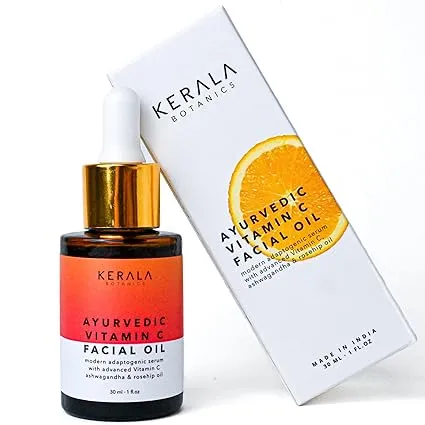
Ayurvedic Vitamin C Face Oil
Kerala Botanics
$49
★★★★☆
This oil uses a stable form of vitamin C that stays active in skin cells longer than traditional L-ascorbic acid. The oil format bypasses the water stability issues that plague most vitamin C serums. Plus, the bakuchiol provides gentle retinol-like benefits without irritation. It’s a more reliable approach to brightening than chasing the latest glutathione trend.
Niacinamide is another proven brightening ingredient. It works through different pathways than vitamin C and is much more stable in formulations. You can use both together for complementary benefits.
For more serious hyperpigmentation, ingredients like kojic acid, arbutin, or hydroquinone (with dermatologist supervision) have stronger clinical backing than glutathione.
The Bottom Line on Glutathione Supplements
Here’s my honest take: if you want to try oral glutathione, go for it. But don’t expect miracles, and don’t choose it over proven alternatives.
The therapeutic dose appears to be at least 500mg daily, taken consistently for at least 12 weeks. That’s not cheap — you’re looking at $50-80 per month for a quality supplement. For that money, you could build an entire skincare routine with ingredients that have stronger evidence.
Consider it a “nice to have” rather than a must-have. Like taking collagen supplements or drinking chlorophyll water — probably not harmful, possibly helpful, definitely not necessary.
Focus on the basics first: consistent sunscreen use, a good vitamin C serum, and gentle exfoliation. These will give you better results than any glutathione supplement.
Making Topical Glutathione Work
If you want to try topical glutathione, look for products that address the stability issues. That means:
Dark or opaque packaging to protect from light. Airless pumps to minimize oxidation. Combination formulas that include stabilizing ingredients like vitamin C or vitamin E.
Use glutathione products at night when possible — they’re more stable without light exposure. Store them in a cool, dark place. And honestly, use them up quickly. Don’t let a glutathione serum sit in your medicine cabinet for six months.
Layer them properly in your routine. Glutathione works best in a low-pH environment, so apply it before higher-pH products. Our guide to layering skincare covers the complete order.
When to Skip Glutathione Entirely
Some people shouldn’t use glutathione supplements at all. If you’re pregnant or breastfeeding, skip it — there’s not enough safety data. Same goes if you’re taking certain medications or have kidney issues.
If you have asthma, be extra cautious with inhaled glutathione (sometimes used in nebulizer treatments). It can trigger bronchospasms in sensitive individuals.
For topical products, patch test first. Some people react to glutathione or the preservatives used in glutathione formulations.
And if you’re dealing with melasma or stubborn hyperpigmentation, see a dermatologist instead of self-treating with supplements. You need a proper diagnosis and treatment plan, not a trendy ingredient.
The Reality Check
Glutathione isn’t going to revolutionize your skin. It’s not a fountain of youth in supplement form. The IV drips aren’t going to give you glass skin in three sessions.
What glutathione might do is provide modest antioxidant support as part of a comprehensive routine. Think of it as a supporting player, not the star of the show.
The real work happens with consistent basics: thorough cleansing, effective actives like retinol or retinaldehyde, religious sunscreen use, and patience with the process.
Your skin’s natural glutathione production is already pretty efficient. Supporting it with a healthy diet, adequate sleep, and stress management might be more effective than any supplement.
Save your money for ingredients with stronger evidence. Your future self will thank you for investing in proven treatments rather than chasing every trending ingredient that promises overnight transformation.
The glutathione hype will eventually fade, replaced by the next miracle ingredient. But good skincare principles — gentle but effective actives, consistent protection, and realistic expectations — never go out of style.