
Acne
Sebaceous Filaments vs Blackheads: You Probably Can't Remove Them
Sebaceous filaments aren't blackheads. Here's what's actually in your pores, why pore strips fail, and what actually reduces their look.
Disclosure — This article may contain affiliate links. We earn a small commission at no extra cost to you when you purchase through our links. This supports our ability to create independent, evidence-based skincare content.
The dots on your nose probably aren’t what you think they are.
Most people look at their pores, see gray or yellowish specks, and conclude they’re full of blackheads. They buy strips, extractors, clay masks, pore-minimizing everything. And nothing really changes. The specks come back within days. The pores look the same.
That’s because most of what you’re seeing isn’t blackheads at all. They’re sebaceous filaments — and they’re supposed to be there.
This is the distinction almost no one explains, and it changes everything about how you approach your pores.
What Sebaceous Filaments Actually Are
Sebaceous filaments are structures. Thin, tube-like linings inside your pores that guide sebum — your skin’s natural oil — from the sebaceous gland to the surface. They exist in every pore that produces oil. You cannot remove them any more than you can remove a blood vessel.
When a pore is functioning normally, a sebaceous filament is essentially invisible. But when sebum, dead skin cells, and other debris fill that channel, it becomes visible as a small gray, off-white, or yellowish dot. On the nose, where pores are largest and oil production is highest, this is most obvious.
Press one, and a white or pale yellow worm-like strand comes out. It’s soft, uniform, and returns within 20–30 days. That’s the sebum column the filament was holding.
This is normal skin doing normal skin things.
What Blackheads Actually Are
Blackheads are a type of acne. Technically, they’re open comedones: a pore that’s become clogged with dead skin cells and sebum, oxidized by exposure to air. The black color isn’t dirt — it’s melanin reacting with oxygen.
Blackheads are harder, darker, and more defined than sebaceous filaments. They sit in the pore rather than lining it, and they don’t come back uniformly or on a predictable schedule the way filaments do. They also tend to be more isolated — one or two in an area rather than a uniform pattern across the nose.
Here’s a quick way to tell them apart:
- Color: Sebaceous filaments are gray, off-white, or pale yellow. Blackheads are distinctly dark brown or black.
- Pattern: Filaments appear in a consistent pattern across an entire zone (usually the nose or chin). Blackheads appear individually.
- After extraction: Filaments return within weeks. Blackheads, properly extracted, take longer to return — and may not come back if the underlying cause is addressed.
- Texture: Filament contents are soft. Blackheads can feel more solid.
If your “blackheads” are spread uniformly across your entire nose and reappear within a month no matter what you do, they were always filaments.
Why Pore Strips Don’t Work
Pore strips feel satisfying. Peel one off, look at all the stuff stuck to it — convincing, right?
What you’re actually seeing is mostly filament contents: the soft sebum columns that were sitting in those pores. Some dead skin cells, maybe some vellus hair. Not blackheads. Not permanently removed anything.
Biore Deep Cleansing Charcoal Pore Strips
Biore
$11
★★★½☆
The sebum refills. The filaments reform. You’re back to where you started in three to four weeks, sometimes less. And if you use strips too often, you’re removing the top layer of skin along with that satisfying gunk — which disrupts the barrier and can actually trigger more oil production in response.
This is also true of clay masks used as daily treatments, aggressive manual extractors used at home, and most “pore vacuum” tools that lack the right pressure calibration. Temporary clearance is not the same as any meaningful change.
What You Can Actually Do
The honest answer: you can minimize the appearance of sebaceous filaments, but you cannot eliminate them. Anyone promising otherwise is selling something.
That said, there’s a meaningful difference between “I can’t do anything” and “they have to look like this.” With the right approach, filaments become far less visible. The pores look cleaner and tighter. The goal just needs to shift from removal to management.
Salicylic Acid: The One Ingredient Worth Using
Salicylic acid is oil-soluble, which means it can actually penetrate into a pore — not just sit on the surface. At 1–2%, used consistently, it breaks down the debris inside the pore and reduces how visible filaments appear. It also genuinely helps with blackheads.
It’s not dramatic. It’s not instant. But it’s the most evidence-backed topical option for this specific problem. Used a few times a week (or daily if your skin tolerates it), it keeps pores clearer without stripping the barrier.
Paula’s Choice 2% BHA is the most commonly recommended because the formula is stable, fragrance-free, and genuinely effective. It’s not the only good option, but it’s the benchmark everything else gets compared to.
Paula's Choice Skin Perfecting 2% BHA Liquid Exfoliant
Paula's Choice
$34
★★★★½
For more on how to work exfoliants into a routine without overdoing it, the chemical vs physical exfoliation guide is a useful starting point.
Niacinamide: For Oil Regulation
Niacinamide doesn’t exfoliate the pore. It works further upstream by regulating sebum production and helping to tighten the appearance of pores over time. It’s not going to clear congestion that’s already there, but it’s a solid maintenance ingredient.
Used alongside salicylic acid — not necessarily in the same step, just in the same routine — it helps slow down how quickly pores refill.
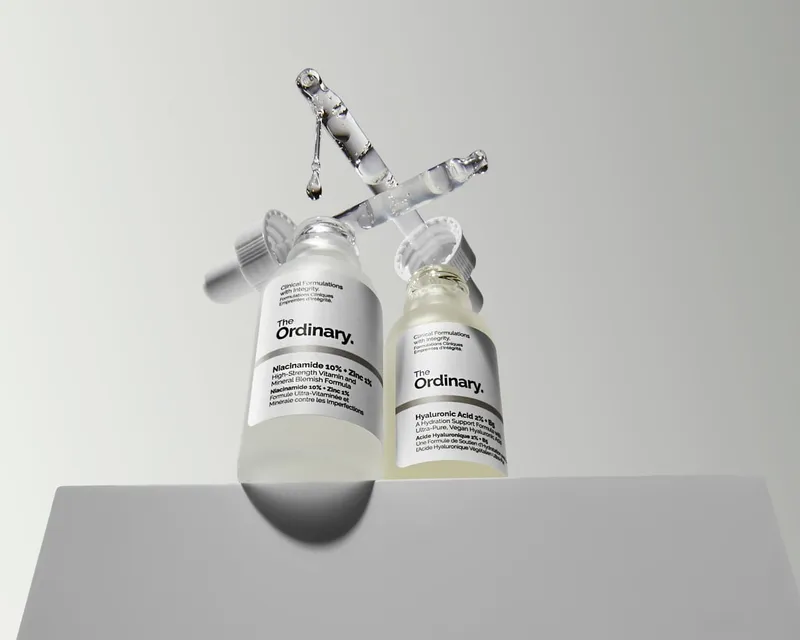
The Ordinary Niacinamide 10% + Zinc 1%
The Ordinary
$6
★★★★½
The niacinamide complete guide covers the evidence in more depth if you want to understand exactly what it’s doing.
Retinoids: The Longer Game
Retinol and its stronger cousins (retinaldehyde, tretinoin) normalize skin cell turnover, which reduces how much dead skin accumulates in pores. Over months of consistent use, many people notice their pores look smaller and less congested. This is slow, and the first few weeks come with adjustment. But it’s genuinely effective in a way that most topicals aren’t.
If you’re not ready for a retinoid, or if your skin doesn’t tolerate them well, bakuchiol is a plant-based alternative with some early evidence for similar pore-refining effects — without the irritation. Bakuchiol vs retinol breaks down where the research currently stands.
Double Cleansing: If You’re Wearing SPF or Makeup
Sebaceous filaments become more visible when oil mixes with sunscreen, makeup, and environmental debris throughout the day. A proper first cleanse with an oil-based cleanser before your water-based cleanser removes that layer fully. It’s not a treatment, but it means the pore congestion you’re actually working with is internal — not a mix of internal and product buildup.
The double cleansing guide explains when this step is worth adding and when it isn’t.
What Not To Do
A few things that seem logical but make the situation worse:
Don’t over-exfoliate. Using BHA every day, plus a physical scrub, plus a glycolic toner is too much. You’ll disrupt the barrier, trigger sensitivity, and possibly spike sebum production. The pores will look worse. Pick one exfoliant and use it consistently — that’s enough. See over-exfoliation signs and recovery if you’ve already gone too far.
Don’t try to squeeze filaments manually at home. Uniform squeezing across the nose doesn’t target blackheads — it pushes on normal pore structures and can cause irritation, hyperpigmentation, or broken capillaries. Leave it to a trained esthetician who can actually tell the difference.
Don’t obsess over temporary clearance. If you do extract a sebaceous filament, the empty pore refills. That’s not failure; it’s physiology. Measuring success by whether the pore looks clear immediately after doing something will always feel like a losing game.
The Expectation Problem
Here’s the real issue: the beauty industry has spent decades selling pore “minimizers,” “cleansers,” and “strips” against an outcome that isn’t achievable — completely empty, invisible pores.
Pores don’t open and close with hot and cold water. They don’t permanently shrink. Large pores are largely genetic and structural, influenced by age (skin loses elasticity and pores appear larger) and oil production. The appearance of pores can improve meaningfully with the right approach. Pores themselves are not a problem to fix.
Sebaceous filaments are anatomy. The nose especially — given its pore density and sebaceous gland concentration — will always have some visible filament activity. The question is whether that’s reduced and managed, not whether it’s gone.
Most people, once they understand what they’re actually looking at, find the obsession fades a little. Which is probably the most useful outcome of all.
Putting It All Together
If you’re looking at your pores and feeling frustrated, start here:
- Confirm what you’re dealing with. Uniform gray dots across the nose are almost certainly sebaceous filaments. A single dark, firm spot that appeared recently is more likely a blackhead.
- For filaments: A consistent BHA (salicylic acid, 1–2%) a few times a week, paired with niacinamide for oil regulation, will reduce their visibility over time. Don’t expect dramatic results in a week. Give it six to eight weeks.
- For blackheads: Salicylic acid still helps. Retinoids help more. Both work better than strips or extractors.
- Stop using pore strips as a treatment. Occasional use won’t destroy your skin, but it’s not doing anything lasting.
- Let go of the before-and-after standard. The goal is smaller, less congested pores over months — not visibly empty pores on demand.
The nose will always be the nose. The skin will always make sebum. Working with that, rather than against it, is where actual progress happens.