
Acne
Salicylic Acid: How BHA Works and Who Needs It
Salicylic acid is oil-soluble, which changes everything about how it works. Here's how BHA clears pores from the inside, and who actually needs it.
Disclosure — This article may contain affiliate links. We earn a small commission at no extra cost to you when you purchase through our links. This supports our ability to create independent, evidence-based skincare content.
Most exfoliating acids work on the surface. Salicylic acid is the one that doesn’t stay there.
It’s oil-soluble, which sounds like a minor chemistry detail but changes the entire job it can do. Instead of sitting on top of skin and dissolving the glue between dead cells, it slips into the oil inside your pores and cleans out the lining from within. That’s the whole reason it’s the acne ingredient, not just an acne ingredient.
This one is worth understanding properly, because the concentration, the format, and the contact time all matter more than they do with most actives. Get those three things right and it’s one of the lowest-maintenance tools in a breakout-prone routine. Get them wrong and you’re either wasting it or irritating skin that didn’t need to be irritated.
Why Oil Solubility Changes Everything
Glycolic and lactic acid are water-soluble. They work on the surface of the skin, loosening the bonds between dead skin cells so they shed more evenly. That’s useful, but it’s a surface fix.
Salicylic acid is lipophilic — it’s drawn to oil, not water. Pores are full of oil. So while an AHA is still working the top layer, BHA is traveling down into the follicle itself, dissolving the sebum and dead cell buildup that clogs it from the inside. This is why it’s the standard recommendation for blackheads, whiteheads, and the deeper, more stubborn congestion that lives below what you can see.
It’s also mildly anti-inflammatory, related to aspirin at the molecular level. That’s a nice bonus for inflamed, angry breakouts, but it’s not the main event. The main event is the pore-clearing.
For a side-by-side on how BHA stacks up against the other major acne ingredient, our salicylic acid vs. benzoyl peroxide breakdown covers which one to reach for first. And if you’re trying to figure out whether your situation even calls for a chemical exfoliant versus something like a scrub, this guide is the place to start.
The Concentration Range: 0.5% to 2%
Salicylic acid is regulated differently than most actives — the FDA caps over-the-counter formulas at 2%. That’s also, conveniently, close to the upper limit of what’s useful for most people.
0.5–1%: This is the gentle end. Think cleansers, toners, and some leave-on treatments aimed at maintenance rather than active breakouts. It’s a reasonable place to start if you’ve never used BHA, or if your skin runs sensitive.
2%: This is the workhorse concentration — what you’ll find in most serious acne products, from the Paula’s Choice liquid to The Ordinary’s offerings. It’s strong enough to actually clear congestion, and still well tolerated by most skin types used a few times a week.
Higher doesn’t mean better here. Professional peels can go up to 20–30% for in-office use, but at home, 2% is the ceiling for a reason. Past that, you’re not getting meaningfully clearer pores — you’re just getting more irritation.
Skin Perfecting 2% BHA Liquid Exfoliant
Paula's Choice
$36
★★★★½
This one’s become something of a bathroom-cabinet standard for a reason. It’s a thin, water-based liquid at the full 2% concentration, no added fragrance, no scrub particles. You apply it with a cotton pad after cleansing and let it sit. Nothing fancy — it just works, consistently, which is most of what you want from an acid.
Leave-On vs. Cleanser: Contact Time Is the Whole Story
This is where most people get it wrong, and it’s worth slowing down on.
A cleanser only touches your skin for 30 to 60 seconds before it gets rinsed off. That’s not enough time for salicylic acid to meaningfully penetrate a pore — by the time it starts working, it’s already down the drain. A BHA cleanser can still help a little, mostly by keeping surface buildup in check, but it is not doing the deep pore-clearing work the ingredient is known for.
A leave-on product — a liquid, essence, or serum you apply and don’t rinse off — gives salicylic acid the time it actually needs. We’re talking minutes to hours of contact, which is what lets it travel into the follicle and do something.
If you want BHA for actual pore-clearing, it needs to be a leave-on step. A BHA cleanser is a nice-to-have, not a replacement.
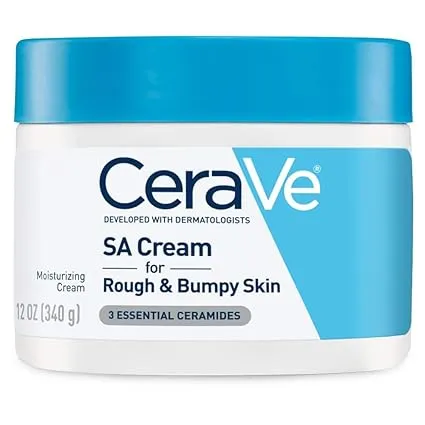
SA Smoothing Cleanser
CeraVe
$17
★★★★½
This is a solid example of what a BHA cleanser is actually for — it’s formulated with ceramides and niacinamide alongside the salicylic acid, and it’s gentle enough for daily use on rough, bump-prone skin. Just don’t expect it to clear deep congestion on its own. Think of it as supporting the leave-on product, not standing in for it.
If you’re building out a full routine and want to know exactly where a BHA step fits relative to everything else, our guide on layering order walks through it step by step.
Who Actually Needs This
Not everyone does, and that’s worth saying plainly.
- People with blackheads, whiteheads, or textured, congested pores. This is BHA’s home turf. If your main issue is clogged follicles rather than inflamed cystic breakouts, salicylic acid is often the single most effective thing you can add.
- Oily and combination skin. The oil solubility works in its favor here — there’s more sebum for it to dissolve into and travel through.
- People dealing with enlarged pore appearance tied to buildup, not genetics. It won’t shrink pores structurally, but keeping them clear does make them look smaller. This piece on pores gets into what can and can’t actually change.
Who can probably skip it: dry or very sensitive skin without active congestion, and anyone whose main concern is textured blackheads called sebaceous filaments rather than true clogged pores — they’re not the same thing, and BHA won’t make them disappear.
If breakouts are confined to the chin and jawline and follow a monthly pattern, that’s often hormonal rather than purely congestion-driven, and salicylic acid alone usually won’t be enough. Our hormonal acne guide covers what else needs to be in the mix.
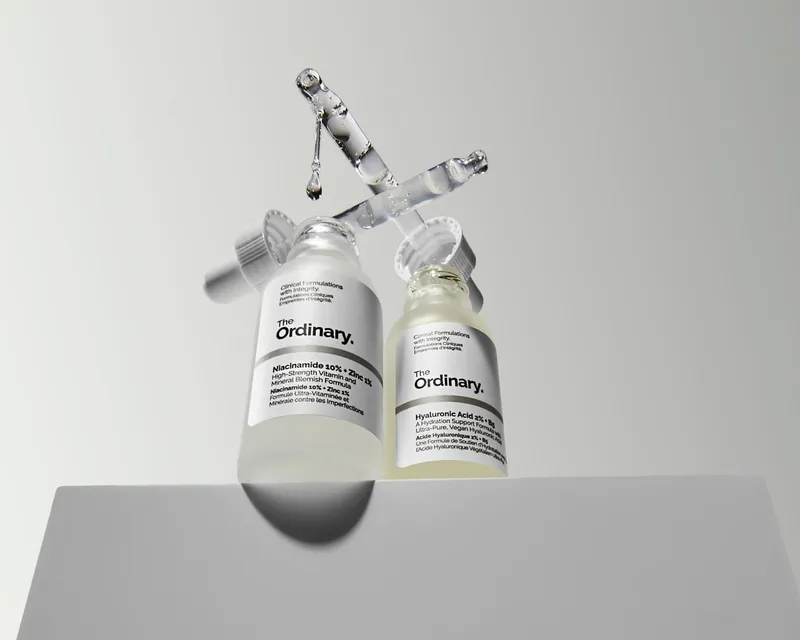
Salicylic Acid 2% Masque
The Ordinary
$17
★★★★☆
This is a clay-based mask rather than a daily liquid, which makes it a lower-commitment way to try BHA at full strength. It’s a once or twice a week treatment rather than a routine fixture, which suits people who want the deep-clean effect without adding another daily step.
The Pregnancy Question
This is where salicylic acid gets more complicated, and the caution is worth taking seriously rather than dismissing as internet paranoia.
Salicylates — the family of compounds salicylic acid belongs to, which also includes aspirin — are generally advised against during pregnancy, particularly in high doses or oral form. Oral aspirin crosses the placenta and has documented risks. Topical salicylic acid is a different exposure level entirely, and low-concentration leave-on products are generally considered to carry minimal risk.
That said, most obstetricians and dermatologists still recommend skipping higher-strength leave-on BHA treatments during pregnancy and sticking to rinse-off products with low concentrations, if you use it at all. The data on topical absorption isn’t as robust as anyone would like, and when the stakes include a developing fetus, the standard advice leans conservative rather than permissive.
Practically, that means:
- Skip leave-on 2% BHA treatments during pregnancy.
- A BHA cleanser at low concentration is generally considered lower risk, but check with your OB.
- Azelaic acid and lactic acid are the more commonly recommended alternatives for pregnancy-safe exfoliation and acne control.
If you’re building a full pregnancy-safe routine and want to know what to swap in for your other actives too, this guide on pregnancy-safe brightening and this one on a complete pregnancy-safe glow routine are both worth reading before you overhaul anything.
How to Add It Without Overdoing It
Salicylic acid is forgiving compared to retinoids, but it’s still an acid, and the same over-exfoliation risks apply if you get greedy with frequency.
Start three times a week with a 2% leave-on product, applied after cleansing and before moisturizer. If skin tolerates it well after two weeks — no excess dryness, no new sensitivity — you can move to every other day. Daily use works for some oily, resilient skin types, but it’s not the default, and it’s not necessary for most people to see results.
Watch for the signs that you’ve pushed too far: tightness that doesn’t ease up, a rough or flaky texture, or breakouts that seem to be getting worse rather than better. If any of that shows up, pull back to twice a week and let skin recalibrate. Our guide on over-exfoliation covers what recovery actually looks like if you’ve gone too hard.
Don’t stack it with retinoids or other acids on the same night when you’re starting out. Pick a lane — BHA night, retinoid night — and let the routine stay simple while your skin adjusts.
Putting It Together
Salicylic acid earns its reputation because of what it’s uniquely built to do: get into the oil inside a clogged pore and clear it from the inside, not just smooth what’s sitting on top. That’s a different job than an AHA does, and it’s why the two aren’t interchangeable.
The concentration ceiling of 2% is already calibrated for home use — more isn’t the goal. The format matters just as much as the percentage: a cleanser is a quick pass, a leave-on is where the actual work happens. And if you’re pregnant, this is one ingredient worth running by your doctor rather than guessing.
Used at the right strength, in the right format, a few times a week, it’s one of the steadier tools in an acne routine. No drama, no twelve-step buildup. Just clearer pores, over time.