
Routines
A Pregnancy-Safe Routine for Radiant Skin
Safe skincare ingredients and routines during pregnancy. Avoid retinoids, get glowing skin with bakuchiol, vitamin C oils, and gentle acids.
Disclosure — This article may contain affiliate links. We earn a small commission at no extra cost to you when you purchase through our links. This supports our ability to create independent, evidence-based skincare content.
Pregnancy changes everything about your body — including what you can safely put on your skin. The minute you see those two lines, half your medicine cabinet becomes off-limits. Retinoids are out. High-dose salicylic acid is banned. Even some essential oils get the boot.
Here’s what nobody tells you: building a pregnancy-safe routine doesn’t mean settling for boring skin. You just need to know which ingredients actually work and which swaps will keep you glowing for nine months.
We’ve mapped out a complete routine using only pregnancy-approved ingredients — from gentle cleansing to targeted treatments for melasma and hormonal breakouts. Plus the safe alternatives that perform just as well as the ingredients you’re temporarily giving up.
What to Avoid During Pregnancy
Let’s get the scary stuff out of the way first. These ingredients should be completely avoided during pregnancy and breastfeeding:
Retinoids (all forms): Tretinoin, adapalene, retinol, retinyl palmitate. They’re linked to birth defects, so they’re a hard no. This includes prescription versions and over-the-counter retinol products.
High-dose salicylic acid: BHA peels and treatments over 2% concentration. Small amounts in cleansers are generally considered safe, but check with your doctor.
Hydroquinone: The gold standard for pigmentation, but it has high skin absorption rates that make it risky during pregnancy.
Benzoyl peroxide (high concentrations): Stick to 2.5% or lower if your doctor approves it.
Certain essential oils: Rosemary, sage, and thyme oils should be avoided, especially in the first trimester.
The good news? There are pregnancy-safe alternatives for all of these that actually work.
The Safe Swaps That Actually Work
Instead of retinol: Bakuchiol delivers similar anti-aging benefits through a completely different pathway. It’s plant-derived, pregnancy-safe, and doesn’t cause the irritation that retinoids do.
Instead of hydroquinone: Azelaic acid brightens pigmentation and fights acne without the absorption concerns. It’s naturally produced by yeast and considered safe throughout pregnancy.
Instead of vitamin C serums: Plant-based vitamin C oils offer the same antioxidant protection with better stability. They’re less likely to oxidize and often gentler on sensitive pregnancy skin.
The bakuchiol vs retinol comparison breaks down exactly how the plant-based alternative works — it’s not just marketing hype.
Morning Routine: Protection and Glow
Start each day with this simple four-step routine that protects your skin and maintains that pregnancy glow.
Step 1: Gentle Cleansing
Your skin is more sensitive during pregnancy, so harsh sulfates are off the table. Look for cream or gel cleansers with ceramides that clean without stripping your barrier.
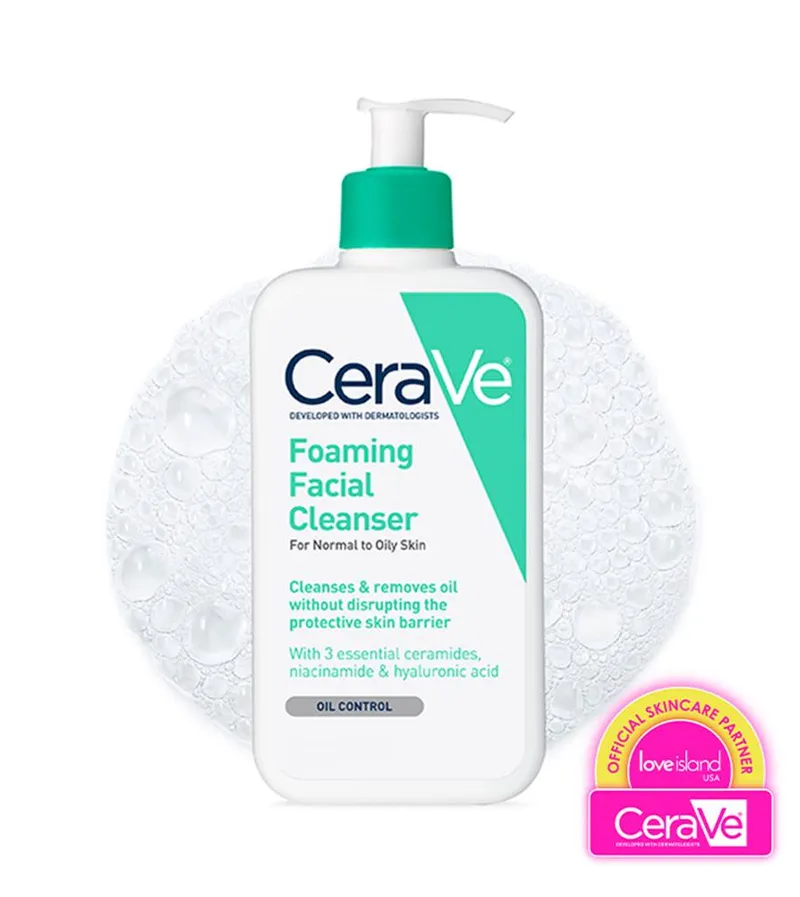
Gentle Skin Cleanser
CeraVe
$15
★★★★☆
This removes overnight buildup without disrupting your skin barrier — crucial when pregnancy hormones are already throwing everything off balance.
Step 2: Antioxidant Treatment
This is where you replace your retinol with something equally effective. Oil-based vitamin C treatments offer antioxidant protection plus the bakuchiol benefits your skin is missing.
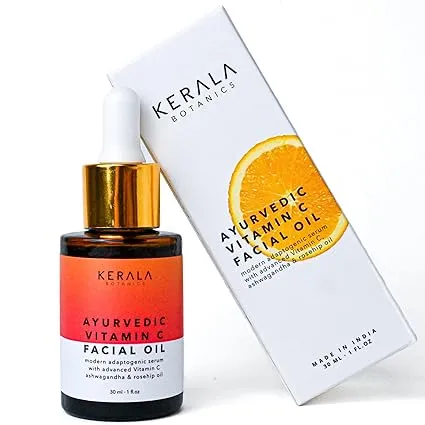
Ayurvedic Vitamin C Face Oil
Kerala Botanics
$49
★★★★☆
The combination of stable vitamin C and bakuchiol gives you brightening plus anti-aging in one step. The oil format is perfect for pregnancy skin that tends to get drier. Plus, the Ayurvedic approach to skincare emphasizes gentle, holistic ingredients — exactly what you want during pregnancy.
Step 3: Lightweight Moisturizer
Even if you use a facial oil, you still need water-based hydration. Look for ceramide-rich formulas that support your changing skin barrier.
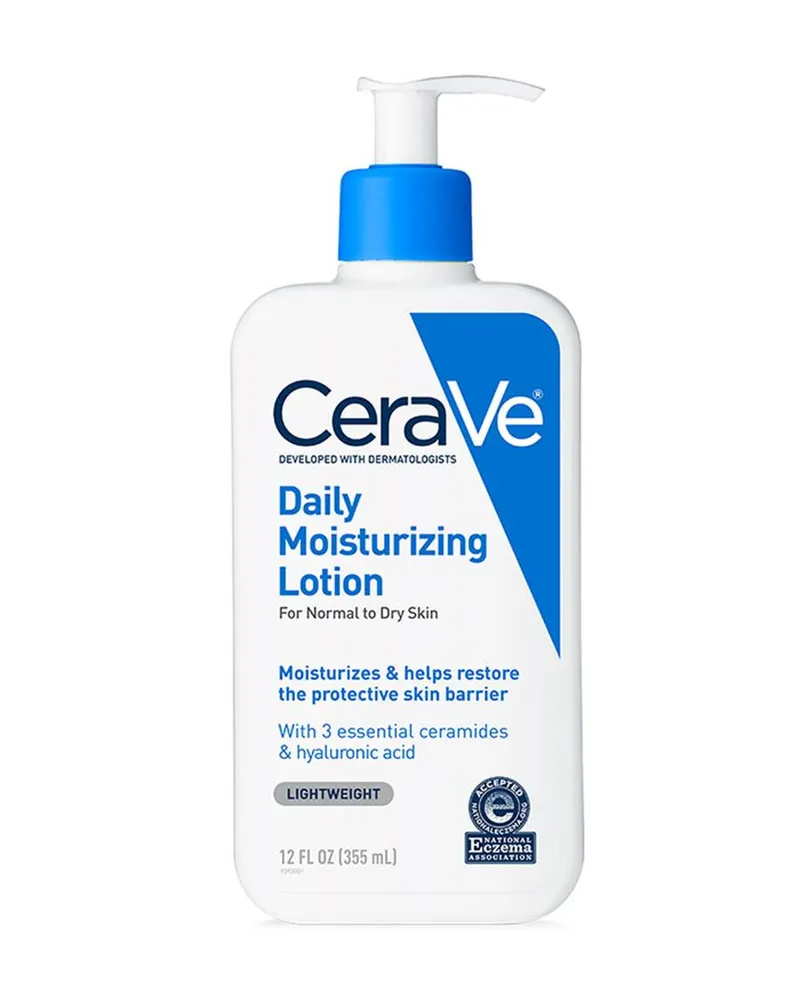
Daily Moisturizing Lotion
CeraVe
$16
★★★★½
The ceramides help maintain barrier function when pregnancy hormones are making everything more reactive.
Step 4: Broad-Spectrum SPF
This is non-negotiable during pregnancy. Melasma risk skyrockets with sun exposure, and pregnancy hormones make your skin more photosensitive.
Anthelios Melt-in Sunscreen SPF 60
La Roche-Posay
$36
★★★★☆
Mineral sunscreens are often recommended during pregnancy, but if they leave too much white cast or feel heavy, chemical filters like this one are generally considered safe. Check our guide on reapplying sunscreen over makeup for midday touch-ups.
Evening Routine: Repair and Treat
Your nighttime routine is where you address specific pregnancy skin concerns — breakouts, sensitivity, and early signs of pigmentation.
Step 1: Double Cleanse (If Needed)
If you wore makeup or sunscreen, start with an oil cleanser, then follow with your morning gentle cleanser. The double cleansing method is especially helpful when pregnancy hormones increase oil production.
Step 2: Treatment for Breakouts or Pigmentation
This is where azelaic acid shines. It’s one of the few pregnancy-safe ingredients that tackles both acne and pigmentation simultaneously.
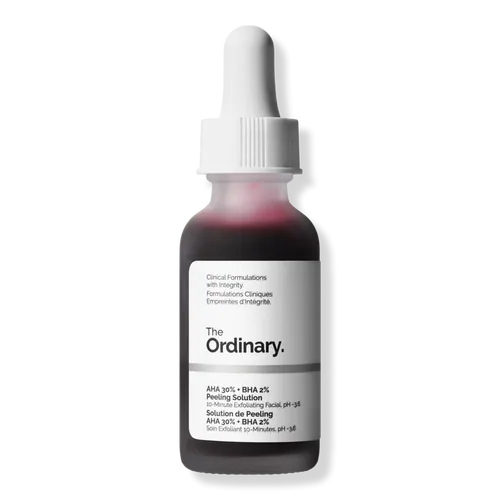
Azelaic Acid Suspension 10%
The Ordinary
$8
★★★★☆
Use this every other night initially. Azelaic acid can cause some initial tingling, but it’s much gentler than the retinoids you’re avoiding. Our best azelaic acid products guide has more options if this formula feels too gritty.
Step 3: Hydrating Essence (Optional)
If your skin feels tight or reactive, add a hydrating step before moisturizer. Snail mucin is pregnancy-safe and incredibly soothing for irritated skin.

Snail 96 Mucin Power Essence
COSRX
$25
★★★★½
The texture takes getting used to, but snail secretion filtrate is loaded with glycoproteins and hyaluronic acid. Perfect for pregnancy skin that’s more sensitive than usual.
Step 4: Rich Night Moisturizer
Use a heavier version of your morning moisturizer, or apply an extra layer. Pregnancy often causes increased water loss through the skin, so you need more occlusive ingredients at night.
Addressing Common Pregnancy Skin Issues
Melasma (Pregnancy Mask)
Those brown patches across your forehead and cheeks are triggered by pregnancy hormones plus sun exposure. Prevention is key — melasma is much easier to prevent than treat.
- Strict sun protection (SPF 30+ daily, even indoors)
- Azelaic acid for gentle brightening
- Vitamin C for antioxidant protection
- Wide-brimmed hats outdoors
Avoid the temptation to use hydroquinone or high-dose vitamin C serums. The gentle approach works, it just takes patience.
Hormonal Breakouts
Pregnancy acne usually appears along the jawline and chin — classic hormonal patterns. Since you can’t use retinoids or high-dose BHA, focus on gentle acids and barrier support.
- Low-dose salicylic acid cleansers (with doctor approval)
- Azelaic acid for anti-inflammatory effects
- Zinc oxide spot treatments
- Avoid over-cleansing, which makes hormonal acne worse
Increased Sensitivity
Everything irritates your skin during pregnancy. Your routine should be as minimal as possible while still addressing your concerns.
- Fragrance-free everything
- Patch test new products on your inner arm first
- Introduce one new product at a time
- Stick to gentle, proven ingredients
The damaged skin barrier guide has more tips for managing reactive skin.
What About Body Skincare?
Don’t forget about the skin below your neck. Pregnancy changes your body dramatically, and your skincare needs to adapt.
Stretch mark prevention: While genetics play a huge role, keeping skin moisturized helps. Look for ceramide-rich body lotions and apply them while your skin is still damp from the shower.
Body breakouts: Chest and back acne often worsen during pregnancy. Use the same gentle approach — salicylic acid body washes (low concentration) and lightweight, non-comedogenic moisturizers.
Sensitive areas: Your chest, underarms, and inner thighs may develop pigmentation changes. Gentle vitamin C oils can help, but avoid harsh scrubs or acids on these delicate areas.
Ingredients to Embrace During Pregnancy
While the “avoid” list gets all the attention, there are plenty of powerful, pregnancy-safe ingredients to build your routine around:
Niacinamide: Reduces inflammation, controls oil production, and brightens pigmentation. Safe at any concentration during pregnancy.
Hyaluronic acid: Holds 1000 times its weight in water. Perfect for pregnancy skin that’s losing moisture faster than usual.
Ceramides: Support your changing skin barrier. Essential when pregnancy hormones are making everything more reactive.
Bakuchiol: The plant-based retinol alternative that delivers real anti-aging results without the risks.
Azelaic acid: Fights acne and pigmentation simultaneously. One of the few ingredients that multitasks this well during pregnancy.
Vitamin C (stable forms): Magnesium ascorbyl phosphate and oil-based vitamin C are gentler than L-ascorbic acid serums.
The complete guide to layering skincare shows you how to combine these ingredients effectively.
When to See a Professional
Some pregnancy skin changes require professional help:
- Severe melasma that doesn’t respond to gentle treatments
- Cystic acne that’s getting worse despite a good routine
- New moles or changes in existing moles
- Persistent irritation or allergic reactions
Many dermatologists offer pregnancy-specific skincare consultations. They can prescribe stronger azelaic acid formulations or recommend safe professional treatments.
Putting It All Together
Pregnancy skincare is about playing the long game. You’re temporarily giving up some powerful ingredients, but you’re not giving up effective skincare.
Your simplified routine should focus on gentle cleansing, safe actives like bakuchiol and azelaic acid, serious sun protection, and barrier support. Skip anything that irritates your skin — pregnancy is not the time to push through sensitivity.
Most importantly, remember that pregnancy skin changes are temporary. That glow everyone talks about is real (increased blood flow and oil production), and the sensitivity will calm down postpartum.
The ingredients you’re avoiding now will be waiting for you later. In the meantime, embrace the gentler approach. Your skin — and your baby — will thank you for it.