
Sunscreen
Does Sunscreen Cause Vitamin D Deficiency?
Does sunscreen cause vitamin D deficiency? We break down the real-world studies, the UVB mechanism, and who actually needs to supplement.
Disclosure — This article may contain affiliate links. We earn a small commission at no extra cost to you when you purchase through our links. This supports our ability to create independent, evidence-based skincare content.
No. At the SPF levels and application amounts people actually use, sunscreen does not cause clinically meaningful vitamin D deficiency. This has been studied directly, not just theorized, and the data keeps landing in the same place.
That’s the short answer. The longer answer is more interesting, because the reason sunscreen doesn’t tank your vitamin D isn’t that the chemistry doesn’t work. It’s that almost nobody applies sunscreen the way the SPF number on the bottle assumes you will. Let’s get into why that matters, and who should actually be paying attention to their vitamin D status regardless.
The Mechanism, Briefly
Vitamin D synthesis happens in your skin when UVB radiation hits a cholesterol derivative called 7-dehydrocholesterol and converts it to previtamin D3. This is a UVB-dependent reaction. UVA, which makes up the bulk of the UV radiation that reaches your skin and causes most of the photoaging we write about on this site, plays no role in the process.
Sunscreen’s entire job is to absorb or reflect UV radiation before it reaches living skin cells, which means in a lab setting, a correctly applied SPF 30 should block around 97% of UVB and, in theory, choke off most previtamin D3 production. That’s the premise behind the concern. It’s also where the lab stops matching real life.
What the Real-World Studies Actually Show
The SPF number on a bottle is calculated using 2 milligrams of product per square centimeter of skin, applied in a controlled lab under UV lamps. Most people apply a fraction of that — studies on habitual sunscreen users consistently find real-world application rates somewhere between a quarter and a half of the tested amount. An SPF 30 applied at half the tested thickness doesn’t give you SPF 15. The relationship isn’t linear, and the practical UVB protection ends up far lower than the label suggests.
That gap is exactly why vitamin D synthesis keeps happening in sunscreen users. A randomized controlled trial out of Australia — a country with aggressive sun safety messaging and genuinely high UV exposure — had participants use SPF 15+ daily for a full summer. Vitamin D levels didn’t drop compared to the control group. Several field studies on outdoor workers and regular sunscreen wearers have found similar results: serum 25-hydroxyvitamin D levels in habitual sunscreen users track closely with non-users, and sometimes even trend slightly higher, likely because people who wear sunscreen also tend to spend time outdoors doing the activities that prompted them to put it on in the first place.
There’s also the question of surface area. Most people apply sunscreen to the face, and maybe the neck and arms, not their entire body. Unprotected skin on the legs, torso, and scalp still produces vitamin D even on a day when you’ve diligently reapplied your facial SPF. A few square inches of UVB-blocked face isn’t enough surface area to meaningfully disrupt whole-body synthesis.
None of this means sunscreen is UVB-proof in practice. It means the real-world protection is “leaky” enough, and intermittent enough, that it isn’t the deciding factor in most people’s vitamin D levels. Diet, latitude, skin tone, time of year, and how much skin you expose matter more.
Who Actually Needs to Worry About Vitamin D
This is the part that gets lost in the “sunscreen causes deficiency” headlines. Vitamin D deficiency is genuinely common — somewhere around 1 in 4 adults in the US has insufficient levels — but sunscreen use isn’t the main driver. A handful of factors matter much more.
Melanin-Rich Skin
Melanin is a natural, broad-spectrum UV filter. It’s great for photoaging and skin cancer risk, but it also slows vitamin D synthesis, sometimes requiring three to six times longer UVB exposure to produce the same previtamin D3 as lighter skin. This is a documented, independent risk factor for deficiency, separate from sunscreen use entirely. If you have deeply pigmented skin, your baseline sun exposure needs for adequate vitamin D are simply higher, sunscreen or not. We’ve covered sun protection for deeper skin tones in more detail here.
Limited Outdoor Time
If you work indoors, commute in a car, and mostly see daylight through a window (glass blocks UVB almost completely), your sun-derived vitamin D synthesis is low no matter what’s in your medicine cabinet. This describes a large share of adults in office jobs, which is probably a bigger contributor to population-level deficiency than any amount of sunscreen.
Northern Latitudes in Winter
Above roughly 35 degrees latitude — this covers most of the continental US, all of the UK, and much of Europe — the sun’s angle in winter is too low for the atmosphere to let meaningful UVB through, regardless of how much skin you expose or whether you’re wearing sunscreen. From roughly November through February in these regions, outdoor vitamin D synthesis essentially shuts off. We get into the seasonal mechanics in our winter sunscreen guide, but the short version is: this is a sun-angle problem, not a product problem.
Older Adults
Skin’s capacity to synthesize previtamin D3 declines with age — some research puts the drop at around 50% by the time someone reaches their 70s, due to thinner skin and less 7-dehydrocholesterol available in the epidermis. Combine that with more time spent indoors and you get one of the highest-risk groups for deficiency, independent of sunscreen habits.
Malabsorption and Certain Medications
Conditions like Crohn’s disease, celiac disease, or a history of bariatric surgery can impair fat-soluble vitamin absorption, including vitamin D. Some medications, including certain anticonvulsants and glucocorticoids, also interfere with vitamin D metabolism. If you fall into this category, sun exposure and sunscreen use are largely beside the point — supplementation and monitoring with your doctor are what actually move the needle.
What To Do Instead of Skipping Sunscreen
Skipping sunscreen to chase vitamin D is a bad trade. UV exposure is the single biggest modifiable risk factor for skin cancer and the primary driver of visible skin aging, and the amount of unprotected sun exposure needed to meaningfully boost vitamin D synthesis is small — minutes, not hours, depending on your skin tone and latitude. You don’t need to burn to make vitamin D, and burning doesn’t make more of it anyway; the reaction saturates well before sunburn sets in.
If you’re worried about your levels, get a blood test. A 25-hydroxyvitamin D serum test is cheap, widely available, and the only way to know where you actually stand rather than guessing based on how much sunscreen you wear.
If a test comes back low, oral supplementation is the more reliable fix — it’s dose-controlled, doesn’t carry skin cancer risk, and works regardless of season or latitude.
Vitamin D3 5000 IU Softgels
NOW Foods
$12
★★★★½
This is a straightforward, third-party-tested D3 supplement at a dose commonly used to correct deficiency under medical guidance. Talk to your doctor about the right dose for you — vitamin D is fat-soluble, which means it’s stored rather than excreted, and megadosing without testing isn’t a good idea.
Meanwhile, keep wearing sunscreen the way it’s meant to be worn: broad-spectrum, SPF 30 or higher, and in the amount that actually matches the label’s testing conditions — about a nickel-sized amount for the face alone, more for the body.
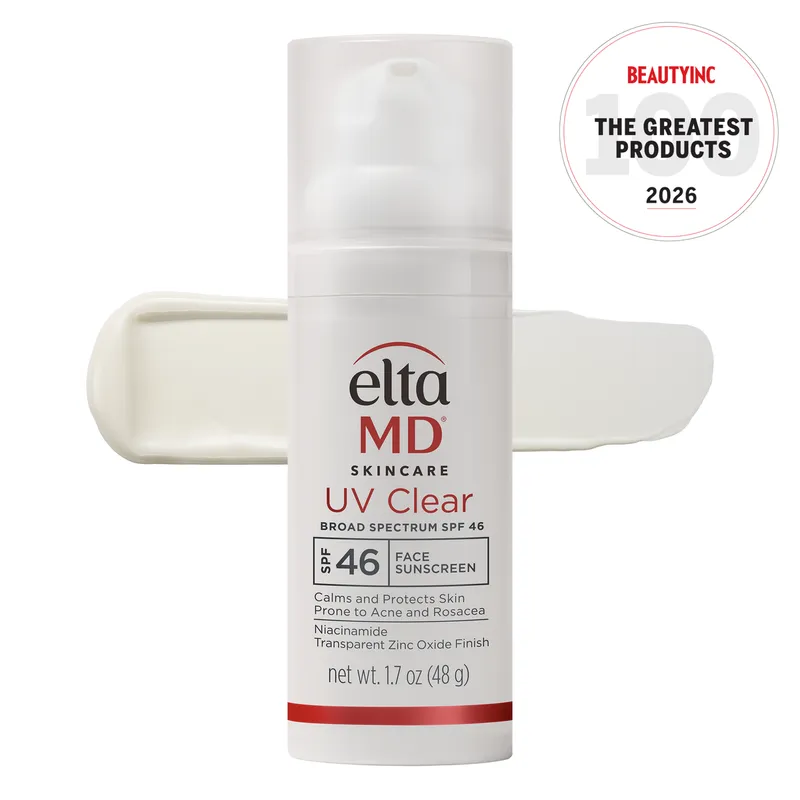
UV Clear Broad-Spectrum SPF 46
EltaMD
$41
★★★★½
For daily wear, a lightweight, broad-spectrum formula you’ll actually reapply beats a high-SPF product you resent putting on. EltaMD’s niacinamide-containing formula is a solid daily pick that doesn’t feel heavy under makeup, and reapplication compliance matters more for UV protection than squeezing out another few SPF points.
Anthelios Melt-In Milk Sunscreen SPF 60
La Roche-Posay
$36.99
★★★★½
If you spend real time outdoors — hiking, running, a day at the beach — a higher SPF milk formula like this one gives you more margin for the application shortfalls almost everyone makes. How you reapply over makeup matters just as much as the initial application, so don’t skip that step on long outdoor days.
Putting It All Together
Sunscreen, applied the way most people actually apply it, isn’t blocking enough UVB to meaningfully tank your vitamin D levels. The controlled studies back this up, and the mechanism — thin application, partial body coverage, inconsistent reapplication — explains why.
The people who genuinely need to think about vitamin D are those with deeply pigmented skin, limited outdoor time, northern winters, older age, or absorption issues — not people who wear SPF. If any of that describes you, get a blood test and talk to your doctor about supplementing. Don’t use it as a reason to skip sunscreen. The skin cancer and photoaging risks from unprotected UV exposure are well established and significant; the vitamin D trade-off, for almost everyone, isn’t.