
Ingredients
Azelaic Acid: The Complete Guide
Azelaic acid treats rosacea, acne, and pigmentation in one molecule. Here's how to choose a strength, handle the texture, and stack it right.
Disclosure — This article may contain affiliate links. We earn a small commission at no extra cost to you when you purchase through our links. This supports our ability to create independent, evidence-based skincare content.
Most ingredients do one thing well. Azelaic acid does three: it calms rosacea redness, clears acne, and fades pigmentation. Same molecule, same bottle. That’s rare enough that it’s worth understanding properly instead of just tossing it into a routine and hoping.
It’s also one of the few actives considered safe in pregnancy, which makes it useful well beyond its original job as a rosacea treatment. Here’s what it actually does, what strength you need, and the one textural complaint almost everyone has about it.
What Azelaic Acid Actually Does
Azelaic acid occurs naturally in grains like wheat, rye, and barley, but the stuff in your serum is made in a lab. It works through a few separate mechanisms, which is why it covers so much ground.
- Anti-inflammatory. It calms the redness and bumps associated with rosacea, which is its original, FDA-approved use.
- Antibacterial. It targets C. acnes, the bacteria behind inflammatory acne, without the resistance concerns that come with antibiotics.
- Tyrosinase inhibitor. It slows melanin production, which fades dark spots and evens out tone over time.
That combination is why dermatologists reach for it so often on rosacea-prone, acne-prone, and post-inflammatory hyperpigmentation at the same time — a pattern that’s more common than people think. If that’s your skin, read our rosacea-friendly routine guide alongside this one, and our hyperpigmentation treatment guide for the fading side of things.
One thing azelaic acid won’t do: brighten skin that isn’t actually discolored. It’s a corrective, not a glow-adder. If your skin tone is already even, you probably don’t need it.
10% OTC vs. 15–20% Prescription
This is where most of the confusion lives, so let’s clear it up.
10% is the over-the-counter strength, found in products like The Ordinary’s suspension and Paula’s Choice’s booster. It’s effective for mild acne, early pigmentation, and general redness management. For most people, this is where to start and often where to stay.
15% and 20% are prescription strength, sold under names like Finacea (15% gel) and Azelex (20% cream). These are FDA-approved specifically for rosacea and acne, and the higher concentration does more — faster fading, stronger anti-inflammatory effect — but also more irritation, at least at first.
- If you’re dealing with persistent rosacea or stubborn inflammatory acne, ask a dermatologist about the prescription option. Insurance often covers it.
- If you’re managing mild breakouts or working on post-acne marks, 10% is enough. There’s good evidence behind it, and you don’t need a prescription to get real results.
- Don’t assume more is better. A 20% cream on skin that’s never seen azelaic acid before is a rough introduction. Build up.
10% Azelaic Acid Booster
Paula's Choice
$42
★★★★½
This one’s formulated to be layered into a moisturizer or used on its own, and it skips the silicone-heavy base some azelaic acid products lean on. It’s a solid middle ground if The Ordinary’s version feels too bare-bones for your skin.
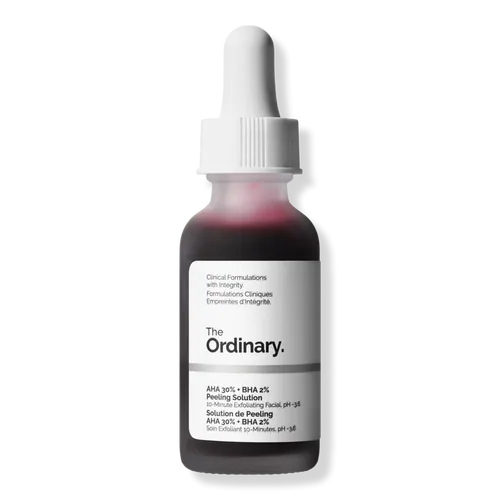
Azelaic Acid Suspension 10%
The Ordinary
$9.80
★★★★☆
At under $10, this is the easiest way to test whether azelaic acid works for your skin before spending more. It’s thicker and more matte-finish than most serums, which brings us to the part everyone complains about.
The Gritty Texture Problem
Azelaic acid doesn’t fully dissolve in most formulas. That’s not a flaw — it’s chemistry. The result is a texture that feels slightly grainy or chalky going on, like a very fine sand got mixed into your moisturizer.
This surprises people who expect a serum to glide on smooth. It won’t. A few things make it easier to live with:
- Apply to slightly damp skin. The grain smooths out faster and the sensation disappears within a minute or two.
- Press, don’t rub. Rubbing drags the texture around longer than it needs to be there. Pat it in and move on.
- Layer something on top. A moisturizer or face oil applied right after will finish smoothing anything left behind.
If the texture still bothers you after a few tries, it’s not a sign the product is wrong for your skin — it’s just a format quirk. The result, not the feel, is what to judge it on. Give it two weeks before deciding whether it’s worth the minor inconvenience.
Pregnancy Safety
Azelaic acid is one of the few actives that’s genuinely fine during pregnancy and breastfeeding. It’s classified as safe by most OB-GYNs and dermatologists, unlike retinoids, which are off the table, and higher-strength salicylic acid, which usually gets a pass only at low, occasional use.
This makes azelaic acid one of the few multitaskers available to pregnant skin dealing with melasma, hormonal acne, or both at once — a combination that shows up constantly in the second and third trimesters.
For a broader pregnancy-safe approach to brightening, our guide on pairing vitamin C and bakuchiol covers the other half of the routine — azelaic acid handles the acid side, vitamin C and bakuchiol round out antioxidant and retinoid-adjacent needs without the risk.
Stick to the 10% OTC strength during pregnancy unless a doctor has specifically prescribed the higher concentration. There’s no evidence the stronger version is unsafe, but there’s also no reason to use more than you need.
Stacking With Niacinamide
Azelaic acid and niacinamide are one of the better-supported combinations in skincare, and also one of the calmest. Neither ingredient destabilizes the other, and together they cover more ground than either does alone — niacinamide calms and supports the barrier while azelaic acid does the corrective work.
- Order matters less than people think. Apply whichever feels thinner first, then layer the other. Both are forgiving about sequence.
- Same routine is fine. You don’t need to split them into AM and PM like you would with retinol and vitamin C. This pairing was built for stacking.
- Watch total actives, not just these two. If you’re also running a retinoid or an exfoliating acid, azelaic acid plus niacinamide is plenty for one routine. Adding a third active on top is where irritation creeps in.
For more on what niacinamide does on its own and where its limits are, see our complete niacinamide guide. And if you’re running azelaic acid alongside tretinoin specifically — a combination dermatologists like for stubborn texture and pigmentation — we cover that pairing in detail in this guide.
Building It Into a Routine
A simple, sustainable way to use azelaic acid:
- Cleanse, then apply azelaic acid to slightly damp skin, morning or night (once daily to start).
- Follow with niacinamide if you’re using it as a separate step, or skip straight to moisturizer if your azelaic acid product already includes it.
- Moisturize and, in the morning, apply sunscreen. Azelaic acid doesn’t increase sun sensitivity the way retinoids do, but sunscreen is still non-negotiable if you’re treating pigmentation — new sun exposure will undo the fading work.
If mornings already include a vitamin C step for brightening and antioxidant protection, azelaic acid fits better at night, when it’s not competing for the same job. Some people like finishing the evening with an oil to reseal moisture and soften that grainy texture one more time.

Ayurvedic Vitamin C Face Oil
Kerala Botanics
$49
★★★★☆
This one isn’t an azelaic acid product, but it pairs well around it for people simplifying their routine — the vitamin C handles morning brightening and antioxidant defense, and the bakuchiol offers a gentler alternative if a retinoid feels like too much alongside azelaic acid. It’s an oil, so it’s not for everyone; very oily skin may find it sits heavier than a lightweight serum, and the vitamin C here has less clinical backing than something like SkinCeuticals C E Ferulic. But as a one-step morning layer to counterbalance a nightly azelaic acid routine, it earns its place. For a full breakdown of who it suits, see our ingredient breakdown.
Putting It Together
Azelaic acid is one of the few ingredients that earns a permanent spot in a minimal routine instead of a rotating one. It treats redness, breakouts, and pigmentation without needing a prescription, a lab coat, or a six-step protocol around it.
Start at 10%. Expect a slightly gritty texture that smooths out with damp application. Pair it with niacinamide if your skin tolerates actives well, and talk to a dermatologist about 15–20% if rosacea or acne isn’t responding to the lower dose. It’s safe through pregnancy, which is more than most actives can say.
One ingredient, three problems solved. That’s the whole pitch, and it happens to be true.
For specific product picks across price points, our best azelaic acid products roundup goes deeper than we have room for here.