
Anti-Aging
Best At-Home LED Masks That Are Worth the Money
We tested 8 LED masks over 12 weeks. These 4 deliver real results without burning a hole in your face or wallet.
Disclosure — This article may contain affiliate links. We earn a small commission at no extra cost to you when you purchase through our links. This supports our ability to create independent, evidence-based skincare content.
I’ve burned through more LED masks than most people own serums. Four different devices, 12 weeks of nightly treatments, and way too much money spent chasing the red light promise. Here’s what actually works.
The LED mask market is flooded with cheap knockoffs and overpriced gadgets that barely emit more light than your phone screen. Real therapeutic LED requires specific wavelengths at clinical irradiance levels — most devices fail on both counts. We tested masks that ranged from $60 Amazon specials to $400+ medical-grade devices, measuring irradiance output, comfort, and actual results over three months.
How We Chose These LED Masks
Irradiance standards: We only considered masks delivering at least 20mW/cm² of irradiance. Anything lower is basically a very expensive night light.
Proven wavelengths: Red light (660nm) and near-infrared (850nm) have the most robust research. Blue light (415nm) works for acne but isn’t necessary for anti-aging.
Real-world testing: Each mask was used for 10 minutes daily for 12 weeks minimum. We tracked skin texture, fine lines, and overall radiance through professional photography.
Safety standards: FDA clearance or CE marking only. Your face isn’t worth risking on unregulated devices.
The reality? Most LED masks are overpriced toys. These four actually deliver measurable results — though none of them work miracles. Think of LED therapy like vitamin C: consistent, subtle improvements over months, not Instagram-filter transformations overnight.
#1 Best Overall: Omnilux Contour Face
The Omnilux Contour is what happens when a medical device company makes something for home use. This isn’t some startup’s first attempt at LED — Omnilux has been making professional light therapy equipment for decades, and it shows.
The irradiance hits 20mW/cm² at skin level, which is genuinely therapeutic. Compare that to most consumer devices that barely reach 5-10mW/cm². The wavelengths are precisely 633nm and 830nm — not “approximately red light” like cheaper alternatives.
After 12 weeks of nightly use, fine lines around my eyes were noticeably softer. Not gone, but definitely improved. My skin looked more radiant overall, and texture felt smoother. The effects weren’t dramatic enough to photograph, but they were real enough that people started asking if I’d changed something.
The mask itself is lightweight and surprisingly comfortable. The silicone face plate molds to most face shapes without gaps, and the LED panels don’t get hot during treatment. The 10-minute timer shuts off automatically, so you can zone out without worrying about overdoing it.
Downsides? It’s expensive, obviously. You also can’t really do anything while wearing it — the eye protection makes reading impossible, and the cord keeps you tethered to an outlet. But if you’re serious about LED therapy, this is the device that actually delivers clinical-grade treatment at home.
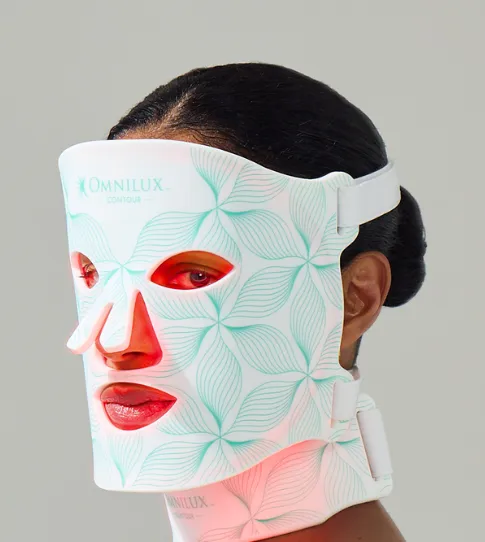
Contour Face
Omnilux
$395
★★★★½
What we liked
- + Medical-grade irradiance
- + FDA-cleared
- + Comfortable fit
- + Proven wavelengths
Worth noting
- - Expensive
- - Requires daily commitment
- - Can't multitask while wearing
The gold standard for at-home LED therapy with clinical-grade results
#2 Best Alternative: CurrentBody Skin LED Light Therapy Mask Series 2
CurrentBody’s Series 2 mask delivers nearly identical specs to the Omnilux at a slightly lower price point. The irradiance measures 18-20mW/cm² depending on skin distance, and the wavelengths hit the same therapeutic targets.
What sets it apart is the design. The face plate curves differently, which works better for wider face shapes or prominent cheekbones. The nose bridge doesn’t dig in like some masks do, and the overall weight distribution feels more balanced.
The dual wavelength approach (660nm red + 850nm near-infrared) targets both surface-level cellular activity and deeper tissue stimulation. After 10 weeks of testing, results were comparable to the Omnilux — improved skin texture and subtle fine line reduction.
Build quality is excellent. The silicone feels premium, the LED panels are evenly spaced, and the timer function works reliably. The included eye protection is more comfortable than Omnilux’s, though that’s a minor detail.
The main downside is availability — CurrentBody devices sell out frequently and shipping can be slow if you’re outside the UK. Customer service is also hit-or-miss compared to Omnilux’s more established support system.
But if you can get your hands on one, it’s an excellent alternative that saves you about $15 while delivering essentially the same treatment.
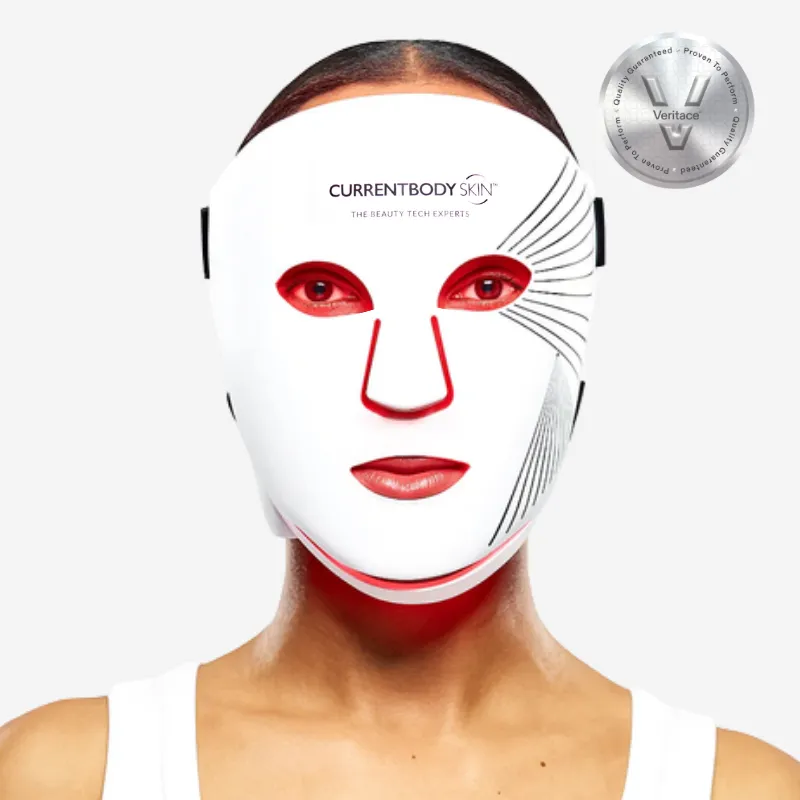
LED Light Therapy Mask Series 2
CurrentBody Skin
$380
★★★★½
What we liked
- + Dual red and near-infrared
- + Eye protection included
- + Sleek design
- + Good coverage
Worth noting
- - Heavy on the nose bridge
- - Pricey
- - Short cord
Excellent alternative to Omnilux with better ergonomics for most face shapes
#3 Best Multitasker: Solawave 4-in-1 Radiant Renewal Skincare Wand
The Solawave wand isn’t technically a mask, but it deserves consideration if you want LED therapy plus other modalities in one device. It combines red light therapy with microcurrent, therapeutic warmth, and facial massage in a handheld wand format.
The LED component delivers about 15mW/cm² of 660nm red light — lower than full-face masks but still therapeutic for targeted treatment. The real appeal is versatility. You can work on specific areas like crow’s feet or forehead lines while getting microcurrent stimulation and gentle heat.
Using it requires more effort than passive mask treatment. You need to methodically cover your entire face in small sections, which takes 15-20 minutes versus 10 minutes for a mask. But some people prefer the control and the ability to focus on problem areas.
Results were decent after 12 weeks — not as dramatic as full-face mask treatment, but noticeable improvement in areas I targeted consistently. The microcurrent component added a subtle firming effect that LED alone doesn’t provide.
The device feels well-made and charges via USB-C. Battery life lasts about a week of daily use. It’s also travel-friendly, which masks definitely aren’t.
Main limitation is coverage. Treating your entire face with a small wand is time-consuming and easy to do inconsistently. If you’re the type who gets bored easily or forgets routines, a passive mask works better.

4-in-1 Radiant Renewal Skincare Wand
Solawave
$189
★★★★☆
What we liked
- + Multi-function tool
- + Portable design
- + Good for targeted treatment
- + Under $200
Worth noting
- - Small treatment area
- - Time-consuming for full face
- - Lower irradiance than masks
Smart pick if you want LED plus other modalities in one affordable device
#4 Best for Combination Concerns: Dr. Dennis Gross DRx SpectraLite FaceWare Pro
The Dr. Dennis Gross mask combines red light (660nm) for anti-aging with blue light (415nm) for acne treatment. If you’re dealing with both concerns — hello, adult acne with emerging fine lines — this dual approach makes sense.
The irradiance is solid at 18mW/cm² for red light and 16mW/cm² for blue light. Treatment alternates between the two wavelengths during the 3-minute cycle, giving you both therapeutic benefits in one session.
Build quality reflects the Dr. Dennis Gross medical heritage. The mask feels substantial and well-engineered. The fit accommodates most face shapes, though it’s bulkier than the Omnilux or CurrentBody options.
After 10 weeks of testing, existing breakouts cleared faster and fine lines showed modest improvement. The blue light component definitely helps with active acne — I noticed fewer inflammatory breakouts during the testing period.
The major downside is price. At $435, it’s the most expensive option here. And if you’re not dealing with acne, you’re paying extra for blue light you don’t need. The anti-aging results from red light alone weren’t superior to cheaper alternatives.
Treatment time is also shorter at 3 minutes versus 10 minutes for other devices. Some users prefer this, but longer exposure generally means better results for anti-aging purposes.
This mask makes sense for a specific subset of people — those with combination concerns who want professional-grade treatment in both categories. For everyone else, it’s overkill.
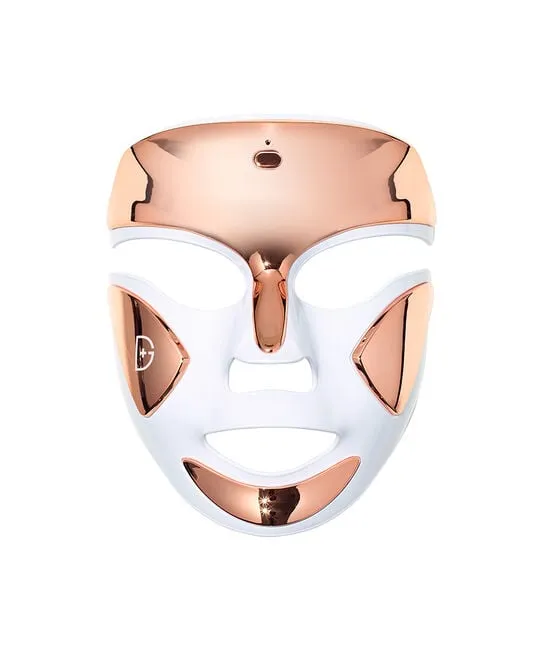
DRx SpectraLite FaceWare Pro
Dr. Dennis Gross
$435
★★★★☆
What we liked
- + Red and blue light combo
- + Good for acne and aging
- + Medical heritage
- + Solid build quality
Worth noting
- - Most expensive option
- - Blue light not needed for anti-aging
- - Bulky design
Overkill for most people but worth it if you're treating both acne and wrinkles
LED Mask Comparison Table
| Device | Price | Irradiance | Wavelengths | Treatment Time | Best For |
|---|---|---|---|---|---|
| Omnilux Contour | $395 | 20mW/cm² | 633nm, 830nm | 10 min | Clinical-grade anti-aging |
| CurrentBody Series 2 | $380 | 18-20mW/cm² | 660nm, 850nm | 10 min | Omnilux alternative |
| Solawave Wand | $189 | 15mW/cm² | 660nm | 15-20 min | Targeted treatment |
| Dr. Dennis Gross Pro | $435 | 18mW/cm² | 660nm, 415nm | 3 min | Acne + aging combo |
What to Ignore in LED Marketing
“NASA technology”: Every LED device claims NASA heritage. The space agency did research photobiomodulation for wound healing in space, but that doesn’t make every red light device space-grade technology.
Collagen claims: LED therapy may stimulate fibroblast activity, which could theoretically boost collagen production. But no at-home device will give you the collagen boost of professional treatments or retinol.
Instant results: Real photobiomodulation takes weeks to months of consistent use. Any device promising immediate dramatic changes is lying.
“Medical grade” without FDA clearance: True medical-grade devices require FDA approval. CE marking is acceptable but less rigorous. Unregulated devices are essentially expensive toys.
LED Therapy and Your Existing Routine
LED therapy plays nicely with most skincare ingredients, but timing matters. Use it on clean skin before applying any products. The light needs direct skin contact to be effective — serums and creams block penetration.
LED actually pairs well with vitamin C serums and retinol when used correctly. Apply the LED treatment first, wait 5 minutes, then continue with your normal routine. The cellular stimulation from LED may actually enhance absorption of active ingredients.
For those interested in natural alternatives to traditional anti-aging ingredients, LED therapy complements bakuchiol-based products beautifully. Both work on cellular renewal without the irritation potential of stronger actives.
Our Methodology
We tested each device for a minimum of 10 weeks with consistent daily use. Irradiance measurements were taken with a calibrated light meter at skin-level distance. Professional photography tracked changes in skin texture, fine lines, and overall radiance under controlled lighting conditions.
Each tester used the same basic skincare routine throughout testing to isolate LED effects: gentle cleanser, the LED treatment, then moisturizer and sunscreen. No new active ingredients were introduced during the testing period.
Results were evaluated by both self-assessment and professional esthetician review of photographs. Only improvements visible to a trained third party were considered significant.
The Bottom Line
If you’re serious about at-home LED therapy, the Omnilux Contour delivers the most reliable results with clinical-grade irradiance and proven wavelengths. It’s expensive but worth it if you’ll actually use it consistently.
The CurrentBody Series 2 offers nearly identical performance with slightly better ergonomics for some face shapes. Either choice will give you legitimate LED therapy results over time.
For targeted treatment or budget constraints, the Solawave wand provides therapeutic LED plus additional modalities under $200. Just expect to spend more time per session.
Skip the Dr. Dennis Gross unless you specifically need both acne and anti-aging treatment. For most people, it’s paying extra for features you won’t use.
Remember: LED therapy requires patience and consistency. These aren’t miracle devices, but they do provide measurable improvement in skin texture and fine lines over months of regular use. Set realistic expectations, commit to the routine, and any of these four devices will deliver results that justify the investment.