
Anti-Aging
Ingestible Beauty: Do Collagen and Longevity Supplements Actually Work?
Collagen peptides, longevity supplements, and the inside-out skin trend — what the evidence actually says, and what to expect.
Disclosure — This article may contain affiliate links. We earn a small commission at no extra cost to you when you purchase through our links. This supports our ability to create independent, evidence-based skincare content.
The supplement aisle has a new pitch: skip the serums, drink your collagen instead. Or take your NAD+. Or your astaxanthin. The inside-out approach to skin aging has been building quietly for years, and now it’s loud — powders in your coffee, gummies on your nightstand, IV drips at the wellness spa down the street.
Some of this is real. Some of it is very effective marketing. The goal here is to tell you which is which.
We’re focusing on the most evidence-backed category — collagen peptides — and then addressing the broader class of “longevity supplements” that have started showing up alongside them. Not because every product deserves the same scrutiny, but because they’re increasingly sold as a package, and you deserve to know what each one is actually doing.
What Happens to Collagen as We Age
Skin is roughly 75% collagen by dry weight. That number doesn’t hold forever. Starting in the mid-20s, collagen production declines by about 1% per year. By menopause, that loss accelerates sharply — some estimates put it at 30% in the first five years after estrogen drops. (The menopause skincare guide goes deeper on this if you’re navigating that transition.)
What we see on the surface — fine lines, loss of density, a slight hollowing under the eyes — is largely the downstream effect of that structural decline. This is also why the anti-aging category exists. The question isn’t whether collagen loss matters. It does. The question is whether swallowing collagen does anything about it.
Collagen Peptides: What the Research Actually Says
Here’s the honest summary: the evidence is stronger than skeptics admit, and weaker than brands suggest.
Collagen peptides are hydrolyzed collagen — large collagen proteins broken down into smaller chains of amino acids that the body can absorb. When you eat them, they don’t travel directly to your skin intact. The digestive system doesn’t work that way. What happens instead is more indirect, and more interesting.
The absorption argument
Studies using isotope-labeled collagen peptides have shown that hydroxyproline-containing dipeptides (specific fragments from collagen) do reach the bloodstream after oral ingestion. These fragments appear to stimulate fibroblasts — the cells responsible for producing collagen — in the dermis. There’s also evidence they accumulate in skin tissue specifically, not just muscle or bone.
A 2014 randomized controlled trial published in Skin Pharmacology and Physiology found that women who took 2.5g of collagen peptides daily for 8 weeks showed significantly improved skin elasticity versus placebo. A 2015 study in the same journal found similar results for skin hydration and wrinkle depth with a 10g dose. These aren’t massive trials — sample sizes were in the 60–70 range — but they’ve been replicated with reasonable consistency.
The effect size is modest. We’re not talking about reversing a decade of aging in eight weeks. We’re talking about measurable improvements in elasticity and hydration that placebo groups don’t show.
The dose question
Most research has used doses between 2.5g and 10g daily. The sweet spot in the literature seems to be around 5–10g. Many popular products hit this range. Some gummies don’t. If you’re buying a collagen gummy that delivers 250mg per serving, you’re not getting anywhere near a studied dose — and you probably know it.
What it won’t do
Collagen peptides won’t erase deep wrinkles, undo sun damage, or replace the work that proven topicals do. They also won’t do much if the rest of the picture is off — chronic sleep deprivation, high sugar intake, and UV exposure all degrade collagen faster than supplements can support it. The inflammaging guide covers how chronic low-grade inflammation accelerates this process specifically.
The Longevity Supplement Tier
Alongside collagen, you’ll find a second wave of ingredients being marketed for skin aging from the inside: NAD+ precursors (NMN, NR), astaxanthin, glutathione, spermidine, and various adaptogens. Each has a different evidence base.
NAD+ precursors (NMN and NR)
NAD+ is a coenzyme involved in cellular energy production and DNA repair. Levels decline with age, which is why compounds that boost NAD+ — nicotinamide mononucleotide (NMN) and nicotinamide riboside (NR) — have attracted serious scientific interest. Most of the exciting early research was in mice. Human trials exist but are smaller and more recent. The skin-specific claims are largely extrapolated from the cellular biology rather than direct skin outcome studies.
Real but early. Interesting if you’re approaching this from a longevity angle. Premature to sell as a skin supplement specifically.
Astaxanthin
This one actually has reasonable skin-focused evidence. Astaxanthin is a carotenoid from microalgae with potent antioxidant activity — somewhere between 10 and 100 times stronger than vitamin E depending on the measure. A few small trials have found improvements in skin moisture, elasticity, and wrinkle depth at doses of 6–12mg daily. The evidence is limited by study size and industry funding, but it’s more targeted to skin than the NAD+ literature. Worth considering if you’re already in the supplement habit.
Glutathione
Oral glutathione has a bioavailability problem — most of it gets broken down in the gut before it reaches systemic circulation. Liposomal forms may absorb better. The skin brightening claims are more established in the intravenous literature (popular in parts of Asia and the Philippines), which doesn’t map cleanly onto oral supplementation. There’s a whole glutathione guide if this is your primary interest. Short answer: oral glutathione for brightening is plausible but less proven than brands imply.
Adaptogens
Ashwagandha, amla, and other Ayurvedic botanicals are increasingly showing up in ingestible beauty products. Amla in particular has strong antioxidant credentials and a significant vitamin C content — we’ve covered amla’s Ayurvedic vitamin C credentials in detail elsewhere. The stress-reduction pathway matters here too: chronic cortisol elevation degrades collagen and worsens skin barrier function. Adaptogens that genuinely reduce cortisol load — and ashwagandha has some of the better evidence for this — may support skin indirectly through that mechanism. See also: cortisol face and the stress-skin axis.
What to Actually Buy (and What to Skip)
The most actionable conclusion from all of this: collagen peptides are the most evidence-backed ingestible for skin specifically. If you’re going to try one thing, that’s where to start.
Collagen peptide powders
Powders are the most reliable format for hitting studied doses. Look for hydrolyzed collagen (also labeled collagen peptides or collagen hydrolysate) from a brand with third-party testing. Bovine and marine sources both appear in the literature — marine tends to have slightly higher bioavailability but the difference is modest.
Vital Proteins Collagen Peptides is the most widely available option and has been around long enough to have a real track record. 10g per scoop, unflavored, dissolves cleanly in coffee or water. No particular magic here — just a solid product at a fair price.
Vital Proteins Collagen Peptides
Vital Proteins
$27
★★★★½
NeoCell Super Collagen is a budget-friendly option that’s been tested by third parties and delivers a reasonable dose. The tablets are less convenient than powder for high doses, but they work.

NeoCell Super Collagen Peptides
NeoCell
$22
★★★★☆
HUM Collagen Love takes a combination approach — collagen peptides paired with vitamin C and choline, both of which support collagen synthesis. Vitamin C is a required cofactor for the enzymatic conversion of procollagen to collagen, so pairing them makes biochemical sense. The dose is lower (2.5g collagen), but the supporting cast earns it a place if you prefer a capsule format.
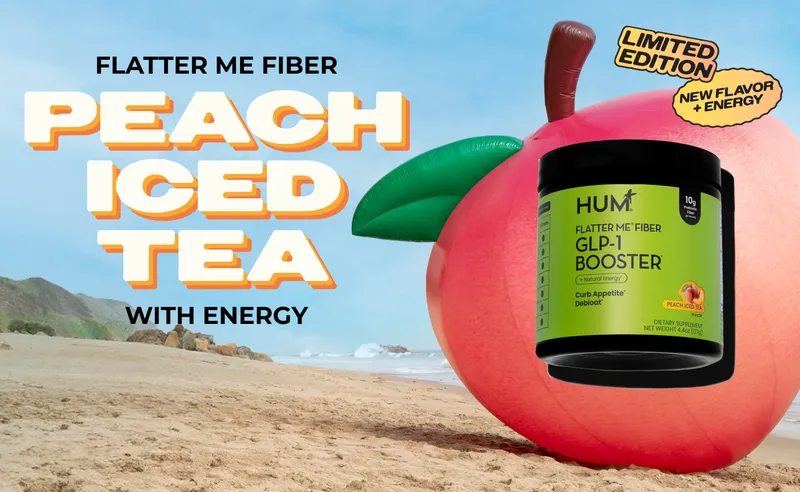
HUM Collagen Love
HUM Nutrition
$40
★★★★☆
The Inside-Outside Stack
Supplements and topicals aren’t in competition. The evidence-based approach treats them as complementary — different delivery mechanisms reaching the dermis from different directions.
Topical vitamin C, for example, supports collagen synthesis locally while fighting oxidative damage at the skin surface. An oral collagen peptide supplement may stimulate fibroblast activity deeper in the dermis. These aren’t redundant. They target different layers of the same problem.
For those who want to simplify both their topical routine and their approach to antioxidants, an oil-based format that combines vitamin C with additional skin-supporting ingredients is worth knowing about. The Kerala Botanics Ayurvedic Vitamin C Face Oil does this with a stable, oil-soluble vitamin C form alongside bakuchiol — a plant-based retinol alternative that supports collagen turnover without the irritation profile of retinoids. The Ayurvedic formulation draws on a tradition that’s been approaching skin health holistically long before “inside-out beauty” became a trend.
It’s not a replacement for oral collagen supplementation, but it sits cleanly alongside it — and for anyone looking to reduce the number of products on their shelf, a single oil that handles antioxidant protection, collagen support, and moisture is a reasonable consolidation. Not ideal for oily skin types who find oil-heavy formulas problematic, and the clinical dossier is thinner than the research behind CE Ferulic. But as a daily topical for simplified routines, it earns its place.
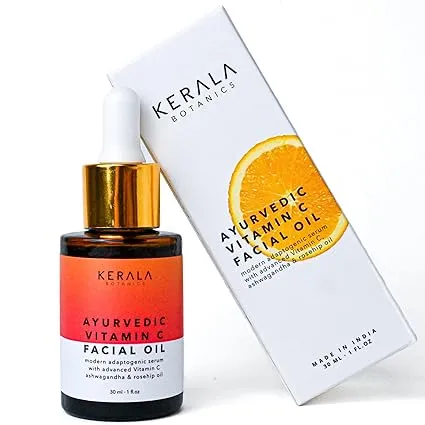
Ayurvedic Vitamin C Face Oil
Kerala Botanics
$49
★★★★☆
For a deeper look at where oil-based vitamin C fits versus traditional serums, the vitamin C serum vs. oil comparison lays it out clearly.
What You Can Realistically Expect
A reasonable timeline for collagen peptides: most studies showing meaningful results ran 8–12 weeks at consistent daily dosing. The changes aren’t dramatic. Improved skin bounce when you press your cheek. Slightly less papery texture. Possibly better nail strength and joint comfort as side benefits. Nothing that shows up in photos after two weeks.
This is worth saying plainly because the supplement industry — like the skincare industry — oversells. The before-and-afters are lit differently. The timelines compress. The ingredient mechanisms get translated into outcomes that the studies don’t quite support.
Collagen peptides are real. The effect is real. It’s just more modest and slower than the ads suggest, and it works best when it’s part of a larger picture that includes sun protection, sleep, and a stable topical routine.
Putting It Together
A few clear conclusions:
- Collagen peptides have the strongest evidence of any ingestible for skin-specific outcomes. Aim for 5–10g daily from a hydrolyzed source, consistently, for at least 8 weeks before assessing.
- Format matters. Powders and capsules allow reliable dosing. Most gummies don’t hit studied levels.
- Longevity supplements like NAD+ precursors and astaxanthin have interesting mechanisms but thinner skin-specific evidence. Astaxanthin is the most credible secondary addition.
- Topicals still matter. Oral collagen doesn’t replace what sunscreen, retinoids, and vitamin C do at the surface. The skin longevity guide and complete morning skincare routine are good starting points if you’re building that side of things.
- Vitamin C cofactor. Whether you’re supplementing orally or topically, vitamin C supports the collagen synthesis pathway. Make sure it shows up somewhere in your stack.
The inside-out approach to aging is legitimate science, not wellness theater. Just keep the expectations calibrated. Supplements help at the margin. The compounding habits — consistent SPF, sound sleep, anti-inflammatory diet, stable topicals — do most of the structural work.