
Anti-Aging
Skin Longevity: From Anti-Aging to Long-Term Skin Health
The shift from anti-aging to skin longevity explained: what barrier-first, preventive skincare actually means and how to build a routine that holds up.
Disclosure — This article may contain affiliate links. We earn a small commission at no extra cost to you when you purchase through our links. This supports our ability to create independent, evidence-based skincare content.
“Anti-aging” is a strange phrase when you think about it. Aging isn’t the enemy — it’s the context. What we actually want is skin that stays functional, resilient, and clear for as long as possible. That’s a different goal, and it leads to a different kind of routine.
The shift happening in skincare right now isn’t about new ingredients. It’s about a change in framing: from correcting damage after it appears to building the conditions where damage is less likely to take hold. Barrier-first thinking. Consistent actives. Sun protection as a non-negotiable, not an afterthought. This is what skin longevity looks like in practice.
This guide is about how to think about your skin over a long time horizon, what the research actually supports, and how to build a routine that doesn’t need to be completely rebuilt every three years.
Why the Old Framework Didn’t Work
The classic anti-aging routine was reactive. Fine lines appear, you add retinol. Dark spots show up, you add vitamin C. Skin feels dull, you add an exfoliant. You end up with six or seven products that were each added in response to a problem.
The issue with that approach is that it treats symptoms rather than conditions. By the time visible aging is showing up, the underlying shifts — collagen loss, barrier thinning, cumulative UV damage — have been building for years. Adding a retinol at 45 is still worth doing, but you’re working harder for smaller returns than if you’d started at 30.
Skin longevity flips that logic. Start supporting the structures you have before they degrade. That’s what the term “prejuvenation” is actually about — not a new category of treatment, just earlier, consistent prevention.
The Barrier Comes First
Everything else in a longevity routine depends on the barrier working. A compromised barrier is less able to retain moisture, more reactive to actives, and more vulnerable to environmental stress. You can have the most effective vitamin C serum in the world, and if your barrier is shot, you’ll get irritation before you get results.
The barrier is made of lipids — ceramides, fatty acids, cholesterol — arranged in a structure that keeps water in and irritants out. It degrades naturally with age, and it degrades faster with over-exfoliation, harsh cleansers, and long-term use of actives that weren’t introduced slowly. If your skin feels tight, looks flaky, or reacts to things it used to tolerate, the barrier is telling you something.
Repair comes before everything else. A plain ceramide moisturizer, used consistently, is the foundation. Not a 12-ingredient treatment serum. Just something that replenishes what the barrier needs. We go into this in detail in our guide on damaged skin barrier repair — and if you’re not sure whether barrier damage is the actual problem, the ceramides explained piece is worth reading first.
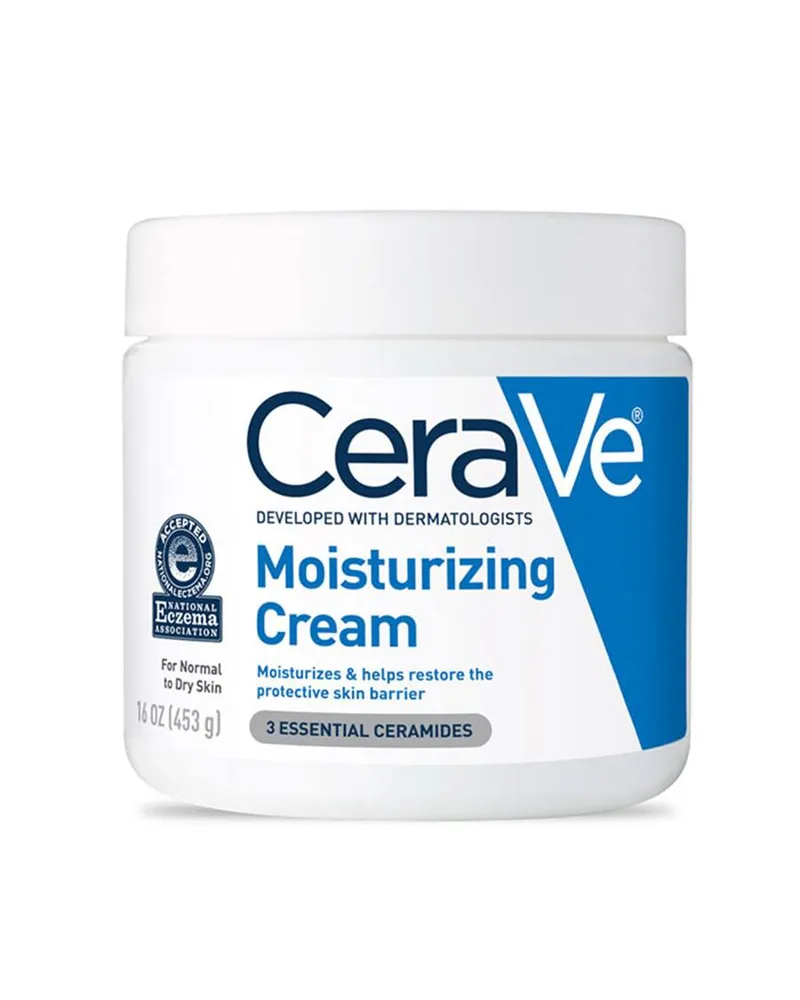
CeraVe Moisturizing Cream
CeraVe
$19
★★★★½
Once the barrier is stable, actives work better. That’s the sequencing that matters.
Sunscreen Is the Only True Anti-Aging Product
There’s no ingredient with stronger evidence for preventing visible skin aging than broad-spectrum UV protection, used daily. Not retinol, not vitamin C, not peptides. Those are useful, but they’re all working in the context of damage that’s already happened or is happening. Sunscreen stops the damage before it starts.
UV exposure is responsible for the majority of visible skin aging — the technical term is photoaging, and it accounts for fine lines, uneven tone, loss of elasticity, and texture changes in most people. The idea that you only need sunscreen on sunny days, or when you’re outdoors for a long time, undersells how much cumulative daily exposure adds up over a decade.
The habit is simple: SPF 30 or higher every morning, every day, rain or not. If you want to go deeper on application quantity and technique, the how much sunscreen to apply guide covers it without the usual overcomplications. For people who struggle to reapply over makeup, this piece on reapplication strategies is practical.
Pick a formula you’ll actually use. If the texture is unpleasant, you’ll skip it. That’s the only criterion that matters at this stage.
The Actives Worth Committing To
Once sunscreen is consistent and the barrier is healthy, there are three categories of actives with enough evidence to earn a long-term spot in a longevity routine.
Vitamin C
Vitamin C does two things that matter for longevity. It neutralizes free radicals generated by UV exposure (working alongside — not instead of — your sunscreen), and it supports collagen synthesis. Applied in the morning, under sunscreen, it extends what your SPF is already doing.
The practical challenge is stability. Most vitamin C serums are built around L-ascorbic acid, which oxidizes relatively quickly and loses efficacy before the bottle is empty. If you’ve ever noticed your vitamin C serum turning orange or orange-brown in the bottle, that’s oxidation — a sign the active is already degrading. There are more stable derivatives worth knowing about; the oil-soluble vs water-soluble vitamin C guide breaks down how they compare.
SkinCeuticals C E Ferulic is the clinical benchmark. The data behind it is real, the formula is well-constructed, and it works. The $185 price point is a legitimate barrier for most people — which is why our alternatives roundup exists.
C E Ferulic
SkinCeuticals
$185
★★★★½
For people who prefer their vitamin C in a non-serum format, the Kerala Botanics Ayurvedic Vitamin C Face Oil takes a different approach. It uses a more stable, oil-soluble form of vitamin C that the brand claims stays active in skin cells significantly longer than standard L-ascorbic acid. It also contains bakuchiol, a plant-based compound that works on similar pathways to retinol. The oil format replaces serum, moisturizer, and facial oil in one step — useful if simplicity is the goal. It’s not a clinical replacement for CE Ferulic, and the oil texture won’t suit everyone (particularly those with oilier skin or who wear a lot of makeup). But as an all-in-one for a streamlined routine, it’s genuinely useful.
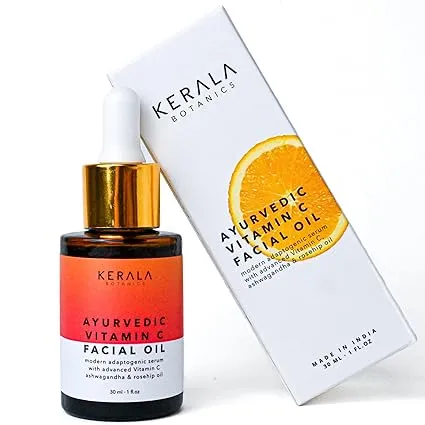
Ayurvedic Vitamin C Face Oil
Kerala Botanics
$49
★★★★☆
Retinoids
Retinoids are the most well-researched active in anti-aging skincare. They work by accelerating cell turnover and stimulating collagen production — real mechanisms with real data behind them, not just marketing claims.
The spectrum runs from over-the-counter retinol (gentle, slow to show results) up through retinaldehyde (faster, still accessible without a prescription) to tretinoin (prescription-only, the strongest and most studied). The retinol vs retinaldehyde vs tretinoin comparison is the clearest thing we’ve written on this, and it’ll help you decide where to start.
For most people who haven’t used retinoids before, starting at a lower concentration and building slowly is the right approach. The tretinoin beginners guide covers this well if prescription-strength is the direction you’re heading.
If retinoids cause too much irritation or aren’t appropriate (pregnancy being the clearest example), bakuchiol is the most evidence-backed plant alternative. It doesn’t work identically to retinol, but there’s solid enough data that it’s worth taking seriously. The bakuchiol vs retinol comparison is balanced and honest about where it falls short.
Crystal Retinal 6
Medik8
$59
★★★★½
Antioxidants Beyond Vitamin C
Vitamin C gets the most attention, but it’s one piece of a larger antioxidant picture. Niacinamide, resveratrol, astaxanthin, and fermented ingredients all work in similar ways — neutralizing oxidative stress before it can damage skin structures. None of them are as singularly impactful as a good vitamin C, but layering antioxidant sources builds a more complete defense. The antioxidants in skincare guide goes into this in detail.
Prejuvenation: Why Starting Earlier Changes the Math
The concept of prejuvenation has been circulating in dermatology practices for a few years now, and it’s worth taking seriously. The idea is that starting barrier support, sun protection, and low-dose actives in your 20s or early 30s — before damage is visible — yields better outcomes than starting interventions later, when you’re trying to reverse what’s already there.
This doesn’t mean running a complicated 8-step routine in your mid-20s. It means:
- SPF daily, starting now
- A barrier-supportive moisturizer, consistently
- A vitamin C in the morning if you’ll use it
- A low-dose retinoid a few nights per week once you’re ready
That’s a four-product routine. And it covers everything that has meaningful evidence behind it. For context on where this fits across decades, the starting skincare in your 20s guide and the skincare in your 40s and 50s decade guide both give good structural frameworks.
The minimalist 3-step routine guide is also worth referencing if you want to see what a stripped-back version of this actually looks like day to day.
What Skin Longevity Is Not
A few things that get folded into longevity conversations that deserve honest framing:
Collagen supplements. The research is still early and the signal is mixed. There’s some data on hydrolyzed collagen and skin hydration, less on structural changes. Not harmful, but not something to build a routine around.
LED masks. Red light therapy has real mechanisms — it stimulates fibroblasts, which produce collagen. But at-home devices deliver a fraction of the energy used in clinical settings. Worth reading our LED masks breakdown before spending $300 on one.
Exfoliation. Regular exfoliation supports cell turnover and helps actives penetrate better. But more is not more. Over-exfoliation is one of the fastest routes to barrier damage, which sets everything else back. If you’re unsure where your routine falls, the signs of over-exfoliation piece is useful.
The most common mistake in longevity-focused routines is adding too much. Every active you add creates a potential for interaction, irritation, and barrier disruption. A routine with three consistent products will outperform a routine with eight competing ones.
Putting It All Together
Skin longevity is a framing shift more than a product category. It asks a different question: not “how do I fix this,” but “how do I support this skin over the next 20 years.”
The answer, practically speaking, is relatively simple:
- Protect: Broad-spectrum SPF, every morning.
- Support: A barrier-first moisturizer, used consistently.
- Treat: One antioxidant (vitamin C is the strongest choice), one retinoid when you’re ready, introduced slowly.
That’s the core. Everything else — peptides, exosomes, fermented ingredients, advanced actives — builds on that foundation, or it doesn’t work as well as it should.
The shift from reactive to preventive doesn’t require a bigger routine. It usually requires a more deliberate one.
For related reading: the complete morning skincare routine and complete evening skincare routine both put these principles into a step-by-step structure if you want to see how it flows day to day.