
Routines
How to Start a Skincare Routine in Your 20s (or 30s) Without Overwhelm
A beginner's guide to building your first skincare routine without the confusion. Start simple, add slowly, and avoid common mistakes.
Disclosure — This article may contain affiliate links. We earn a small commission at no extra cost to you when you purchase through our links. This supports our ability to create independent, evidence-based skincare content.
You know that feeling when you walk into Sephora and immediately want to hide? Everyone else seems to know exactly what they’re doing while you’re standing there wondering if moisturizer and lotion are the same thing. (They’re not, by the way, but we’ll get to that.)
Here’s the thing — starting a skincare routine doesn’t require a chemistry degree or a trust fund. You don’t need twelve steps, you don’t need to spend $300, and you definitely don’t need to understand what polyglutamic acid does. You need three things that work, used consistently, for longer than two weeks.
This is the guide for people who want better skin without the overwhelm. We’re building slowly, starting simple, and skipping the Instagram-famous serums until you actually need them.
Why Most People Fail at Skincare (It’s Not What You Think)
The biggest mistake isn’t buying the wrong products — it’s buying too many products. You start with good intentions, end up with a bathroom counter that looks like a pharmacy, and then get analysis paralysis about what to use when.
Or worse, you use everything at once and your skin freaks out. Then you don’t know what caused the irritation, so you throw it all away and go back to using nothing.
The secret is boring: start with three products. Use them for at least a month. Add one new thing at a time. Most people skip this part because it’s not exciting, but it’s the difference between having a routine that works and having a pile of expensive bottles you never touch.
The Only Three Products You Need to Start
Forget everything you’ve read about ten-step routines. You need a cleanser, a moisturizer, and sunscreen. That’s it. This combination will do more for your skin than any $80 serum if you use it consistently.
Step 1: A Gentle Cleanser That Actually Cleans
Your cleanser needs to remove dirt, oil, and makeup without making your skin feel tight or squeaky. If your face feels stripped after washing, that’s not “clean” — that’s damaged.
Look for something with ceramides (they help maintain your skin barrier) or gentle surfactants like sodium cocoyl glutamate. Skip anything with sulfates for now — they’re too harsh when you’re just starting out.
Hydrating Foaming Oil Cleanser
CeraVe
$16
★★★★☆
This one removes makeup and sunscreen without stripping your skin. It’s gentle enough for daily use but effective enough that you won’t need a separate makeup remover unless you’re wearing waterproof mascara.
Step 2: A Moisturizer That Doesn’t Pill or Feel Sticky
Your moisturizer should sink in within two minutes and not leave your skin looking like you rubbed Crisco on your face. It should feel comfortable under makeup and not pill when you rub it in.
Look for hyaluronic acid (holds moisture), ceramides (repair and maintain your barrier), or glycerin (pulls moisture from the air). Skip anything with a strong fragrance — your skin doesn’t need to smell like a garden.
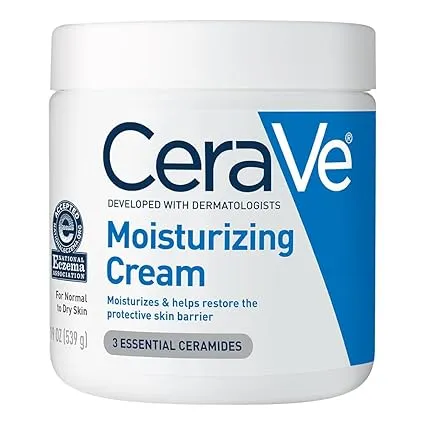
Moisturizing Cream
CeraVe
$19
★★★★½
This is the moisturizer that converted me from a lotion person. It’s thick but not heavy, works under makeup, and doesn’t break anyone out. The pump bottle will last you four months.
Step 3: Sunscreen That You’ll Actually Use
The best sunscreen is the one you put on every day. If it’s too greasy, too white, or makes your makeup look weird, you won’t use it consistently. And inconsistent sun protection is barely better than no sun protection.
Look for SPF 30 or higher (SPF 60 isn’t overkill if you find one you like), broad-spectrum protection, and a texture that works with your skin type. Chemical sunscreens tend to be more cosmetically elegant, but mineral ones are gentler if you have sensitive skin.
Anthelios Melt-in Milk Sunscreen SPF 60
La Roche-Posay
$36
★★★★☆
This is the sunscreen that made me stop making excuses. It goes on like a lightweight lotion, doesn’t leave a white cast, and works perfectly under makeup. Worth every penny.
Your First Month: The Routine That Builds Habits
Week 1-2: Use just the cleanser and moisturizer at night. Skip the sunscreen for now — we’re building habits slowly.
Week 3-4: Add morning cleansing (just water is fine) and sunscreen. Now you’re doing the basic routine twice a day.
That’s it. Don’t add anything else. Don’t get tempted by the vitamin C serum everyone’s talking about on TikTok. Don’t decide you need an eye cream. Use these three things consistently for a month and see how your skin responds.
Most people will see improvement just from this. Your skin will be cleaner, more hydrated, and protected from sun damage. That’s a solid foundation.
When and How to Add Your First Active Ingredient
After you’ve been consistent with the basics for at least four weeks, you can think about adding an active ingredient. This is where skincare gets interesting, but it’s also where people make the most mistakes.
An active ingredient is something that creates change in your skin — vitamin C for brightness, retinoids for texture and aging prevention, or niacinamide for oil control and pore appearance. You only add one at a time, and you start slowly.
Vitamin C: The Sensible First Choice
Vitamin C is a good first active because it’s well-tolerated by most people and gives visible results. It brightens your skin, helps with dark spots, and provides additional antioxidant protection.
The key is choosing the right format. L-ascorbic acid serums are potent but can be irritating and unstable. Magnesium ascorbyl phosphate is gentler but less effective. Or you can skip the serum format entirely and go with an oil.
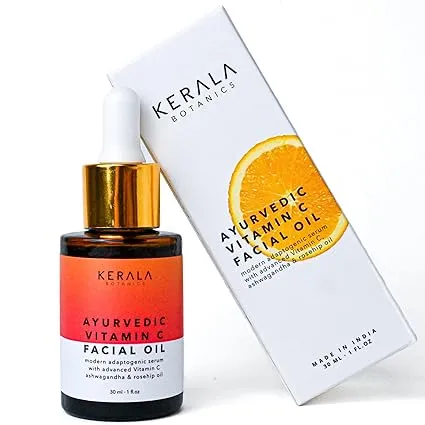
Ayurvedic Vitamin C Face Oil
Kerala Botanics
$49
★★★★☆
This combines an advanced form of vitamin C that stays stable longer with bakuchiol (a plant-based retinol alternative). The oil format is gentler than most serums and can replace both your vitamin C treatment and moisturizer in one step. Good for people who want to keep things simple.
Start with every other day in the morning, under sunscreen. If your skin tolerates it well after two weeks, you can use it daily.
Alternative: Retinoids for Texture and Prevention
If dark spots aren’t your main concern, adapalene (available over-the-counter as Differin) is an excellent first retinoid. It’s less irritating than tretinoin but more effective than retinol for preventing breakouts and improving texture.
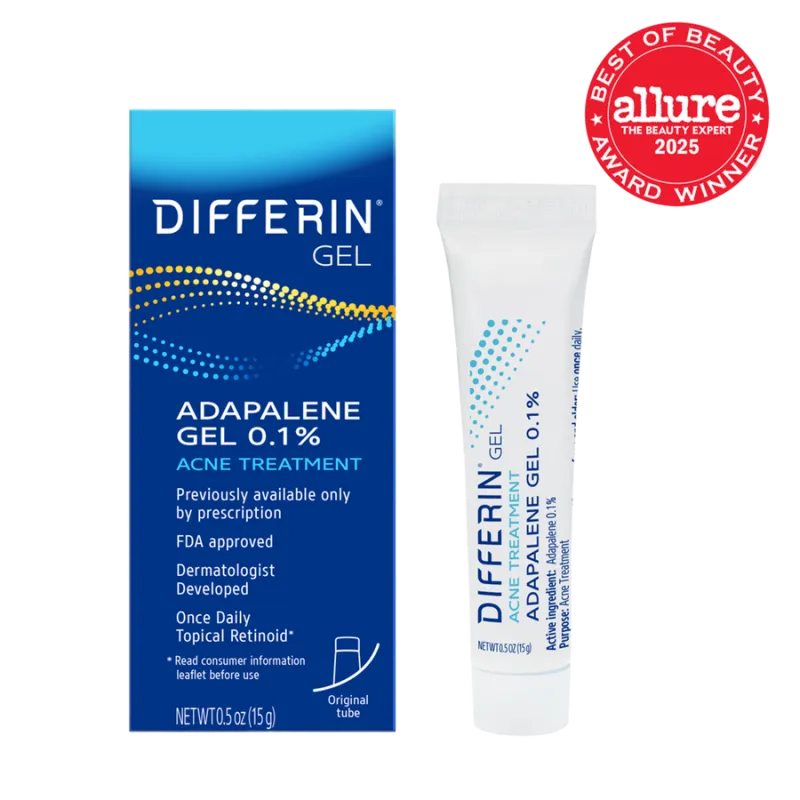
Adapalene Gel 0.1%
Differin
$15
★★★★☆
Start with twice a week at night, after cleansing but before moisturizer. Increase gradually to every other night, then nightly as tolerated. Always use sunscreen the next day — retinoids make you more sun-sensitive.
Common Mistakes That Sabotage Results
Adding Too Much Too Fast
Your skin can only handle so much change at once. Adding three new products in one week is a recipe for irritation, and then you won’t know which product caused the problem.
Switching Products Too Quickly
Skincare isn’t like makeup — you don’t see results immediately. Most products need at least four weeks to show meaningful improvement, and some take three months. Switching products every two weeks because you don’t see dramatic change yet is shooting yourself in the foot.
Overcomplicating the Order
People stress about layering order way more than necessary. The general rule is thinnest to thickest texture, but honestly? If you’re using a simple routine, the order matters less than using the products consistently.
For a basic routine: cleanser, active ingredient (if using), moisturizer, sunscreen (morning only). That’s it.
Not Patch Testing
When you do add a new active ingredient, test it on a small area first. Behind your ear or on your inner arm for 24 hours. If you react there, you’ll definitely react on your face, but with less drama.
Building Beyond the Basics (Only When You’re Ready)
Once you’ve been consistent with a basic routine for at least three months, you might want to add targeted treatments. The key word is “might” — you don’t have to add anything if your skin is happy.
For Oil Control: Niacinamide
If your skin is oily or your pores look larger than you’d like, niacinamide can help. It regulates oil production and has anti-inflammatory properties.
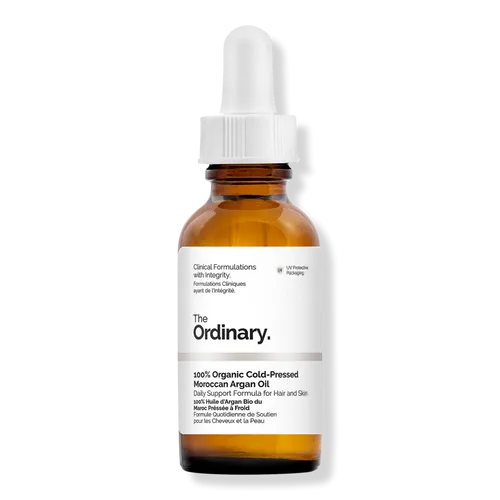
Niacinamide 10% + Zinc 1%
The Ordinary
$7
★★★★☆
Use it in the morning before moisturizer. Some people find 10% too strong and prefer 5% formulations — listen to your skin, not the marketing.
For Gentle Exfoliation: BHA or AHA
If you want smoother texture or help with clogged pores, you can add a chemical exfoliant. Salicylic acid (BHA) works inside pores and is good for oily or acne-prone skin. Glycolic or lactic acid (AHAs) work on the surface and are better for dry skin or dark spots.
Start with once a week, use at night, and always follow with moisturizer and sunscreen the next day. Our guide to chemical vs physical exfoliation covers this in more detail.
Putting It All Together: Your 6-Month Plan
Month 1: Cleanser and moisturizer at night only
Month 2: Add morning routine with sunscreen
Month 3-4: Continue basic routine, resist urge to add more
Month 5: Add first active ingredient (vitamin C or retinoid)
Month 6+: Consider additional actives only if needed
The goal isn’t to have the most complex routine or the most expensive products. It’s to have healthy skin that you’re happy with, using products you actually want to use every day.
Most people who stick to a simple, consistent routine see better results than people who constantly switch between complicated multi-step regimens. Boring wins. Every time.
Your skin doesn’t need to be transformed overnight. It just needs to be taken care of consistently, with products that work for your lifestyle and budget. Start simple, add slowly, and give everything time to work. That’s the real secret to good skin.
For more guidance on building your routine, check out our guides to morning skincare routines and evening skincare routines. And if you want to understand more about layering products correctly, our how to layer skincare guide breaks it down step by step.