
Routines
Your First Skincare Routine — A Beginner's Step-by-Step Guide
Learn the 3 essential skincare steps every beginner needs. No overwhelm, no 12-step routines — just what actually works for healthy skin.
Disclosure — This article may contain affiliate links. We earn a small commission at no extra cost to you when you purchase through our links. This supports our ability to create independent, evidence-based skincare content.
Building a skincare routine shouldn’t feel like studying for an exam. Most of the advice out there assumes you want to become a walking chemistry lab. We don’t.
The truth is simpler: healthy skin needs three things. Clean it without stripping it. Keep it hydrated. Protect it from sun damage. Everything else is optional, at least for now.
This guide covers those three essentials, helps you figure out what your skin actually needs, and gives you a clear path forward. No 10-step routines, no actives until you’re ready, no overwhelm.
Understanding Your Skin Type
Skin types matter less than most people think, but they’re still a useful starting point. Most advice gets this backwards — it focuses on oil production and ignores sensitivity, which is usually more important.
Normal skin feels comfortable most of the time. It doesn’t get tight after washing, doesn’t get shiny by noon, and products generally work without drama. If this sounds like you, consider yourself lucky. Almost any gentle routine will work.
Dry skin feels tight, especially after cleansing. It might look flaky or rough in patches. The key is avoiding anything that strips moisture and adding hydration at every step.
Oily skin gets shiny, especially in the T-zone. Pores look larger. The instinct is to dry it out, but that usually backfires. Oily skin still needs moisture — just lighter, gel-based formulas.
Combination skin is oily in some places, normal or dry in others. Most people fall here. Treat each area according to what it needs, or find a middle-ground routine that works everywhere.
Sensitive skin is the wild card. It can be oily and sensitive, dry and sensitive, or anything in between. Reactions — redness, burning, breakouts — happen easily. Go slower with new products and stick to gentle formulas.
One thing to remember: your skin type can change with seasons, hormones, age, and stress. Don’t get too attached to a label.
The Three Essential Steps
Every functional routine has these three steps. Master them before adding anything else.
Step 1: Cleanser
A good cleanser removes makeup, sunscreen, dirt, and excess oil without leaving your skin feeling tight or stripped. That’s it.
If your face feels squeaky clean, that’s actually a problem. Healthy skin has a slightly acidic protective barrier. Harsh cleansers disrupt it, leading to irritation, dryness, and more oil production as your skin tries to compensate.
For normal to dry skin: Look for cream or lotion cleansers. They contain moisturizing ingredients and won’t over-clean.
For oily skin: Gel cleansers work well, but avoid anything with sulfates like sodium lauryl sulfate. They’re too harsh for daily use.
For sensitive skin: Stick to fragrance-free, minimal-ingredient formulas. Avoid scrubs, essential oils, and anything that tingles.
The double cleanse — oil cleanser first, then water-based cleanser — has its place, but it’s not essential for beginners. Save it for days when you wear heavy makeup or waterproof sunscreen. Most days, one gentle cleanser does the job.
Hydrating Foaming Oil Cleanser
CeraVe
$16
★★★★☆
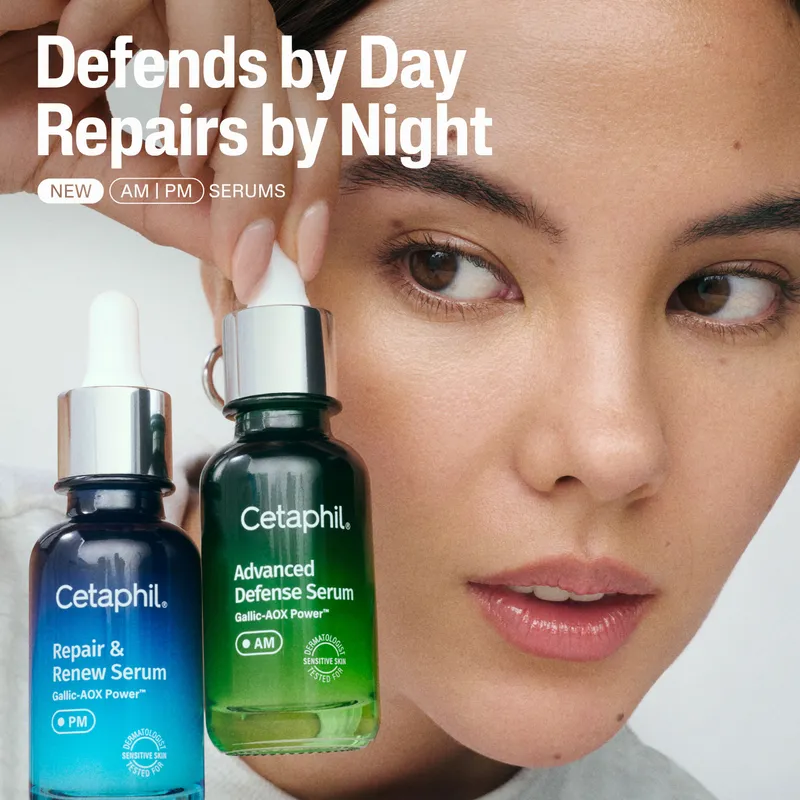
Gentle Skin Cleanser
Cetaphil
$13
★★★★☆
Step 2: Moisturizer
Moisturizer isn’t just for dry skin. Even oily skin needs hydration — when it’s dehydrated, it often produces more oil to compensate.
Good moisturizers do three things: add water to your skin, prevent that water from evaporating, and help repair your skin barrier. Look for ingredients like hyaluronic acid (draws in moisture), ceramides (repair the barrier), and humectants like glycerin.
For dry skin: Cream formulas with richer ingredients like shea butter or squalane work best. Apply to slightly damp skin to lock in extra moisture.
For oily skin: Lightweight gels or lotion formulas feel less heavy. Avoid anything with petroleum or heavy oils that might clog pores.
For sensitive skin: Fewer ingredients means fewer chances for reaction. Skip fragrances, essential oils, and chemical sunscreens in your moisturizer.
The timing matters. Apply moisturizer within a few minutes of cleansing, while your skin is still slightly damp. This helps lock in moisture.
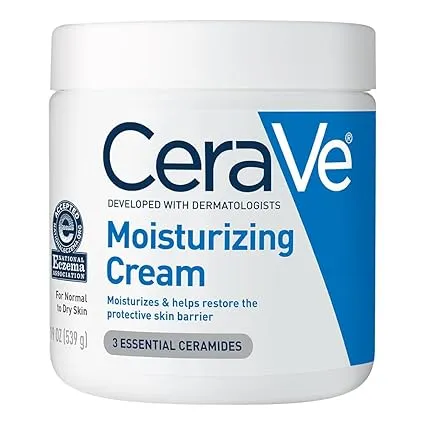
Moisturizing Cream
CeraVe
$19
★★★★☆
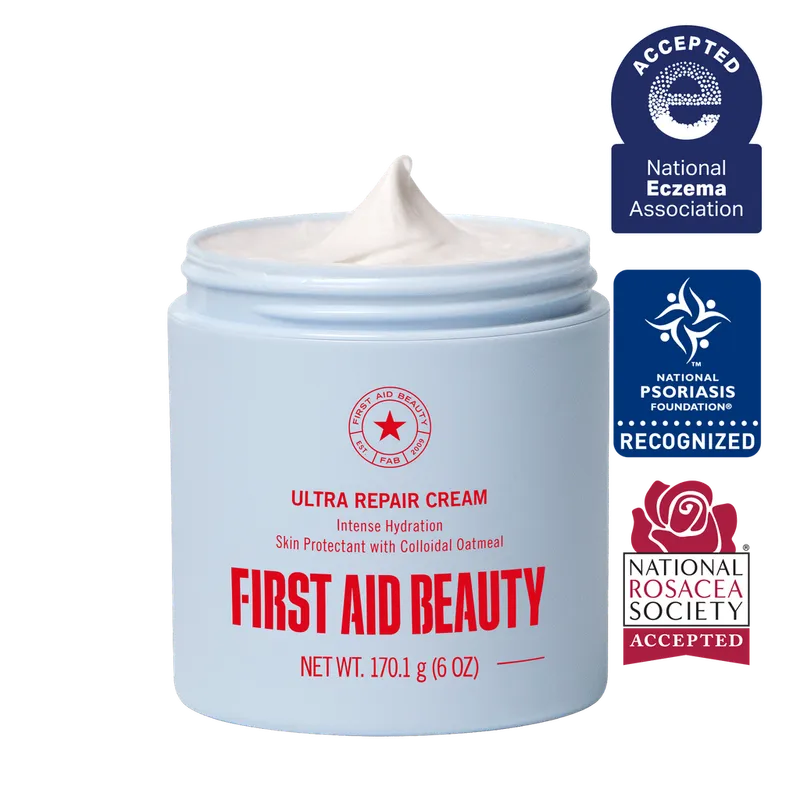
Ultra Repair Cream
First Aid Beauty
$38
★★★★½
Step 3: Sunscreen
This is the one non-negotiable step. UV damage is responsible for about 80% of visible aging — wrinkles, dark spots, loss of firmness. It’s also the leading cause of skin cancer.
SPF 30 is the minimum for daily wear. SPF 50 is better if you’re outside a lot. The difference between SPF 30 and SPF 100 is smaller than marketing would have you believe — SPF 30 blocks about 97% of UV rays, SPF 50 blocks about 98%.
Chemical sunscreens absorb UV rays and convert them to heat. They tend to feel lighter and blend in easier, but some people find them irritating.
Mineral sunscreens sit on top of skin and physically block UV rays. They’re gentler but can leave a white cast, especially on deeper skin tones.
The key is finding one you’ll actually use every day. The best sunscreen is the one that doesn’t make you want to skip it.
Apply sunscreen as the last step of your morning routine, before makeup. Don’t mix it with moisturizer or foundation — this can reduce its effectiveness.
Anthelios Melt-in Milk Sunscreen SPF 60
La Roche-Posay
$36
★★★★½
Building Your Routine
Start with just these three steps for at least a month. This gives your skin time to adjust and lets you see how it responds to consistent, gentle care.
Morning routine:
- Cleanser (if your skin feels oily or dirty from the night before)
- Moisturizer
- Sunscreen
Evening routine:
- Cleanser (this is when you really need it, to remove the day’s buildup)
- Moisturizer
Notice that morning cleansing is optional. If your skin feels fine when you wake up, just splash with water and move to moisturizer. Over-cleansing is more common than under-cleansing.
Common Rookie Mistakes
Starting with too many products at once. This makes it impossible to know what’s helping and what’s causing problems. Add one new product every two weeks, maximum.
Changing products too quickly. Most skincare takes 4-6 weeks to show results. If something isn’t actively irritating your skin, give it time.
Assuming more expensive means better. Some of the most effective ingredients — like petroleum jelly for dry skin — are dirt cheap. Price often reflects packaging and marketing more than ingredients.
Skipping sunscreen on cloudy days. UV rays penetrate clouds. If you can see outside during the day, you need sunscreen.
Over-cleansing. That tight, squeaky-clean feeling means you’ve stripped your skin’s protective barrier. Healthy skin should feel soft and comfortable after cleansing.
Copying someone else’s routine exactly. What works for your friend or favorite influencer might not work for you. Skin is individual.
Expecting instant results. Real skincare improvements happen gradually. Be suspicious of anything that promises dramatic changes overnight.
Learn more about why boring skincare beats viral trends and gimmicks.
When to Add Active Ingredients
Once your basic routine is working — your skin feels comfortable, isn’t breaking out from the products, and you’re using it consistently — you can consider adding actives.
Start with one active ingredient. The most beginner-friendly options are:
- Niacinamide: Reduces oil production and minimizes pores. Works for most skin types.
- Gentle vitamin C: Brightens skin and provides antioxidant protection.
- Low-strength retinol or retinol alternatives: Helps with texture and fine lines.
Don’t start with acids. AHA and BHA exfoliants can be helpful, but they’re easy to overuse. Get comfortable with the basics first.
For those interested in natural alternatives, bakuchiol offers retinol-like benefits without the potential irritation. Read our guide on bakuchiol vs retinol to understand the differences.
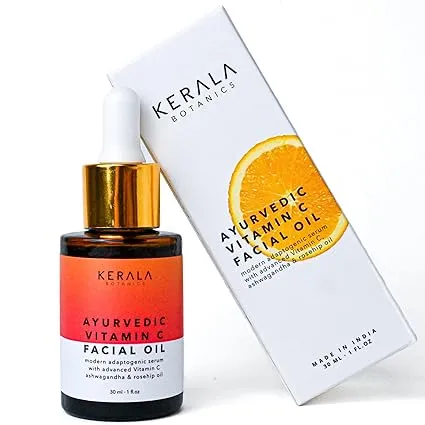
Ayurvedic Vitamin C Face Oil
Kerala Botanics
$49
★★★★☆
Introduce actives slowly. Start with every third night, then every other night, then nightly if your skin tolerates it. Watch for redness, increased sensitivity, or breakouts.
Only add one at a time. Wait at least a month before adding a second active ingredient. This prevents over-treatment and makes it easier to identify what’s helping.
For more detailed guidance on incorporating active ingredients, check out our complete morning skincare routine and complete evening skincare routine guides.
Reading Your Skin’s Response
Good skincare should make your skin feel comfortable. Here’s what to watch for:
Signs it’s working:
- Skin feels soft and hydrated
- No tightness after cleansing
- Consistent texture and tone
- Makeup applies smoothly
Signs to adjust:
- Persistent tightness or dryness (try a gentler cleanser or richer moisturizer)
- Increased oiliness (you might be over-cleansing or using products too heavy for your skin)
- New breakouts that last more than a few weeks (one of your products might be clogging pores)
Signs to stop:
- Burning or stinging that doesn’t go away quickly
- Persistent redness or irritation
- Rash or hives
If you experience irritation, go back to just water and a simple moisturizer until your skin calms down, then reintroduce products one at a time.
Special Considerations
Acne-prone skin needs the same basic routine, but with a few modifications. Look for non-comedogenic products and consider a salicylic acid cleanser once your basic routine is established. Avoid the temptation to dry out breakouts — this usually makes them worse.
Aging concerns are best addressed with consistent sunscreen use and a solid basic routine. Once that’s established, vitamin C and retinol can help, but they’re not magic bullets. The most dramatic anti-aging step is wearing sunscreen every day.
Sensitive skin benefits from minimalist routines. Fewer products mean fewer opportunities for reaction. Introduce new products even more slowly — one every month instead of every two weeks.
Budget constraints don’t have to derail good skincare. Some of the most effective ingredients are available in affordable formulations. Focus on getting the basics right before investing in expensive serums.
Putting It All Together
The best skincare routine is one you’ll actually follow. Start simple, be patient, and resist the urge to add more products every time you see a new trend.
Your first month should focus on finding a cleanser that doesn’t leave your skin feeling tight, a moisturizer that keeps it comfortable, and a sunscreen you don’t mind wearing every day. That’s it.
Month two can introduce one active ingredient if your skin is happy with the basics. Month three might add a second active, and so on.
Remember that healthy skin doesn’t require perfect skin. Small imperfections, occasional breakouts, and normal texture variation are all normal. The goal is skin that feels good and functions well, not skin that looks filtered.
Most importantly, listen to your skin over social media. It will tell you what it needs if you pay attention. Start with these three steps, be consistent, and build slowly. Everything else can wait.
For more specific guidance as you build your routine, explore our guides on how to layer skincare and starting skincare in your 20s.