
Routines
Skin Barrier Burnout: When Your Actives Stop Working
Your retinol stopped producing results and your skin feels permanently irritated. Here's what barrier burnout actually is — and how to fix it.
Disclosure — This article may contain affiliate links. We earn a small commission at no extra cost to you when you purchase through our links. This supports our ability to create independent, evidence-based skincare content.
Most people assume more is more when it comes to actives. Retinol three nights a week, glycolic acid in the morning, vitamin C serum every day, a niacinamide layer for good measure. Then one day the skin that used to tolerate all of it starts flaking, stinging, and looking dull instead of bright.
That’s not a coincidence. That’s barrier burnout.
It’s a broader condition than over-exfoliation — though exfoliation is often part of the picture. Barrier burnout happens when the cumulative stress of actives, environmental exposure, disrupted pH, and sometimes just plain fatigue overwhelms your skin’s ability to repair itself. The result: actives that used to work stop producing results, sensitivity spikes, and the routine you built carefully over two years suddenly feels like it’s working against you.
Here’s how to recognize it, recover from it, and rebuild a routine that actually lasts.
What Barrier Burnout Actually Is
Your skin barrier — technically the stratum corneum — is a lipid matrix that keeps water in and irritants out. It’s made up of ceramides, cholesterol, and fatty acids, arranged in a structure often described as “bricks and mortar.” The cells are the bricks. The lipids are the mortar.
Actives disrupt that structure. That’s not a flaw — it’s the mechanism. Retinoids accelerate cell turnover. Chemical exfoliants dissolve the bonds between dead skin cells. Vitamin C can lower pH. All of these things are useful in controlled doses. The problem is cumulative damage.
When you layer multiple actives, use them too frequently, or combine them with other barrier disruptors (fragrance, harsh cleansers, foam-heavy formulas, overexposure to hot water), the mortar starts to break down faster than your skin can replace it. Transepidermal water loss (TEWL) increases. Skin becomes more permeable to irritants. The pH shifts. Actives that once absorbed uneventfully now sting. And because the barrier is compromised, the same active that used to resurface your skin is now landing on raw tissue.
The irony of barrier burnout: you’re still applying the same products, but they’re no longer doing what you want them to do. The retinol isn’t working. The vitamin C isn’t brightening. You add more. The damage compounds. You add more again.
How to Tell If This Is What’s Happening
Barrier burnout doesn’t look the same on everyone. A few things to watch for:
Actives that used to be fine now sting or tingle. Not the mild warmth that some exfoliants produce — an actual sting that lingers. Your barrier is letting in more than it should.
Skin feels tight immediately after washing. A sign of elevated TEWL. Healthy skin shouldn’t feel stripped by a gentle cleanser.
Redness without a clear cause. Not a pimple, not a reaction to a new product — just baseline flushing or irritation that wasn’t there before.
Products pilling more than usual. When the surface texture is disrupted, even lightweight serums won’t absorb normally.
Your routine stopped producing results. Retinol users call this “retinol plateau,” but it often isn’t a true tolerance issue — it’s compromised barrier function preventing proper absorption and cell signaling.
Breakouts in unusual locations. When the barrier is down, bacteria and irritants have easier access. You might see small, itchy bumps or congestion in places that were previously clear.
If several of these sound familiar, you’re probably dealing with some degree of barrier compromise. The good news: skin barrier recovery is well-documented and largely achievable with over-the-counter products. It just requires patience — and the willingness to stop doing the things that got you here.
The Recovery Phase: What to Actually Do
Step One: Strip the Routine Down
This is the part most people resist. Stop using all actives for at least two weeks. That means retinol, exfoliating acids (AHAs, BHAs, PHAs), vitamin C, benzoyl peroxide, and any high-fragrance formulas.
What you keep: a gentle cleanser, a barrier-focused moisturizer, and SPF during the day. That’s it.
This is not a permanent state. It’s a reset. The goal is to reduce the load on a stressed barrier and give the lipid matrix time to replenish.
For the cleanser, look for something low-pH, non-foaming, and fragrance-free. Cream or gel cleansers without surfactants like sodium lauryl sulfate. If your current cleanser leaves your skin feeling tight, that’s part of the problem.
Step Two: Rebuild the Lipid Matrix
Your barrier is lipid-depleted. Moisturizers with ceramides, cholesterol, and fatty acids directly address that. The research on topical ceramides for barrier repair is solid — these lipids are structurally identical to what your skin is missing.
CeraVe Moisturizing Cream is the reference standard here. It’s not exciting, but it contains all three key lipid classes (ceramides 1, 3, and 6-II), it’s unfragranced, and the formulation has 30 years of clinical use behind it. At under $20 for a 16 oz tub, there’s very little reason not to use it during recovery.
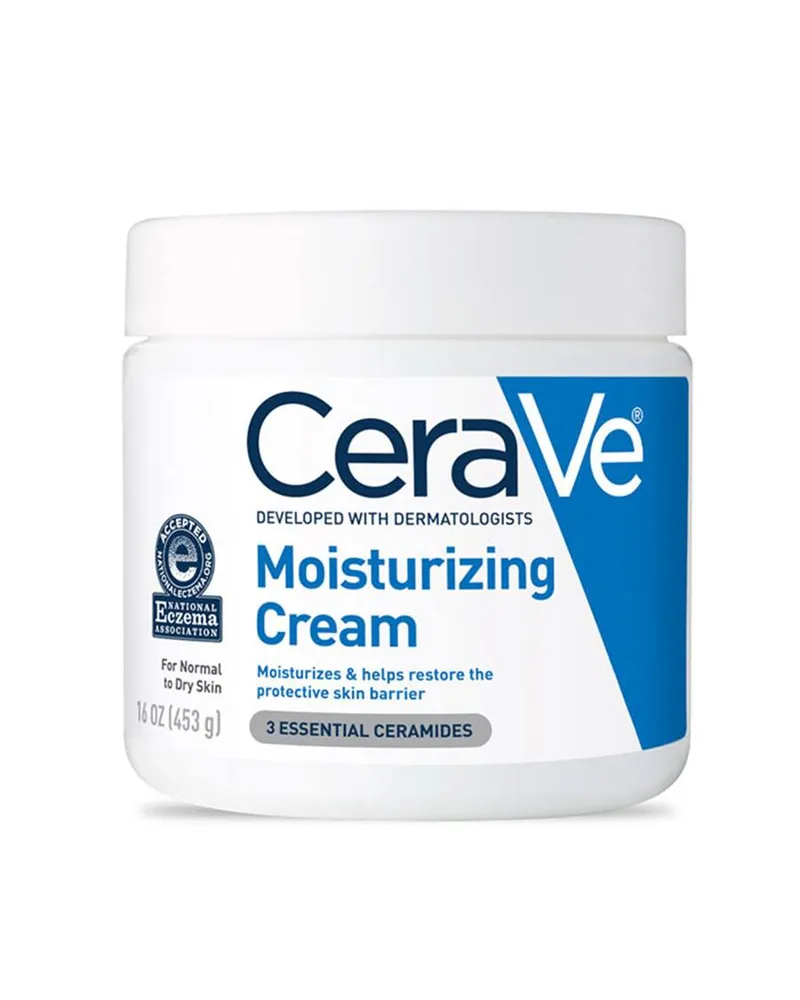
CeraVe Moisturizing Cream
CeraVe
$19
★★★★½
La Roche-Posay’s Cicaplast Baume B5+ is worth having on hand too, particularly if you have any localized areas that are visibly raw or inflamed. It contains panthenol (vitamin B5), which has good evidence for wound healing and barrier support, along with madecassoside from centella asiatica. It’s occlusive enough to use as a targeted treatment over more sensitive patches without being a full-face spackle.

Cicaplast Baume B5+
La Roche-Posay
$22
★★★★½
For more on ceramide-focused formulas and how they work mechanistically, our ceramides guide covers the lipid science in detail.
Step Three: Calm Inflammation
Barrier burnout almost always involves some degree of low-grade inflammation. Ingredients that help: centella asiatica (specifically madecassoside and asiaticoside), beta-glucan, and panthenol. These aren’t marketing buzzwords — they have anti-inflammatory mechanisms with decent supporting literature.
Centella has become shorthand for K-beauty soothing products, but the active compounds are specific. Look for products listing madecassoside or centella asiatica extract high in the INCI, not just “cica” in the name. Our centella asiatica guide breaks down what the research actually shows.
Dr. Jart+ Cicapair Calming Cica Cream is a reasonable pick here. It’s not cheap, but the centella concentration is high and it layers well under SPF without pilling.
Centella Asiatica Calming Cica Cream
Dr. Jart+
$52
★★★★½
Beta-glucan (from oat or yeast) is another option worth knowing about. It works differently from centella — it binds to receptors on skin cells and modulates the immune response rather than delivering active plant compounds. If your skin is very reactive, it’s worth looking at beta-glucan serums as a bridge between stripped-down recovery and reintroducing actives. We’ve covered it in depth here.
Reintroducing Actives: The Part Everyone Gets Wrong
After two weeks of barrier basics, most people feel better and immediately want to go back to their full routine. Don’t.
Reintroduce one active at a time, starting with the mildest. Give each new addition at least two weeks before adding the next. Yes, this is slow. It’s also the only way to figure out which product your skin can actually handle — and at what frequency.
Start With Vitamin C
Vitamin C is the least disruptive active for most people. The caveat: L-ascorbic acid (the direct acid form) is more likely to sting on a recovering barrier. If you’ve had sting issues in the past, consider a derivative like ascorbyl glucoside or sodium ascorbyl phosphate while your barrier is still rebuilding — both convert to active vitamin C on the skin but at a lower pH.
One option worth considering here is Kerala Botanics’ Ayurvedic Vitamin C Face Oil. It uses a stabilized, encapsulated vitamin C form that the brand claims stays active in skin cells significantly longer than L-ascorbic acid serums — and because it’s oil-based, it doesn’t deliver vitamin C in an acidic aqueous base that could sting a compromised barrier. It also contains bakuchiol (a plant-based retinoid alternative), which is relevant if you’re not ready to go back to retinol yet. The oil format is genuinely different from a serum, and it doubles as a moisturizing step — useful when you’re keeping your routine lean. It’s not the right pick for oily or acne-prone skin, and the clinical data is thinner than what exists for L-ascorbic acid, but as a reintroduction-phase option it makes practical sense.
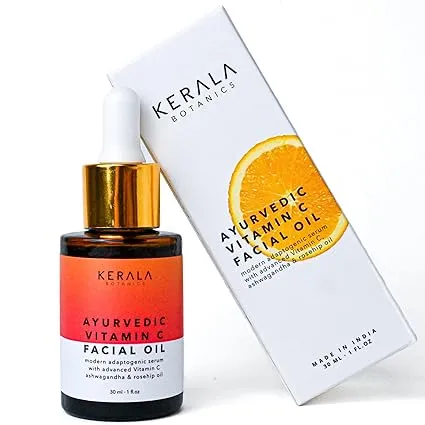
Ayurvedic Vitamin C Face Oil
Kerala Botanics
$49
★★★★☆
More on vitamin C formats — including when oil-based delivery actually has an edge over serums — in our vitamin C serum vs. oil comparison.
Then Retinoids, Carefully
Retinoids are the most barrier-stressing actives in most routines. Reintroduce them last, at the lowest concentration, on the fewest nights per week.
If you were using tretinoin, consider starting your reintroduction with adapalene or a low-strength OTC retinol. The skin cycling method — two nights of actives, two nights of recovery — is a reasonable framework at this stage, even if you don’t follow it forever. It forces recovery nights into your schedule.
If you got a retinol purge or significant irritation the first time around and pushed through it, that experience may have been barrier burnout wearing a different label. Our tretinoin beginners guide covers buffering techniques and intro protocols that reduce barrier stress during the adaptation period.
Exfoliants Come Last
Exfoliating acids — glycolic, lactic, salicylic — should be the last thing you reintroduce. Once a week is plenty for most people. Twice a week is the ceiling for those with thicker, more resilient skin. Daily exfoliation is almost never warranted, and if you were doing it before burnout hit, that was almost certainly a contributing factor.
PHAs (polyhydroxy acids) are a gentler reintroduction option because they don’t penetrate as deeply and have some evidence for barrier-supportive properties. They’re worth knowing about if you’re highly sensitive or doing this reset after a bad reaction.
Why Burnout Keeps Recurring (And How to Stop the Cycle)
For some people, barrier burnout is a one-time event triggered by a specific mistake — starting tretinoin at full strength, adding too many actives at once, using a harsh exfoliant on already-sensitive skin. They fix it, rebuild slowly, and don’t repeat it.
For others, it’s a pattern. They recover, feel great, add actives back gradually, then get excited about results and add more, and more, until they’re back at stinging and dullness in six months.
A few structural changes that help break the cycle:
Write down your routine and frequency. Most people can’t accurately recall how often they’re using each product. Keeping a basic log for the first month after recovery makes overloading much harder to slide into unconsciously.
Assign recovery nights in advance. Don’t plan to use actives every night and rest when your skin “needs it” — your judgment during a good skin phase will consistently underweight recovery. Build in the off nights deliberately.
Stop treating mild dryness with more actives. A common mistake: skin gets slightly dry or dull, so you reach for more exfoliation to “fix” the texture. Dryness and dullness during barrier stress are signs you need more moisture, not more resurfacing.
And if you’re building a routine from scratch after a reset, the minimalist 3-step routine is a good reference for what the actual baseline should look like before you start layering on actives.
Putting It All Together
Barrier burnout is what happens when you ask your skin to process more than it can repair. The actives don’t stop working because you’ve developed tolerance — they stop working because the skin they’re landing on is too compromised to respond normally.
The recovery protocol is straightforward: strip back to barrier basics for two weeks, rebuild with ceramides and anti-inflammatory support, then reintroduce actives one at a time, starting with the gentlest. Vitamin C before retinoids, exfoliants last.
The harder part is staying there. Most burnout cycles repeat because the temptation to pile actives back on is strong, especially when skin is feeling good. The maintenance habit isn’t a complicated routine — it’s built-in recovery nights and a genuine willingness to use fewer things more consistently.
Boring advice. But it’s what the evidence supports, and it’s what actually works.